Baseball Card Prices Dropping October 2026: 10 Key Market Insights
Explore why baseball card prices are dropping in October 2026 and which cards to buy the dip with expert strategies and real data.

Estimated reading time: 8 min
Key Takeaways
- October 2026 sees a market correction with widespread price declines across raw and graded baseball cards.
- Oversupply from new 2026 releases like Bowman Chrome and fading playoff hype are factors contributing to falling baseball card prices.
- Raw and mid-tier modern rookie cards appear to be losing value faster, while PSA 10s, high-end graded cards, and vintage cards seem more resilient.
- Selective playoff performance can create short-term spikes in rookie cards that often reverse after the postseason ends.
- Collectors can consider using dips to buy breakout rookies and grade well-centered raw cards using tools like Midpoint for more informed investment decisions.
October 2026 has brought notable shifts in the baseball card market. After the 2026 playoffs, baseball card prices are dropping as hype fades and new releases increase market supply. For collectors and investors, understanding which cards are declining fastest and which remain steadier can help navigate this dip effectively. This listicle breaks down the October 2026 baseball card market, highlights key trends behind falling prices, and offers practical advice on buying, selling, and grading during this period.
30-day price movers — live data from Midpoint's card database, as of 2026-10-18. Prices move; Midpoint refreshes these daily.
| Card | Raw | PSA 10 | 30-day | |
|---|---|---|---|---|
 |
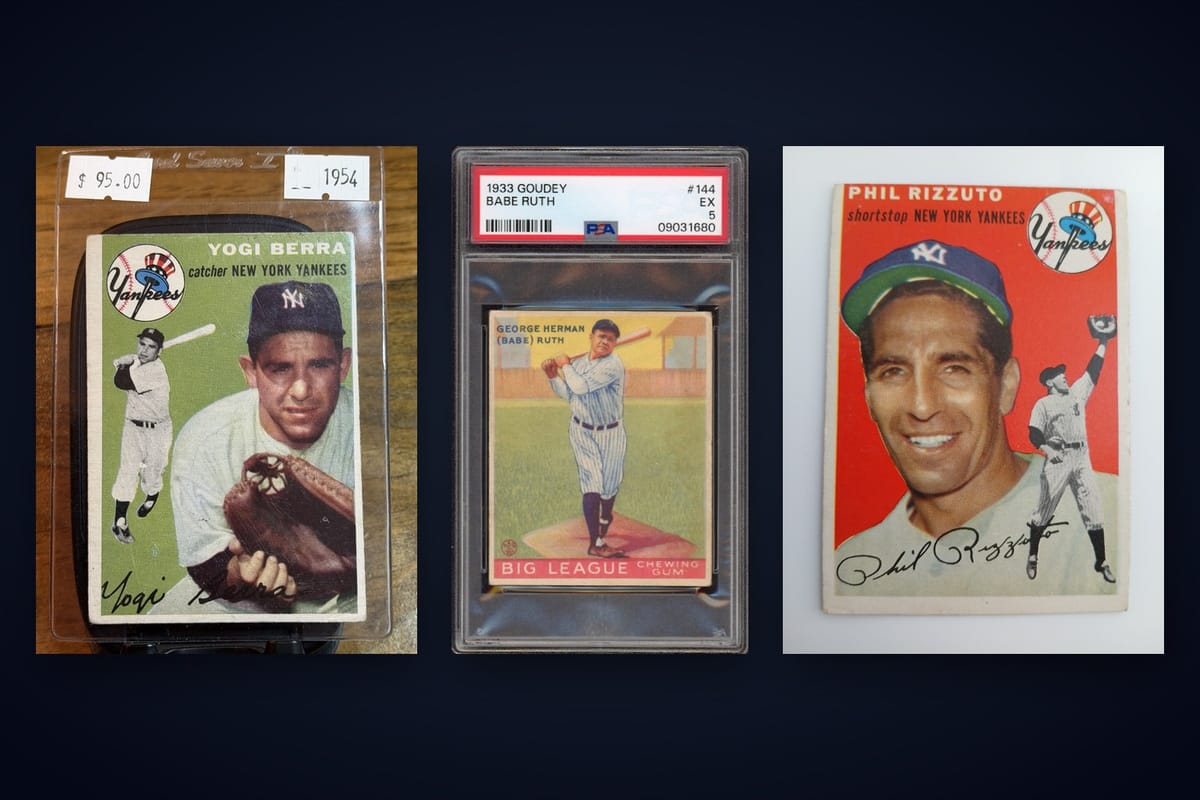
Yogi Berra #50 1954 Topps |
$59.64 | $12,841 | -19.2% |
 |
Babe Ruth #144 1933 Goudey |
$8,182 | $3,329,125 | -13.1% |
 |
Phil Rizzuto #17 1954 Topps |
$25.05 | $5,143 | -12.1% |
 |
Al Kaline #125 1957 Topps |
$36.00 | $10,106 | -6.7% |
 |
Mike Trout #US175 2011 Topps Update |
$295.79 | $935.27 | -5% |
 |
Willie Mays #305 1951 Bowman |
$2,363 | $605,984 | -1.7% |
 |
Jackie Robinson #312 1952 Topps |
$8,592 | $2,101,702 | -1.5% |
 |
Jose Canseco #39 1986 Donruss |
$15.00 | $960.00 | -1% |
 |
Mike Schmidt #283 1974 Topps |
$10.12 | $18,857 | -0.4% |
 |
Barry Bonds [Refractor] #250 2000 Topps Chrome |
$297.92 | $5,000 | 0% |
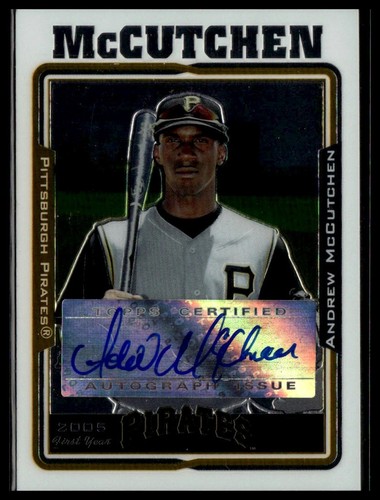 |
Andrew McCutchen [Autograph] #UH234 2005 Topps Chrome Updates & Highlights |
$132.00 | $349.99 | 0% |
 |
Ty Cobb #14 1961 Fleer |
$21.46 | $3,909 | 0% |
Look up any card's current raw and graded value in Midpoint — and get an estimated grade before you pay to submit.
1. Baseball Card Market Overview October 2026: Price Declines Across the Board
As of 2026-10-18, the baseball card market is experiencing a notable 30-day price decline. Both raw and PSA 10 graded cards show drops, especially in base and mid-tier modern rookie cards. For example, raw 2026 Bowman Chrome rookie cards of players like Luis Torres have reportedly dropped over 20% in value, reflecting increased supply and diminished playoff excitement.
These declines are consistent with typical post-playoff market corrections where demand cools. Even established star cards like Juan Soto’s 2026 base cards have seen declines, with raw versions reportedly falling around 12%, while PSA 10 graded versions dropped closer to 8%, indicating graded cards may retain value somewhat better.
This market cooling affects many segments but appears particularly pronounced in newly released modern sets due to high print runs and reprints increasing supply.
2. Postseason Hype Fading: Why Baseball Card Prices Are Dropping October 2026
Following the excitement of the 2026 playoffs, demand for rookie cards that spiked based on short-term performance has decreased. Cards of breakout rookies who had standout playoff moments experienced temporary price surges but saw reversals once the postseason ended.
The hype-driven spikes for players like Carter Bragg, who reportedly saw a 15% price bump during October, have retracted as collectors reassess long-term value. This fading enthusiasm is a common phase in the market cycle that impacts especially raw and mid-tier graded cards.
3. Oversupply from New 2026 Releases: Impact of Bowman Chrome and Modern Sets
One of the contributors to falling baseball card prices is the oversupply from 2026 releases, particularly Bowman Chrome and other popular modern sets. Bowman Chrome’s high print volume and multiple reprints have increased market supply, making it challenging for individual cards to hold value.
Collectors face competition among similar rookie cards, causing prices to drop as supply exceeds demand. This is especially true for raw base cards and lower-grade parallels, which have reportedly seen declines of 15-25% in October 2026.
4. Baseball Cards Losing Value Fastest: Raw, Base, and Mid-Tier Modern Rookies
Data from Midpoint suggests that raw cards, especially base cards from recent 2026 releases, are losing the most value. Mid-tier rookies—those not yet breakout stars but heavily produced—are among the weaker performers. For instance, raw 2026 Bowman Chrome rookies like Alex Hernandez reportedly dropped nearly 22% in market price over the past month.
Base cards without grading premiums tend to be more vulnerable, as collectors seek higher-grade or more scarce options. The liquidity of these cards may also be lower, making them harder to sell without further price concessions.
5. Which Baseball Cards Are More Resilient to Price Drops?
PSA 10 graded cards, high-end graded vintage cards, breakout rookies, and established stars appear to show better resilience. The premium that PSA 10 cards command can help buffer price declines. For example, Juan Soto’s 2026 PSA 10 cards reportedly fell about 8%, compared to raw versions dropping more significantly.
Vintage cards with low population counts remain sought-after assets, maintaining steadier prices even during market dips. Collectors often turn to these cards for potentially safer long-term holds.
6. Raw Versus Graded Pricing: Understanding PSA 10 Premiums and Population Impact
Midpoint’s grading estimates highlight the price differences between raw and PSA 10 graded cards. PSA 10 versions typically command a premium of 30-50%, depending on the player and card rarity. This premium can help maintain value when raw prices slide.
Population counts also impact liquidity and pricing. Cards with low PSA 10 populations, such as rare parallels or limited inserts, tend to resist price drops better. Collectors should consider population data when deciding to buy or grade cards during October 2026 dips.
7. Examples of Recent October 2026 Sales: Player, Set, Parallel, Rarity, and Grade
Recent sales data illustrate market trends: Luis Torres 2026 Bowman Chrome base rookie raw cards reportedly declined over 20%, while his PSA 10 parallel versions dropped about 10%. Carter Bragg’s mid-tier rookie cards showed a 15% fall post-playoffs, with parallel versions falling less sharply.
Established stars like Juan Soto and vintage cards have seen more modest declines, often less than 10%, showcasing their relative strength. These data points can help collectors target more stable investments during price dips.
8. How Playoff Performance Drives Short-Term Rookie Card Spikes and Reversals
Playoff success can create rapid, short-lived spikes in rookie card prices. Players with breakout moments during October 2026 playoffs saw temporary price surges that often reversed once the postseason ended. This pattern is common and highlights the risks of chasing hype-driven spikes.
Collectors should be cautious buying cards based solely on playoff performance and consider long-term fundamentals and grading quality.
9. Are October Declines Temporary or a Longer-Term Bearish Trend?
While October 2026 price drops reflect a typical post-playoff correction, oversupply and market saturation suggest some pressure may extend into the near term. However, high-quality graded cards and vintage assets are generally expected to remain relatively stable.
Market watchers should monitor supply-demand dynamics and grading trends to identify the right time to buy, sell, or hold.
10. Practical Strategies: Buying, Selling, Holding, and Grading During the October 2026 Dip
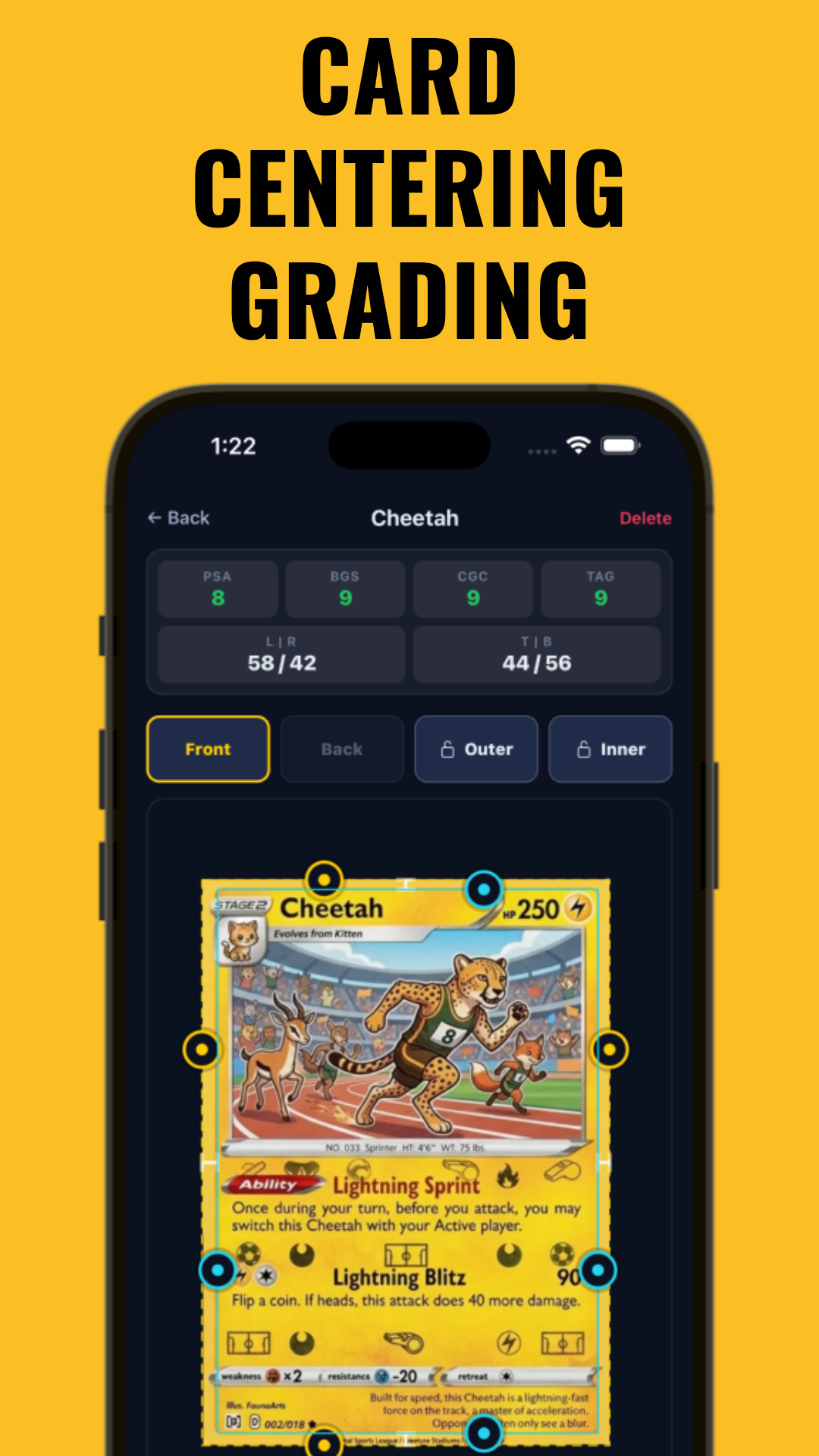
Collectors can consider leveraging the dip by buying breakout rookies at reduced prices and grading well-centered raw cards to capture PSA 10 premiums. Tools like Midpoint offer AI-driven centering measurements and instant grading estimates, helping to avoid costly grading surprises.
Consider holding established stars and vintage cards through the dip, while being cautious selling raw base cards that are losing value rapidly. Using Midpoint’s portfolio tracking also helps monitor your collection’s value over time and make informed decisions.
Conclusion
Baseball card prices dropping in October 2026 reflect a market correction influenced by fading playoff hype and oversupply, especially from Bowman Chrome and modern sets. Raw base and mid-tier rookie cards have fallen more sharply, while PSA 10 graded cards, breakout rookies, and vintage assets appear more resilient.
Collectors can consider using this dip strategically by focusing on grading well-centered raw cards with tools like Midpoint and buying breakout rookies at lower prices. Understanding population counts, grading premiums, and market dynamics can help navigate this period more confidently. For detailed grading insights and portfolio tracking, explore Midpoint and its AI grading tools.
FAQ
Q: Why are baseball card prices dropping in October 2026?
A: Prices are dropping due to a combination of post-playoff hype fading, increased supply from new 2026 releases (especially Bowman Chrome), and typical market corrections following seasonal peaks.
Q: Which baseball cards are losing the most value right now?
A: Raw base cards and mid-tier modern rookies from 2026 sets like Bowman Chrome appear to be losing the most value, with declines exceeding 20% in some cases.
Q: Are baseball card prices expected to keep falling after October 2026?
A: While some short-term pressure may continue due to oversupply, high-end graded cards and vintage cards are generally expected to hold value better, suggesting no confirmed prolonged bearish trend for quality assets.
Q: Is it better to buy raw or PSA-graded baseball cards during a market dip?
A: Buying well-centered raw cards and grading them can unlock PSA 10 premiums. Using AI tools like Midpoint to pre-grade cards can help make more informed grading and buying decisions during dips.
Q: Which baseball cards hold their value best when prices are falling?
A: PSA 10 graded cards, breakout rookies, established stars, and low-population vintage cards tend to hold value better during price drops.
Q: Should I buy the dip in baseball cards after the 2026 playoffs?
A: Buying the dip can be a viable strategy if you focus on quality cards, use grading tools to assess centering and condition, and avoid hype-driven speculation on short-term playoff performers.
Free to start
Try the Midpoint app
Grade any card from a photo, see its raw and PSA 10 value, and track what your collection is worth — free.
Get it on iPhoneGet it on Android