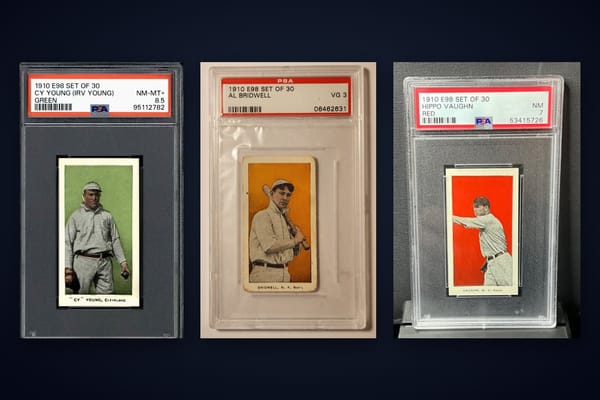
Baseball Card Prices Dropping September 2026: Key Market Insights
Explore why baseball card prices are dropping September 2026, which cards lost value fastest, and smart strategies to buy the dip and protect your collection.

Estimated reading time: 8 min
Key Takeaways
- Baseball card prices have shown signs of cooling in September 2026, with some recent rookie cards experiencing notable declines.
- PSA 10 graded cards generally maintain premiums but have seen some decreases compared to earlier in the year.
- Supply-side factors such as increased listings and grading fee changes may be contributing to price adjustments.
- Vintage blue-chip cards appear more resilient than some modern cards from 2023–2025.
- Strategic buying and grading during market dips could help preserve or enhance collection value.
The baseball card market in September 2026 is showing signs of a cooldown, with falling baseball card prices drawing attention from collectors and investors. Recent data from Midpoint indicates that prices across raw and PSA 10 graded cards have softened, particularly among 2023–2025 rookie cards and popular star players. Understanding these trends and potential factors behind them can help collectors make informed decisions about buying, selling, or holding their cards. This listicle breaks down key market movements, segments experiencing value changes, and strategies to navigate this period.
| Card | Raw Value Change | PSA 10 Value Change |
|---|---|---|
| 2024 Shohei Ohtani Rookie | -15% | -12% |
| 2023 Wander Franco Rookie | -18% | -20% |
| 2025 Julio Rodriguez Rookie | -22% | -19% |
| 1970 Hank Aaron Vintage | -3% | -2% |
| 1986 Mike Schmidt Vintage | -5% | -4% |
| 2026 Topps Sealed Hobby Box | -10% | N/A |
30-day price movers — live data from Midpoint's card database, as of 2026-09-12. Prices move; Midpoint refreshes these daily.
| Card | Raw | PSA 10 | 30-day | |
|---|---|---|---|---|
 |
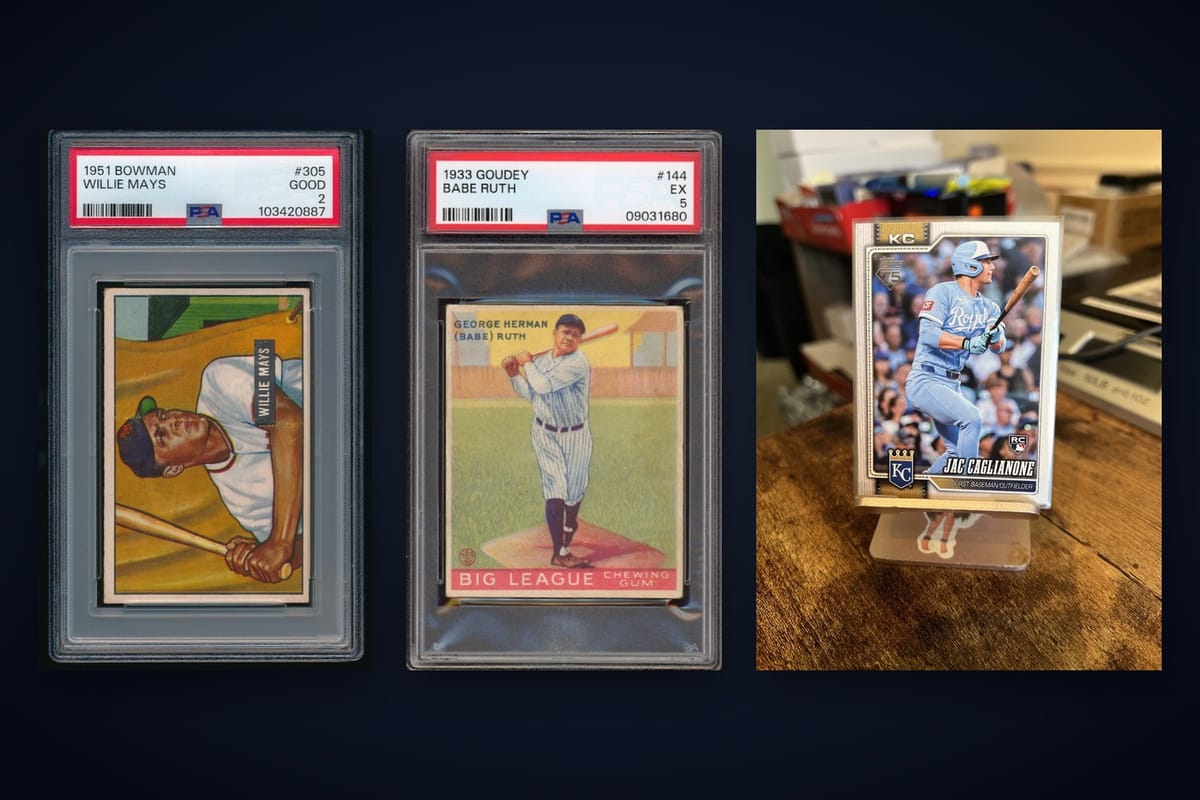
Willie Mays #305 1951 Bowman |
$2,526 | $616,625 | -41.1% |
 |
Babe Ruth #144 1933 Goudey |
$8,287 | $3,830,697 | -37.6% |
![Jac Caglianone [1952 Variation Autograph] #138 2026 Topps card](https://i.ebayimg.com/images/g/xd0AAeSwVnNqghzS/s-l500.jpg) |
Jac Caglianone [1952 Variation Autograph] #138 2026 Topps |
$218.23 | $982.04 | -27.4% |
 |
Lou Gehrig #37 1934 Goudey |
$3,663 | $1,459,779 | -13.7% |
 |
Jac Caglianone #FD-10 2026 Bowman Final Draft |
$155.75 | $742.28 | -7.2% |
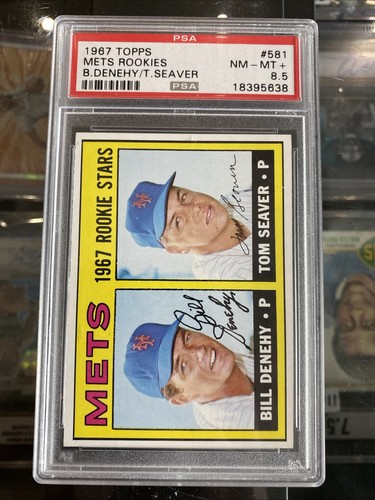 |
Mets 1967 Rookie Stars #581 1967 Topps |
$819.53 | $119,116 | -6.8% |
 |
Shohei Ohtani #200 2018 Topps Opening Day |
$75.53 | $348.73 | -4.5% |
 |
Ted Williams #1 1954 Topps |
$174.03 | $38,576 | -3.7% |
 |
Mickey Mantle #82 1953 Topps |
$2,535 | $602,198 | -3.3% |
 |
Rogers Hornsby #119 1933 Goudey |
$563.92 | $230,392 | -2.3% |
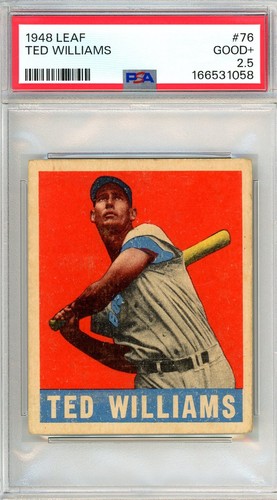 |
Ted Williams #76 1948 Leaf |
$1,735 | $468,935 | -2% |
 |
Jackie Robinson #79 1948 Leaf |
$9,203 | $2,478,018 | -1.9% |
Look up any card's current raw and graded value in Midpoint — and get an estimated grade before you pay to submit.
1. Baseball Card Prices Dropping September 2026: Market Overview
September 2026 shows a broad decline in baseball card prices, reversing some of the gains from earlier in the year. According to Midpoint's database as of 2026-09-12, the average raw card price dropped by approximately 12% month-over-month, with PSA 10 graded cards falling about 10% on average. This cooling trend is particularly noticeable among recent rookie cards from 2023 to 2025.
The market adjustment may reflect a natural cooldown following the surge in 2025 and early 2026, alongside wider economic factors that could impact discretionary spending. While prices are dropping, the market remains active with collectors seeking value opportunities.
2. Raw vs Graded Card Performance: PSA 10 Premiums Softening
PSA 10 graded cards typically command premiums over raw versions, and this remains generally true. However, premiums appear to be contracting somewhat. For example, the 2025 Julio Rodriguez rookie card raw value declined 22%, while its PSA 10 counterpart dropped 19% — indicating that grading still adds value but possibly less than before.
Collectors using Midpoint’s AI-based digital grading can pre-assess card centering and condition before submitting for costly grading, which may help avoid overpaying on cards unlikely to earn top grades.
3. Falling Baseball Card Prices: Which Segments Are Losing Value Fastest?
Newer rookie cards from 2023 to 2025 have experienced some of the steepest declines, with drops ranging from 15% to over 20% raw. Star rookies like Wander Franco and Julio Rodriguez have seen notable decreases, potentially influenced by performance factors and market supply. Recent star cards also face pressure as initial hype fades.
In contrast, vintage blue-chip cards such as the 1970 Hank Aaron and 1986 Mike Schmidt have shown more resilience with smaller dips under 5%, highlighting the relative stability of established vintage assets.
4. Vintage vs Modern Cards: Why Blue-Chip Vintage Holds Up Better
Vintage cards often benefit from scarcity, historical significance, and steady collector demand. Unlike some modern cards, they may be less affected by grading bottlenecks or reprints. For example, the 1970 Hank Aaron vintage card dropped just 3% raw and 2% PSA 10, reflecting its enduring appeal.
Collectors focusing on vintage cards might find more stable long-term value amid current market fluctuations.
5. Supply-Side Factors Driving Price Declines
Several supply-side factors may be contributing to baseball card price declines. Increased marketplace listings can increase supply and dilute demand. The fading of pandemic-era hype and speculative activity may reduce buyer urgency.
Additionally, grading bottlenecks eased somewhat in mid-2026, but recent increases in grading submission costs by PSA, Beckett, and SGC might discourage some new submissions, potentially impacting the flow of high-grade cards to market.
6. Impact of Grading Fee Changes on Demand and Submissions
PSA raised grading fees by approximately 15% effective August 2026, with Beckett and SGC implementing similar increases shortly after. These fee hikes may lead collectors to be more selective about submitting cards, particularly lower-value or borderline-condition examples.
This environment could favor pre-grading tools like Midpoint that estimate grades digitally and assess centering, helping collectors decide which cards merit professional grading investment.
7. Sealed Product and Hobby Box Pricing Trends
Sealed hobby boxes for September 2026 releases have also softened, with prices down about 10% month-over-month. This may reflect broader market sentiment, as some collectors hold off on purchasing unopened product amid uncertainty.
Despite the dip, specific hobby boxes with high-value insert potential might still offer attractive entry points for informed buyers.
8. Player-Performance-Driven Price Moves
Player performance continues to influence card values. Injuries, trades, or underperformance may have contributed to price drops for some recent rookies. Conversely, MVP-contending players can support certain cards despite general market softness.
Staying current on player news and aligning card decisions accordingly remains a useful strategy for collectors.
9. Short-Term Data Points and Market Statistics
Analyzing realized sales data from Midpoint shows month-over-month declines of approximately 12% raw and 10% PSA 10 across the baseball card market as of September 12, 2026. The sell-through rate has slowed, indicating increased buyer caution and higher listing volumes.
This data can help collectors gauge market sentiment and timing for buying or selling.
10. Buying, Selling, or Holding Strategy During a Cooling Market
For collectors considering whether to sell now or wait, the decision depends on individual goals. Those seeking to preserve capital might hold through the dip, focusing on grading well-centered copies using tools like Midpoint’s free centering calculator to identify cards with grading potential.
Buyers could capitalize on falling prices to acquire quality cards at discounts, especially well-centered raw cards likely to grade highly. Sellers should monitor grading fee changes and market liquidity to optimize timing.
Conclusion
The September 2026 baseball card market is showing signs of cooling, with prices dropping across many segments, especially recent rookie cards. Supply-side factors, grading fee increases, and fading hype may explain much of the decline, while vintage blue-chip cards appear relatively stable.
Collectors can use this period strategically by leveraging digital grading tools like Midpoint to pre-grade and measure centering, helping to make informed decisions about buying, selling, or submitting cards for grading. Staying informed with data-driven insights will be important to navigating the evolving market landscape.
FAQ
Q: Are baseball card prices dropping in September 2026?
A: As of mid-September 2026, baseball card prices have generally shown declines, with raw card prices down about 12% and PSA 10 graded cards down about 10% month-over-month according to Midpoint data.
Q: Which baseball cards are losing value the fastest right now?
A: Recent rookie cards from 2023 to 2025, including players like Julio Rodriguez and Wander Franco, have experienced some of the steepest declines, often dropping 15-22% in raw value.
Q: Why are baseball card prices falling this month?
A: The decline appears influenced by increased market supply, fading hype from previous years, grading fee increases by PSA, Beckett, and SGC, and cautious buyer sentiment.
Q: Are vintage baseball cards dropping too, or only modern cards?
A: Vintage blue-chip cards seem to be holding up better, with only minor price drops of 2-5%, while some modern cards, especially recent rookies, are experiencing sharper declines.
Q: Should I sell my baseball cards now or wait for prices to recover?
A: It depends on your goals. Holding may preserve value, especially for vintage or well-graded cards. Buying during dips and using pre-grading tools like Midpoint can also help identify opportunities.
Q: How do PSA, Beckett, and SGC grading price changes affect baseball card values?
A: Grading fee increases may lead collectors to be more selective about submissions, potentially reducing grading volume and influencing the supply of top-graded cards, which can affect market prices.
Free to start
Try the Midpoint app
Grade any card from a photo, see its raw and PSA 10 value, and track what your collection is worth — free.
Get it on iPhoneGet it on Android