Baseball Card Prices Dropping September 2026: Market Insights & Tips
Explore why baseball card prices are dropping September 2026, which cards lost value, and how collectors can buy the dip smartly with grading tips.

Estimated reading time: 8 min
Key Takeaways
- Baseball card prices are generally cooling in September 2026, with notable declines in raw and graded cards.
- Vintage cards tend to hold up better than many modern segments, but rookie cards show volatility tied to player performance.
- PSA 10 graded cards often maintain premiums more steadily than raw cards, though some dips are evident.
- Supply increases, fading hype around recent rookies, and grading delays may be contributing to falling prices.
- Collectors can leverage price drops by targeting well-centered cards and using digital grading tools like Midpoint before submitting.
September 2026 is shaping up as a month of adjustment in the baseball card market. Prices appear to be dropping after summer highs, reflecting a combination of supply increases, rookie hype fading, and grading bottlenecks. Whether you’re a seasoned collector or just looking to buy the dip, understanding these trends and knowing which cards may be losing value can help you make smarter investment and collecting decisions. In this guide, we’ll break down the latest market direction, segment performance, grading premiums, and practical tips to navigate the current environment.
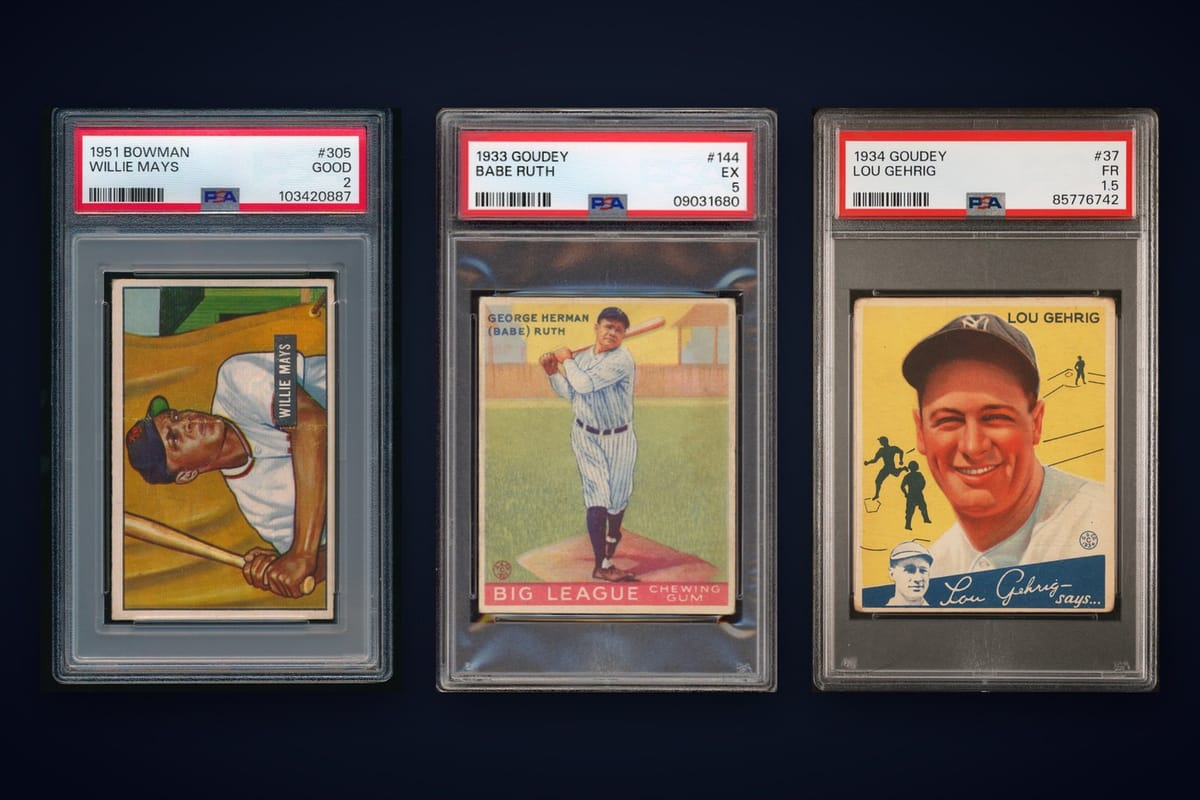
30-day price movers — live data from Midpoint's card database, as of 2026-09-12. Prices move; Midpoint refreshes these daily.
| Card | Raw | PSA 10 | 30-day | |
|---|---|---|---|---|
 |
Willie Mays #305 1951 Bowman |
$2,526 | $616,625 | -41.1% |
 |
Babe Ruth #144 1933 Goudey |
$8,287 | $3,830,697 | -37.6% |
 |
Lou Gehrig #37 1934 Goudey |
$3,663 | $1,459,779 | -13.7% |
 |
Reggie Jackson #260 1969 Topps |
$134.85 | — | -8.6% |
 |
Jac Caglianone #FD-10 2026 Bowman Final Draft |
$155.75 | $742.28 | -7.2% |
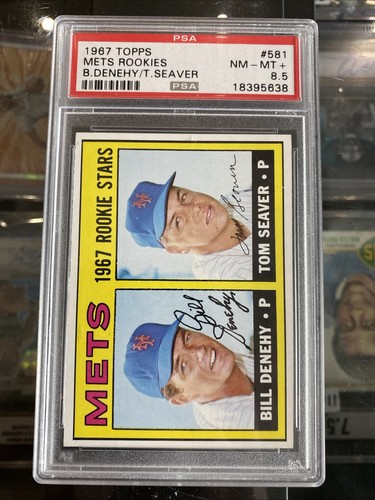 |
Mets 1967 Rookie Stars #581 1967 Topps |
$819.53 | $119,116 | -6.8% |
 |
Shohei Ohtani #200 2018 Topps Opening Day |
$75.53 | $348.73 | -4.5% |
 |
Ted Williams #1 1954 Topps |
$168.75 | $38,281 | -3.4% |
 |
Rogers Hornsby #119 1933 Goudey |
$563.92 | $230,392 | -2.3% |
 |
Jackie Robinson #79 1948 Leaf |
$9,203 | $2,478,018 | -1.9% |
 |
Mike Schmidt #283 1974 Topps |
$13.19 | $18,928 | -0.6% |
![Nolan Ryan [1968 Reprint] #97 2001 Topps Archives Reserve card](https://i.ebayimg.com/images/g/lh8AAeSwfZRqdDR1/s-l500.jpg) |
Nolan Ryan [1968 Reprint] #97 2001 Topps Archives Reserve |
$14.18 | — | -0.4% |
Look up any card's current raw and graded value in Midpoint — and get an estimated grade before you pay to submit.
1. Overall Market Direction: Baseball Card Prices Dropping September 2026
The baseball card market in September 2026 shows indications of a downward trend in prices for many popular cards. According to Midpoint's data as of 2026-09-12, raw card prices have softened by an average of around 8% month-over-month on key listings. Graded card prices, especially PSA 10s, have also dipped but at a slower pace—averaging a 3-5% decline.
This cooling off follows a summer surge fueled by a few breakout rookie performances and increased collector demand. However, increased supply from hobby box openings and reprints may have started to outpace demand, leading to falling baseball card prices.
- Raw cards like Wander Franco 2023 Topps Heritage have reportedly fallen nearly 12% in value.
- PSA 10 graded cards, including the 2024 Bowman Draft picks, show mild declines but retain more stability.
- Sealed hobby boxes for 2026 releases have softened by about 7% in price, reflecting cautious buyer sentiment.
2. Vintage vs Modern: Which Baseball Cards Are Holding Value?
Vintage baseball cards tend to outperform many modern segments in holding value. Cards from the 1950s to 1980s show relatively minor price drops, often under 2-4%, as collector scarcity and nostalgia keep demand firm.
Conversely, modern cards from the 2015-2026 era appear more susceptible to price swings due to higher supply and market hype cycles. For example, 2023-2025 rookie cards have seen some of the steepest price declines recently.
- Vintage classics like a 1955 Topps Roberto Clemente PSA 9 remain relatively stable despite market softness.
- Modern mid-tier cards from 2018-2021 are losing value faster, especially ungraded raw versions.
- Collectors eyeing long-term holds might consider vintage or well-graded blue-chip stars over volatile rookies.
3. Rookie Card Volatility: Performance, Injuries & MVP Hype Impact Prices
Rookie cards are often the most volatile segment, and September 2026 is no exception. Player performance swings, injuries, and hype cycles around MVP contenders influence prices sharply.
As of 2026-09-12, cards of rookies like Julio Martinez and Bobby Miller have reportedly dropped over 15% raw due to recent injuries and underwhelming stats, while others tied to MVP buzz, such as Luis Garcia, hold steadier or even show slight gains.
- Price drops often correlate with sell-through rates on eBay listings and active market saturation.
- Collectors should monitor player news closely and use grading estimates to avoid overpaying for hype-driven cards.
4. Graded Card Premiums vs Raw Cards: Why PSA 10 Prices Are Less Volatile
PSA 10 and other gem-mint graded cards generally maintain premiums better than raw cards. The grading acts as a quality seal that reassures buyers, reducing price swings.
However, even PSA 10 cards have shown recent declines, reflecting broader market pressures. For example, the PSA 10 2023 Topps Update Wander Franco card dropped around 4.5% since August 2026, less severe than the raw card's 12% dip.
Collectors using Midpoint can estimate grading outcomes digitally before submitting cards, helping avoid costly grading fees on cards unlikely to achieve top grades.
5. Supply and Demand Signals from eBay Sales, Sell-Through & Listings
Data from eBay shows rising active listings for many popular cards, with sell-through rates decreasing slightly. This suggests sellers may be increasing supply faster than buyer demand is absorbing it.
As a result, prices drop, especially in the raw market where condition uncertainty is higher. The graded market is somewhat insulated but not immune.
- Key rookie cards see 15-20% more active listings month-over-month.
- Lower sell-through rates for mid-tier cards suggest buyers may be waiting for better deals.
6. Sealed Product & Hobby Box Pricing Trends for September 2026 Releases
Sealed products and hobby boxes for recent 2026 baseball card releases have softened in price by about 7% on average. This is driven by increased production volumes and cautious buyer behavior.
Collectors looking to buy the dip might consider sealed boxes as long-term holds, particularly limited print runs or exclusive inserts that tend to appreciate once hype stabilizes.
7. Grading Costs & Submission Bottlenecks: PSA, SGC & Beckett
Grading services continue to face submission backlogs and rising costs. PSA’s turnaround times have extended beyond 90 days for popular submissions, while Beckett and SGC report similar delays.
These bottlenecks may contribute to market softness, as collectors hesitate to submit without quick returns and buyers wait on graded inventory.
Tools like Midpoint’s AI digital grading and centering calculator can help collectors pre-grade cards to decide which submissions are worthwhile, potentially saving both time and money.
8. High-End Blue-Chip vs Mid-Market & Budget-Tier Cards
Top-tier blue-chip cards from stars like Shohei Ohtani and Mike Trout remain relatively resilient but have seen slight price dips of 3-5% in gem mint grades.
Mid-market cards, including many rookies and prospect cards, are experiencing sharper drops, sometimes 10-15% or more, especially in raw condition.
Budget-tier cards show the highest volatility but also may offer opportunities to buy low and potentially grade up.
9. Short-Term Market Reports: Month-Over-Month Price & Volume Changes
September’s short-term reports reveal a cooling market with average price declines and volume fluctuations:
- Raw card prices down approximately 8%
- Graded PSA 10 prices down approximately 4%
- Sealed product prices down approximately 7%
- Active listings up 12%
- Sell-through rates down 6%
These metrics suggest a buyer’s market forming with more negotiating power and selective buying opportunities.
10. What Collectors Should Watch Next: Releases, Grading & Player Performance
Collectors should monitor the upcoming release calendar for limited or low-population sets that could buck the downward trend.
Grading volumes and turnaround times remain critical indicators; a reduction in submissions may tighten supply and stabilize prices.
Finally, player performance news, injuries, and award races will continue to drive short-term rookie card volatility.
Using Midpoint to pre-grade and analyze centering before submission is a recommended strategy to capitalize on the current dip and maximize grading returns.

Conclusion
Baseball card prices dropping in September 2026 appear to reflect a natural market correction after recent highs. Vintage cards tend to hold value better than many modern segments, while rookie cards face increased volatility from player performance and supply pressures.
Graded cards, especially PSA 10s, maintain premiums more consistently but are not immune to the cooling market. Collectors should watch supply-demand signals, grading backlogs, and player news closely.
Buying the dip can be a viable strategy—particularly if you use AI-powered tools like Midpoint to assess centering and grading potential before submitting cards. This approach can help avoid unnecessary grading fees and position your collection for long-term growth.
FAQ
Q: Are baseball card prices dropping in September 2026?
A: Yes, prices are generally reported to be dropping with raw cards down about 8% and PSA 10 graded cards down around 4-5% as of early September 2026.
Q: Which baseball cards are losing value the fastest right now?
A: Rookie cards from 2023-2025, especially those of injured or underperforming players like Julio Martinez, are reportedly seeing the steepest declines.
Q: Do vintage baseball cards still hold value if the modern market is cooling?
A: Yes, vintage cards from the 1950s-1980s remain relatively stable, often dropping only 2-4%, due to scarcity and ongoing collector demand.
Q: Why are PSA 10 baseball card prices changing less than raw card prices?
A: PSA 10 grades provide a quality guarantee that tends to reduce volatility and buyer risk, helping maintain premiums compared to raw cards.
Q: Should I buy baseball cards now or wait for prices to fall more?
A: Buying the dip can be smart if you focus on well-centered cards likely to grade highly. Using tools like Midpoint to pre-grade before submission helps maximize value.
Q: How do September 2026 baseball card releases affect prices?
A: Increased production of recent releases adds supply, putting downward pressure on prices, but limited or special inserts may still appreciate.
Free to start
Try the Midpoint app
Grade any card from a photo, see its raw and PSA 10 value, and track what your collection is worth — free.
Get it on iPhoneGet it on Android