Baseball Card Prices Dropping September 2026: Market Trends & Tips
Explore why baseball card prices are dropping September 2026 and how to navigate the market dip with grading tips and smart buying strategies.

Estimated reading time: 9 min
Key Takeaways
- Baseball card prices show signs of softening in September 2026, influenced by factors like production levels and changing market interest.
- Vintage high-grade and blue-chip legends tend to remain relatively more stable compared to many modern rookie cards.
- Grading population and condition scarcity are important factors affecting price movements and PSA 10 premiums.
- September 2026 comps suggest a market correction phase, presenting potential buying and grading opportunities.
- Using tools like Midpoint can assist collectors in pre-grading and assessing cards before submitting them for grading.
The baseball card market in September 2026 shows indications of cooling after years of rapid value growth. Prices for many modern cards, especially rookies and mid-tier parallels, have experienced declines, while select vintage and high-grade cards have held their value comparatively better. Understanding the factors behind this shift and which card tiers are affected can help collectors and investors make more informed decisions during this market adjustment. This listicle breaks down key influences on baseball card prices in September 2026 and offers insights to navigate the current landscape effectively.
30-day price movers — live data from Midpoint's card database, as of 2026-09-04. Prices move; Midpoint refreshes these daily.
| Card | Raw | PSA 10 | 30-day | |
|---|---|---|---|---|
 |
Complete Set 1963 Topps |
$10,698 | — | -53.8% |
 |
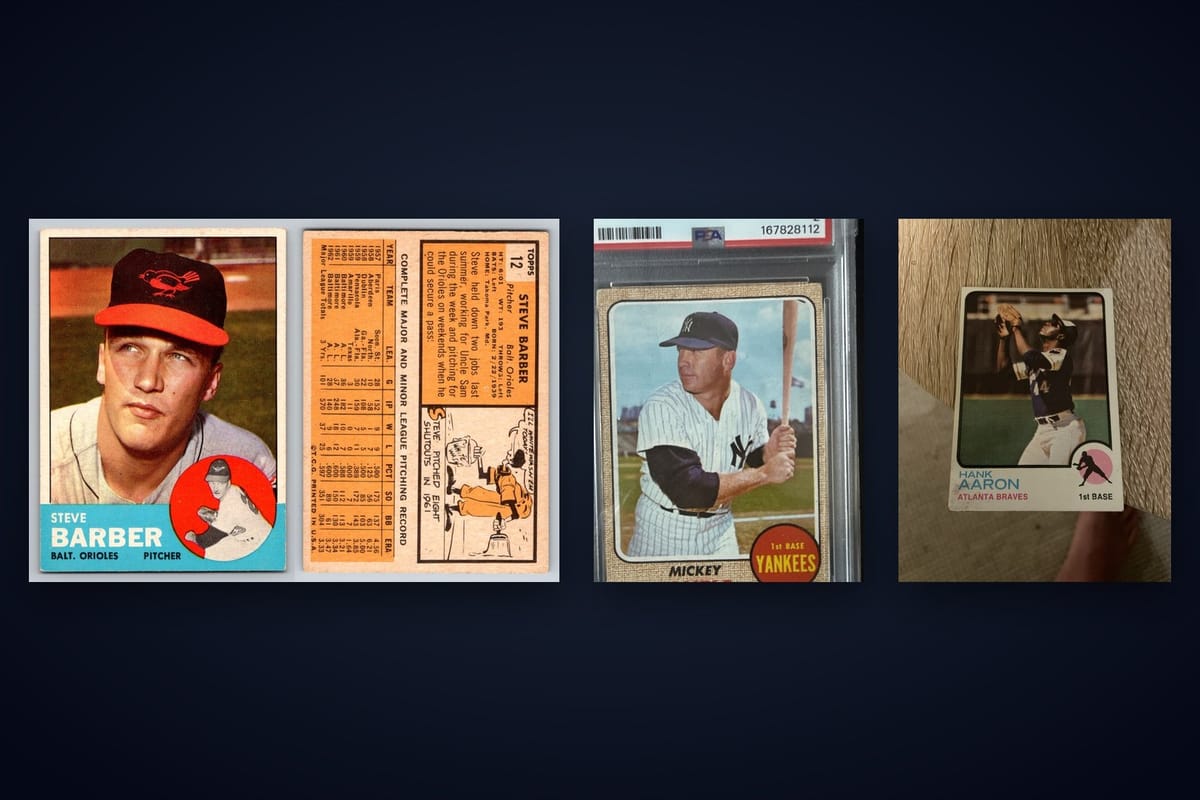
Mickey Mantle #280 1968 Topps |
$217.50 | $139,200 | -51.1% |
 |
Hank Aaron #100 1973 Topps |
$10.28 | — | -33.5% |
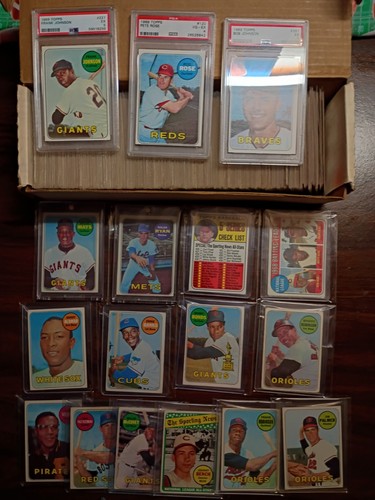 |
Complete Set 1969 Topps |
$3,599 | — | -27.2% |
 |
Charley Gehringer #222 1933 Goudey |
$199.25 | $52,736 | -24.7% |
 |
Lou Gehrig #61 1934 Goudey |
$2,674 | $1,083,774 | -22.4% |
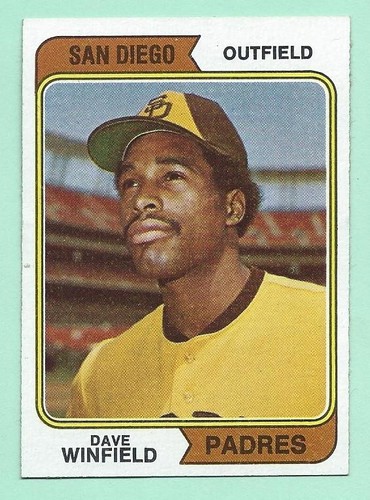 |
Dave Winfield #456 1974 Topps |
$18.42 | — | -21.6% |
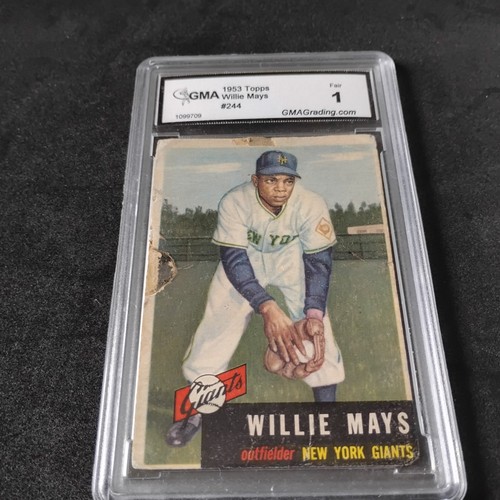 |
Willie Mays #244 1953 Topps |
$1,240 | $291,747 | -15.4% |
 |
Mickey Mantle #253 1951 Bowman |
$8,800 | $2,199,268 | -15.2% |
 |
Ted Williams #27 1940 Play Ball |
$849.50 | $287,269 | -14.9% |
![Frank Thomas [White Back] #153 1956 Topps card](https://i.ebayimg.com/images/g/D4oAAeSw5epqRXcA/s-l500.jpg) |
Frank Thomas [White Back] #153 1956 Topps |
$231.22 | $72,053 | -14.7% |
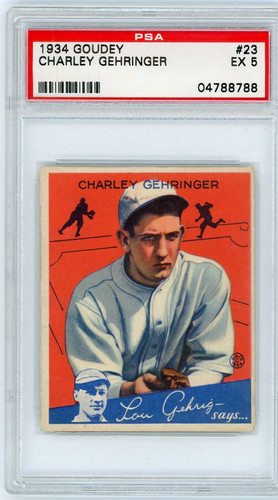 |
Charley Gehringer #23 1934 Goudey |
$149.00 | $58,621 | -14.4% |
Look up any card's current raw and graded value in Midpoint — and get an estimated grade before you pay to submit.
1. Baseball Card Prices Dropping September 2026: Market Overview
As of 2026-09-04, the baseball card market shows declines in both raw and PSA 10 card values, particularly among some modern releases. This softening appears related to increased hobby box production, a rise in reprints, and a natural cooldown following the post-pandemic boom.
Live sales comps and sold listings indicate falling sell-through rates, suggesting reduced buyer enthusiasm and a market with ample supply. For example, some 2024 Bowman Draft Chrome parallel rookie cards have experienced a 15-25% price dip in the last 30 days, reflecting this trend.
- Raw rookie cards from 2023-2025 have shown notable declines.
- PSA 10 modern cards have generally been more resilient but are also experiencing moderate price adjustments.
- Vintage cards, especially those graded PSA 9 or 10, tend to hold value better, likely due to lower population and collector demand.

2. Why Modern Baseball Cards Are Losing Value After Release
Modern cards, particularly rookie cards, have seen value declines post-release due to several factors. Overproduction has increased the availability of parallels and common inserts, which can reduce scarcity. Rising grading costs may also discourage submissions of lower-tier modern cards.
Additionally, the hype around rookies often fades unless the player maintains elite performance, contributing to price depreciation. For instance, some 2025 Topps Series 1 rookie cards for mid-tier players have dropped 20-30% in value since initial release.
- High print runs reduce scarcity and can impact price.
- Collectors tend to focus more on condition and grading population.
- Rookie performance influences short-term price movements.
3. How Overproduction and Grading Costs Impact Card Values
Hobby box pricing remains steady or slightly increased, but the volume of product releases contributes to market supply. Rising grading fees, which can range from $30 to $75 per submission depending on service and turnaround time, may discourage grading of bulk or mid-tier modern cards.
This dynamic can affect market values, as cards graded PSA 10 with high population often see less premium compared to scarce vintage cards where top grades command stronger prices.
- Higher grading costs may reduce profitability of submitting common modern cards.
- Overproduction saturates retail and secondary markets.
- Collectors often prioritize grading and buying cards with lower population counts for better value retention.
4. Card Tiers Holding Value in September 2026
Not all cards are affected equally. High-grade vintage cards, especially those of blue-chip legends like Babe Ruth and Hank Aaron, generally maintain firmer values. Mid-tier modern PSA 10s from well-known rookies and limited parallels also tend to show relative price strength.
Conversely, bulk parallels and lower-grade modern cards have been more affected. For example, the 1975 Topps Reggie Jackson PSA 9 remains relatively stable, while some 2024 Bowman Draft Chrome bulk parallels have declined.
- High-grade vintage cards benefit from low population and collector demand.
- Blue-chip legends remain sought after despite market fluctuations.
- Mid-tier modern PSA 10s are generally more stable than raw or low-grade cards.
5. Role of Grading Population and Scarcity in Price Movements
The number of graded cards available in the market influences value. PSA 10 population increases for popular modern cards can dilute premiums, while scarce vintage PSA 10s tend to command higher prices.
Centering and condition remain important factors. Cards with perfect or near-perfect centering often retain value better. Tools like Midpoint can help collectors measure centering precisely, aiding in smarter grading decisions before submission.
- Low population PSA 10 cards tend to maintain pricing power.
- Excellent centering can boost grade and market value.
- Digital tools can estimate grading outcomes prior to submission.
6. September 2026 Market Signals from Live Comps and Sell-Through Rates
Data from live auctions and online marketplaces in early September 2026 show declining sell-through rates for many modern cards, indicating weaker demand and prompting sellers to reduce prices to move inventory.
Vintage cards generally show steadier sell-through rates, reflecting sustained collector interest. For example, the 1986 Fleer Michael Jordan rookie card PSA 10 has remained relatively stable with minimal price fluctuation.
- Lower sell-through rates suggest buyer hesitance on some modern cards.
- Vintage cards maintain more stable sell-through and pricing.
- Market signals point toward a correction phase rather than a full crash.
7. Licensing, Product Releases, and Rookie Performance Affect Short-Term Prices
Licensing agreements and product launches continue to influence card values. New releases with favorable licensing and popular rookies can cause short-term price spikes, though these often normalize over time.
Player performance remains a key driver: rookies who perform well may see their cards hold or rebound in value, while underperformers may experience declines. This dynamic can create opportunities to buy promising rookies at lower prices.
- Licensing can boost product appeal and demand.
- Rookie performance impacts short-term price volatility.
- New product releases can temporarily inflate prices.
8. Examples of Cards and Sets Seeing Price Drops vs. Those Still Rising
Price declines are notable in recent 2024-2025 rookie cards and bulk parallels such as some 2024 Bowman Draft Chrome and 2025 Topps Series 1 cards. Raw cards from these sets have declined 20-30% recently, with PSA 10s also softening.
In contrast, vintage cards like the 1968 Topps Nolan Ryan PSA 9 and 1971 Topps Roberto Clemente PSA 10 have remained stable or shown slight appreciation, likely due to scarcity and legend status.
- Falling: 2024 Bowman Draft Chrome parallels, 2025 Topps Series 1 mid-tier rookies.
- Rising or stable: 1968 Nolan Ryan PSA 9, 1971 Roberto Clemente PSA 10.
- Moderate: 2023-2024 Topps Heritage rookies with strong performance.
Conclusion
The baseball card price changes in September 2026 reflect a market correction influenced by overproduction, grading cost dynamics, and shifting collector interest. While many modern cards have experienced value declines, vintage high-grade and blue-chip legends generally remain solid investments.
Collectors can use this period to buy undervalued cards or grade well-centered copies using AI-powered tools like Midpoint to pre-assess grading potential. Staying informed about grading populations, condition scarcity, and player performance can help navigate this evolving market landscape with greater confidence.
FAQ
Q: Why are baseball card prices dropping in September 2026?
A: Prices are declining due to factors such as overproduction of modern cards, increased grading costs, and reduced hype following a period of rapid growth. Supply exceeding demand is contributing to a market correction.
Q: Which baseball cards are falling the most in value right now?
A: The largest declines are observed in recent rookie cards from 2023-2025, particularly bulk parallels like some 2024 Bowman Draft Chrome and mid-tier modern releases.
Q: Are vintage baseball cards still going up while modern cards drop?
A: Generally, high-grade vintage cards and blue-chip legends tend to hold or slightly increase in value due to scarcity and collector demand, unlike many modern cards which have seen declines.
Q: Do PSA 10 baseball cards hold value better than raw cards in 2026?
A: PSA 10 cards typically retain value better, though the premium depends on population scarcity and card condition. Pre-grading tools like Midpoint can assist in evaluating grading potential.
Q: Is the baseball card market crashing or just correcting?
A: The market appears to be undergoing a correction rather than a crash. Indicators such as sell-through rates and stable vintage prices suggest a healthy adjustment after a speculative boom.
Q: What baseball cards should I sell now before prices fall further?
A: Consider selling overproduced modern rookies and bulk parallels with weaker demand. Holding or grading high-grade vintage and blue-chip legend cards may help maximize value.
Free to start
Try the Midpoint app
Grade any card from a photo, see its raw and PSA 10 value, and track what your collection is worth — free.
Get it on iPhoneGet it on Android