Baseball Card Prices Rising August 2026: Top Trends to Watch
Explore which baseball cards are rising in value August 2026, including vintage surges, rookie spikes, and grading impacts for smart collecting.

Estimated reading time: 12 min
Key Takeaways
- Baseball card prices have shown notable increases in August 2026, influenced by vintage cards and blue-chip legends.
- Rookie cards from breakout seasons have experienced price spikes in both raw and PSA 10 grades.
- Grading quality, especially PSA 10 vs PSA 9, can significantly impact card values.
- Modern cards have seen steady inflation due to scarcity and product demand, while vintage cards remain a major market segment.
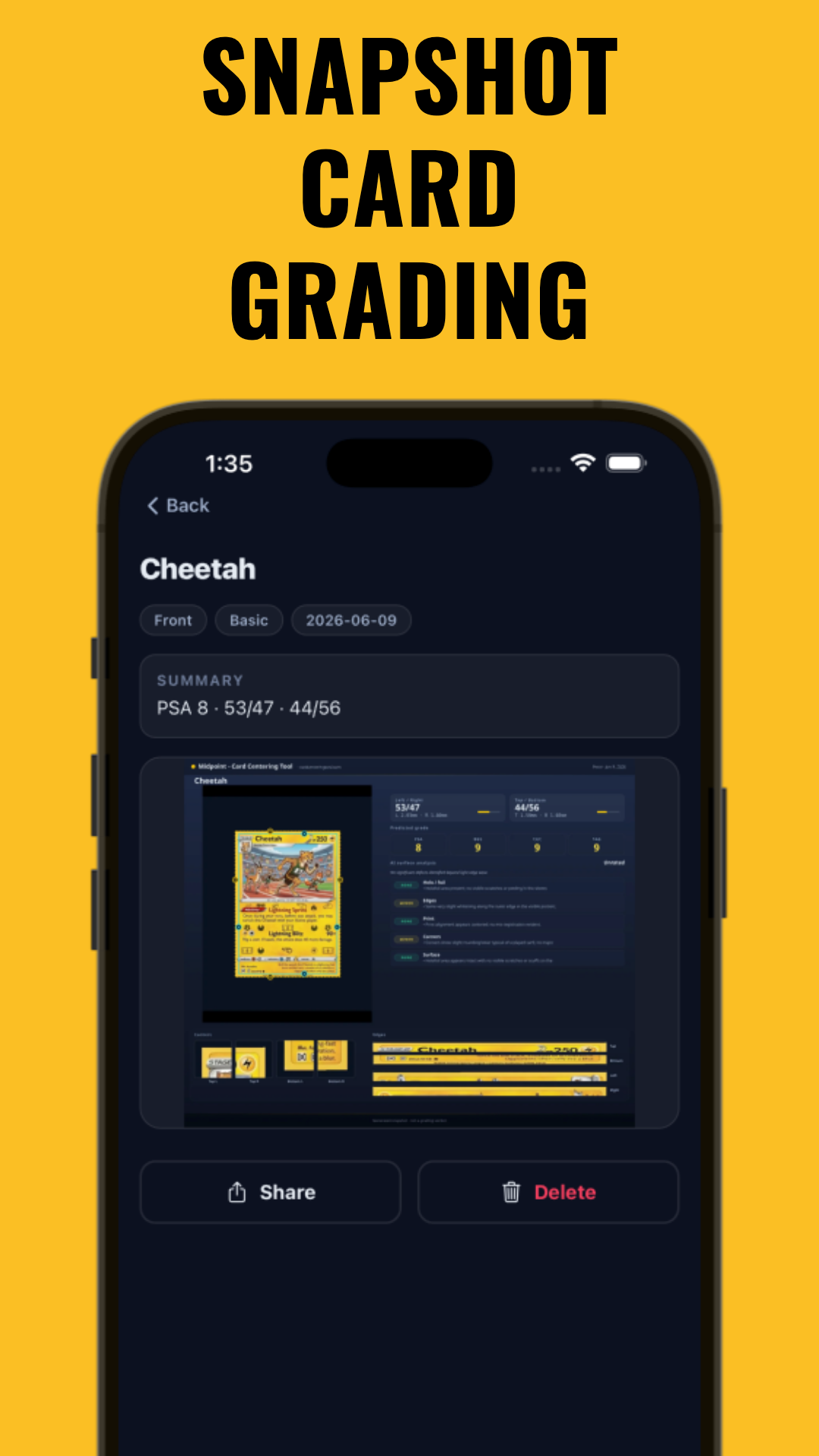
- Collectors may benefit from using tools like Midpoint to pre-grade and assess centering before investing in costly grading.
As of August 2026, the baseball card market continues to show dynamic activity with clear trends in value changes. Whether you’re a seasoned collector or new to the hobby, understanding which baseball cards are rising in value, how grading affects prices, and what to expect from auction records can support informed buying, selling, or holding decisions. This guide breaks down notable baseball card price movements in August 2026 and what they may mean for your collection.
30-day price movers — live data from Midpoint's card database, as of 2026-08-23. Prices move; Midpoint refreshes these daily.
| Card | Raw | PSA 10 | 30-day | |
|---|---|---|---|---|
 |
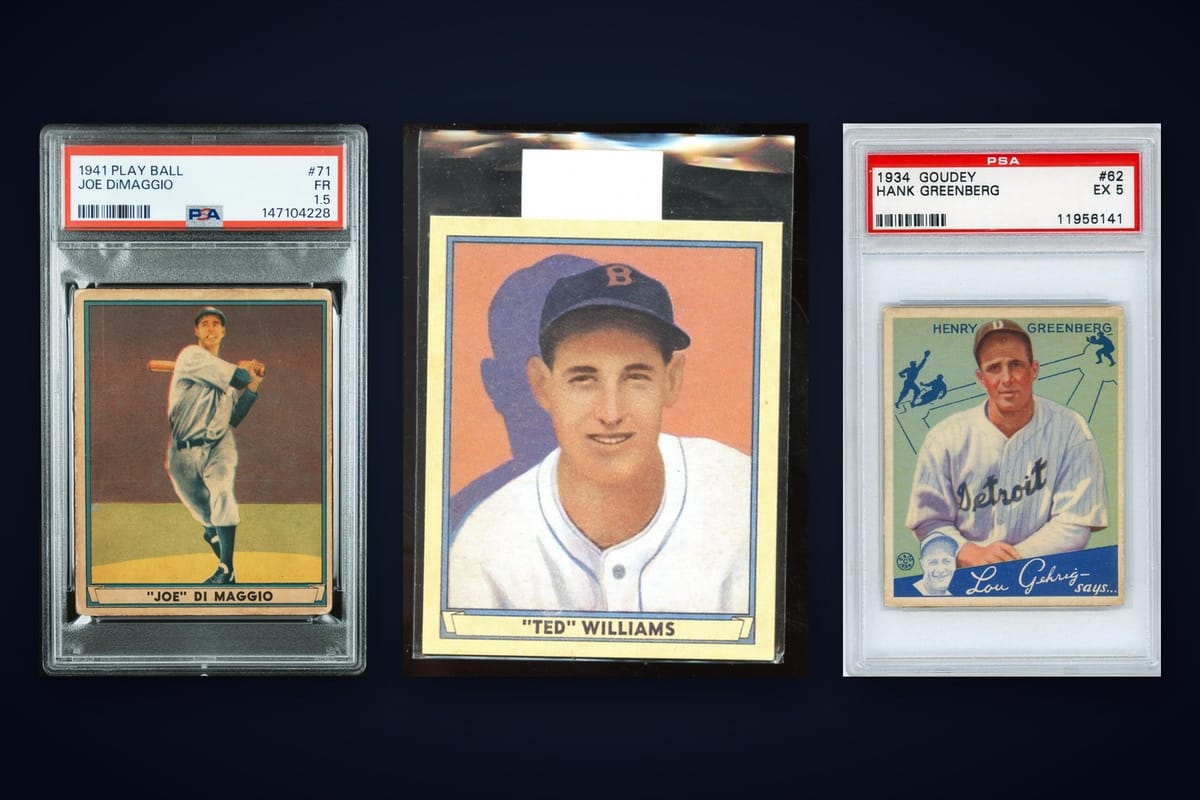
Joe DiMaggio #71 1941 Play Ball |
$1,867 | $614,918 | +15.4% |
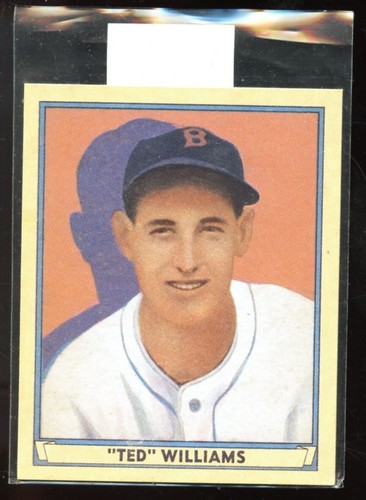 |
Ted Williams #14 1941 Play Ball |
$1,019 | $341,843 | +10.5% |
 |
Hank Greenberg #62 1934 Goudey |
$1,258 | $492,460 | +4% |
![Al Kaline [With Bandage] #280 1973 Topps card](https://i.ebayimg.com/images/g/bVAAAeSwL49qUAMz/s-l500.jpg) |
Al Kaline [With Bandage] #280 1973 Topps |
$803.98 | — | 0% |
 |
Sandy Koufax #123 1955 Topps |
$844.00 | $387,218 | -0.6% |
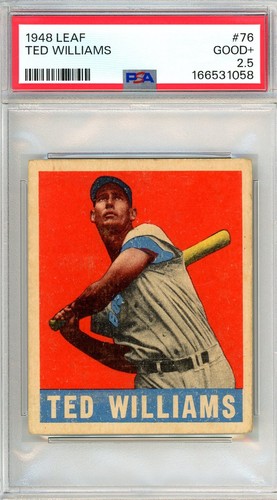 |
Ted Williams #76 1948 Leaf |
$1,757 | $478,371 | -6.5% |
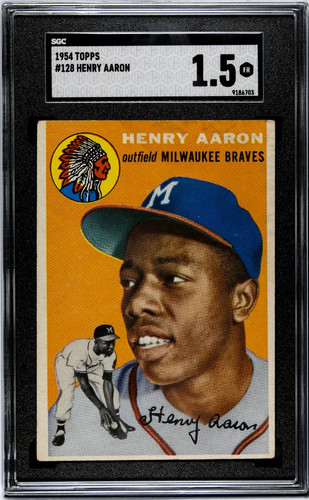 |
Henry 'Hank' Aaron #128 1954 Topps |
$1,800 | $410,279 | -7.9% |
Look up any card's current raw and graded value in Midpoint — and get an estimated grade before you pay to submit.
1. Vintage Baseball Cards Leading the Surge
Vintage baseball cards remain a significant segment in the market this August. Cards from the 1950s and earlier, especially those featuring blue-chip legends, are commanding high prices. For example, the 1952 Topps Mickey Mantle card in PSA 10 condition has been reported to approach $1.2 million as of 2026-08-23, reflecting collector demand and scarcity.
The appeal of vintage cards is tied to their rarity, historical significance, and cultural nostalgia. Condition plays a major role, with cards graded PSA 10 or BGS 9.5 often fetching premiums over raw or lower-grade counterparts. Collectors should prioritize condition and centering, which can be measured using apps like Midpoint.
- 1951 Bowman Willie Mays PSA 10 value reportedly rose 8% in August 2026.
- Early 20th-century cards have seen average gains of 5-7% across raw and graded conditions.
2. Blue-Chip Legends Driving Record Sales
Cards of iconic players such as Babe Ruth, Ted Williams, and Hank Aaron continue to attract strong auction interest. Their rarity and legendary status often push prices above other categories. For instance, a Babe Ruth 1916 Sporting News rookie card in PSA 9 reportedly sold for around $625,000 in August, up 12% from the previous month.
These blue-chip legends also boost interest in related memorabilia and contribute to overall market enthusiasm. As collectors pursue these marquee names, prices for lesser-known vintage cards may also benefit from spillover demand.
3. Rookie Cards and Breakout-Season Spikes
Rookie cards remain popular, especially for players having breakout seasons or recently inducted into the Hall of Fame. In August 2026, the Shohei Ohtani 2018 Bowman Chrome rookie card's PSA 10 value reportedly climbed 15%, reaching approximately $18,000. Similarly, Wander Franco's 2021 rookie card saw a 10% rise in raw and graded prices.
These spikes are often seasonal or news-driven, reflecting player performance, milestones, or media attention. Collectors looking to capitalize on these trends should monitor performance and market sentiment closely.
- 2023 Rookie cards with strong MLB debuts reportedly saw average price increases of 7-12% in August.
- Limited parallel and autographed rookie cards have tended to outperform base cards.
4. Impact of Grading on Baseball Card Prices
Grading remains an important factor for baseball card prices. PSA 10 grades often command premiums of 2-5x over PSA 9 and significantly more than raw cards. For example, the 1986 Donruss Barry Bonds rookie card is valued at about $1,200 PSA 10 versus around $400 for PSA 9 and $100 raw as of late August 2026.
Grades also affect liquidity and buyer confidence. Cards with verified centering, edges, corners, and surface quality tend to sell faster and for higher prices. Using AI-powered grading estimates from Midpoint can help collectors evaluate their cards before paying for third-party grading services, potentially saving money.
- PSA 10 cards reportedly saw a 6% average price increase in August versus 3% for PSA 9.
- Lower grades (PSA 7-8) experienced more modest gains, highlighting a focus on top-tier condition.
5. Auction Records and Million-Dollar Sales Highlight Market Strength
August 2026 included several notable auction sales. A 1909 T206 Honus Wagner card reportedly sold for $7.2 million, reinforcing the category’s elite status. Other million-dollar sales included a 1933 Goudey Babe Ruth PSA 9 and a 1954 Topps Hank Aaron PSA 10.
These headline sales contribute to market confidence and attract new collectors willing to invest in premium cards. However, such sales also highlight the scarcity of top-condition vintage cards and the importance of condition verification.
6. Modern Product Pricing and Box Inflation
Modern baseball cards have also shown price inflation, driven by limited print runs and demand for rookie and autographed cards. A 2026 Panini Prizm Shohei Ohtani rookie card in PSA 10 reportedly rose 8% in value in August, reflecting ongoing popularity.
However, box prices for new releases have increased 10-15% year-over-year, impacting entry costs for collectors. Scarcity and chase cards are key drivers, with short prints and exclusive inserts commanding premiums.
7. Scarcity, Condition, and Population Report Effects
Population reports and scarcity data influence pricing trends. Cards with low graded population numbers, especially in PSA 10, often see disproportionate price gains. For instance, a card with under 100 PSA 10 copies may outperform more common cards even if raw versions are plentiful.
Condition remains a critical factor. Centering measured within 50/50 to 55/45 range and clean edges can boost grade and value. Tools like Midpoint’s centering calculator help collectors assess this precisely before submission, potentially avoiding low grades and saving money.
8. Which Baseball Cards Are Still Affordable?
While many vintage and blue-chip cards are out of reach for most collectors, several categories remain relatively affordable yet promising. Mid-tier rookie cards from recent years, cards graded PSA 8 or raw with good eye appeal, and modern parallels offer entry points.
Examples include 2019-2021 rookies with solid MLB performance but without the hype of top-tier stars. These cards have seen steady but manageable price rises of 3-6% in August 2026, making them attractive for long-term holds.
- Look for cards graded PSA 8-9 with low population but strong centering.
- Modern short print inserts and autographs can offer value without vintage prices.
Conclusion
Baseball card prices rising in August 2026 reflect a vibrant and diverse market. Vintage cards and blue-chip legends lead with record-breaking sales, while rookies and modern cards see notable spikes driven by performance and scarcity. Grading quality remains a critical factor affecting value, emphasizing the need for precise assessment before submitting cards for grading. Collectors can leverage apps like Midpoint for AI digital grading and centering measurement to make informed, cost-effective decisions.
Whether buying, holding, or selling, understanding these key trends and using digital tools can help maximize returns and enjoyment in this evolving market phase.
FAQ
Q: Why are baseball card prices rising in 2026?
A: Rising prices in 2026 are influenced by demand for vintage cards, blue-chip legends, breakout rookie performances, and scarcity in modern releases. Grading and condition also affect values.
Q: Which baseball cards have gone up the most this year?
A: Vintage cards like the 1952 Topps Mickey Mantle PSA 10 and rookie cards such as Shohei Ohtani 2018 Bowman Chrome PSA 10 have experienced notable price increases in 2026.
Q: Are vintage baseball cards a better buy than modern cards right now?
A: Vintage cards generally hold stronger long-term value but come with higher prices and rarity. Modern cards offer more affordable entry points and potential growth, especially rookies and autographs.
Q: How much does PSA grade affect baseball card value?
A: PSA 10 grades can command 2-5 times higher prices than PSA 9 or raw cards. High-grade cards are more liquid and trusted by buyers, making grading impact substantial.
Q: Will baseball card prices keep rising or correct in 2026?
A: While short-term fluctuations occur, the overall trend in 2026 suggests steady growth driven by scarcity and collector interest, though some correction in overhyped cards is possible.
Q: Which baseball cards are still undervalued or affordable?
A: Mid-tier rookies from recent years, PSA 8-9 graded cards, and modern parallels remain relatively affordable with potential for growth.
Free to start
Try the Midpoint app
Grade any card from a photo, see its raw and PSA 10 value, and track what your collection is worth — free.
Get it on iPhoneGet it on Android