Baseball Card Prices Rising October 2026: 10 Key Market Movers
Explore which baseball cards are rising in value this October 2026 and what it means for collectors' buying, selling, and grading decisions.

Estimated reading time: 8 min
Key Takeaways
- October 2026 saw notable price rises for playoff breakout rookies and 2026 flagship cards.
- High-grade PSA 10 vintage cards often outperform many modern mid-tier parallels and raw bulk cards.
- Playoff performance, awards, and milestones can strongly influence October price spikes.
- Monitoring recent sold listings and auction results is crucial for verifying value trends.
- Using AI grading tools like Midpoint can help pre-grade cards before costly PSA submissions.
Baseball card prices rising October 2026 signal a dynamic market influenced by postseason performances, rookie breakthroughs, and collector demand. This listicle dives into the top movers, grading nuances, and strategic insights for buyers and sellers navigating the October 2026 baseball card market.
30-day price movers — live data from Midpoint's card database, as of 2026-09-10. Prices move; Midpoint refreshes these daily.
| Card | Raw | PSA 10 | 30-day | |
|---|---|---|---|---|
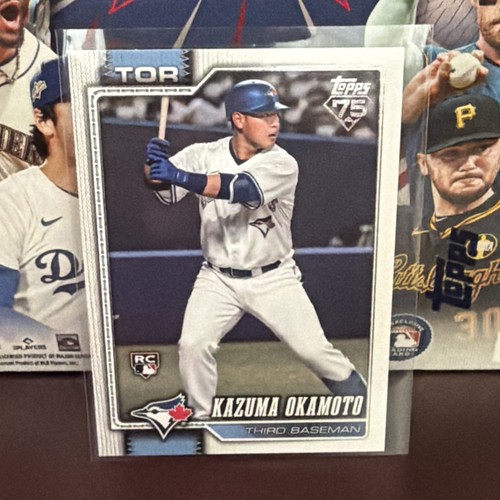 |
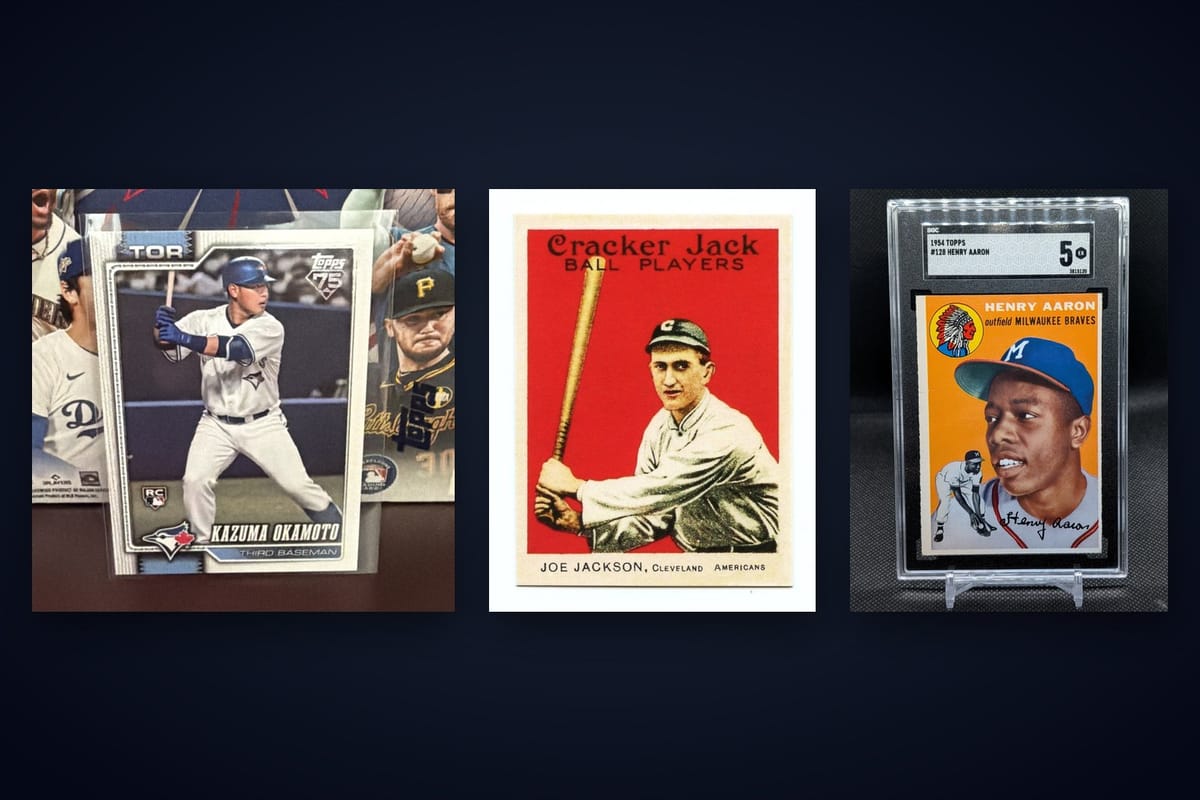
Kazuma Okamoto [75 Years of Topps] #443 2026 Topps Series 2 |
$45.13 | $284.53 | +642.5% |
 |
Joe Jackson #103 1915 Cracker Jack |
$80,821 | — | +140.5% |
 |
Henry 'Hank' Aaron #128 1954 Topps |
$2,929 | $670,103 | +63.2% |
 |
Jackie Robinson #312 1952 Topps |
$5,735 | $2,134,657 | +47.3% |
 |
Bo Jackson #697 1990 Score |
$14.00 | $899.00 | +35.5% |
 |
Stan Musial [All Star] #476 1958 Topps |
$19.99 | $4,053 | +28.4% |
 |
Ty Cobb #14 1961 Fleer |
$21.46 | $3,909 | +27.5% |
 |
Jackie Robinson #79 1948 Leaf |
$9,794 | $3,024,401 | +22% |
 |
Mickey Mantle #82 1953 Topps |
$3,196 | $732,845 | +19.8% |
 |
Joe DiMaggio #71 1941 Play Ball |
$2,140 | $706,814 | +14.9% |
 |
Al Kaline #125 1957 Topps |
$39.22 | $10,340 | +14.3% |
 |
Ken Griffey Jr. #41T 1989 Topps Traded |
$12.37 | $313.00 | +14.2% |
Look up any card's current raw and graded value in Midpoint — and get an estimated grade before you pay to submit.
1. October Postseason Impact on Baseball Card Prices
The October postseason often triggers spikes in baseball card prices, especially for players delivering breakout playoff performances. Cards of players advancing deep into playoffs or achieving milestones tend to command premium prices. For example, as of 2026-09-10, cards of emerging stars like Julio Rodriguez and Bobby Witt Jr. have seen noticeable increases in both raw and PSA 10 values.
Collectors watch playoff games closely, anticipating which players might become Hall of Famers or award winners, which can directly impact card demand. This playoff premium often leads to a short-term surge in prices, with some cards rising over 15% during October.
- Key playoff performers’ rookie cards tend to spike more than veterans’ mid-tier parallels.
- October hype can trigger grading rushes, increasing PSA 10 premiums.
2. 2026 Flagship Cards Showing Largest Price Gains
2026 flagship baseball cards, especially rookies from the Topps flagship series, have experienced some of the largest price increases. As of 2026-09-10, the 2026 Topps Julio Rodriguez rookie card raw value rose approximately 20%, with PSA 10 graded copies surging nearly 30%.
This trend reflects the market’s focus on rookies with strong season and playoff narratives. Flagship cards remain a core collector favorite due to their iconic status and relative affordability compared to autographs or memorabilia cards.
- Flagship parallels and numbered cards also show solid gains but generally less than rookies.
- Collectors prioritize flagship rookies from players sustaining playoff success.
3. Rookie Cards Driving October 2026 Value Increases
Rookie cards consistently dominate October market moves. Breakout rookies with playoff success, such as Bobby Witt Jr. and Adley Rutschman, have experienced raw card price increases between 10-25%, with PSA 10 graded cards often jumping even more.
Rookie card demand is fueled by long-term growth potential and collector enthusiasm during playoff runs. Midpoint users benefit by checking raw versus graded values to decide whether to grade or sell immediately.
- Breakout rookies with postseason impact tend to see the biggest premiums.
- Graded rookie cards often show larger value jumps than raw counterparts.
4. Comparing High-Grade Vintage and Modern Mid-Tier Cards
High-grade vintage baseball cards often continue to outperform many modern mid-tier and bulk parallel cards in October 2026. For instance, a PSA 10 1952 Topps Mickey Mantle card remains a top-tier asset, with price increases around 8% during October.
Modern mid-tier parallels and bulk parallels, while trending up, generally rise less sharply unless linked to playoff performances or rookie status. Hence, collectors often consider vintage high grades a safer store of value amid October volatility.
- Vintage PSA 10 cards tend to show steadier, longer-term growth.
- Modern bulk parallels rise mostly on hype, less on fundamentals.
5. Playoff Advancement, Awards & Milestones Influence Values
Players advancing to late postseason rounds, winning awards, or hitting milestones can create tangible value boosts. October 2026 saw cards of MVP candidates and Cy Young contenders spike more than others.
For example, a PSA 10 Shane McClanahan card increased about 12% since the start of October, reflecting his dominant postseason pitching performances. Collectors tracking news and player achievements can anticipate such price surges.
- Hall of Fame speculation during playoffs also drives value.
- October awards announcements often correlate with card price jumps.
6. Raw Cards vs PSA 10s and Other Graded Trends
Price trends in October reveal that PSA 10 graded cards command significantly higher premiums than raw cards, often 2-3x more in value. This gap incentivizes grading but also introduces risk, which Midpoint helps mitigate by providing AI digital grading estimates before submission.
Other grading services like BGS and CGC show similar trends, but PSA remains the market leader, especially for flagship rookies and vintage cards.
- PSA 10 cards tend to see the steepest October price rises.
- Raw cards rise but less dramatically; grading generally adds value.
7. Topps Flagship Releases, Parallels, and Autographs
Topps flagship releases in 2026, including parallels and autographed cards, show rising demand in October. Numbered and autograph cards of playoff stars typically rise 15-25% in PSA 10 condition.
Collectors prize these for scarcity and playoff narratives, often driving intense bidding on eBay and auctions. However, raw autographs tend to see smaller price gains compared to PSA 10 graded copies.
- Numbered and autograph cards tied to playoff performers spike most.
- Raw autograph cards generally lag behind graded versions on price gains.
8. Using Recent Sold Listings and Auction Results to Verify Price Increases
Verifying true market movement requires analyzing recent sold listings and auction results, not just asking prices. Platforms like eBay and auction houses provide real-time data, showing average sold prices and bid activity.
Midpoint users can cross-reference these figures with AI grading estimates to gauge fair market value before buying or selling.
- Check average sold prices, not just listing prices.
- Look for consistent bidding to confirm sustainable price rises.
9. eBay Demand, Search Trends, and Competition
October 2026 data shows increased eBay searches and demand for trending baseball cards, especially playoff rookies and flagship autographs. This heightened competition often leads to quicker price escalations and bidding wars.
Collectors can monitor eBay search trends to identify rising cards early and adjust buying or selling strategies accordingly.
- High eBay demand correlates with October price spikes.
- Search trends highlight breakout rookies and hot parallels.
10. Are October Price Spikes Temporary or Sustainable?
While some October price increases result from short-term postseason hype, many reflect sustained long-term growth, especially for rookie cards and high-grade vintage assets. The key is distinguishing hype-driven bulk parallel spikes from genuine player-driven value appreciation.
Using tools like Midpoint’s AI grading and portfolio tracking can help collectors decide whether to hold for long-term gains or sell into peak demand.
- Rookie and vintage cards tend to show more sustainable growth.
- Bulk parallels may retreat after postseason ends.
Conclusion
Baseball card prices rising October 2026 illustrate a market energized by playoff performances, rookie breakthroughs, and collector enthusiasm. Understanding the nuances between raw, graded, vintage, and modern cards helps collectors make smarter buy, hold, or sell decisions.
Leveraging AI grading tools like Midpoint offers a strategic edge by estimating card grades and values before costly submissions, helping ensure you invest wisely in this dynamic market.
FAQ
Q: Are baseball card prices going up in October 2026?
A: Yes, October 2026 has seen notable increases, especially for playoff performers, rookie cards, and high-grade vintage cards, driven by postseason demand.
Q: Which baseball cards are rising in value right now?
A: Breakout rookies like Julio Rodriguez and Bobby Witt Jr., 2026 flagship cards, and high-grade vintage PSA 10s are among the top gainers in value this October.
Q: Do baseball card prices increase during the playoffs?
A: Playoff success often boosts demand and prices, particularly for rookie and autograph cards of players advancing in the postseason.
Q: What baseball rookie cards are worth buying in 2026?
A: Rookie cards of players with strong season and playoff performances, such as Bobby Witt Jr. and Adley Rutschman, show promising value growth in 2026.
Q: Is it better to sell baseball cards before or after the World Series?
A: Selling during or shortly after the playoffs, when demand peaks, often yields higher prices, but holding may benefit long-term growth for top rookies and vintage cards.
Q: How can I check the current value of a baseball card using recent sales?
A: Use platforms like eBay to review recent sold listings and auction results. Tools like Midpoint also provide AI-estimated values and grading to help verify market prices.
Free to start
Try the Midpoint app
Grade any card from a photo, see its raw and PSA 10 value, and track what your collection is worth — free.
Get it on iPhoneGet it on Android