Baseball Card Prices Rising September 2026: Market Trends & Insights
Explore why baseball card prices are rising September 2026 with key vintage surges, grading fee hikes, and what collectors should know now.

Estimated reading time: 9 min
Key Takeaways
- Baseball card prices rising September 2026 influenced by vintage demand and grading fee hikes.
- SGC and PSA increased grading fees significantly, impacting submission costs and potentially market supply.
- Pre-war and blue-chip Hall of Famers like Mantle, Ruth, and Cobb are prominent in price movements.
- Modern cards face price pressure while vintage cards generally continue to show value strength.
- Collectors benefit from AI grading tools like Midpoint to pre-grade and optimize submissions.
The baseball card market in September 2026 is experiencing notable shifts as rising grading fees, supply bottlenecks, and surging vintage card demand influence values. Collectors and investors alike face critical decisions on buying, holding, selling, or grading their cards. This listicle dives into the top factors affecting baseball card prices in September 2026, highlights trending vintage gems, and offers actionable insights for navigating today’s market.
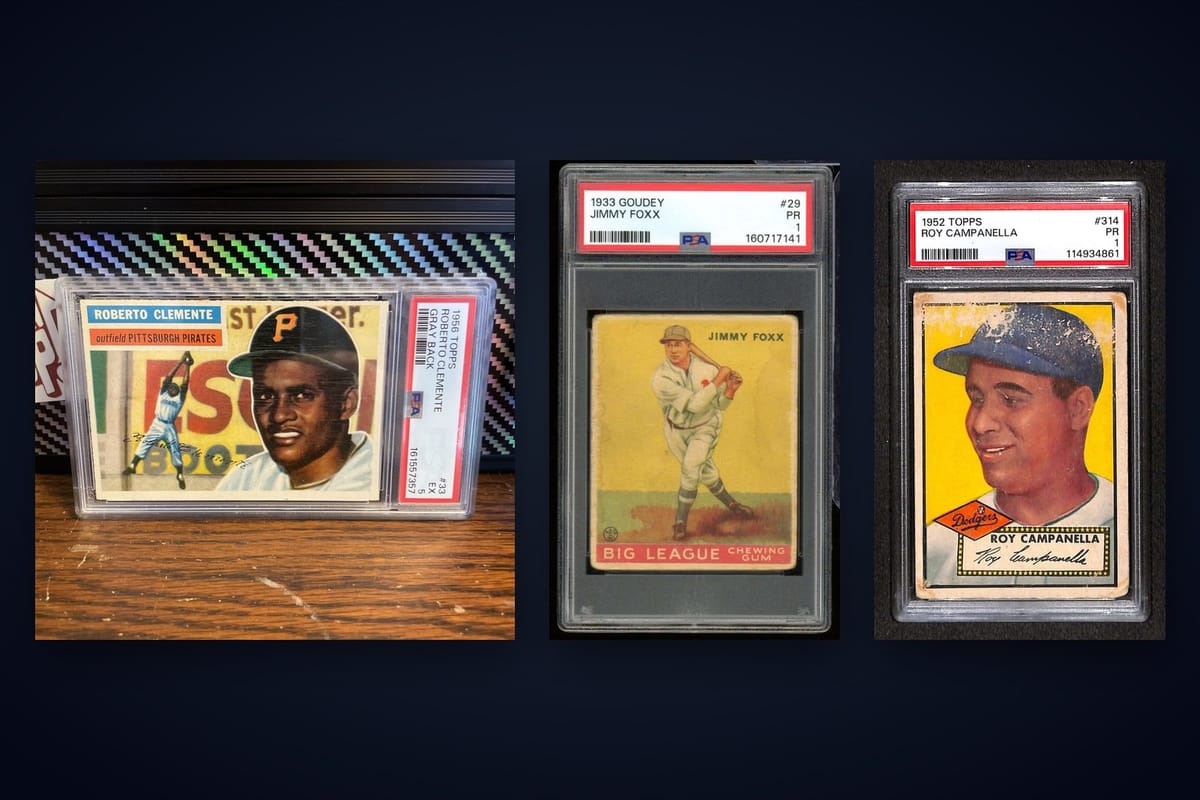
30-day price movers — live data from Midpoint's card database, as of 2026-09-04. Prices move; Midpoint refreshes these daily.
| Card | Raw | PSA 10 | 30-day | |
|---|---|---|---|---|
![Roberto Clemente [Gray Back] #33 1956 Topps card](https://i.ebayimg.com/images/g/W3gAAeSwznxqQtVO/s-l500.jpg) |
Roberto Clemente [Gray Back] #33 1956 Topps |
$723.88 | $171,178 | +92.9% |
 |
Jimmy Foxx #29 1933 Goudey |
$795.88 | $319,361 | +84.7% |
 |
Roy Campanella #314 1952 Topps |
$2,177 | $329,618 | +76% |
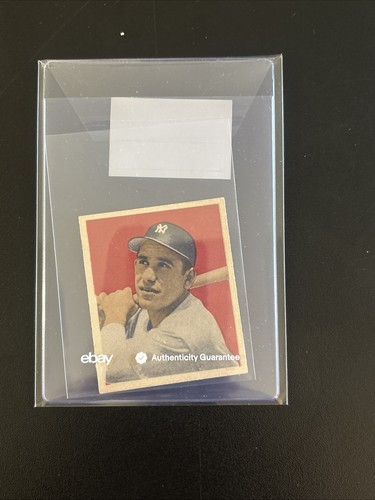 |
Yogi Berra #60 1949 Bowman |
$561.00 | $148,592 | +59.6% |
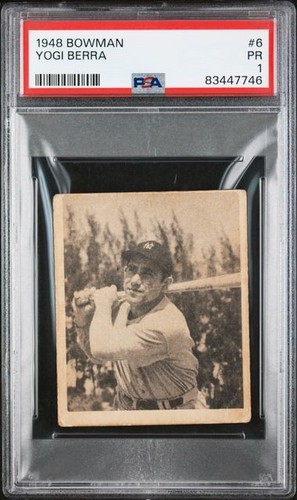 |
Yogi Berra #6 1948 Bowman |
$854.00 | $232,794 | +55.8% |
 |
Willie Mays #261 1952 Topps |
$3,644 | $979,149 | +54.2% |
 |
Willie Mays #305 1951 Bowman |
$2,607 | $657,780 | +52.7% |
 |
Pee Wee Reese #333 1952 Topps |
$926.37 | $220,128 | +49.2% |
 |
Rogers Hornsby #119 1933 Goudey |
$563.92 | $230,392 | +45.3% |
 |
Hank Greenberg #62 1934 Goudey |
$1,234 | $492,781 | +41.6% |
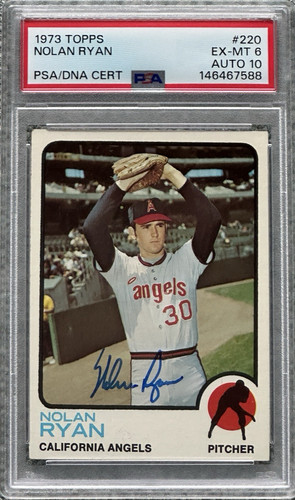 |
Nolan Ryan #220 1973 Topps |
$27.79 | — | +38.9% |
 |
Yogi Berra #46 1950 Bowman |
$239.47 | $53,031 | +37.6% |
Look up any card's current raw and graded value in Midpoint — and get an estimated grade before you pay to submit.
1. SGC’s September 2026 Grading Fee Increase and Its Impact
In September 2026, SGC raised its grading fees from $15 to $50 per card, more than tripling the cost overnight. This sharp hike has directly increased submission expenses for collectors looking to get cards graded by SGC, one of the leading grading companies.
Higher grading fees can discourage casual submissions and reduce grading volume temporarily, which may create bottlenecks and a backlog. Such supply disruptions can support higher prices for already graded cards, especially high-grade examples.
- Submission cost increase: $15 to $50 per card as of 2026-09-01
- Resulting grading backlog may delay turnaround times
- Supply bottlenecks can contribute to rising PSA 10 and SGC 10 prices
2. PSA’s 2026 Grading Price Hikes and Turnaround Time Changes
PSA also implemented grading price increases in 2026, though less steep than SGC’s September jump. PSA’s fees rose by about 20% to 40%, with turnaround times fluctuating due to increased demand and operational challenges.
The pricing adjustments and slower turnaround have made some collectors more cautious but have not significantly dampened demand for high-grade PSA 10 vintage cards. The market continues to reward PSA 10 grades, especially for scarce, iconic cards.
- PSA grading fees increased 20–40% during 2026
- Turnaround times vary from 30 to 90+ days depending on service tier
- High-grade PSA 10 cards continue to see strong price support despite delays
3. How Grading Bottlenecks and Higher Fees Affect Card Supply and Demand
With grading fees rising and submission backlogs growing, fewer raw cards may be submitted for grading, causing a slowdown in new graded card supply. This scarcity can intensify demand for already graded high-grade cards, pushing prices upward.
Collectors who previously rushed to grade raw cards might hold back, waiting for a return on investment. Meanwhile, sellers of top-grade cards may capitalize on strong buyer interest, particularly in vintage segments.
- Reduced grading submissions can limit new high-grade card supply
- Demand remains strong for already graded PSA 10 and SGC 10 cards
- Collectors balance cost vs. potential value gains when deciding to grade
4. Vintage Baseball Cards Leading Price Surges in September 2026
Vintage baseball cards, especially pre-war and blue-chip Hall of Famers, are prominent in market gains in September 2026. Cards of legends like Mickey Mantle, Ty Cobb, Babe Ruth, Willie Mays, Hank Aaron, and Roberto Clemente are seeing notable appreciation in both raw and PSA 10 values.
For example, a 1952 Topps Mickey Mantle PSA 10 is priced significantly higher than many comparable modern cards, with strong collector and investor interest driving prices upward.
- Pre-war cards and Hall of Famers show strong price appreciation
- Mantle, Cobb, Ruth, Mays, Aaron, and Clemente cards are trending up
- Scarcity and historical significance contribute to vintage market strength
5. Modern Baseball Cards Face Price Pressure Versus Vintage Strength
While vintage cards surge, many modern baseball cards face relative price weakness in September 2026. Oversupply, inflated hobby box prices, and shifting collector focus contribute to this trend.
Topps and Bowman hobby, jumbo, and mega box prices have increased, often pricing out casual buyers. Investors and collectors appear to be reallocating capital toward vintage cards with proven scarcity and long-term value.
- Modern card prices softening amid oversupply concerns
- Hobby box prices from Topps and Bowman have increased substantially
- Collector interest is shifting toward vintage scarcity and blue-chip names
6. How Population Scarcity and High-Grade Demand Drive Price Inflation
Population reports show relatively low numbers of PSA 10 cards for key vintage issues, creating supply scarcity. High demand from investors and collectors for these top-grade cards contributes to price inflation.
For instance, a 1911 T206 Ty Cobb with PSA 10 grading is exceedingly rare, pushing values higher than raw or lower-grade counterparts.
- Low PSA 10 population counts increase scarcity value
- Investors target high-grade vintage cards for portfolio growth
- Supply-demand imbalance can propel prices upward, especially in September 2026
7. September 2026 Market Sentiment: Stabilizing or Still Rising?
The baseball card market in September 2026 shows signs of stabilization after months of rapid price increases. While vintage values remain strong, some segments appear to be plateauing as collectors digest higher grading fees and shipping delays.
Despite this, select vintage blue-chip cards continue to climb, indicating sustained confidence from serious collectors and investors. Midpoint users can track these trends with real-time portfolio insights and AI grading estimates.
- Overall market stabilizing but vintage blue-chip cards still rising
- Higher grading fees temper submission enthusiasm but don’t reduce demand
- Collectors advised to use tools like Midpoint for smart grading and portfolio tracking

Conclusion
Baseball card prices rising September 2026 reflect a complex mix of grading fee hikes, supply bottlenecks, and strong vintage demand. SGC’s aggressive price increase and PSA’s fee adjustments contribute to a grading supply crunch that supports higher values for graded cards, especially the scarce PSA 10 and SGC 10 vintage gems. Collectors are advised to carefully consider grading decisions, leveraging AI-powered tools like Midpoint to estimate card grades and market values before submitting costly grading fees.
While modern cards face downward pressure amid inflated box prices, vintage Hall of Famers like Mantle, Cobb, and Ruth continue to lead the market gains. Monitoring population scarcity and market sentiment can help collectors decide whether to buy, hold, or sell. As the market stabilizes, informed strategies and smart grading prep become essential for maximizing returns in this evolving hobby.
FAQ
Q: Why are baseball card grading prices rising in 2026?
A: Grading companies like SGC and PSA increased their fees significantly in 2026 to cover rising costs and demand, with SGC’s September hike from $15 to $50 being particularly impactful. This affects submission costs and market supply dynamics.
Q: How much did SGC and PSA raise grading fees in September 2026?
A: SGC raised grading fees from $15 to $50 per card, more than tripling costs. PSA increased fees by approximately 20% to 40% throughout 2026, including September.
Q: Are vintage baseball cards still going up in price in 2026?
A: Yes, vintage baseball cards, especially those featuring pre-war and blue-chip Hall of Famers like Mantle, Ruth, and Cobb, continue to see strong price appreciation due to scarcity and collector demand.
Q: Which baseball cards are the hottest investments right now?
A: Top investment cards include 1952 Topps Mickey Mantle PSA 10, 1911 T206 Ty Cobb PSA 10, Babe Ruth vintage cards, and other iconic Hall of Famers’ graded high-grade examples.
Q: Will modern baseball card prices keep falling while vintage cards rise?
A: Current trends show modern card prices softening due to oversupply and inflated box prices, while vintage cards maintain strength because of scarcity and buyer interest.
Q: How are higher grading fees affecting baseball card values and the hobby market?
A: Higher grading fees can reduce submission volume, slow grading turnaround, and create supply bottlenecks, which in turn may raise prices for already graded high-grade cards, especially in vintage segments.
Free to start
Try the Midpoint app
Grade any card from a photo, see its raw and PSA 10 value, and track what your collection is worth — free.
Get it on iPhoneGet it on Android