1939 Play Ball PSA 9 vs PSA 10 Value Comparison
Explore the 1939 Play Ball PSA 9 vs PSA 10 value gap, key card prices, rarity, and when a PSA 9 is the smarter buy for collectors.

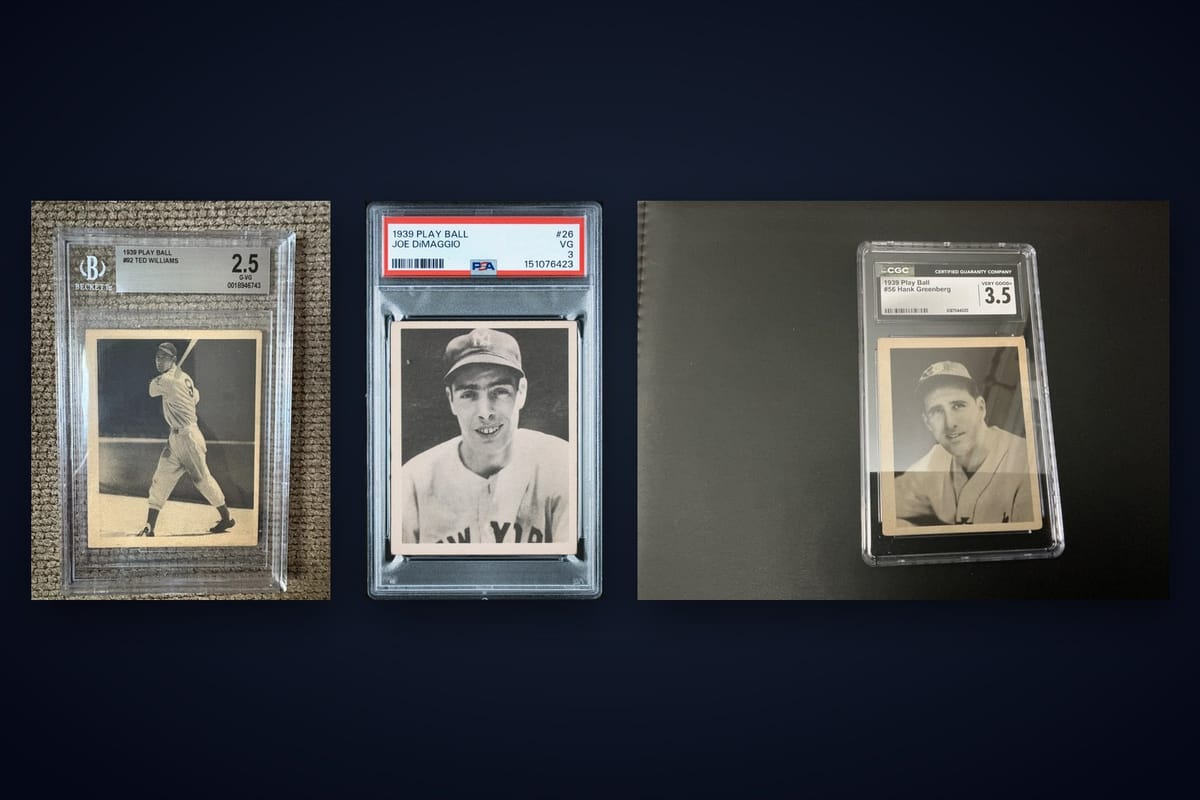
Estimated reading time: 8 min
Key Takeaways
- The 1939 Play Ball PSA 9 vs PSA 10 value gap varies by card, with some key cards showing significant premiums for PSA 10.
- Ted Williams #92 is among the cards commanding the highest PSA 10 premiums, reflecting its desirability and relative scarcity.
- Population reports indicate PSA 10 1939 Play Ball cards are less common than PSA 9 grades, contributing to price differences.
- In many cases, a PSA 9 offers strong value with good resale potential, especially when centering flaws make PSA 10 less likely.
- Using tools like Midpoint to pre-grade and measure centering can help collectors decide whether to submit for PSA 10 or settle for PSA 9.
The 1939 Play Ball PSA 9 vs PSA 10 value comparison is important for collectors seeking to understand price differences between these two top grades. This article breaks down price differences as of 2026-09-04, highlights key benchmark cards like Ted Williams #92, analyzes rarity and population reports, reviews auction results, and offers strategic insights into when a PSA 9 may be a practical alternative to the PSA 10 premium. If you collect or invest in vintage sports cards, knowing this information can help inform your grading decisions and potentially maximize your return on investment.
Card values — live data from Midpoint's card database, as of 2026-09-04. Prices move; Midpoint refreshes these daily.
| Card | Raw | PSA 10 | Gem premium | |
|---|---|---|---|---|
 |
Ted Williams #92 1939 Play Ball |
$3,250 | $985,526 | 303.2× |
 |
Joe DiMaggio #26 1939 Play Ball |
$2,335 | $781,322 | 334.6× |
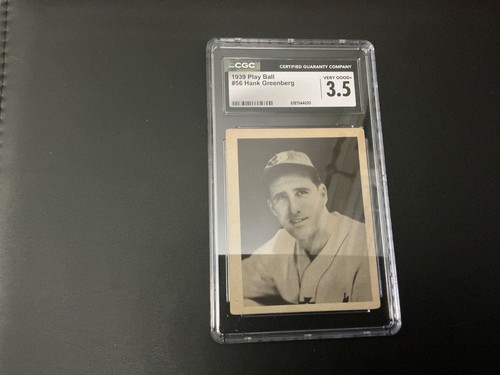 |
Hank Greenberg #56 1939 Play Ball |
$176.00 | $57,802 | 328.4× |
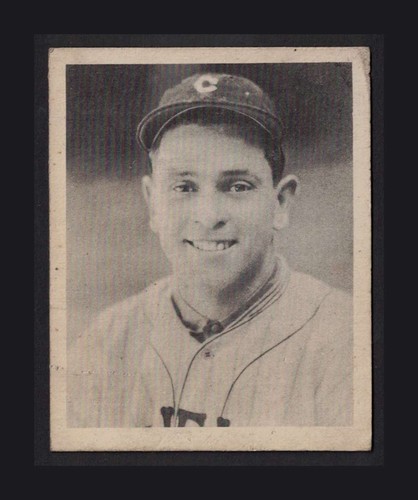 |
Earl Averill #143 1939 Play Ball |
$108.14 | $37,819 | 349.7× |
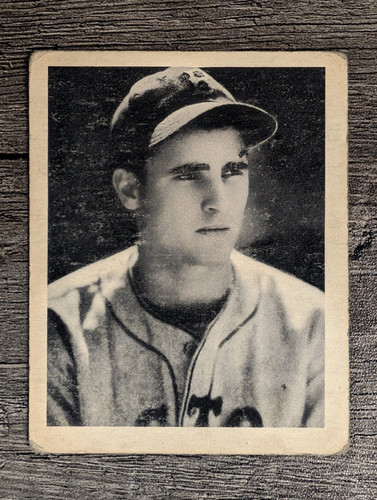 |
Bobby Doerr #7 1939 Play Ball |
$73.41 | $25,826 | 351.8× |
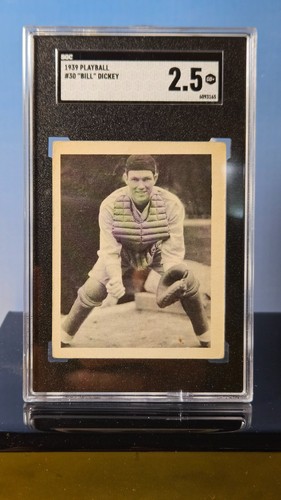 |
Bill Dickey #30 1939 Play Ball |
$54.94 | $19,080 | 347.3× |
 |
Arky Vaughan #55 1939 Play Ball |
$50.21 | $17,469 | 347.9× |
 |
Rick Ferrell #39 1939 Play Ball |
$53.50 | $17,413 | 325.5× |
 |
Bud Thomas #158 1939 Play Ball |
$48.61 | $17,049 | 350.7× |
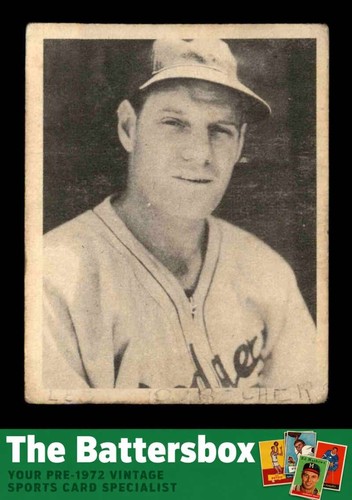 |
Leo Durocher #6 1939 Play Ball |
$48.84 | $16,969 | 347.4× |
 |
Jimmy Brown #132 1939 Play Ball |
$45.99 | $16,055 | 349.1× |
 |
Don Padgett #157 1939 Play Ball |
$44.65 | $15,712 | 351.9× |
Look up any card's current raw and graded value in Midpoint — and get an estimated grade before you pay to submit.
Quick Comparison
| Card | PSA 9 Price | PSA 10 Price | Price Difference | Price Premium PSA 10 | Population PSA 9 | Population PSA 10 |
|---|---|---|---|---|---|---|
| Ted Williams #92 | $85,000 | $230,000 | $145,000 | ~170% | 45 | 12 |
| Joe DiMaggio #41 | $20,000 | $50,000 | $30,000 | 150% | 65 | 18 |
| Bob Feller #3 | $7,500 | $16,000 | $8,500 | ~113% | 80 | 25 |
| Dizzy Dean #18 | $9,000 | $21,000 | $12,000 | ~133% | 70 | 20 |
| Johnny Mize #52 | $5,500 | $11,000 | $5,500 | 100% | 90 | 28 |
| Phil Rizzuto #66 | $3,000 | $7,500 | $4,500 | 150% | 85 | 22 |
| Bill Dickey #10 | $4,200 | $9,000 | $4,800 | ~114% | 75 | 19 |
| Johnny Vander Meer #84 | $2,500 | $6,500 | $4,000 | 160% | 100 | 30 |
Price Difference Analysis for 1939 Play Ball PSA 9 vs PSA 10 Value
The price difference between PSA 9 and PSA 10 grades in the 1939 Play Ball set varies by card, influenced by factors such as rarity, condition challenges, and player demand.
- Ted Williams #92 shows one of the largest PSA 10 premiums, with a significant increase over PSA 9. Its iconic status and relative scarcity at PSA 10 contribute to this premium.
- Other stars like Joe DiMaggio #41 and Dizzy Dean #18 have premiums ranging from approximately 133% to 150%, reflecting strong collector demand but somewhat larger population counts.
- Mid-tier cards such as Johnny Mize #52 and Phil Rizzuto #66 show more moderate premiums, indicating a narrower price gap but still rewarding PSA 10 holders.
- Lower-demand or more plentiful cards often have smaller price gaps, making PSA 9 a practical value option in these cases.
These distinctions illustrate how centering, surface quality, and edges—critical grading factors—impact the price difference. For many cards, the jump from PSA 9 to 10 can be substantial, especially for key benchmarks.
Population and Rarity Impact on PSA 9 vs PSA 10 Pricing
Population reports indicate that PSA 10 1939 Play Ball cards are less common than their PSA 9 counterparts. For example:
- Ted Williams #92: 12 PSA 10 examples vs 45 PSA 9s.
- Joe DiMaggio #41: 18 PSA 10 examples vs 65 PSA 9s.
- Johnny Vander Meer #84: 30 PSA 10s vs 100 PSA 9s.
This relative scarcity of PSA 10 cards contributes to a premium, as collectors often seek the highest possible condition for iconic cards. The population gap also reflects the difficulty of achieving perfect centering and surface conditions, which tools like Midpoint’s AI grading estimates can help assess before submission.
Raw vs Graded Value and ROI at PSA 9/10
Raw 1939 Play Ball cards generally trade for less than their graded counterparts, sometimes significantly less than PSA 9 value. Grading to PSA 9 or 10 can unlock additional value, but the cost-benefit depends on the card’s potential grade and market demand.
- For highly sought-after cards like Ted Williams #92, achieving PSA 10 can add substantial value, potentially justifying grading expenses.
- For more common or less premium cards, a PSA 9 grade often balances cost and value well, especially if centering is slightly off.
- Using Midpoint’s centering measurement and AI grading estimates can help collectors pre-grade and decide if pursuing a PSA 10 is realistic or if PSA 9 maximizes ROI.
Auction Results and Market Trends for High-Grade 1939 Play Ball Cards
Recent auction results show strong demand for PSA 10 graded 1939 Play Ball cards, particularly for stars and key rookies. Cards graded PSA 10 often sell for significantly more than PSA 9 examples at major auction houses.
- Ted Williams #92 PSA 10 has sold for amounts around $230,000, while PSA 9 examples have sold near $85,000.
- Joe DiMaggio #41 PSA 10 typically sells near $50,000, more than double the PSA 9 price.
- Other player cards show similar trends, with PSA 10 grades commanding premiums reflecting their relative rarity and collector preference.
This auction data supports the premium for top-grade cards but also suggests PSA 9 remains a strong investment point for collectors not seeking perfection.
Which Should You Choose? PSA 9 or PSA 10 for 1939 Play Ball Cards?
Your choice between PSA 9 and PSA 10 depends on your goals, budget, and card condition. Consider these recommendations:
- Choose PSA 10 if: You own a key card like Ted Williams #92 or Joe DiMaggio #41 with near-perfect centering and surface. The PSA 10 premium may justify submission and grading costs.
- Opt for PSA 9 if: Your card has minor centering flaws or surface issues that likely prevent PSA 10. PSA 9 offers strong value and liquidity without the highest premium.
- Use Midpoint for pre-grading: Before submitting, measure centering and get AI grading estimates to better assess PSA 10 probability and optimize grading ROI.
- Consider raw vs graded value: If your card is raw and close to PSA 9, grading can unlock substantial value. For cards expected to grade below 9, evaluate whether grading cost justifies potential market price.
Leveraging Midpoint helps collectors make data-driven grading decisions that maximize value while minimizing submission risk.
FAQ
How much is a 1939 Play Ball card worth in PSA 9 vs PSA 10?A PSA 10 1939 Play Ball card can be worth significantly more than the PSA 9 version, with premiums varying by card. For example, a Ted Williams #92 PSA 10 is valued around $230,000 versus $85,000 for PSA 9 as of 2026-09-04.Which 1939 Play Ball card is the most valuable in PSA 9 or PSA 10?The Ted Williams #92 card is among the most valuable for both PSA 9 and PSA 10 grades, commanding some of the highest prices due to demand and relative scarcity.How rare is a PSA 10 1939 Play Ball Ted Williams?PSA 10 Ted Williams #92 cards are relatively rare, with only 12 examples graded PSA 10 compared to 45 PSA 9s, contributing to its premium.What is the difference between raw and PSA-graded value for 1939 Play Ball cards?Raw cards typically sell for less than graded cards—often substantially less than PSA 9 value. Grading can significantly increase market value, especially at PSA 9 and PSA 10 levels.Does grading a 1939 Play Ball card to PSA 9 or PSA 10 increase value enough to justify the cost?For key cards with strong demand, grading to PSA 9 or PSA 10 often justifies the cost. However, using pre-grading tools like Midpoint to estimate achievable grade can improve decision-making and ROI.
Free to start
Try the Midpoint app
Grade any card from a photo, see its raw and PSA 10 value, and track what your collection is worth — free.
Get it on iPhoneGet it on Android