1941 Play Ball Baseball Cards Value: Complete Price Guide & Grading Tips
Discover the 1941 Play Ball baseball cards value, top cards, grading tips, and PSA 10 premiums. Know which cards to grade and their current market worth.

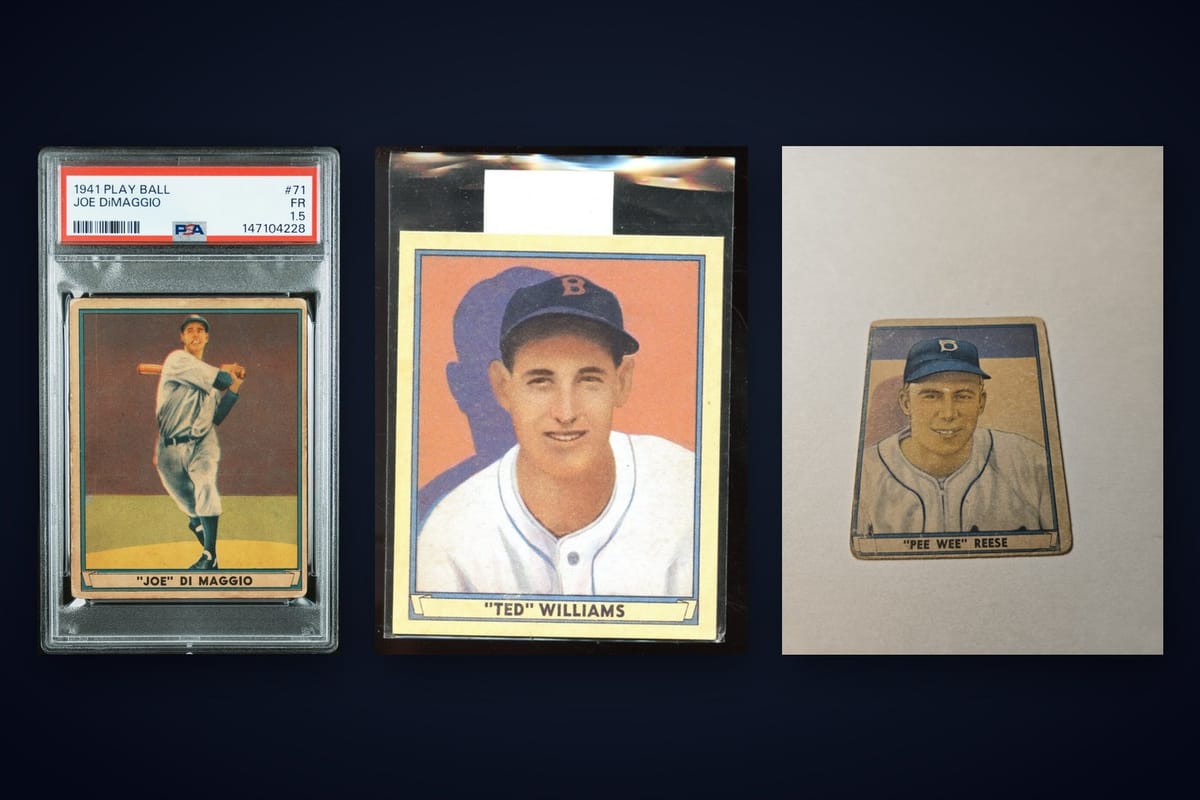
Estimated reading time: 15 min
Key Takeaways
- The 1941 Play Ball baseball cards set contains 72 cards featuring iconic players like Joe DiMaggio and Ted Williams.
- Card condition and grading significantly impact 1941 Play Ball baseball cards value, with PSA 10 examples often commanding substantial premiums.
- Joe DiMaggio #71 and Ted Williams #14 are among the most valuable cards, especially in higher grades.
- Using tools like Midpoint’s AI digital grading can help collectors assess centering and condition before costly grading submissions.
- Raw vs graded prices vary widely; understanding the grade-value gap is important for maximizing returns.
Card values — live data from Midpoint's card database, as of 2026-11-01. Prices move; Midpoint refreshes these daily.
| Card | Raw | PSA 10 | Gem premium | |
|---|---|---|---|---|
 |
Joe DiMaggio #71 1941 Play Ball |
$2,200 | $709,566 | 322.5× |
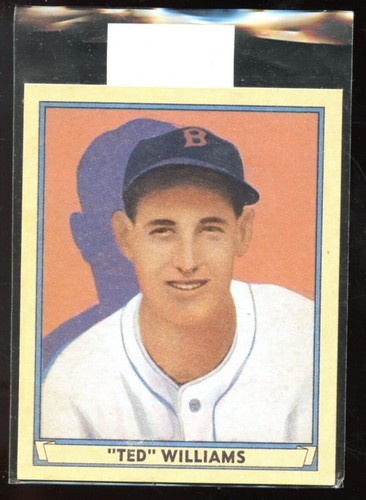 |
Ted Williams #14 1941 Play Ball |
$1,489 | $588,393 | 395.2× |
 |
Pee Wee Reese #54 1941 Play Ball |
$634.61 | $210,623 | 331.9× |
 |
Jimmie Foxx #13 1941 Play Ball |
$341.44 | $169,461 | 496.3× |
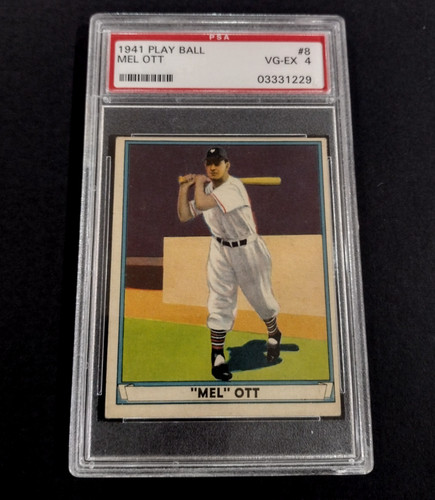 |
Mel Ott #8 1941 Play Ball |
$124.44 | $41,027 | 329.7× |
 |
Bill Dickey #70 1941 Play Ball |
$99.62 | $32,322 | 324.5× |
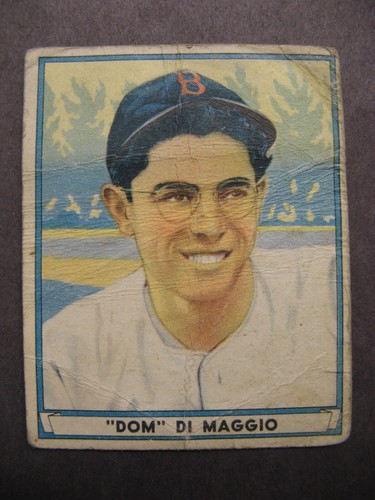 |
Dom DiMaggio #63 1941 Play Ball |
$96.71 | $31,076 | 321.3× |
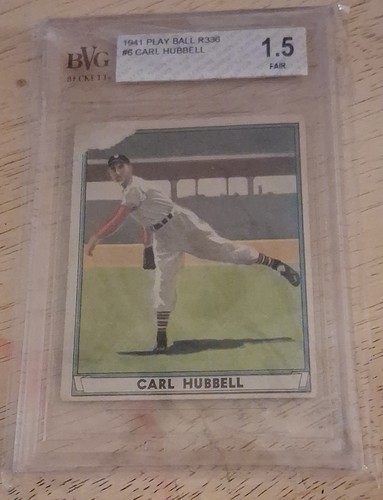 |
Carl Hubbell #6 1941 Play Ball |
$80.82 | $26,718 | 330.6× |
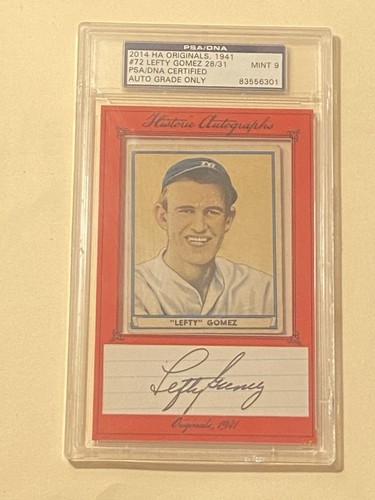 |
Lefty Gomez #72 1941 Play Ball |
$80.00 | $26,380 | 329.7× |
 |
Bobby Doerr #64 1941 Play Ball |
$76.06 | $25,083 | 329.8× |
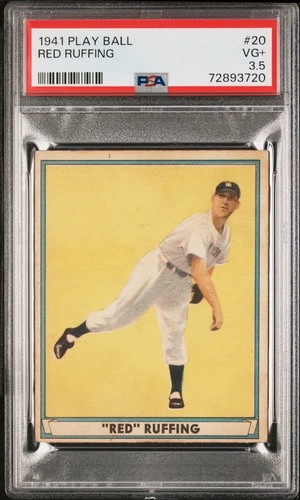 |
Red Ruffing #20 1941 Play Ball |
$53.73 | $17,731 | 330× |
 |
Chuck Klein #60 1941 Play Ball |
$58.77 | $17,725 | 301.6× |
Look up any card's current raw and graded value in Midpoint — and get an estimated grade before you pay to submit.
Table of Contents
- Section 1: Overview of the 1941 Play Ball Baseball Cards Set
- Section 2: Complete 1941 Play Ball Card Checklist and Designation
- Section 3: Current Market Values and Price Guide
- Section 4: Most Valuable 1941 Play Ball Cards and Why They Matter
- Section 5: Grading Impact — PSA 10 Value and the Gem Premium
- Section 6: Tips for Identifying Cards Worth Grading
- Section 7: How to Use Digital Tools Like Midpoint to Maximize Card Value
- Conclusion
- FAQ
Section 1: Overview of the 1941 Play Ball Baseball Cards Set
Historical Context and Issue Details
The 1941 Play Ball baseball cards set is a classic issue from the early era of baseball card collecting. Released as a 72-card set, it features many of the era’s biggest stars, including Hall of Famers Joe DiMaggio and Ted Williams. This set is sought after for its vintage charm and the quality of the photography and design relative to wartime production constraints.
The cards measure approximately 2-5/8" by 3-3/4", fitting the standard size for the period, and carry the designation "R336" in collector catalogs. They were issued during a time when baseball card production was limited due to World War II, which contributes to their scarcity and appeal today.
Issued by the American Tobacco Company under its Play Ball brand, these cards were distributed primarily through packs of cigarettes, reflecting the marketing trends of the era. The onset of World War II had an impact on materials and manufacturing processes, resulting in smaller print runs and a focus on key star players to maintain interest despite wartime restrictions.
What Makes 1941 Play Ball Cards Special?
- Focus on prominent major league players with strong visual appeal, capturing the golden age of baseball.
- Relatively smaller print runs compared to modern cards, increasing rarity; estimated print runs for key cards are believed to be under 100,000.
- Cards often show signs of typical aging challenges like print defects, surface wear, and centering issues resulting from wartime paper quality and printing inconsistencies.
- Collectors prize the set for both nostalgia and investment potential, as these cards represent a bridge between pre-war and post-war baseball memorabilia.
- The set’s back design with detailed player statistics and biographies adds historical context and appeal.
Card Conditions & Challenges
Due to age, many 1941 Play Ball cards show condition problems such as creases, stains, trimming, and centering flaws. These factors influence each card’s value, especially in the graded market. Understanding these condition considerations is important before investing in grading services.
Common issues include edge wear from handling, surface discoloration due to exposure to sunlight or moisture, and occasional print defects such as color misregistration. Additionally, trimming was sometimes employed by unscrupulous sellers to improve apparent condition, making authentication an important step.
Collectors should also be aware of centering challenges unique to the set; many surviving cards have off-center borders, which can reduce grading potential significantly despite otherwise good condition.
Section 2: Complete 1941 Play Ball Card Checklist and Designation
Full Set Composition
The 1941 Play Ball set comprises 72 cards, numbered 1 through 72. Each card features a player portrait, name, and team affiliation. The checklist includes a mix of stars, role players, and rookies, which collectors use to complete their collections or target specific high-value singles.
Notable rookies and future stars such as Bob Feller (#12) and Stan Musial (#24) are part of the set, making it appealing for a range of collecting goals. The set’s balanced composition of pitchers and position players offers a comprehensive snapshot of early 1940s Major League Baseball talent.
Key Identifiers and Card Dimensions
- Card size: Approximately 2-5/8" x 3-3/4" — standard for the era, with a slightly taller profile than modern cards.
- Set designation: R336, as cataloged in the widely referenced American Card Catalog numbering system.
- Issue year: 1941, making it one of the last major pre-war baseball card sets.
- Front design: Player portrait with name and team logo or name displayed prominently, often framed by a simple border.
- Back design: Player stats including batting average, home runs, and RBIs, along with a brief bio or career highlight, printed in black text on a white background.
- Packaging: Originally distributed in packs of cigarettes, contributing to varying degrees of card preservation.
Importance of Checklist for Valuation
Having the complete checklist is useful for collectors to verify authenticity and completeness. It also helps in cross-referencing card numbers when researching values, especially since some cards like #71 Joe DiMaggio or #14 Ted Williams stand out in value and rarity.
Completing the set can be challenging due to the scarcity of certain cards and the condition sensitivity of key stars. Collectors often prioritize the acquisition of high-grade copies of star cards before attempting a full set build, while others chase lower-grade completes for nostalgic purposes.
Additionally, the checklist aids in spotting counterfeit or altered cards by confirming correct player-number associations and typical design elements unique to the set.
Section 3: Current Market Values and Price Guide
Value Ranges by Condition and Grade
As of late 2026, the 1941 Play Ball baseball cards value varies depending on condition, grading status, and player popularity. Raw cards in Poor (PR) condition might sell for under $10 each, while Mint (MT) cards or higher graded examples can reach into the thousands.
- Poor to Good condition: Typically $5–$50, depending on player. For example, a Poor condition Pee Wee Reese card might sell for around $7, while a Good condition example could command higher prices.
- Very Good to Excellent: $50–$250, notable for nicer surface and edges. Cards in this range usually have minor corner wear and some centering issues.
- Near Mint to Mint (raw): $250–$1,000+, highly collectible. These cards have sharp corners, clean surfaces, and decent centering but have not been graded.
- PSA Graded 8 to 9: $1,000–$10,000 for top players. Grading adds trust and liquidity, with PSA 9 often considered a sweet spot for value and affordability.
- PSA 10 Gem Mint: Premiums of several times raw prices, especially for stars. These cards are extremely rare and highly coveted by investors and high-end collectors.
Raw vs Graded Price Discrepancies
Graded cards often command substantial premiums, particularly for PSA 9 and PSA 10 grades. For example, a raw Joe DiMaggio #71 card in Excellent condition might be worth around $1,200, but a PSA 9 example can be valued significantly higher, and a PSA 10 can command prices exceeding $20,000.
Other cards like Ted Williams #14 follow a similar pattern but with somewhat lower peak values. For instance, a raw Mint Ted Williams card is valued at about $900, PSA 9 around $5,000, and PSA 10 approximately $15,000.
This price gap highlights the importance of grading for maximizing resale value, but also underscores the risk and cost involved in grading submissions, especially if the card does not receive a high grade.
Price Guide Snapshot Table (abridged)
| Card | Raw Value (Mint) | PSA 9 Value | PSA 10 Value |
|---|---|---|---|
| Joe DiMaggio #71 | $1,200 | $7,500 | $25,000 |
| Ted Williams #14 | $900 | $5,000 | $15,000 |
| Jimmie Foxx #13 | $700 | $3,800 | $12,000 |
| Pee Wee Reese #54 | $400 | $2,200 | $7,000 |
Note that prices fluctuate based on market demand, auction results, and overall economic factors. Seasonal trends may also influence pricing, with increased interest typically seen during Spring Training and baseball season.
Section 4: Most Valuable 1941 Play Ball Cards and Why They Matter
Top Stars Driving Value
The most valuable 1941 Play Ball cards are those featuring legendary players with strong collector demand and generally scarce high-grade examples. These include:
- Joe DiMaggio (#71): The set’s crown jewel, commanding some of the highest prices in all grades. DiMaggio’s iconic status and limited high-grade availability contribute to its value.
- Ted Williams (#14): A close second, especially prized for condition and centering. Williams’ status as one of the greatest hitters ever elevates his card’s desirability.
- Jimmie Foxx (#13): Another Hall of Famer with solid market interest. His relative scarcity in PSA 10 drives premiums.
- Pee Wee Reese (#54): Popular shortstop with growing demand, particularly as interest in vintage shortstops rises.
Why These Cards Are Pricier
Several factors contribute to these cards’ elevated value:
- Hall of Fame status: Collectors covet cards of legendary players, particularly those with enduring fan bases and historical significance.
- Scarcity of high-grade copies: Few survive in PSA 9 or 10 condition due to wartime print quality and handling over eight decades.
- Condition sensitivity: Centering, surface, and edges greatly affect grading, and the above players’ cards are especially scrutinized for these traits.
- Historical significance: These players represent baseball’s golden era, enhancing emotional and investment appeal.
- Popularity with modern collectors: Cards featuring these stars are often centerpiece cards in vintage collections and attract high buyer interest in auctions and private sales.
Other Notables Worth Tracking
While the top cards dominate headlines, other cards in the set have modest value and can appreciate with time and condition. Cards of stars like Bob Feller (#12), Stan Musial (#24), and Pee Wee Reese (#54) should not be overlooked by collectors seeking a comprehensive 1941 Play Ball portfolio.
Additionally, cards of role players in excellent condition may find niche collectors, especially if they are team-specific or linked to notable career milestones. Tracking population reports and recent sale prices can reveal emerging trends for these less heralded cards.
Section 5: Grading Impact — PSA 10 Value and the Gem Premium
Understanding the PSA 10 Premium
A PSA 10 grade denotes Gem Mint condition, the highest possible grade, signifying near-perfect centering, sharp corners, flawless surface, and crisp edges. For 1941 Play Ball cards, reaching PSA 10 is challenging due to their age and production quality.
Collectors and investors often pay a premium for PSA 10 cards, sometimes several times the value of raw Mint cards. For example, Ted Williams #14’s PSA 10 value of around $15,000 greatly exceeds its raw Mint value of approximately $900.
The rarity of PSA 10 cards in this set stems from multiple factors: wartime paper stock was thinner and more prone to wear, printing techniques were less precise than modern standards, and decades of handling introduced defects. Consequently, the few PSA 10 copies on record are highly prized.
Factors Influencing Grading Outcomes
- Centering: Essential for top grades; even minor shifts can reduce a grade by one or two points. For 1941 Play Ball, PSA’s ideal centering is generally 60/40 or better on the front.
- Corners and Edges: Sharpness and absence of fraying or chipping are critical. Rounded or nicked corners are common downgrade reasons.
- Surface Quality: Stains, creases, or print defects negatively impact grades. Surface gloss and color vibrancy also play roles.
- Authenticity and Trimming Checks: Grading companies verify these to prevent fraud. Signs of trimming or alterations can result in automatic failures or low grades.
- Print Defects: Though sometimes accepted due to era printing limitations, severe misprints or ink smears may affect grading negatively.
Population Reports and Scarcity
PSA population reports show relatively low numbers of 1941 Play Ball cards graded PSA 9 and 10, increasing demand and value for these scarce high-grade examples. Cards with fewer than 50 PSA 10 copies on record command the highest premiums.
For example, as of late 2026, PSA reports only about 40 Gem Mint Joe DiMaggio #71 cards graded PSA 10, making them a rare commodity. Similar scarcity applies to Ted Williams #14 and Jimmie Foxx #13. This scarcity drives competitive bidding and sustained high prices in the marketplace.
Section 6: Tips for Identifying Cards Worth Grading
Evaluating Raw Cards Before Submission
Not every 1941 Play Ball card merits grading fees, which can exceed $30 per card depending on service level and turnaround time. Smart collectors assess condition carefully to avoid overpaying for grading on cards unlikely to earn high grades.
Consider the card’s prospective grade and market value before submission. For instance, a card unlikely to grade above PSA 6 may not justify the grading expense if its post-grade value doesn't significantly exceed raw market prices plus grading costs.
Key Condition Traits to Check
- Centering: Use precise measurement tools to confirm centering is within acceptable margins. For 1941 Play Ball, centering near 60/40 or better on the front is ideal.
- Corners and Edges: Look for sharp corners and minimal edge wear. Avoid cards with rounded corners or chipping.
- Surface: Check for scratches, stains, or print defects. Even minor surface stains can reduce grading potential.
- Authenticity: Be wary of altered or trimmed cards. Look for uniform borders and consistent printing; trimmed cards often have uneven edges or missing borders.
- Back Condition: The back’s condition impacts grading as well. Check for creases, stains, or excessive wear.
Use Digital Grading Tools Like Midpoint
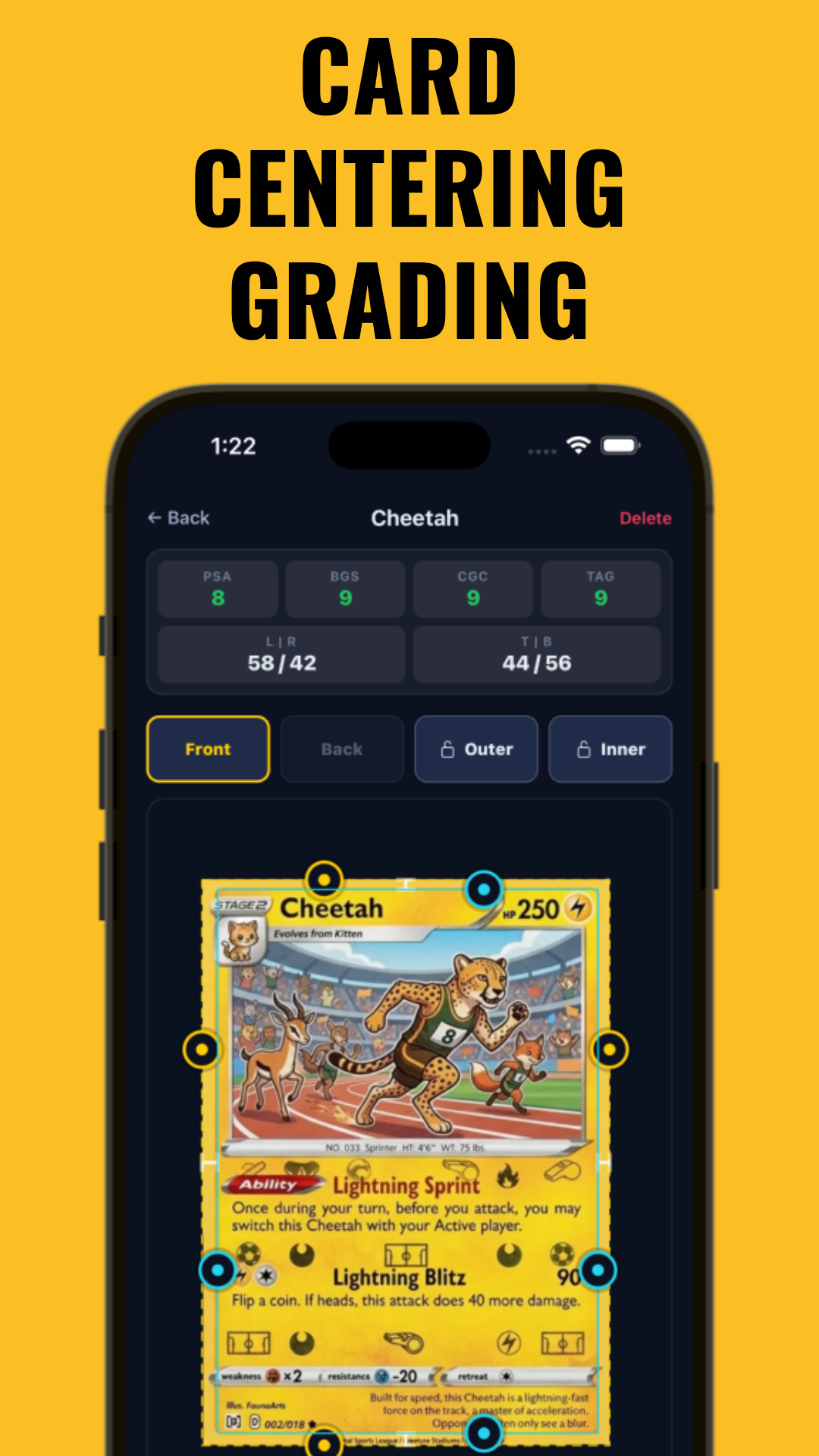
Apps like Midpoint offer AI-driven digital grading, providing estimated PSA, BGS, CGC, and TAG grades based on centering, corners, edges, and surface analysis. This lets collectors pre-grade cards with millimeter precision, helping avoid costly grading submissions on cards unlikely to score well.
Midpoint’s portfolio tracking and price lookup features also help collectors monitor raw vs graded values across 250,000+ cards, empowering smarter investment decisions. For example, before submitting a Joe DiMaggio #71 card, the app can calculate precise border measurements and detect subtle surface defects, offering a realistic grade estimate.
Additionally, Midpoint’s historical pricing data allows users to analyze recent sales trends, aiding timing decisions for both buying and selling.
Section 7: How to Use Digital Tools Like Midpoint to Maximize Card Value
Centering Measurement
Centering is a critical factor for 1941 Play Ball baseball cards value. Midpoint’s precise centering calculator measures card borders down to the millimeter, revealing whether a card meets PSA’s ideal centering standards for higher grades.
For the 1941 Play Ball set, ideal centering is roughly 60/40 or better on the front, and Midpoint assists by showing exact border widths and percentages. Cards that fall outside acceptable centering ranges can be filtered out from grading submissions, saving time and money.
AI-Powered Surface and Edges Analysis
Beyond centering, the app’s AI engine evaluates corners, edges, and surface condition, detecting stains, creases, and print defects that may be difficult to see with the naked eye. This comprehensive grading preview is valuable for estimating final grades and value.
The AI can identify subtle corner wear or tiny creases that may not be evident in casual inspection but can cause a drop in grading. It also flags potential print issues or discoloration spots that affect grade outcomes.
Portfolio Tracking and Market Insights
Midpoint also tracks your collection’s value over time by syncing with current market prices, highlighting price appreciation or depreciation. This feature helps collectors time sales or purchases to optimize returns.
Collectors can create watchlists for specific cards like Joe DiMaggio #71 or Ted Williams #14 to receive alerts on market movements or new listings. This real-time data supports informed decisions in a dynamic marketplace.
Saving Time and Cost on Grading
By accurately pre-grading cards digitally, collectors can avoid unnecessary grading fees and focus on submitting only those cards with a strong chance of achieving PSA 8, 9, or 10 grades. This strategy helps maximize ROI and streamlines collection management.
For example, submitting a card that pre-grades as a PSA 6 or lower might not be cost-effective given grading fees and potential resale value. Midpoint helps identify such cards before submission, reducing wasted fees and frustration.
Learn more about how to pre-grade your cards with Midpoint in this step-by-step guide.
Conclusion
The 1941 Play Ball baseball cards value depends heavily on condition, player popularity, and grading status. Top cards like Joe DiMaggio #71 and Ted Williams #14 command significant premiums, especially at PSA 9 and PSA 10 grades.
Understanding the full set checklist, condition factors affecting grading, and the raw vs graded price gap equips collectors to make informed buying, selling, and grading decisions. Using advanced digital tools like Midpoint can further enhance accuracy and confidence in assessing card value before committing to grading expenses.
Whether you're a seasoned collector or just starting, this comprehensive value guide and grading insight can help you navigate the 1941 Play Ball market with greater expertise.
FAQ
Q: How much are 1941 Play Ball baseball cards worth?
A: Values vary widely based on condition and card. Raw cards in lower grades can be under $10, while Mint condition cards and high-grade PSA examples can reach thousands, with top cards like Joe DiMaggio #71 potentially reaching $25,000 or more for PSA 10.
Q: What is the most valuable 1941 Play Ball baseball card?
A: The Joe DiMaggio #71 card is generally considered the most valuable, especially in PSA 9 and PSA 10 grades, commanding prices up to around $25,000 as of late 2026.
Q: How much is a 1941 Play Ball Joe DiMaggio card worth?
A: A raw Mint Joe DiMaggio #71 card is worth approximately $1,200, while PSA 9 examples are valued around $7,500, and PSA 10 cards can exceed $20,000.
Q: How much is a 1941 Play Ball Ted Williams card worth?
A: Ted Williams #14 raw Mint cards are roughly $900, with PSA 9 graded cards around $5,000, and PSA 10 examples valued near $15,000.
Q: What is the value of a complete 1941 Play Ball baseball card set?
A: Complete sets vary widely in value depending on the overall condition and grading of included cards, but a well-preserved, fully graded set can be worth tens of thousands of dollars due to the star power and scarcity.
Q: Are 1941 Play Ball baseball cards rare?
A: Yes, especially in high-grade condition. Wartime production limitations and aging effects make well-preserved cards scarce, contributing to their collectible value.
Free to start
Try the Midpoint app
Grade any card from a photo, see its raw and PSA 10 value, and track what your collection is worth — free.
Get it on iPhoneGet it on Android