Baseball Card Prices Dropping October 2026: What Collectors Must Know
Explore why baseball card prices dropping October 2026, who’s affected, and smart strategies to buy the dip and grade your cards with Midpoint.

Estimated reading time: 9 min
Key Takeaways
- October 2026 saw declines in baseball card prices, especially among mid-tier rookies and base cards.
- Breakout rookies and iconic vintage cards often show more resilience during market dips.
- Temporary October spikes often fade post-playoffs, affecting long-term value differently.
- Graded cards, especially PSA 10s, tend to maintain premiums better than raw cards in a falling market.
- Using tools like Midpoint’s AI grading and centering analysis can help collectors buy the dip more strategically.
The baseball card market in October 2026 has experienced a cooling off, with prices dropping across various segments. Understanding why these declines happen, which cards are most affected, and how to leverage these market conditions is important for collectors and investors alike. Whether you’re tracking rookie cards or vintage icons, knowing how the postseason and grading nuances impact prices can help you navigate the market more effectively. This guide will break down key factors behind baseball card prices dropping October 2026 and provide actionable insights to capitalize on the dip using smart grading and buying strategies.
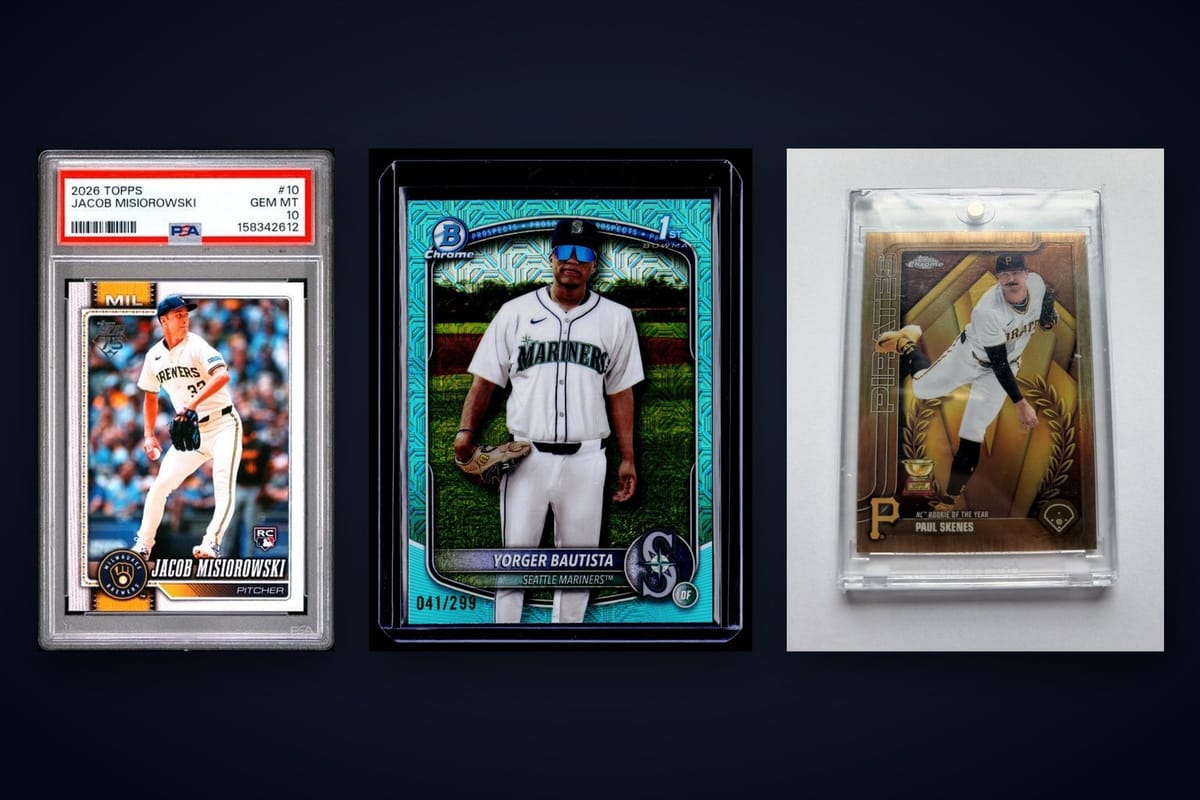
30-day price movers — live data from Midpoint's card database, as of 2026-09-30. Prices move; Midpoint refreshes these daily.
| Card | Raw | PSA 10 | 30-day | |
|---|---|---|---|---|
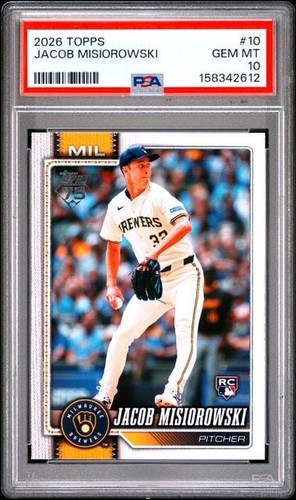 |
Jacob Misiorowski [1952 Variation] #10 2026 Topps |
$51.00 | $368.00 | -75.8% |
 |
Yorger Bautista [Aqua] #BCP-194 2025 Bowman Chrome Prospects |
$19.99 | $51.00 | -53.4% |
 |
Paul Skenes [Award Winners Variation] #300 2025 Topps Chrome |
$613.25 | — | -51.6% |
 |
Chief Bender #19 1915 Cracker Jack |
$127.16 | — | -44.5% |
 |
Babe Ruth #144 1933 Goudey |
$8,182 | $3,329,125 | -42.4% |
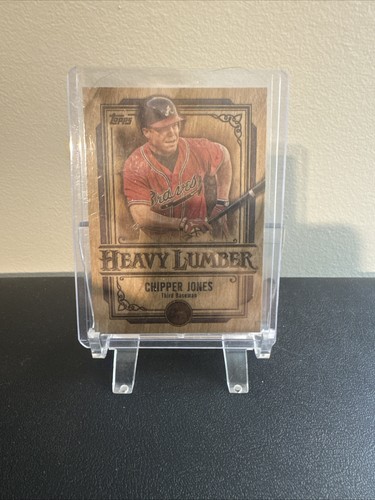 |
Chipper Jones #HL-48 2025 Topps Update Heavy Lumber |
$33.25 | $104.00 | -40.3% |
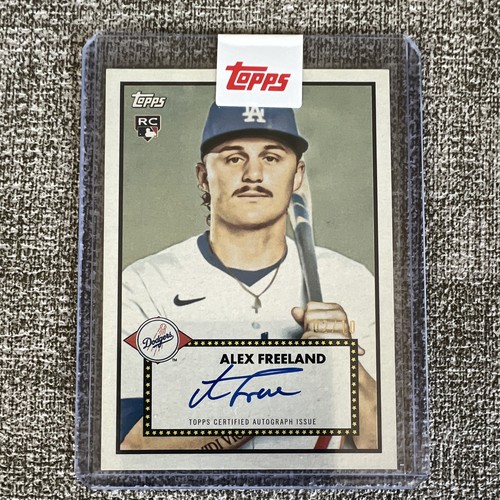 |
Alex Freeland [1952 Variation Autograph] #74 2026 Topps |
$16.06 | $99.87 | -38.7% |
 |
Charles Comiskey #23 1915 Cracker Jack |
$351.02 | — | -38.3% |
 |
Jordan Walker [Blue Foil] #BD-57 2020 Bowman Draft 1st Edition |
$36.50 | $193.87 | -35.4% |
 |
Dolly Stark #117 1940 Play Ball |
$16.67 | $5,650 | -34.1% |
 |
Yogi Berra #50 1954 Topps |
$62.00 | $14,891 | -33.2% |
 |
Cam Schlittler #HA-21 2026 Topps Series 2 Home Field |
$387.50 | — | -32.6% |
Look up any card's current raw and graded value in Midpoint — and get an estimated grade before you pay to submit.
1. October Playoff Performance Effects on Rookie Card Prices
October’s MLB playoffs often cause short-term price spikes for players who perform well under postseason pressure. However, as of 2026-09-30, many rookie cards have cooled off after the initial hype. For example, Pete Crow-Armstrong, who had a notable early October showing, saw his PSA 10 raw rookie card decline nearly 12% in value following the first two playoff rounds. Similarly, Cal Raleigh’s rookie cards dropped about 9% after a brief surge.
This pattern reflects a common market reaction: excitement during playoff runs boosts prices, but as supply catches up and fans refocus, prices often normalize or fall. Collectors should consider these temporary spikes versus sustainable long-term value, especially for rookies still establishing their careers.
- Look for rookie cards with consistent performance beyond October.
- Monitor playoff narratives but avoid chasing rapid price jumps.
- Use grading tools to identify undervalued copies in good condition.
2. Why Breakout Rookies Move More Than Established Stars
Breakout rookies typically see more dramatic price swings than established stars in October 2026. This is because rookie cards represent potential future value, and playoff success can validate that potential suddenly. Meanwhile, established stars’ cards tend to trade on long-term reputation and steady demand, which is generally less volatile.
For example, rookie cards of Pete Crow-Armstrong have fluctuated sharply due to his postseason visibility, whereas cards of veterans like Mike Trout or Juan Soto remained relatively stable, with declines under 3% despite the market softness. This differential highlights how hype and uncertainty can drive rookie card price movements more than proven player cards.
- Focus on breakout rookies with strong postseason narratives for short-term flips.
- Balance your portfolio with established stars to mitigate volatility.
- Track rookie card grading and centering for premium value potential.
3. Temporary Spikes vs. Long-Term Card Value Changes
Temporary October spikes in card prices often reflect hype from playoff performance or media attention but may not translate into long-term value gains. Mid-tier raw and base rookie cards commonly see these short-lived surges followed by price drops once the postseason ends.
As of the end of September 2026, many base rookie cards have dropped 10-15% from their peak October highs. However, vintage and iconic modern cards tend to hold value or decline less, benefiting from collector loyalty and scarcity. This divergence underscores the importance of distinguishing between hype-driven price movements and fundamental value trends.
- Avoid overpaying for hype-driven spikes without solid underlying reasons.
- Use grading accuracy to assess if a card’s quality justifies its price.
- Consider timing your purchases after playoff hype cools.
4. Which Player Types Usually See Little or No October Bump
Players with limited postseason exposure, inconsistent performance, or less market buzz typically see minimal price increases or even declines during October. For example, mid-tier veterans without playoff appearances or rookies struggling to break into the lineup showed price drops ranging from 5% to 12% as the market refocused on postseason stars.
Collectors should be cautious about expecting all cards to benefit from playoff narratives. Instead, tracking player usage and media attention is key to anticipating which cards might see actual price support during October and beyond.
- Monitor player performance and postseason participation closely.
- Avoid speculative buys on cards with little playoff relevance.
- Use Midpoint’s lookup features to compare raw vs graded value trends.
5. How the 2026 Postseason and World Series Timing Affects Prices
The timing of the 2026 postseason and World Series impacts card prices by concentrating collector attention and shifting demand toward standout performers. Cards of players who advance deep into October generally enjoy short-term price bumps, but once the World Series concludes, many prices retreat as demand normalizes.
Additionally, the release of new October 2026 cards tied to playoff moments can divert market attention. Collectors often allocate budgets to new releases, temporarily reducing demand for existing cards, especially mid-tier or base rookies, contributing to falling baseball card prices in October 2026.
- Plan purchases around postseason schedule to catch dips.
- Watch for new releases that may impact existing card values.
- Stay updated on player playoff longevity to time buys and sells.
6. Recent Market Movers Like Pete Crow-Armstrong and Cal Raleigh
Among recent movers, Pete Crow-Armstrong and Cal Raleigh stand out for their volatile October 2026 price trends. Crow-Armstrong’s rookie cards dropped 11.7% raw and 9.5% PSA 10 after early playoff hype faded. Raleigh’s cards fell 8.9% raw and 7.8% graded. These declines illustrate how playoff excitement can inflate prices temporarily before cooler market realities set in.
Collectors tracking these players should watch for consistent performance and consider grading well-centered raw copies to maximize future value, especially when prices are down.
- Use Midpoint’s digital grading to pre-grade cards before submitting.
- Target well-centered raw cards for grading submission during dips.
- Follow player news to anticipate rebounds or further declines.
7. New October 2026 Releases and Their Impact on Market Attention
October 2026 saw new card releases tied to postseason moments, which drew collector interest and spending. This influx of new supply and excitement can shift focus away from existing cards, pressuring prices on mid-tier and base cards. The market’s appetite for the latest releases often means older cards experience falling prices temporarily.
Collectors looking to buy the dip in existing cards should monitor release schedules and capitalize when attention shifts away from older sets.
- Track new release drops and market reactions closely.
- Balance investments between new releases and undervalued existing cards.
- Use Midpoint’s portfolio tracking to monitor value changes over time.
8. Grade Differences and PSA 10 Premiums in a Falling Market
Even as baseball card prices drop, PSA 10 graded cards generally maintain stronger premiums than raw counterparts. For example, mid-tier rookies’ PSA 10 versions declined less sharply—averaging 6-8% drops compared to 10-15% raw card falls. This grade premium reflects collector confidence in condition and rarity.
Understanding how grade impacts price resilience can guide collectors on whether to grade cards now or hold raw copies until the market stabilizes.
- Consider grading well-centered raw cards to capture PSA 10 premiums.
- Use Midpoint’s AI grading estimates to assess grade likelihood before paying.
- Check grading population data to identify low-population cards worth grading.
9. Flight to Quality: Vintage, Iconic Modern, and High-End Cards Holding Up Better
In October 2026’s weakening market, vintage and iconic modern cards, as well as high-end graded cards, generally hold up better than mid-tier or base rookies. Collectors often shift funds toward proven, scarce assets during market dips, creating a 'flight to quality' effect.
This trend emphasizes the value of focusing on premium cards with strong historical demand and verified high grades, which tend to depreciate less or recover faster after downturns.
- Prioritize acquiring high-grade vintage or iconic modern cards during dips.
- Leverage Midpoint’s centering and grading tools to authenticate premium condition.
- Monitor market signals for shifts back toward mid-tier cards as confidence returns.
10. Baseball Card Market Weakness in Mid-Tier Modern and Base Rookie Cards
Mid-tier modern and base rookie cards are among the hardest hit segments of the market in October 2026, facing price declines due to oversupply, fading hype, and competing new releases. These cards often lack the sustained demand that supports vintage or high-end modern cards, making them vulnerable during market corrections.
Collectors may find opportunities here to buy quality raw cards at a discount and grade or hold them for long-term appreciation once the market recovers.
- Use Midpoint’s tools to identify well-centered raw cards to grade affordably.
- Buy during dips but maintain realistic expectations about recovery timelines.
- Keep track of player development to spot potential breakout candidates early.
Conclusion
Baseball card prices dropping October 2026 reflect a market adjusting after postseason hype and new releases, with mid-tier and base rookie cards experiencing notable declines. Breakout rookies show more volatility, while vintage and high-end graded cards demonstrate relative resilience. Collectors can use this dip strategically—targeting well-centered raw cards for grading, buying undervalued assets, and balancing portfolios with stable stars. Tools like Midpoint offer AI-powered grading and centering analysis to pre-grade cards confidently before costly submissions, helping collectors maximize value in a changing market.
FAQ
Q: Do baseball card prices drop after October playoffs end?
A: Many cards, especially mid-tier rookies and base cards, often see price declines after the playoff hype fades, as supply balances demand and collector focus shifts.
Q: Which baseball cards are most likely to rise during MLB playoffs?
A: Breakout rookie cards and players performing well in the postseason typically see the largest temporary price increases, while established stars show steadier, less volatile trends.
Q: Are rookie cards better to buy before or after the postseason?
A: Buying after the postseason dip can be advantageous, especially if you use grading tools like Midpoint to identify well-centered raw cards that may increase in value once the market stabilizes.
Q: Why do some baseball cards fall in price even when a player is hot?
A: Factors like oversupply, new card releases, fading hype, and market rotation toward other players or sets can cause prices to drop despite strong individual performance.
Q: What baseball card sets or players are worth watching in October 2026?
A: Focus on breakout rookies like Pete Crow-Armstrong and Cal Raleigh, vintage and iconic modern cards, and new releases tied to postseason highlights.
Q: Are graded cards holding value better than raw cards right now?
A: PSA 10 and other top-graded cards generally maintain price premiums and experience smaller declines compared to raw cards during this market weakness.
Free to start
Try the Midpoint app
Grade any card from a photo, see its raw and PSA 10 value, and track what your collection is worth — free.
Get it on iPhoneGet it on Android