Baseball Card Prices Dropping September 2026: What Collectors Need to Know
Explore why baseball card prices are dropping in September 2026, which cards lost value, and how to buy the dip with smart grading strategies.

Estimated reading time: 8 min
Key Takeaways
- Baseball card prices have shown declines in September 2026, influenced by supply and market dynamics.
- Modern base cards, especially from 2026 Topps Chrome and Bowman, have experienced notable price decreases.
- Vintage and low-population cards tend to retain value relatively better amid price fluctuations.
- PSA 10 graded cards have softened but generally maintain premiums over ungraded copies.
- Using sold comps and AI grading tools can assist collectors in pricing cards more accurately and identifying buying opportunities.
September 2026 reflects a cooling period in the baseball card market, with prices declining across many popular series. Collectors face a landscape where modern base cards soften more noticeably, while vintage and high-end cards appear steadier. This listicle explores recent trends, highlights which cards are seeing the largest value changes, and offers tips on navigating the evolving market using tools like Midpoint. Whether considering grading a well-centered card or searching for bargains, understanding current market conditions is important.
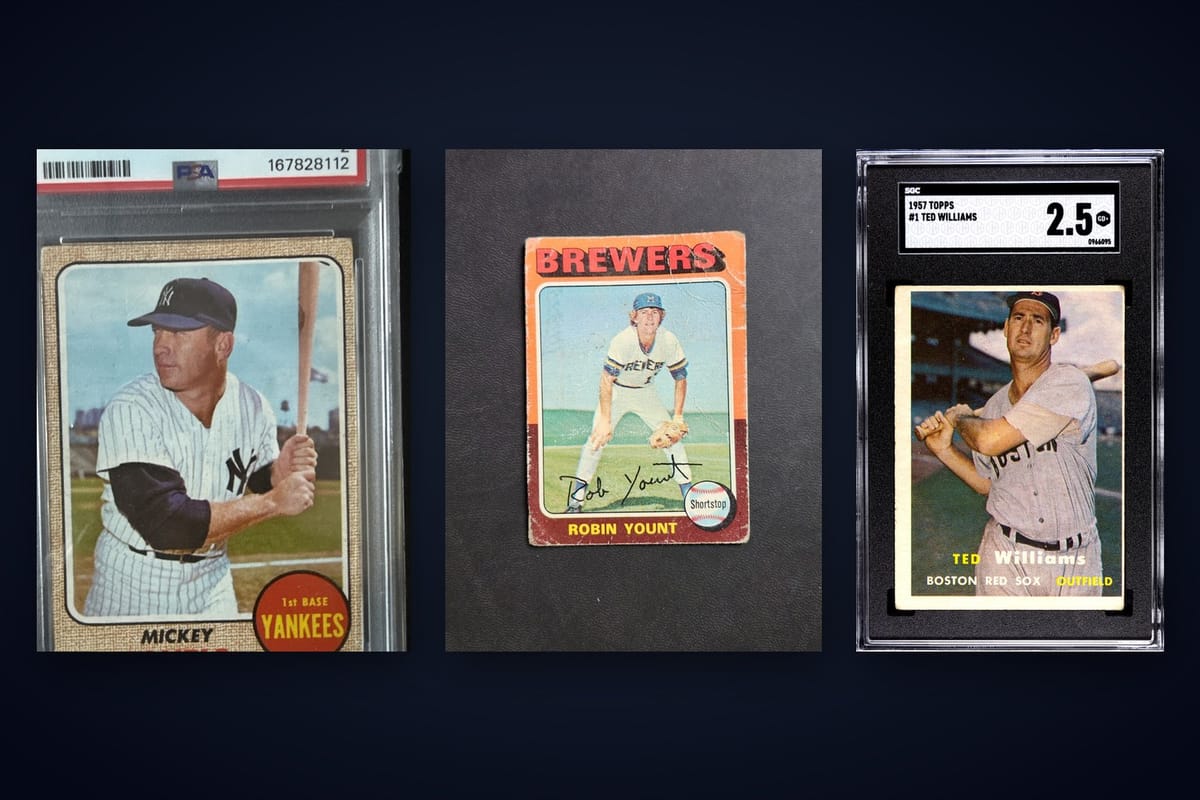
30-day price movers — live data from Midpoint's card database, as of 2026-08-30. Prices move; Midpoint refreshes these daily.
| Card | Raw | PSA 10 | 30-day | |
|---|---|---|---|---|
 |
Mickey Mantle #280 1968 Topps |
$228.00 | $139,200 | -40.5% |
 |
Robin Yount #223 1975 Topps |
$26.99 | $50,772 | -39.5% |
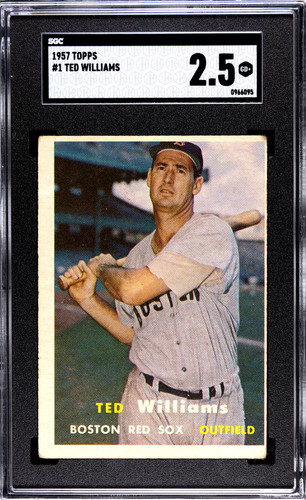 |
Ted Williams #1 1957 Topps |
$147.58 | $66,240 | -37.9% |
![Ted Williams [Gray Back] #5 1956 Topps card](https://i.ebayimg.com/images/g/z2YAAeSwGs1qcqKP/s-l500.jpg) |
Ted Williams [Gray Back] #5 1956 Topps |
$147.12 | $31,525 | -37.4% |
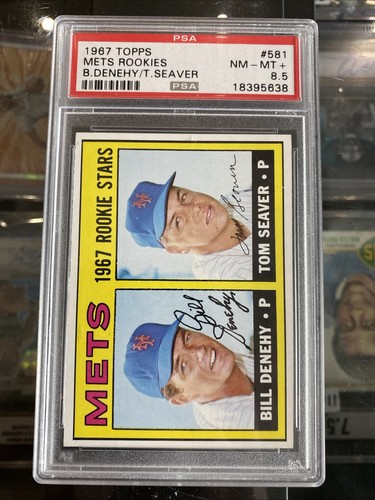 |
Mets 1967 Rookie Stars #581 1967 Topps |
$819.53 | $119,116 | -34.8% |
 |
Willie Mays #261 1952 Topps |
$2,610 | $635,939 | -30.6% |
 |
Ted Williams #165 1951 Bowman |
$217.29 | $55,179 | -28.7% |
![Derek Jeter [Foil] #279 1993 SP card](https://i.ebayimg.com/images/g/TnIAAeSw5ctqe8Vv/s-l500.jpg) |
Derek Jeter [Foil] #279 1993 SP |
$136.50 | $183,000 | -28.3% |
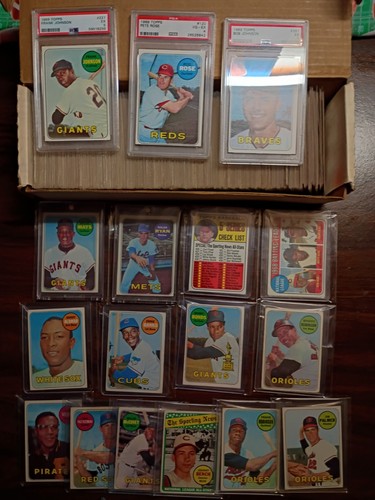 |
Complete Set 1969 Topps |
$3,599 | — | -27.2% |
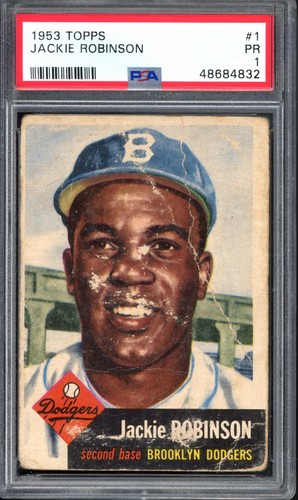 |
Jackie Robinson #1 1953 Topps |
$858.07 | $161,675 | -26.7% |
 |
Charley Gehringer #222 1933 Goudey |
$199.25 | $52,736 | -24.7% |
 |
Ed Whitey Ford #1 1951 Bowman |
$112.88 | $48,430 | -24.6% |
Look up any card's current raw and graded value in Midpoint — and get an estimated grade before you pay to submit.
1. Market Overview: Why Are Baseball Card Prices Changing in September 2026?
Factors contributing to price declines this September include increased production, availability of junk wax-era reprints, and shifting collector interest around 2026 releases. Higher supply combined with cautious demand has influenced values after a strong market earlier in the year.
Specifically, the 2026 Topps Chrome and Bowman sets have seen increased supply, which has affected scarcity and contributed to price decreases. Interest around rookies and inserts has moderated, leading to a more balanced market environment.
- Increased production results in more inventory on secondary markets.
- Reprints from the junk wax era add to market supply, impacting vintage card premiums.
- Collector focus appears to be shifting from base cards toward vintage and rarer parallels.
2. Modern Base Cards Show Notable Declines
Among card types, base cards from 2026 Topps Chrome and Bowman have experienced some of the largest price decreases. As of late August 2026, average raw base card prices for Topps Chrome rookies reportedly fell by approximately 15% month-over-month, with PSA 10 graded copies also showing declines.
These base cards, often entry points for collectors, are affected by market saturation. Inserts and parallels have also softened but generally less sharply, as limited print runs provide some support.
3. Inserts, Parallels, and Autographs: Mixed Performance
Inserts and parallels from 2026 sets have softened but tend to be more resilient than base cards. Autographed cards, particularly lower-grade or ungraded examples, show more price variability as buyers focus on player popularity and card condition.
Collectors may find that limited edition parallels and rookie autographs with scarcity factors tend to hold value better during downturns.
- Inserts have seen moderate declines recently.
- Parallels with print runs under 1,000 generally maintain value better.
- Autograph card values vary widely depending on player and condition.
4. Vintage Cards Hold Value Amid Market Changes
While modern cards have softened, vintage cards from pre-1990s eras have remained relatively steady or shown slight appreciation. Limited supply and ongoing nostalgic demand support vintage pricing.
Collectors seeking to mitigate volatility may consider vintage cards with strong provenance and grading population reports, which have historically shown resilience during market adjustments.
5. PSA-Graded vs. Ungraded: Value Differences in a Changing Market
PSA 10 cards continue to command premiums but have experienced some value declines in September 2026. Ungraded cards, especially those with centering or surface issues, have generally seen larger price decreases.
This difference underscores the importance of condition and grading quality, making pre-grading tools like Midpoint useful for collectors before submitting cards for grading.
6. Using Sold Comps Instead of Guide Prices for Accurate Valuation
With fluctuating baseball card prices, relying solely on outdated guide prices may not reflect current market realities. Sold comps from recent transactions provide more accurate, real-time data.
Midpoint’s card lookup offers access to raw and graded values based on actual sales, helping collectors price cards more fairly and identify potential bargains during market dips.
7. Seasonality and Release Cycles Affect Card Prices
September often brings seasonal declines as the baseball season winds down and collector interest shifts. Additionally, new releases in 2026 add supply pressure to the market.
Collectors should anticipate possible temporary dips but also watch for upcoming releases that may renew demand for sought-after rookie cards or special inserts.
8. Players and Cards Still Appreciating Despite the Decline
Not all cards are declining in value. Some players with breakout performances or limited rookie cards have shown price appreciation. As of late August 2026, certain rookies from Topps and Bowman series reportedly gained value despite broader market softness.
Focusing on these exceptions may offer collectors upside potential even during a general market downturn.
9. How to Buy the Dip: Grading Well-Centered Cards
Purchasing cards during a price dip can present opportunities if collectors focus on condition. Cards with strong centering, edges, and surface quality tend to retain value better when the market recovers.
Using AI-powered grading apps like Midpoint before submission can help identify cards with strong centering and condition, potentially avoiding costly grading on lower-potential cards.

Learn more about how centering impacts card value in detail here.
10. Tips for Collectors to Navigate Falling Baseball Card Prices
- Use real-time sold comps to price cards more accurately.
- Focus on vintage and low-population cards for greater stability.
- Leverage digital grading tools to pre-grade cards before submission.
- Be patient: price dips can offer buying opportunities for long-term gains.
- Monitor player performance and set releases for potential market rebounds.
Conclusion
Baseball card price changes in September 2026 reflect market adjustments influenced by supply and shifting collector interest. While modern base cards have experienced notable declines, vintage and rare cards tend to maintain value better. Collectors can take advantage of this environment by using data-driven approaches such as sold comps and AI grading estimates from tools like Midpoint to make informed buying and grading decisions. Staying informed and strategic can help collectors navigate the evolving market and position for potential future appreciation.
FAQ
Q: Why are baseball card prices changing in September 2026?
A: Prices are influenced by factors such as increased production, availability of junk wax-era reprints, and shifting collector interest around 2026 releases, leading to changes in supply and demand.
Q: Which baseball cards are experiencing the most value changes right now?
A: Modern base cards from 2026 Topps Chrome and Bowman sets have seen some of the largest price decreases, with raw prices down approximately 15% and PSA 10 grades also declining as of late August 2026.
Q: Are 2026 Topps and Bowman cards dropping in price?
A: Yes, both Topps Chrome and Bowman 2026 cards have experienced price declines, especially base rookies, due to increased supply and changes in collector demand.
Q: Do PSA 10 baseball cards still hold value when the market cools?
A: PSA 10 cards generally hold value better than ungraded copies, though they have softened somewhat recently. High-grade condition remains important for maintaining value.
Q: Is this baseball card price change a temporary correction or a longer-term trend?
A: Current information suggests this is a market correction influenced by seasonal and supply factors rather than a long-term crash. Collectors may find opportunities to buy during dips for potential future gains.
Q: Which baseball card types are considered safer to buy during a downturn?
A: Vintage cards, low-population parallels, and well-graded rookie autographs are generally viewed as more stable during downturns, as they tend to retain value better than oversupplied modern base cards.
Free to start
Try the Midpoint app
Grade any card from a photo, see its raw and PSA 10 value, and track what your collection is worth — free.
Get it on iPhoneGet it on Android