Baseball Card Value: How to Identify, Grade, and Maximize Worth
Discover how to determine baseball card value through identification, grading, and market trends to maximize your collection's worth.


Estimated reading time: 14 min
Key Takeaways
- Understanding a baseball card's year, manufacturer, set, and player is key to identification and accurate valuation.
- Condition grading, including centering, corners, edges, and surface, significantly impacts baseball card value, often increasing prices substantially.
- Vintage and modern cards differ widely in scarcity, print runs, and market demand — knowing these distinctions helps collectors and sellers.
- Use recent sold prices from auction sites, dedicated price databases, and grading company reports for up-to-date and realistic valuation.
- Leverage tools like Midpoint to digitally pre-grade cards, measure centering precisely, and track your collection’s value trends over time, optimizing your selling or grading strategy.
Card values — live data from Midpoint's card database, as of 2026-09-04. Prices move; Midpoint refreshes these daily.
| Card | Raw | PSA 10 | Gem premium | |
|---|---|---|---|---|
 |
1952 Farewell to [Baseball?] #45 1959 Fleer Ted Williams |
$10.94 | $2,153 | 196.8× |
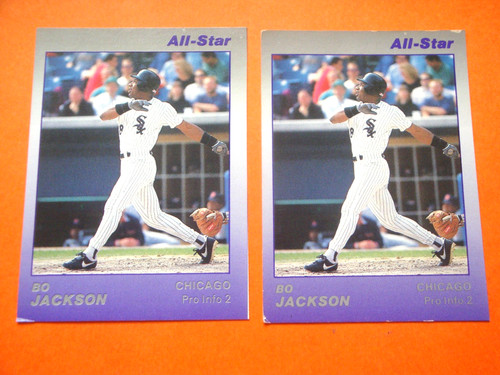 |
Bo Jackson [Baseball, Football] #88 1991 Star Home Run Series |
— | $480.00 | — |
 |
Bo Jackson [Baseball/Football] #106 1991 Star Silver Edition |
— | $460.00 | — |
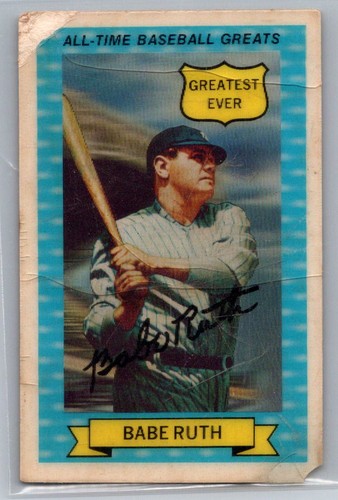 |
Babe Ruth [Baseball Greats] #6 1970 Rold Gold Pretzels |
$11.88 | $379.81 | 32× |
 |
Walter Johnson [Baseball Greats] #1 1970 Rold Gold Pretzels |
$5.12 | $370.55 | 72.4× |
 |
Mickey Cochrane [Baseball Greats] #4 1970 Rold Gold Pretzels |
$5.99 | $356.28 | 59.5× |
 |
John McGraw [Baseball Greats] #3 1970 Rold Gold Pretzels |
$7.17 | $338.89 | 47.3× |
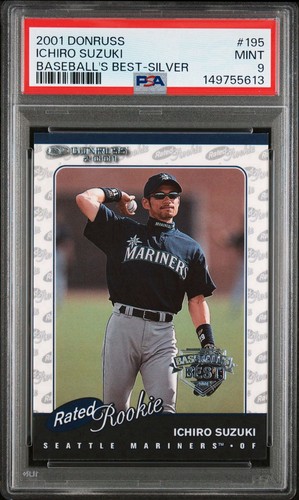 |
Ichiro Suzuki [Baseball's Best Silver] #195 2001 Donruss |
$28.51 | $325.00 | 11.4× |
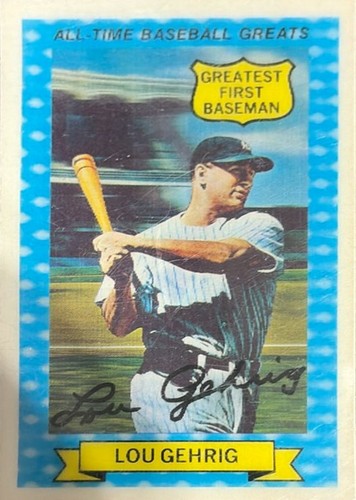 |
Lou Gehrig [Baseball Greats] #13 1970 Rold Gold Pretzels |
$9.99 | $255.00 | 25.5× |
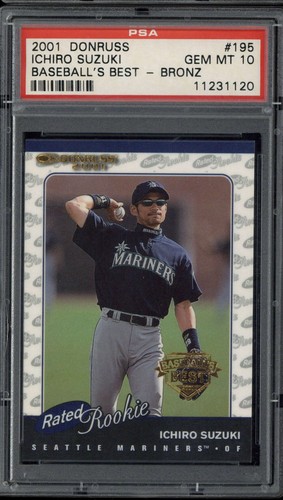 |
Ichiro Suzuki [Baseball's Best Bronze] #195 2001 Donruss |
$126.22 | $200.00 | 1.6× |
Look up any card's current raw and graded value in Midpoint — and get an estimated grade before you pay to submit.
Table of Contents
- Section 1: Identifying Baseball Cards Precisely
- Section 2: Key Factors Affecting Baseball Card Value
- Section 3: Vintage Versus Modern Baseball Card Values
- Section 4: Understanding Condition and Grading
- Section 5: Checking Current Baseball Card Prices
- Section 6: Valuable Baseball Card Categories and Examples
- Section 7: Estimating, Selling, and Appraising Your Collection
Conclusion
FAQ
Section 1: Identifying Baseball Cards Precisely
Year, Manufacturer, and Set
Precisely identifying a baseball card is the foundation of determining its value. The year printed on the card denotes the set's release and situates the card historically, impacting rarity and desirability. For example, a 1970 Rold Gold Pretzels card is notably different in context and demand compared to a 2001 Donruss card, reflecting differences in player popularity, print quantities, and collector interest over 30 years.
The manufacturer also plays a key role. Iconic companies like Topps, Fleer, Donruss, Upper Deck, and Bowman each have distinct reputations, print qualities, and collector followings. For instance, Topps’ 1952 set is widely regarded as legendary, whereas Donruss was a dominant manufacturer in the 1980s and 1990s. Understanding the manufacturer helps identify card authenticity and relative scarcity.
The set name provides further granularity, as many manufacturers release multiple sets per year, including base, inserts, parallels, and special editions. Some sets, such as the 1989 Upper Deck base set, are more sought after than others due to rookie cards or limited production. Sets may also feature subsets or series, like the 1991 Star Home Run Series, which includes premium cards within a larger collection.
Cards typically have the year and manufacturer printed on the back or front border, but subtle variations can occur. For example, Topps sometimes changed logos or printing techniques mid-run, affecting card identification and value. Collectors should cross-reference multiple identifiers including card stock, gloss, and printing errors to confirm the exact set and year.
Card Number and Player Identification
Every card within a set has a unique card number, usually printed in a corner or along the back’s lower edge. This number is critical for precise identification, as multiple cards may feature the same player in different years, sets, or variations. For example, the 1970 Rold Gold Pretzels Babe Ruth card is #6, while other cards in the set have different numbers.
Player identification is equally essential. The player's name and image are prominently displayed on the front, and star players or Hall of Famers often carry a premium. Rookie cards—typically the player’s first officially licensed card—are especially valuable. For instance, the 1989 Upper Deck Ken Griffey Jr. rookie card (#1 in the set) is highly sought after due to its rookie status and the player’s notable career.
Ensure accurate player ID by cross-checking names, photos, and team logos, as some cards might have misprints or feature players who changed teams mid-season. For example, a 2001 Donruss Ichiro Suzuki card would feature his Mariners uniform, helping confirm identity.
Rookie Status, Parallels, Inserts, and Variations
Determining if a card is a rookie card is a critical step. Rookie cards often hold the highest value within a player's portfolio. The rookie designation can sometimes be subtle—look for "RC" logos, rookie year dates, or confirmation via reputable databases.
Parallels are alternative versions of base cards, often distinguished by unique foil stamping, colors, serial numbers, or print runs. For example, a refractor or a gold parallel from a 2011 Topps set may be numbered to 25 copies, increasing scarcity and value over the common card. Collectors prize these parallels especially when featuring star players or rookies.
Inserts are cards included in packs at lower quantities than the base set, often featuring special designs, autographs, or memorabilia swatches. Inserts such as "Diamond Kings" or "Superfractors" can significantly enhance a card's worth.
Variations refer to subtle differences within the same set, such as alternate photo shots, different team logos, or printing errors. Error cards—like miscut borders or wrong player names—are rarer and sometimes more valuable due to their uniqueness.
With over 250,000 cards in Midpoint’s database, collectors can quickly look up raw versus graded values and confirm card specifics before investing in grading or selling. For example, the 1959 Fleer Ted Williams #45 card shows a raw price of $10.94 but a PSA10 graded price reported as $2,153 as of 2026-09-04, demonstrating the impact of condition and grading.
Section 2: Key Factors Affecting Baseball Card Value
Player Popularity and Hall of Fame Status
Player popularity is a major factor determining baseball card value. Cards featuring legendary players such as Babe Ruth, Lou Gehrig, Walter Johnson, Mickey Mantle, and Willie Mays often command premium prices. Hall of Fame inductees generally retain or appreciate in value due to enduring collector demand.
For example, the 1970 Rold Gold Pretzels Babe Ruth #6 card has a raw value of approximately $11.88 but can fetch significantly higher prices when graded PSA10, indicating a gem premium. This premium reflects both the player’s iconic status and the desirability of a top-grade example.
Emerging stars or recent retirees can also see increases in value as collector interest grows, especially if they earn Hall of Fame induction. Player popularity is affected by career achievements, charisma, and marketability, influencing card desirability over time.
Scarcity and Print Run
Scarcity is a key driver of card value. Cards with low print runs or limited parallel versions tend to be more valuable. For instance, numbered parallels limited to 25 or fewer copies, serial-numbered autographed cards, or patch cards featuring game-used memorabilia are far scarcer than base cards.
Print run information is sometimes available through manufacturer checklists or verified serial numbers printed on the card. For example, a 2015 Topps Chrome Mike Trout Superfractor is a one-of-one card and thus commands extreme value.
Scarcity also depends on era; pre-war cards were printed in smaller quantities and are rarer in high-grade condition due to age and handling. Conversely, the 1986–1991 junk wax era flooded the market with mass-produced cards, lowering scarcity and raw market values.
Era, Condition, and Authenticity
The card’s era plays a significant role in value because of differing print runs, paper quality, and survival rates. Vintage cards from the pre-war period and 1950s are generally rarer and more fragile, increasing their value when well-preserved. For example, Walter Johnson’s 1970 Rold Gold Pretzels #1 card shows a raw price of $5.12 but can command much higher prices when graded PSA10, reflecting a gem premium.
Condition is paramount. Cards with sharp corners, clean edges, perfect centering, and flawless surfaces are prized. Cards with creases, stains, or edge chipping experience steep value drops. Authentication and grading services like PSA, Beckett (BGS), Certified Guaranty Company (CGC), and TAG provide objective assessments and legitimacy.
Authentication is essential in modern markets to verify autographs, patch cards, and detect counterfeits. Graded cards are slabbed in tamper-evident holders, providing buyer confidence and often commanding higher sale prices.
Section 3: Vintage Versus Modern Baseball Card Values
Vintage Card Value Characteristics
Vintage cards typically include pre-war issues and iconic 1950s sets, such as the 1952 Topps Mickey Mantle. These cards are scarce due to limited print runs and the passage of time, which results in fewer surviving mint-condition examples.
For example, the 1970 Rold Gold Pretzels Walter Johnson #1 card has a raw price around $5.12 but can command significantly higher prices when graded PSA10, highlighting rarity and demand for top condition. Vintage cards often have unique printing processes, such as thicker card stock or linen finishes, which can affect grading and preservation.
Vintage card markets are sensitive to provenance and condition. Cards with original gum or paper wrappers intact can command extraordinary premiums. Additionally, vintage cards may include rare variations or error cards, making specific examples highly sought after.
Modern Card Value Characteristics
Modern cards, particularly those from the 1980s junk wax era (roughly 1986–1991), are mass-produced and generally less valuable in raw form due to overproduction. However, superstar rookies, autographed cards, and limited parallels remain in high demand.
For instance, Bo Jackson’s 1991 Star Home Run Series #88 card commands notable value in high grade, due to the player’s popularity and the card’s scarcity within that series. The modern market also prioritizes autographed cards, patch cards, and rare insert sets.
Recent cards incorporate unique features like serial numbering, holograms, and embedded memorabilia, driving collector interest. The rise of digital cards and NFTs represent emerging trends, though physical cards remain dominant.
Rookie Cards and Market Trends
Rookie cards across both vintage and modern sets drive significant market activity. The 1989 Upper Deck Ken Griffey Jr. rookie card is a modern benchmark, with high-grade examples selling for thousands of dollars. Vintage rookies like the Honus Wagner T206 card remain among the most valuable cards, often selling for millions at auction.
Market demand for rookies fluctuates with player performance, Hall of Fame inductions, and collector sentiment. For example, Shohei Ohtani’s 2018 rookie cards increased in value following his MVP seasons. Monitoring player careers and market trends is essential for timing purchases and sales.
Section 4: Understanding Condition and Grading
Raw Versus Graded Cards
Raw cards, also called ungraded cards, are sold as-is without a professional assessment of condition. They typically carry lower prices but offer opportunities for collectors willing to grade and authenticate them. However, raw cards can vary widely in condition, so careful inspection is vital.
Graded cards are professionally evaluated and encapsulated in tamper-evident holders with a numeric grade (1–10) indicating condition quality. The difference in value between raw and high-grade cards can be substantial. For example, the 2001 Donruss Ichiro Suzuki Baseball's Best Silver #195 card has a raw value of $28.51 but a PSA10 graded value reported as $325.00, reflecting a premium.
High grades like PSA9 or PSA10 (Mint or Gem Mint) typically command the highest prices, while mid-range grades (PSA6–8) still add value over raw cards but at lower premiums. Low grades (below PSA5) often have minimal premiums.
Grading Companies and Scales
Major grading companies include:
- PSA (Professional Sports Authenticator): The industry leader with a 1–10 grading scale, known for strict centering standards and high resale premiums.
- BGS (Beckett Grading Services): Uses a 1–10 scale with subgrades for centering, corners, edges, and surface, providing detailed insight into card condition. BGS 9.5 and 10 grades are highly prized.
- CGC (Certified Guaranty Company): A newer entrant with growing acceptance, offering a 1–10 scale and transparent grading criteria.
- TAG Grading: Known for rapid turnaround and competitive pricing, also uses a 1–10 scale.
Each company emphasizes different aspects of condition, so grades can vary slightly. PSA is most recognized by collectors and often yields higher market premiums, but BGS subgrades can highlight strengths and weaknesses.
Key Grading Factors: Centering, Corners, Edges, Surface
Grading evaluates four primary factors:
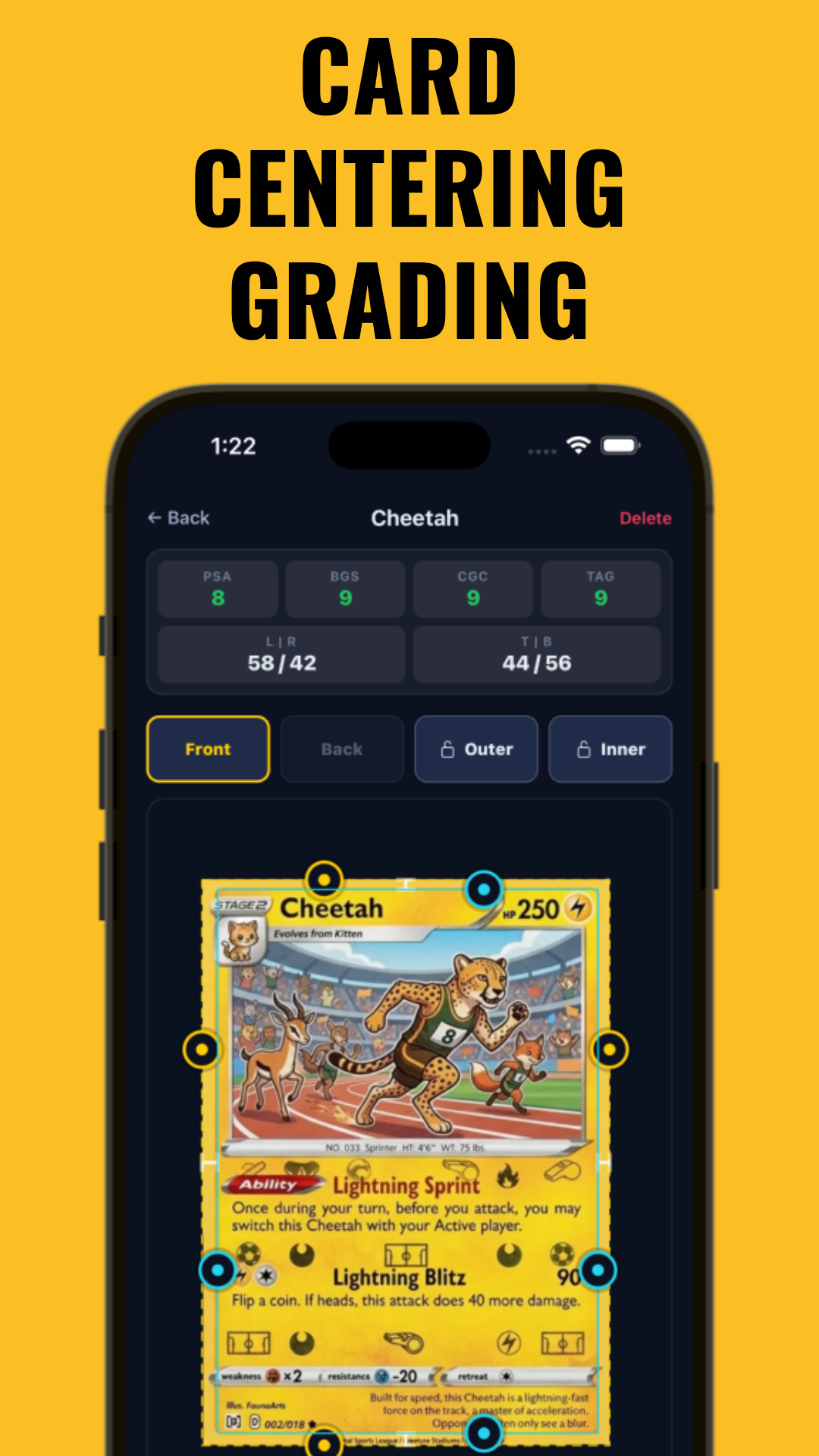
- Centering: Measures how well the image is aligned within the card borders. Perfect centering is rare and can multiply value. For example, a perfectly centered 1952 Fleer Ted Williams card graded PSA10 can be worth significantly more than raw.
- Corners: Should be sharp and free of dings or fraying. Corner wear drastically reduces grade.
- Edges: Should be clean and free of chipping or whitening.
- Surface: No creases, scratches, stains, or printing defects. Surface condition is critical for visual appeal.
Centering is often the most contentious and impactful factor. Cards off-center by just a few millimeters can drop from PSA10 to PSA9 or lower, affecting value substantially.
Midpoint’s AI digital grading tool allows collectors to precisely measure centering and get instant grade estimates across PSA, BGS, CGC, and TAG criteria before submitting cards for professional grading. This helps collectors avoid costly grading fees on cards unlikely to achieve high grades, optimizing investment.
Learn more about how centering impacts card value and how to use digital tools to assess your cards.
Section 5: Checking Current Baseball Card Prices
Use Sold Listings and Auction Results
The most accurate way to determine current baseball card value is by reviewing recent sold listings on platforms like eBay, Heritage Auctions, or SCP Auctions. Sold prices reflect market demand and buyer willingness to pay, unlike listing prices which are often aspirational.
When searching, filter results by condition (raw or graded with specific grades) and ensure the card matches your exact year, manufacturer, and variant. For example, a PSA9 Lou Gehrig 1970 Rold Gold Pretzels card might sell for a different price than a PSA10.
Regularly tracking sold results provides insight into price trends, seasonal fluctuations, and the impact of player news on card value.
Card Databases and Price Guides
Price databases and guides aggregate historical and recent sales data to provide estimated card values. Midpoint’s app currently catalogs over 250,000 cards with up-to-date raw and graded prices, updated daily as new sales data is analyzed.
Traditional price guides like Beckett and PSA price charts remain useful for baseline values and historical trends but can lag behind live market changes by several weeks or months. Using multiple sources gives a balanced perspective.
Grade-Specific Sales and Market Nuances
Since condition dramatically influences price, always compare cards sold at the same grade level. For example, the 1970 Rold Gold Pretzels Lou Gehrig #13 card’s raw price is approximately $9.99, but at PSA10, it can jump significantly, reflecting a premium. Mid-grade sales (PSA7–8) may fall between raw and gem mint prices.
Market nuances also affect values, such as the popularity of the player at the time, scarcity of high-grade examples, and the presence of recent grading trends or auction hype.
Using Midpoint’s historical pricing charts and live market updates helps collectors spot rising values and make informed buying or selling decisions.
Section 6: Valuable Baseball Card Categories and Examples
Hall of Fame Rookies and Iconic Vintage Cards
Cards featuring Hall of Fame rookies or iconic vintage players are among the most valuable categories. The 1952 Topps Mickey Mantle rookie card is a prime example, with high-grade versions selling for hundreds of thousands of dollars, sometimes topping $1 million for PSA10 slabs.
Similarly, the 1970 Rold Gold Pretzels series includes Babe Ruth, Walter Johnson, and Mickey Cochrane cards that show significant gem premiums when graded. For instance, the Babe Ruth card (#6) has a PSA10 value reported around $379.81 compared to under $12 raw.
Other noteworthy vintage rookies include Honus Wagner’s T206 card, which is extremely rare and highly valuable, and 1933 Goudey cards featuring stars like Dizzy Dean.
Modern Superstar Rookies and Numbered Parallels
Modern rookie cards from stars like Mike Trout, Shohei Ohtani, and Juan Soto attract strong demand. Limited-edition numbered parallels and refractors introduce scarcity and uniqueness that boost value significantly. For example, a 2011 Topps Chrome Mike Trout Superfractor (1/1) has sold for tens of thousands of dollars.
Bo Jackson’s 1991 Star Home Run Series #88 card is valued notably in PSA10 grade, reflecting his unique appeal and the set’s rarity. Autographed cards and patch cards—featuring pieces of game-worn jerseys—are highly prized and often numbered to low print runs.
Error Cards and Autographed Patches
Error cards, which contain printing or design mistakes such as reversed images, incorrect stats, or misspelled names, are rare and collectible. Some famous error cards have appreciated significantly due to their novelty and scarcity.
Autographed cards require professional authentication to confirm signature legitimacy. Patch cards with embedded memorabilia require provenance to avoid counterfeits. These premium categories often command prices multiple times higher than base cards, particularly when combined with rookies or star players.
Section 7: Estimating, Selling, and Appraising Your Collection
Authentication and Grading Decisions
Before selling or insuring your collection, consider professional authentication and grading carefully. Use Midpoint’s AI grading tool to pre-grade cards digitally, evaluating centering and overall condition to identify candidates likely to earn high grades.
Because grading fees range from $20 to over $100 depending on service and turnaround time, prioritize cards where grading can significantly increase value. For example, rookie cards or star player cards with potential PSA9 or PSA10 grades are worth grading, while common cards in poor condition may not justify the expense.
Seller Fees, Insurance, and Taxes
When selling, factor in marketplace or auction house fees that typically range from 10% to 20% of the sale price. For example, eBay charges around 12.35% on sports cards sales, which impacts your net proceeds.
Insurance is essential for valuable collections. Accurate grading certificates and documentation simplify insurance claims in case of loss or damage. Store insurance policies should be updated regularly to reflect current market values.
Tax implications depend on jurisdiction but usually include capital gains tax on profits from card sales. Keep thorough records of purchase price, sale price, grading fees, and related expenses to accurately report gains.
Realistic Net Proceeds and Market Timing
Set realistic expectations for sale prices based on current market conditions and card condition. Not all cards will sell at peak values, especially raw or low-grade examples. Monitor trends in player popularity, Hall of Fame inductions, and set anniversaries that can spike prices.
Maintaining a portfolio tracker like Midpoint allows you to observe collection value trends over time, helping you decide when to hold or sell. Using such tools can maximize returns and minimize risk.
For advice on protecting your cards after purchase, see our comprehensive guide on how to store valuable cards, which covers sleeves, top loaders, magnetic holders, and climate considerations.
Conclusion
Understanding baseball card value requires a multifaceted approach involving precise identification, condition grading, and current market research. Factors such as player popularity, scarcity, condition, and era all play critical roles in determining price.
Modern digital tools like the Midpoint app empower collectors to digitally pre-grade cards, precisely measure centering, and track portfolio values over time, reducing risk before costly grading submissions and optimizing collection management.
By carefully evaluating raw versus graded prices, consulting recent sold listings, and recognizing valuable card categories, collectors and sellers can maximize their return and enjoyment. Whether you hold vintage treasures like the 1970 Rold Gold Pretzels Babe Ruth or modern rookies like Bo Jackson, informed decisions and accurate grading estimates are keys to success.
Explore Midpoint to start measuring your baseball card value instantly and manage your collection like a pro.
FAQ
Q: How do I find out how much my baseball cards are worth?
A: Use recent sold prices from trusted auction sites like eBay, consult price guides, and utilize card lookup tools like Midpoint to compare raw and graded values for precise valuation. Always confirm card specifics including year, manufacturer, set, and condition.
Q: What baseball cards are worth money?
A: Cards featuring Hall of Fame players, rookie cards, limited parallels, autographs, and vintage cards from scarce print runs generally hold significant value. Condition and authenticity are critical factors.
Q: How can I identify a valuable baseball card?
A: Identify the card’s year, manufacturer, set, card number, and player. Check for rookie status, parallels, autographs, and special inserts. Condition and grading also affect value significantly.
Q: Are old baseball cards worth anything?
A: Many vintage cards are valuable, especially if in good condition and featuring popular players. However, condition, rarity, and authenticity are essential factors determining worth.
Q: Is it better to sell baseball cards raw or get them graded?
A: Graded cards often sell for higher prices but grading involves fees and processing time. Use tools like Midpoint to pre-grade and decide which cards merit professional grading to maximize value.
Q: Where can I check baseball card values using recent sold prices?
A: Platforms like eBay sold listings, auction results, and specialized apps such as Midpoint provide up-to-date sales data specific to card grades and conditions, offering the most accurate valuation.
Free to start
Try the Midpoint app
Grade any card from a photo, see its raw and PSA 10 value, and track what your collection is worth — free.
Get it on iPhoneGet it on Android