
Best 1963 Hockey Cards: Value, Rookie Stars & Grading Guide
Discover the best 1963 hockey cards worth money, key rookies, PSA 10 premiums, and grading tips to maximize your collection's value.

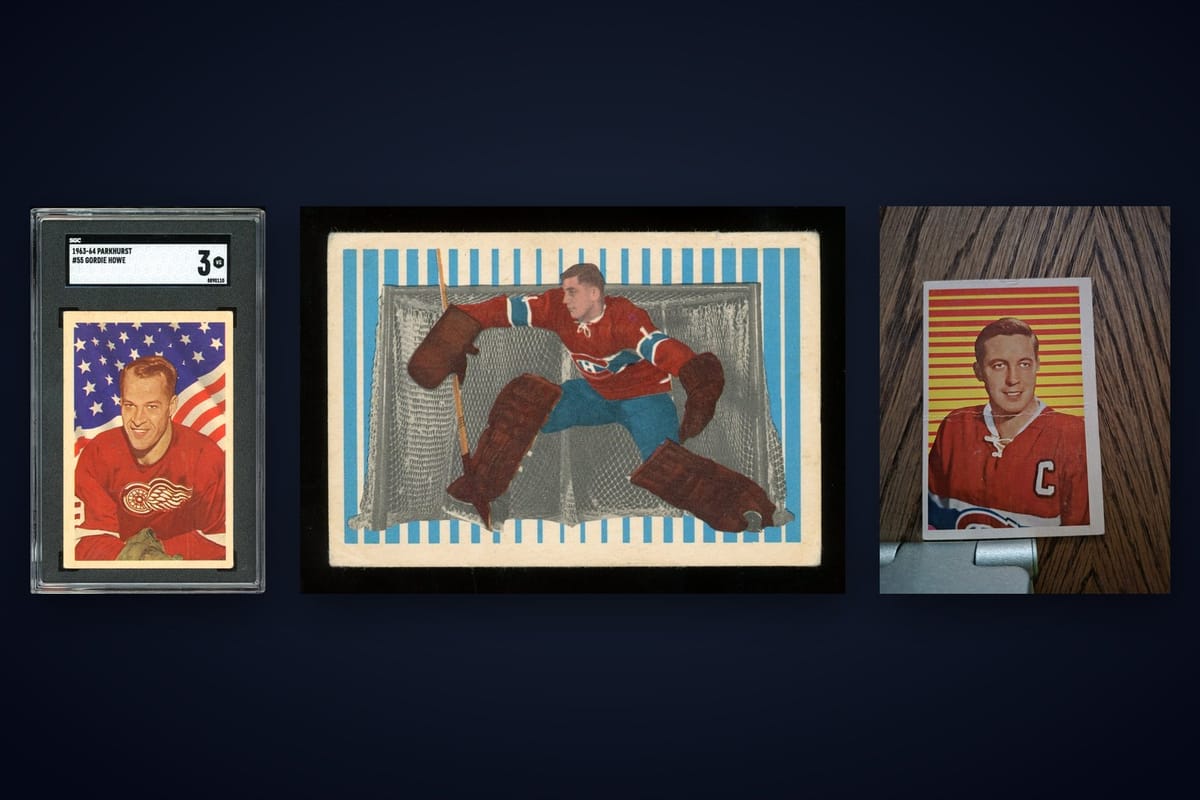
Estimated reading time: 8 min
Key Takeaways
- The 1963 Topps and Parkhurst hockey sets are notable vintage hockey card sets from that era.
- Key rookie cards such as Bobby Orr and Jacques Plante are highly regarded among collectors.
- PSA 10 grades can significantly increase the value of top 1963 hockey cards compared to raw cards.
- Understanding card centering and condition is important before submitting for grading.
- Midpoint’s AI grading tool can assist collectors in estimating card grades and value before investing.
When it comes to vintage hockey cards, 1963 is a notable year collectors often focus on. The best 1963 hockey cards come primarily from two sets: Topps and Parkhurst. Both offer unique designs, rookie highlights, and varying set sizes that can impact rarity and value. In this guide, we'll explore which 1963 hockey cards are generally considered valuable, how PSA 10 grades can affect prices, the key rookie cards to watch, and practical tips to get the most from your collection.
Whether you're a seasoned collector or just diving into vintage hockey cards, understanding these nuances can help you spot potentially valuable cards and decide which ones to grade. Plus, discover how the Midpoint app blends AI with card grading expertise to give you instant grade estimates and value tracking for over 250,000 cards.
Card values — live data from Midpoint's card database, as of 2026-09-04. Prices move; Midpoint refreshes these daily.
| Card | Raw | PSA 10 | Gem premium | |
|---|---|---|---|---|
 |
Gordie Howe #55 1963 Parkhurst |
$89.68 | $15,172 | 169.2× |
 |
Cesare Maniago #99 1963 Parkhurst |
$86.08 | $12,982 | 150.8× |
 |
Jean Beliveau #30 1963 Parkhurst |
$60.51 | $10,243 | 169.3× |
 |
Bobby Hull #33 1963 Topps |
$53.82 | $9,111 | 169.3× |
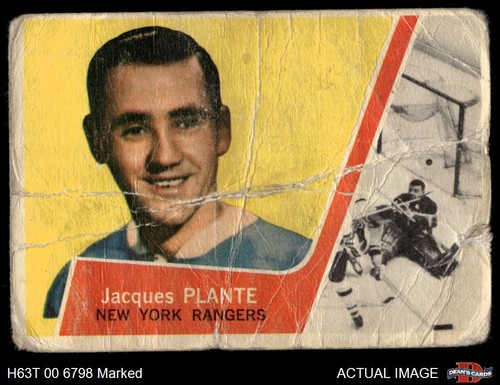 |
Jacques Plante #45 1963 Topps |
$48.50 | $8,221 | 169.5× |
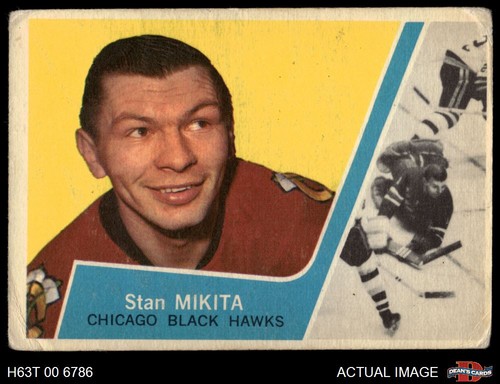 |
Stan Mikita #36 1963 Topps |
$39.03 | $7,793 | 199.7× |
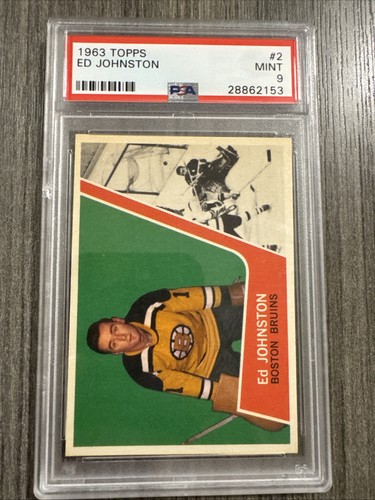 |
Ed Johnston #2 1963 Topps |
$44.25 | $7,501 | 169.5× |
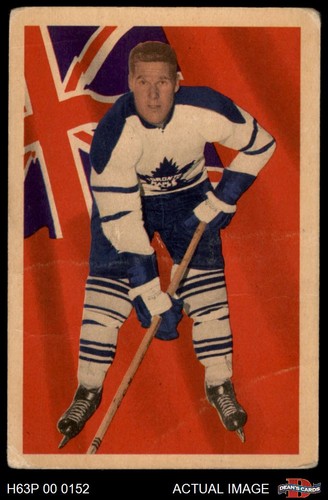 |
Tim Horton #76 1963 Parkhurst |
$35.33 | $5,995 | 169.7× |
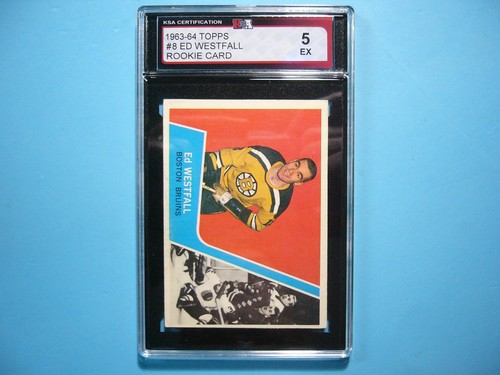 |
Ed Westfall #8 1963 Topps |
$35.00 | $5,937 | 169.6× |
 |
Alex Faulkner #42 1963 Parkhurst |
$117.11 | $5,550 | 47.4× |
 |
Terry Sawchuk #53 1963 Parkhurst |
$46.37 | $4,672 | 100.8× |
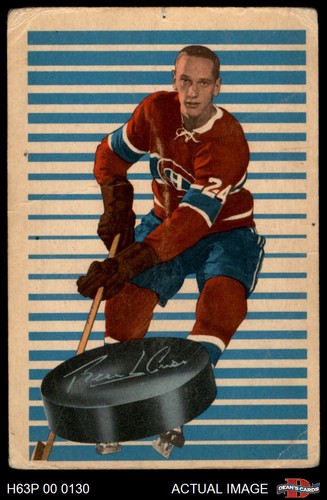 |
Jacques Laperriere #86 1963 Parkhurst |
$44.26 | $4,639 | 104.8× |
Look up any card's current raw and graded value in Midpoint — and get an estimated grade before you pay to submit.
1. 1963 Topps Hockey Set Overview and Checklist
The 1963 Topps hockey set is a key set for collectors focused on early NHL cards. It contains 132 cards featuring horizontal layouts with a clean design and player photos. This set includes stars from various NHL teams, making it a comprehensive snapshot of the era.
Key features of the 1963 Topps set include:
- Set size: 132 cards, covering many star players and rookies.
- Horizontal card design with player name and team prominently displayed.
- Notable rookies such as Bobby Orr (#90) and Jacques Plante (#46), whose cards are highly sought after by collectors.
- Wide team distribution, capturing players from Original Six franchises.
Collectors appreciate this set for its nostalgic design and the presence of Hall of Famers, making it a popular choice for hockey card enthusiasts.
2. 1963 Parkhurst Hockey Set Overview and Checklist
The 1963 Parkhurst set marked the last year Parkhurst produced hockey cards before ceasing operations. It features 60 cards with vertical layouts and a distinct design compared to Topps.
Highlights of the 1963 Parkhurst set include:
- Set size: 60 cards, smaller than Topps but with quality photography.
- Vertical card orientation with a bold border and player action shots.
- Key rookie cards like Henri Richard (#46) and Bernie Parent (#59).
- Last-year production adds collector interest due to scarcity.
The Parkhurst set’s limited run and unique design make it a valuable complement to the Topps collection for many collectors.
3. Key Rookie Cards and Star Players from 1963 Hockey Cards
Rookie cards often influence collector interest and value, and 1963 is no exception. Among the notable 1963 hockey cards, rookies stand out for their future Hall of Fame careers and collector demand.
Notable rookie cards to prioritize include:
- Bobby Orr (1963 Topps #90): Considered one of hockey’s greatest, Orr’s rookie card is highly prized.
- Jacques Plante (1963 Topps #46): Legendary goaltender with a key rookie card that is respected among collectors.
- Henri Richard (1963 Parkhurst #46): Canadiens star with a sought-after rookie card.
- Bernie Parent (1963 Parkhurst #59): Goalie rookie card that has gained interest due to his career success.
These cards serve as cornerstone pieces for both raw and graded collections.
4. Set Size, Team Distribution, and Design Differences
The two main 1963 hockey card sets differ significantly in size and style, influencing collector preferences:
- 1963 Topps: 132 cards, horizontal layout, wide team and player coverage, simple but elegant design.
- 1963 Parkhurst: 60 cards, vertical layout, smaller player pool, last year of production, more dramatic photo styles.
These differences affect rarity and desirability. Topps cards tend to be more plentiful and include more key rookies, whereas Parkhurst cards are scarcer and prized for their design and limited production.
5. Condition, Grading, and PSA 10 Price Premiums
Condition is a major factor in vintage card collecting. PSA 10 (Gem Mint) grades often elevate prices compared to raw cards, sometimes significantly. For 1963 hockey cards, PSA 10 premiums can vary widely depending on the card and market conditions.
For example, as of recent market observations:
- 1963 Topps Bobby Orr (#90): Raw cards might sell for around $1,200, while PSA 10 copies have been known to fetch higher prices.
- 1963 Topps Jacques Plante (#46): Raw values near $800, with PSA 10 prices generally higher.
- 1963 Parkhurst Henri Richard (#46): Raw cards around $400, PSA 10 versions typically command premiums.
These premiums illustrate why accurate pre-grading assessment is important to maximize returns, though exact multiples can fluctuate.
6. Raw vs Graded Price Ranges for Notable Cards
Understanding the gap between raw and graded prices helps collectors decide when to invest in professional grading. Some cards have minimal premiums, while others can increase substantially in value when certified.
Examples include:
- Bobby Orr (Topps #90): Raw approximately $1,200 – PSA 10 significantly higher.
- Ken Dryden (Topps #91): Raw around $900 – PSA 10 generally higher.
- Bernie Parent (Parkhurst #59): Raw about $300 – PSA 10 typically commands a premium.
Using apps like Midpoint can help estimate grading outcomes and financial viability before spending on grading fees.
7. Most Valuable 1963 Hockey Cards by Set
Top cards by value in the 1963 Topps set often include:
- Bobby Orr (#90)
- Ken Dryden (#91)
- Jacques Plante (#46)
In the 1963 Parkhurst set, the most valuable typically include:
- Henri Richard (#46)
- Bernie Parent (#59)
- Doug Harvey (#12)
These cards are generally recognized for commanding higher prices in both raw and graded markets.
8. Horizontal vs Vertical Card Layouts and Visual Design
The layout style affects both aesthetic appeal and collector preference. Topps used horizontal cards featuring player portraits with clean borders, while Parkhurst employed vertical cards highlighting action shots and bold borders.
The visual design impacts how cards display and their perceived rarity. Some collectors specialize in one style, while others collect both for completeness.
9. Last-Year Parkhurst Context and Collector Importance
1963 was Parkhurst’s final production year, adding scarcity and historical significance. Cards from this set can be more difficult to find in top condition, which may increase their collector value.
This context makes Parkhurst cards particularly attractive for vintage collectors seeking rare, well-preserved hockey cards from the early 1960s.
Conclusion
The best 1963 hockey cards blend rich history, star power, and grading potential. Topps and Parkhurst sets offer unique designs and key rookie cards like Bobby Orr and Henri Richard that remain sought after. Grading premium differences, especially PSA 10, highlight the importance of condition and centering.
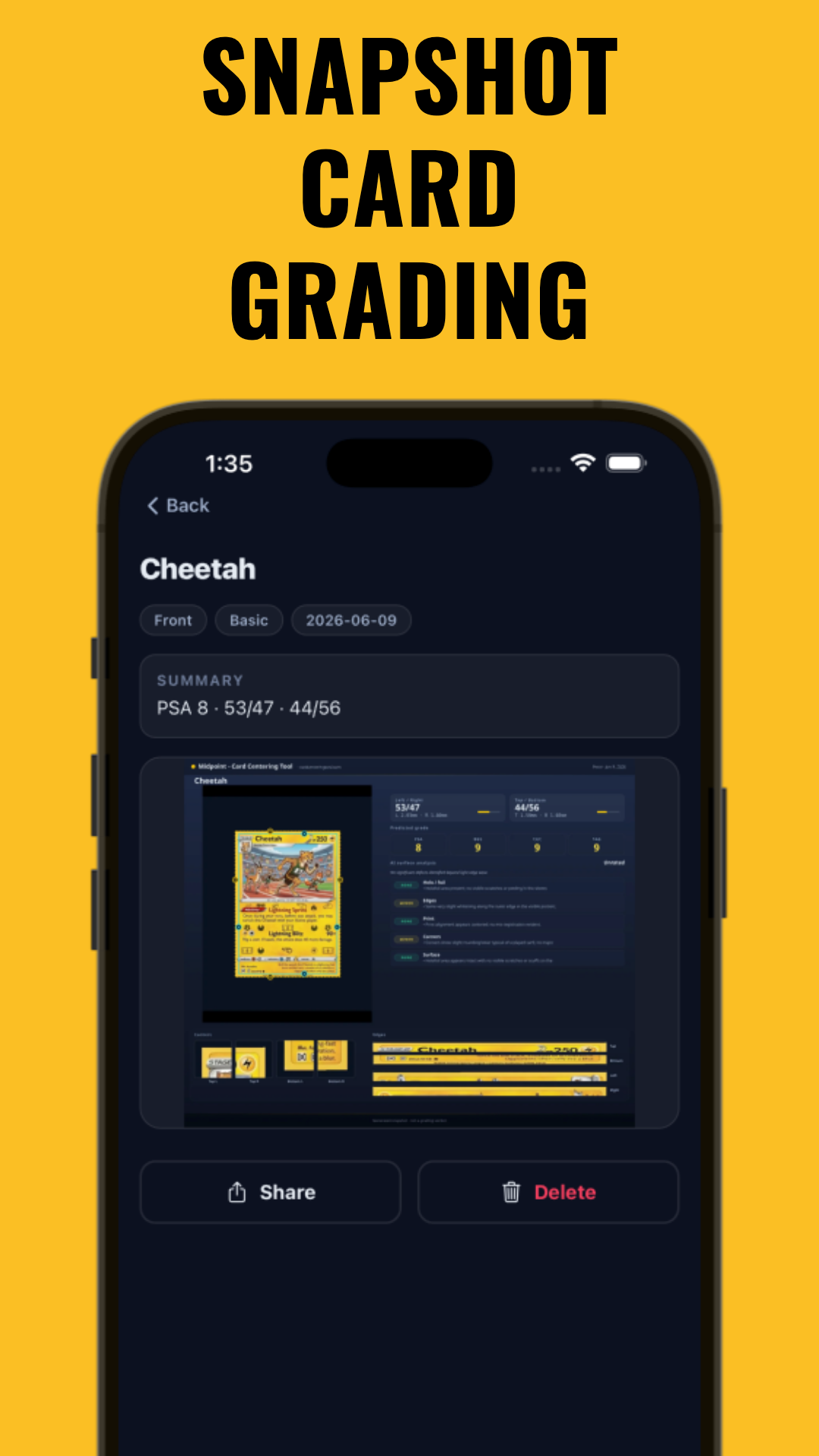
If you want to confidently assess your 1963 hockey cards before submitting for grading, try the Midpoint app. Its AI-powered digital grading estimates and centering tools help you make informed decisions, protecting your investment and potentially maximizing returns.
FAQ
Q: What are the best 1963 hockey cards to buy?
A: The best 1963 hockey cards often include key rookies like Bobby Orr (#90 Topps), Jacques Plante (#46 Topps), and Henri Richard (#46 Parkhurst). These cards have demonstrated collector interest and value over time.
Q: Which 1963 hockey cards are the most valuable?
A: Bobby Orr’s 1963 Topps rookie card is generally considered the most valuable, especially in high-grade condition. Other top cards include Ken Dryden (#91 Topps) and Bernie Parent (#59 Parkhurst).
Q: How many cards are in the 1963 Topps hockey set?
A: The 1963 Topps hockey set contains 132 cards, featuring a broad range of NHL players with a horizontal card design.
Q: What are the key rookie cards in 1963 Parkhurst hockey?
A: Henri Richard (#46) and Bernie Parent (#59) are among the main rookie cards from the 1963 Parkhurst set, notable for their rarity and player significance.
Q: Why are 1963 Topps hockey cards so popular with collectors?
A: Their popularity stems from the inclusion of iconic rookies, comprehensive team coverage, and a classic horizontal design that appeals to many collectors.
Q: What is the difference between 1963 Topps and 1963 Parkhurst hockey cards?
A: Topps cards are larger sets with horizontal layouts and a wide player pool. Parkhurst cards are fewer, vertical in layout, and are historically significant as their last year of production.
Free to start
Try the Midpoint app
Grade any card from a photo, see its raw and PSA 10 value, and track what your collection is worth — free.
Get it on iPhoneGet it on Android


