How Environmental Influences on Card Alignment Impact Grading Accuracy and Market Value
Explore how environmental influences on card alignment affect grading accuracy and market value. Learn strategies to protect card centering and value.

Estimated reading time: 7 minutes
Key Takeaways
- Temperature, humidity, dust, static, and pressure can warp or shift cards, altering perceived centering.
- Even a slight misalignment (e.g., 55/45 vs. 50/50) can cost hundreds or thousands of dollars in grade value.
- Professional grading labs use climate control, clean-room protocols, and calibrated imaging to ensure consistent centering measurements.
- Collectors can mitigate risks by maintaining stable storage conditions, using proper sleeves and holders, and handling cards gently.
- Tools like Card Centering Tool help pre-check centering before submission.
Table of Contents
- Introduction to Environmental Influences on Card Alignment
- Understanding Card Alignment and Grading Value
- Key Environmental Influences on Card Alignment
- Impact on Grading Accuracy
- Mitigation Strategies for Card Alignment
- Conclusion: Impact on Grading Outcomes
- FAQ
Introduction to Environmental Influences on Card Alignment
“Environmental influences on card alignment” refers to how ambient conditions can alter a card’s centering and thus its grade potential. Centering, also called alignment, measures how evenly the printed image sits within the card borders. Even with flawless corners, edges, and surfaces, poor centering often caps a card’s grade. For a deep dive, see the Card Centering: The Definitive Guide for Grading and Collectors.
Why centering matters:
- It is often the top grade-limiting factor, even when other areas are perfect.
- Off-center cards lose points, selling at significant discounts.
- Once printed, alignment cannot be corrected.
Understanding Card Alignment and Grading Value
Grading companies compare margins on opposite sides as ratios (e.g., 55/45 or 60/40). A perfectly centered card approaches 50/50; anything beyond tight tolerances may drop the grade.
- Grading firms rank centering alongside corners, edges, and surface.
- A half-grade centering drop can translate to hundreds or thousands of dollars lost.
- Collectors and professionals must gauge true market value by understanding centering.
For a visual explanation, check this grading video.
Key Environmental Influences on Card Alignment
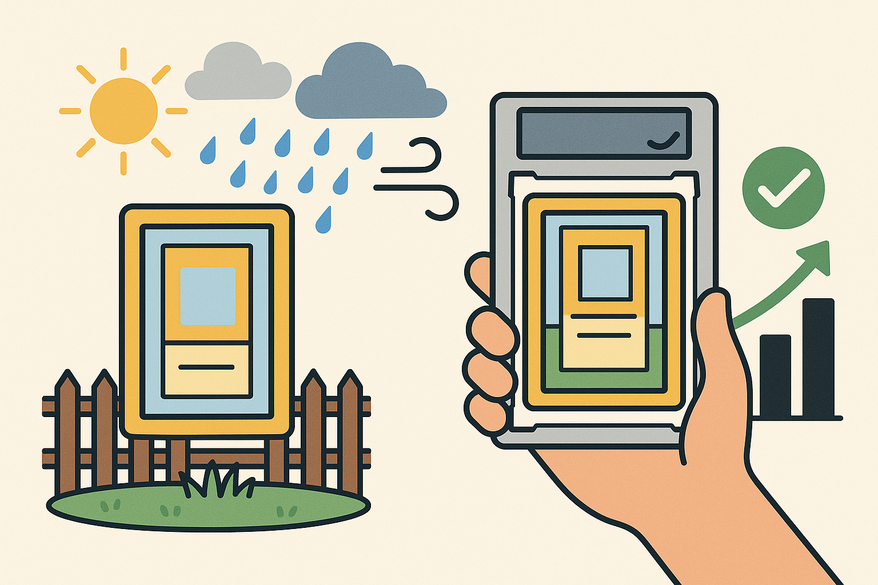
While printed centering is fixed, handling, storage, and grading environments can warp or shift cards. Below are the main factors:
1. Temperature
- High heat softens card stock, making it prone to warping under pressure.
- Rapid swings (e.g., hot car to cool room) cause expansion and contraction.
- Warped cards lie unevenly, skewing centering ratios.
Learn more about the temperature impact on card grading.
2. Humidity
- High humidity leads to moisture absorption, swelling, and curling.
- Low humidity dries cards, increasing brittleness and bowing.
- Fluctuation magnifies warping over time and casts shadows under lighting.
See our research on humidity effects on card centering.
3. Dust and Particulates
- Dust on edges creates false lines or shadows, misleading graders.
- Particles in sleeves hide borders, complicating measurements.
4. Static Electricity
- Static causes cards to cling off-square in sleeves or scanners.
- Micro-shifts occur when cards stick or release unevenly.
- Static also attracts dust and fibers, adding to visual misalignment.
5. Pressure and Stacking
- Card stacks under heat or humidity compress unevenly, causing subtle warps.
- Tight boxes and binders can imprint curves over time.
- Even slight bends can shift centering from 50/50 to 55/45 or worse.
Impact on Grading Accuracy
Environmental Effects on Grading
- Warped or bowed cards may appear off-center under certain lights.
- Dust, glare, and static-induced skew distort scanner readings.
- Unstable conditions mean the same card may grade differently across sessions.
- Tight centering thresholds magnify small distortions.
How Grading Labs Maintain Consistency
- Climate control: Stable temperature and humidity to prevent deformation.
- Clean-room practices: HEPA filtration, anti-static workstations, glove protocols.
- Calibrated imaging: Level, non-reflective surfaces, aligned lighting, digital measurement tools.
- Standard operating procedures ensure repeatable conditions for true centering assessments.
Mitigation Strategies for Card Alignment
Collectors and grading professionals can adopt these tactics to protect card alignment and maximize grade potential.
For anyone looking to remove the guesswork and catch centering issues before submission, try Card Centering Tool.
1. Environmental Control in Storage
- Temperature: Maintain steady, moderate conditions; avoid attics, garages, or cars.
- Humidity: Use dehumidifiers in damp areas and humidifiers in dry climates.
- Shield cards from direct sunlight and heat sources.
2. Storage Media and Positioning
- Use clean, quality penny sleeves, semi-rigid holders, and top loaders.
- Avoid overly tight fits that can bow cards over time.
- Store cards upright with support; don’t over-pack or stack heavy items.
3. Best Handling Practices
- Work in a dust-free area; wipe surfaces with lint-free cloths.
- Use anti-static mats or light sprays in dry environments.
- Inspect centering on flat, clean surfaces; ensure cards are square to calipers or scanners.
- Insert and remove cards gently to avoid micro-bends.
4. Safe Transportation to Grading Labs
- Package cards in sleeves and semi-rigid savers, padded in sturdy boxes.
- Avoid direct tape on holders and minimize extreme transit temperatures.
- Allow parcels to acclimate before opening to reduce environmental shocks.
5. Professional-Level Best Practices
- Establish a dedicated grading space with controlled climate, clean air, and consistent lighting.
- Keep imaging and measurement tools calibrated and dust-free.
- Standardize viewing conditions so centering assessments occur under identical environments every time.
Conclusion: Impact on Grading Outcomes
Environmental influences on card alignment directly affect centering, grading accuracy, and market value. Centering cannot be fixed after printing; any warping, curling, dust, or static can change how straight or loose a card appears under the grader’s lens. For a detailed analysis, see Card Centering Impact on Grading Outcomes: An In-Depth Exploration.
Core reminders:
- Treat environmental control as part of your alignment strategy.
- Maintain stable storage conditions and handle cards carefully.
- Use proper packaging and transportation methods.
- Employ professional-grade inspection environments when possible.
FAQ
What is card alignment and why is it important?
Alignment (or centering) measures the ratio of margins around the printed image. It is crucial because even minor off-centering can limit a card’s grade, impacting its market value.
How does temperature affect card centering?
High heat softens cardstock, making it prone to warping under weight or pressure. Rapid temperature changes cause expansion and contraction, leading to uneven borders.
What steps can I take to control humidity?
Use dehumidifiers in areas prone to moisture and humidifiers in very dry climates. Keep cards in climate-stable rooms and avoid extreme fluctuations.
How do grading labs ensure consistent centering measurements?
They maintain strict climate control, clean-room protocols (HEPA filtration, anti-static surfaces), and calibrated imaging setups to eliminate environmental variables.
How can collectors mitigate environmental risks?
Store cards in quality sleeves and top loaders, handle them gently in dust-free areas, control temperature and humidity, and use tools like Card Centering Tool to pre-check alignment.
Free to start
Try the Midpoint app
Grade any card from a photo, see its raw and PSA 10 value, and track what your collection is worth — free.
Get it on iPhoneGet it on Android