Collectors' Edition MTG Cards Value: Price Guide & Grading Tips
Discover the true value of Magic: The Gathering Collectors' Edition cards. Explore prices, grading advice, and market trends for this iconic 1993 set.

Estimated reading time: 12 min
Key Takeaways
- Collectors' Edition MTG cards value is driven by scarcity, condition, and collector demand, not tournament legality.
- Power cards like Mox Emerald and Swords to Plowshares are among the most valuable; most CE cards are generally more affordable than Alpha/Beta/Unlimited.
- The gap between raw and PSA 10 values is narrow due to few graded population reports and limited PSA submissions.
- Understanding the differences between Collectors' Edition and International Collector's Edition is important for buyers and sellers.
- Tools like Midpoint can help collectors estimate grading outcomes before submitting high-value CE cards.
Card values — live data from Midpoint's card database, as of 2026-07-11. Prices move; Midpoint refreshes these daily.
| Card | Raw | PSA 10 | Gem premium | |
|---|---|---|---|---|
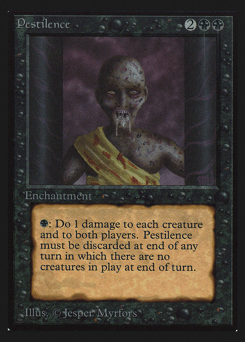 |
Pestilence #121 Collectors' Edition (1993) |
$7.45 | — | — |
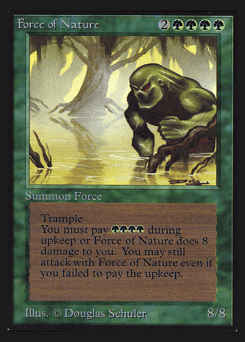 |
Force of Nature #195 Collectors' Edition (1993) |
$10.00 | — | — |
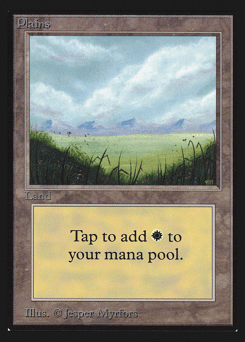 |
Plains #288 Collectors' Edition (1993) |
$4.17 | — | — |
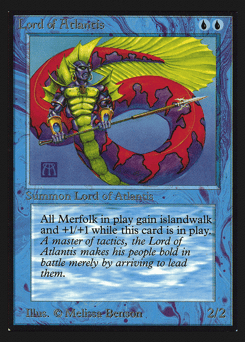 |
Lord of Atlantis #63 Collectors' Edition (1993) |
$24.75 | — | — |
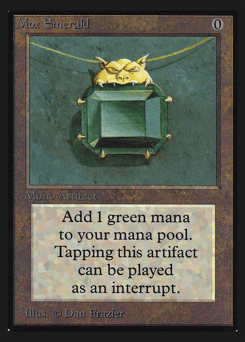 |
Mox Emerald #262 Collectors' Edition (1993) |
$699.50 | — | — |
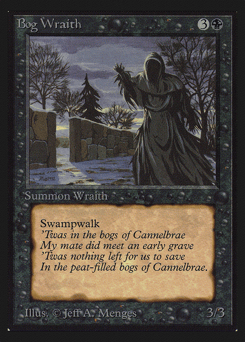 |
Bog Wraith #96 Collectors' Edition (1993) |
$3.34 | — | — |
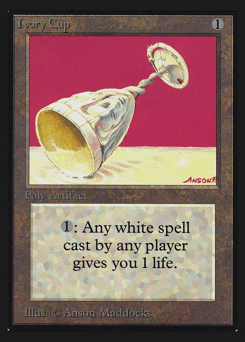 |
Ivory Cup #252 Collectors' Edition (1993) |
$1.97 | — | — |
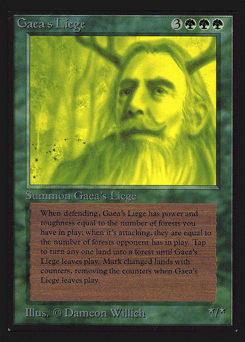 |
Gaea's Liege #197 Collectors' Edition (1993) |
$5.30 | — | — |
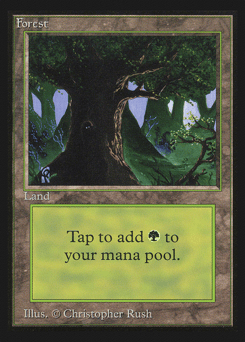 |
Forest #302 Collectors' Edition (1993) |
$2.60 | — | — |
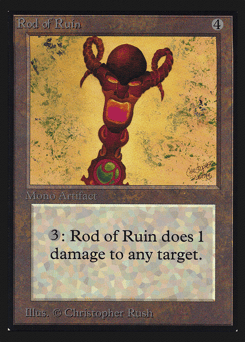 |
Rod of Ruin #269 Collectors' Edition (1993) |
$2.07 | — | — |
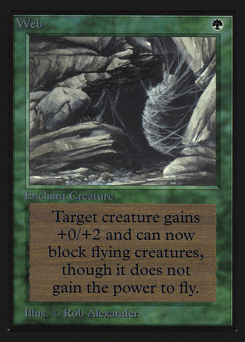 |
Web #229 Collectors' Edition (1993) |
$1.90 | — | — |
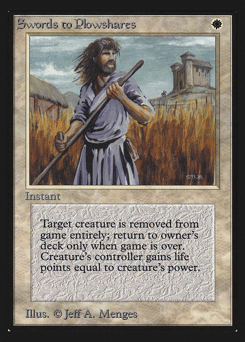 |
Swords to Plowshares #41 Collectors' Edition (1993) |
$59.99 | — | — |
Look up any card's current raw and graded value in Midpoint — and get an estimated grade before you pay to submit.
Table of Contents
- Section 1: What Are Collectors' Edition MTG Cards?
- Section 2: Market Value of Sealed CE Boxes and Complete Sets
- Section 3: Individual CE Card Values 64top Cards and Price Trends
- Section 4: Condition, Grading, and Value 64What Matters Most?
- Section 5: Scarcity, Print Run, and Set Differences 64CE vs ICE
- Section 6: Investment Perspective 64Are Collectors' Edition Cards Worth It?
- Conclusion
- FAQ
Section 1: What Are Collectors' Edition MTG Cards?
Collectors' Edition Magic: The Gathering (MTG) cards, released in late 1993, are unique in the card collecting world. Designed to offer fans a way to own the entire Alpha/Beta card pool without disrupting tournament play, Wizards of the Coast produced two parallel sets: the US-focused Collectors' Edition (CE) and the International Collectors' Edition (ICE).
The Defining Features
Unlike regular Alpha, Beta, or Unlimited printings, Collectors' Edition MTG cards are instantly recognizable by:
- Gold borders on the front, instead of the iconic black borders.
- Square corners (not rounded), making them stand out from playable cards.
- Gold-foiled "Collectors' Edition" or "International Edition" text on the back.
Why They Exist
The initial print run was a one-time product aimed at collectors, not players. Wizards explicitly made them not legal for tournament play to protect the game's integrity and secondary market. This gold-bordered, square-cornered set allowed fans to own iconic cards like the Power Nine at a lower cost than Alpha or Beta versions.
How CE Differs From Alpha/Beta/Unlimited
- No tournament legality: CE/ICE are collector's items only.
- Set size and card pool: Both CE and ICE mirror the 302-card Alpha/Beta list, including the Power Nine, dual lands, and staple rares.
- Print run: Significantly smaller than later sets but larger than Alpha. Exact numbers are debated, but commonly cited estimates are around 9,000 CE and 5,000 ICE sets.
Because of their unique appearance and non-playable status, Collectors' Edition cards have long sparked debate about their place in the hobby. Are they "real" Magic cards? Are they valuable? The next sections break down the facts, values, and current market trends for these historic cards.
Section 2: Market Value of Sealed CE Boxes and Complete Sets
While individual Collectors' Edition MTG cards have their own price dynamics, sealed boxes and complete sets are a different category. For many collectors, owning an untouched CE set is a major nostalgia item 64and prices reflect that status.
What Is a Sealed CE Set?
A sealed Collectors' Edition set includes all 302 cards in the original shrink-wrapped box, just as they were shipped in 1993. Because the product was only sold as complete sets (not booster packs), the supply of truly sealed boxes is finite and shrinking.
Value Drivers for Sealed Product
- Scarcity: Only a limited number of sealed sets remain after more than three decades.
- Display value: A sealed box is a centerpiece item for high-end collectors.
- Investment appeal: Sealed product is less likely to contain condition issues, making it attractive for investors.
Recent Price Trends
While specific sealed box sales can be rare, market data from major auction sites and private sales suggest:
- Sealed CE sets often fetch several times the value of their component cards when sold together, reflecting the premium for an untouched product.
- ICE (International Edition) sealed sets can command higher prices due to their smaller print run and greater scarcity.
- Price movement: As of 2026-07-11, the price trend for CE singles is stable, but sealed set sales may spike during market surges or after high-profile auctions.
How to Interpret Sold Comps
Because sealed boxes change hands infrequently, most value guides pull from:
- Recent eBay and Heritage Auctions sales
- Major Magic forums and Facebook groups
- Private brokered deals between veteran collectors
Always verify that a box is truly sealed and untampered before paying a premium. For most, buying a complete set (opened but intact) is a more accessible way to own the full CE collection.
Section 3: Individual CE Card Values 64Top Cards and Price Trends
For most Magic collectors, the value of Collectors' Edition MTG cards comes down to the singles 64especially the set's most iconic rares and power cards. Let's break down raw vs graded values and see which cards are among the most valuable as of 2026-07-11.
Most Valuable Collectors' Edition Singles
- Mox Emerald (#262): Raw $699.50. This Power Nine artifact is a leader among CE singles, valued for its prestige and scarcity.
- Swords to Plowshares (#41): Raw $59.99. As one of the most-played removal spells in MTG history, this uncommon commands a premium even in CE form.
- Lord of Atlantis (#63): Raw $24.75. A staple for Merfolk and old-school decks, it ranks among the CE set's priciest blue cards.
Mid-Tier and Bulk Values
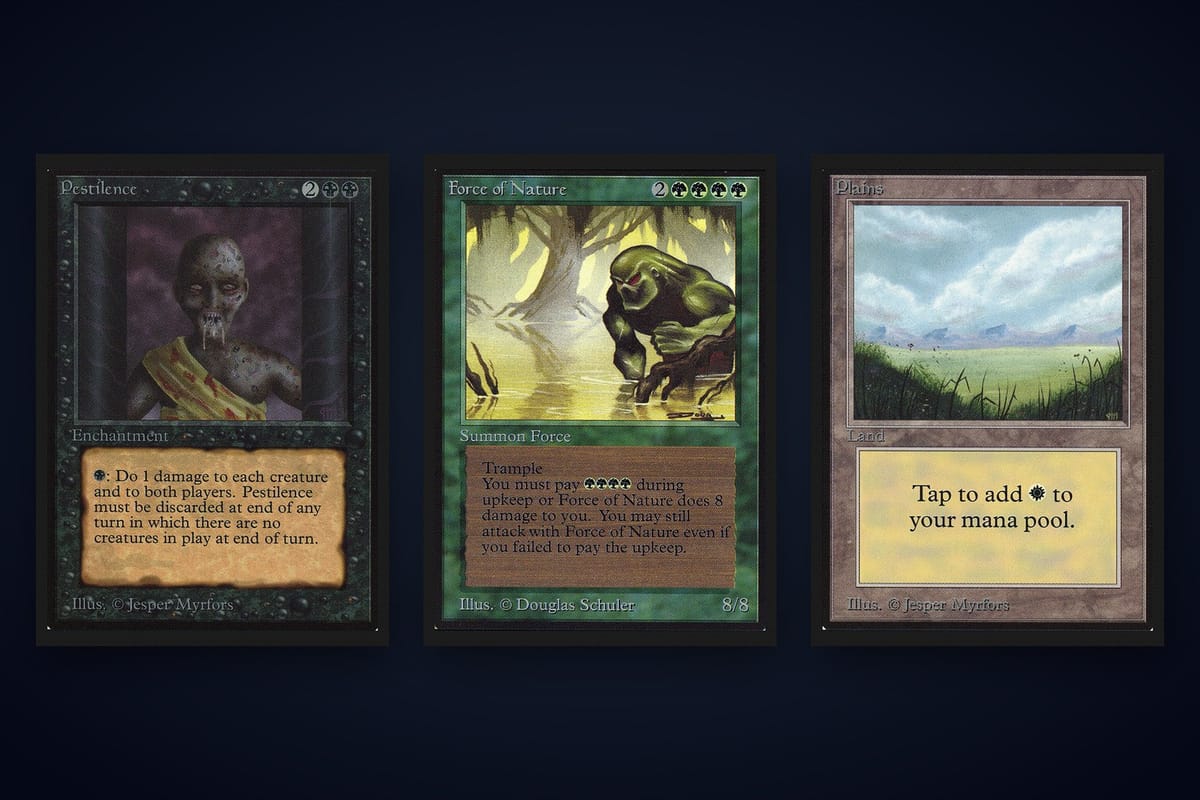
- Force of Nature (#195): Raw $10.00.
- Pestilence (#121): Raw $7.45.
- Gaea's Liege (#197): Raw $5.30.
Lower-demand cards and basic lands (like Plains #288 at $4.17 and Forest #302 at $2.60) are much more affordable, catering to set builders and budget collectors.
Price Trends 64Stability and Volatility
Recent 30-day data shows little to no price movement for most CE singles, indicating a stable market. Some cards, like Bog Wraith (#96), saw a minor -3.2% dip, but overall, Collectors' Edition cards have found a steady collector base. This may make them appealing for those seeking to avoid the wild swings seen in tournament-legal staples.
Where Are These Prices From?
All values cited are pulled directly from Midpoint's live card database, reflecting active marketplace sales and recent comps. For a full, up-to-date Collectors' Edition price guide, collectors should use a trusted platform that aggregates raw and graded sales. For more on how to understand card worth, see our detailed Card Values guide.
Section 4: Condition, Grading, and Value 64What Matters Most?
Condition is always a top factor in trading card value, but for Collectors' Edition MTG cards, the market behaves a bit differently than with Alpha, Beta, or Unlimited printings. Understanding the nuances of grading, raw vs PSA 10 value, and submission strategy is key for maximizing your collection's worth.
Raw vs PSA 10 Value 64Why the Gap Is Small
- Unlike tournament-legal counterparts, most CE cards are not frequently submitted for grading. As of 2026-07-11, there are no active PSA 10 sales comps for the top CE singles (e.g., Mox Emerald, Swords to Plowshares).
- This leads to a narrow raw-to-graded premium 64the market mainly prices CE cards by raw condition, with little 'gem premium' due to low graded population.
Cards Worth Grading
- Power cards (e.g., Mox Emerald): Even though there are few PSA 10 comps, a pristine copy may attract a premium from high-end collectors seeking the best of the best.
- Iconic uncommons/rares (e.g., Swords to Plowshares, Lord of Atlantis): Only worth grading if the card is essentially flawless 64use digital pre-grading tools to check centering and surface first. For more on centering specifics by card type, see our complete guide to card centering by type.
Using Digital Grading Tools
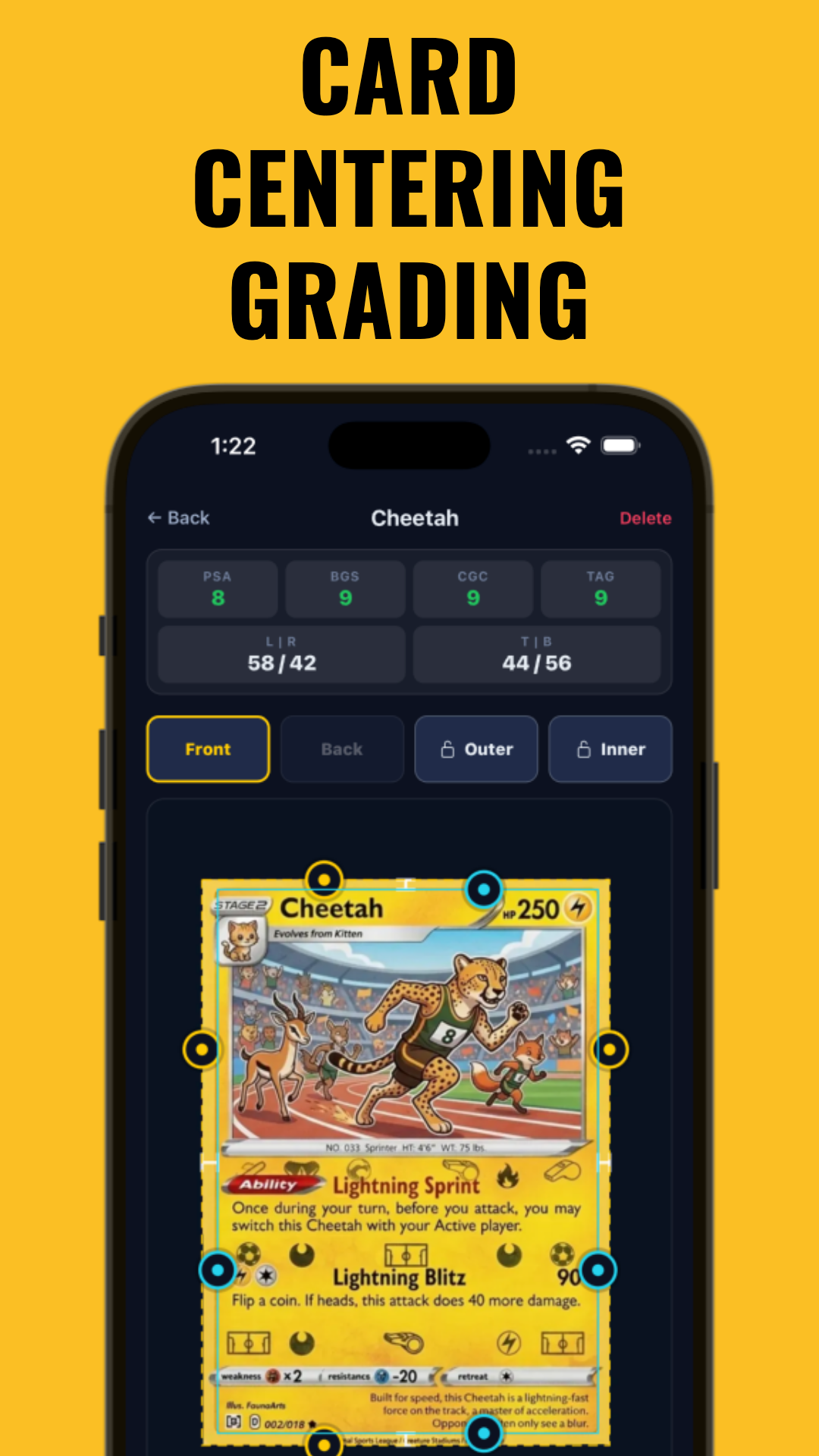
Apps like Midpoint allow collectors to:
- Digitally measure centering, corners, edges, and surfaces down to the millimeter.
- Estimate PSA/BGS/CGC/TAG grades before spending $30+ on professional grading.
- Decide which Collectors' Edition cards are worth grading based on real, quantitative data.
For a step-by-step workflow, see the guide How to Pre-Grade Your Card: A Step-by-Step Guide. To deepen your understanding of grading and its impact on value, check out our comprehensive Card Grading guide.
Condition Pitfalls Unique to CE Cards
- Square corners are more prone to chipping and visible edge whitening than rounded corners on regular MTG cards.
- Gold borders show wear more quickly, making Near Mint copies harder to find over time.
Section 5: Scarcity, Print Run, and Set Differences 64CE vs ICE
The value of Collectors' Edition MTG cards is closely tied to their scarcity and the subtle but important differences between CE and ICE (International Collector's Edition).
Print Runs and Rarity
- Collectors' Edition (CE): Estimated print run of 9,000 boxed sets, distributed mainly in North America.
- International Collector's Edition (ICE): Estimated print run of 5,000 sets, distributed overseas, making them less common than CE.
How to Tell CE from ICE
- Card back text: CE says "Collectors' Edition"; ICE says "International Edition" in gold foil.
- Packaging: ICE boxes often have a gold sticker seal, while CE does not.
Price Guide Comparison
- ICE cards generally carry a premium over their CE counterparts, reflecting greater scarcity and international demand.
- Sealed ICE sets are significantly rarer and thus more expensive than sealed CE sets.
Market Movement and Historical Trends
Both CE and ICE saw appreciation after the 2020-2021 surge in Magic's vintage market. However, ICE is often considered the "trophy" for set collectors or those chasing the rarest version of each card. For an in-depth look at how set sizes and print runs influence card value, see How Centering Impacts Card Value.
Section 6: Investment Perspective 64Are Collectors' Edition Cards Worth It?
Given their unique status, are Collectors' Edition MTG cards a good investment 64or just a curiosity for completists? Let's break down the value proposition compared to Alpha, Beta, and Unlimited cards.
Why CE Cards Are Cheaper Than Alpha/Beta/Unlimited
- Not tournament legal: Gold borders and square corners mean no sanctioned play.
- Perceived as replicas by some collectors, despite being official Wizards of the Coast products.
- Larger print run than Alpha (but still small by modern standards).
For example, a CE Mox Emerald at $699.50 is a fraction of the price of an Alpha or Beta version, which can reach tens of thousands of dollars. This makes CE the most affordable way to own original-art Power Nine and other vintage staples. For collectors interested in broader trading card collecting, our Ultimate Guide for 2026 Collectors offers extensive insights.
Value-Per-Card Argument
- Lower barrier to entry: Collectors can build a full set for the cost of a single Alpha dual land.
- Display and nostalgia value: Gold-bordered cards look striking in a binder, and their history is intertwined with Magic's early years.
Investment Risks and Upside
- Upside: CE/ICE cards are no longer printed, and supply shrinks every year as sets are broken up or damaged.
- Risks: Lack of playability caps demand. Price growth is generally slower than for tournament staples, and the market can be thin for high-end graded cards.
Those seeking pure investment-grade Magic may favor Alpha or Beta. But for collectors who want original art, a slice of history, and stable value, CE/ICE remains a potential option 64especially if you use Midpoint or similar tools to maximize the condition and grading potential of your cards. For ongoing management of your collection's worth and protection, consider our Card Collection Portfolio guide.
Conclusion
Collectors' Edition MTG cards occupy a unique place in Magic's legacy. While they're not tournament legal and command lower prices than Alpha, Beta, or Unlimited, their scarcity, historical significance, and accessibility make them a notable choice for many collectors. Value is driven by the set's top cards 64especially power cards like Mox Emerald 64and by condition, with raw prices dominating due to the low number of graded submissions. Whether you're chasing nostalgia, building a display set, or looking for a stable collectible, understanding the nuances of the Collectors' Edition price guide and grading landscape is essential. For those considering grading, digital tools like Midpoint offer a way to estimate centering and grade potential before submitting, helping you make the most of every card in your collection.
FAQ
Q: How much is a sealed Magic: The Gathering Collector 27s Edition box worth?
A: Sealed Collector 27s Edition boxes are rare and can fetch several times the combined value of their singles. Exact prices vary, but sealed sets are highly sought-after due to their scarcity and display appeal.
Q: Are Collector 27s Edition MTG cards valuable?
A: Yes, especially for iconic cards like Mox Emerald ($699.50 raw as of 2026-07-11) and Swords to Plowshares ($59.99 raw). However, values are generally much lower than Alpha, Beta, or Unlimited equivalents due to non-tournament status.
Q: What is the difference between Collector 27s Edition and International Collector 27s Edition?
A: Collector 27s Edition was printed for North America (about 9,000 sets) and says "Collectors' Edition" on the back. International Collector 27s Edition (about 5,000 sets) says "International Edition" and is much scarcer, typically commanding a premium.
Q: Why are Collector 27s Edition cards so much cheaper than Beta or Unlimited?
A: They 27re not tournament legal and have gold borders and square corners, making them less desirable for play and some collectors. Their print run is also larger than Alpha but still small by modern standards.
Q: Do graded Collector 27s Edition cards sell for more than ungraded ones?
A: For CE cards, the premium for top-graded copies is smaller than for Alpha/Beta due to low grading submissions. There are very few PSA 10 comps; raw condition generally drives value, but pristine gems may attract collector premiums.
Q: Are Collector 27s Edition MTG cards legal in tournaments?
A: No, Collector 27s Edition and International Collector 27s Edition cards are not legal in sanctioned Magic tournaments. They are intended solely as collectibles.
Free to start
Try the Midpoint app
Grade any card from a photo, see its raw and PSA 10 value, and track what your collection is worth 64 free.
Get it on iPhoneGet it on Android