Hockey Card Prices Dropping September 2026: What Collectors Must Know
Explore why hockey card prices are dropping in September 2026 and how to buy the dip smartly with expert tips and market insights.

Estimated reading time: 8 min
Key Takeaways
- Hockey card prices have generally shown some softening in September 2026, influenced by new releases and seasonal factors.
- Raw cards and lower-grade rookies appear to be experiencing more noticeable value declines, while high-grade vintage cards tend to hold steadier.
- Connor Bedard rookie cards show signs of price adjustments but remain popular among collectors.
- New 2026 rookie cards like Macklin Celebrini may influence market dynamics and partially offset some declines.
- Collectors can consider using market dips to acquire quality cards and leverage grading tools like Midpoint for value estimation.
The hockey card market in September 2026 is experiencing some cooling, with prices softening across various segments. Whether you’re a seasoned collector or a newcomer, understanding which cards may be losing value, potential reasons for market shifts, and strategies to navigate this period can help you make informed decisions. This listicle breaks down current trends, pricing observations, and actionable strategies for hockey card enthusiasts.
30-day price movers — live data from Midpoint's card database, as of 2026-09-16. Prices move; Midpoint refreshes these daily.
| Card | Raw | PSA 10 | 30-day | |
|---|---|---|---|---|
 |
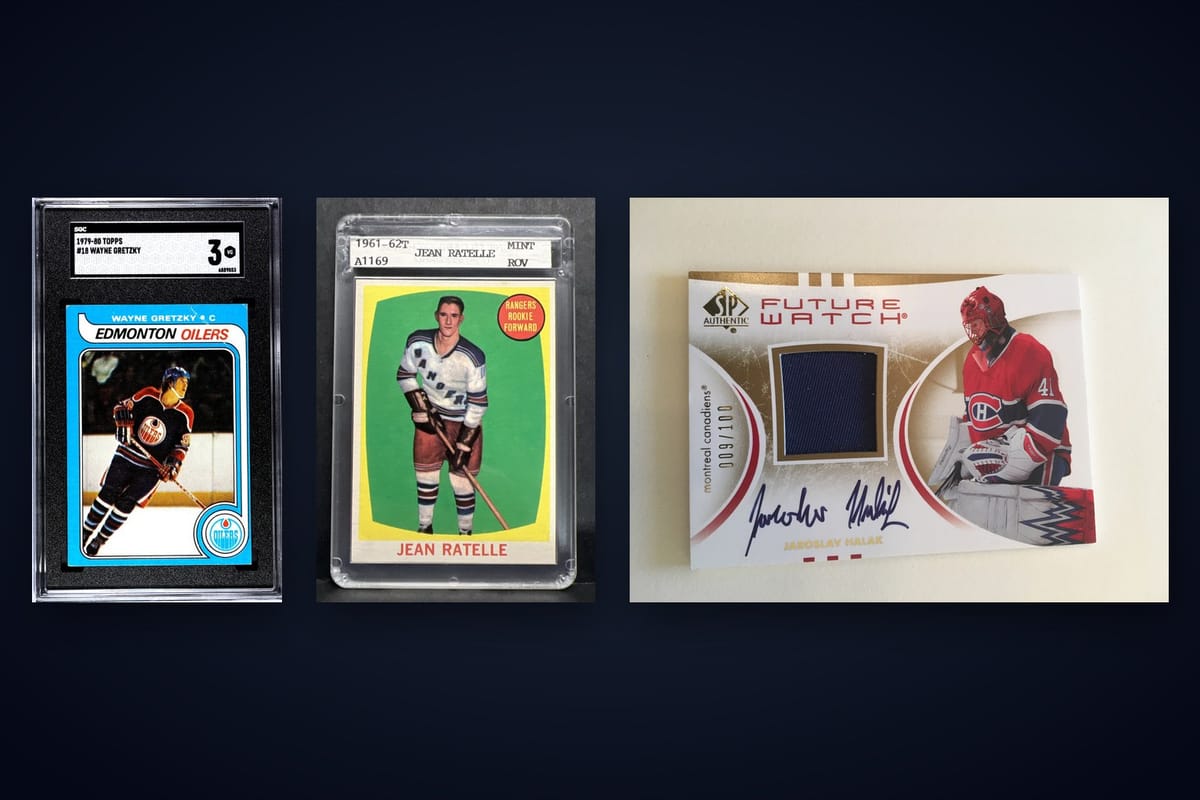
Wayne Gretzky #18 1979 Topps |
$645.85 | $56,286 | -92.2% |
 |
Jean Ratelle #60 1961 Topps |
$42.00 | $7,641 | -33.5% |
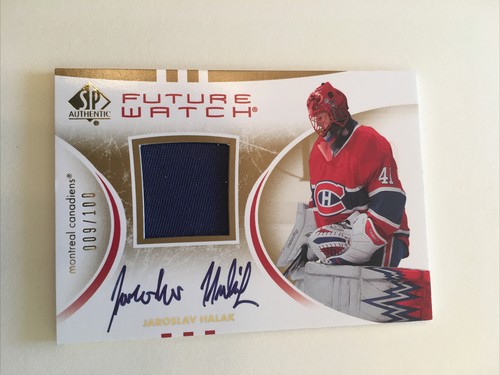 |
Jaroslav Halak [Autograph] #223 2007 SP Authentic |
$50.98 | $439.90 | -30.7% |
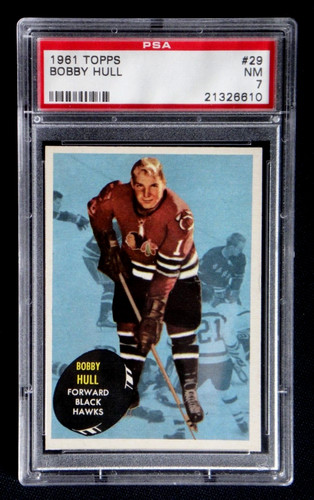 |
Bobby Hull #29 1961 Topps |
$56.04 | $10,189 | -25.3% |
 |
Henri Richard #38 1962 Parkhurst |
$23.48 | $4,139 | -24% |
 |
Bernie Parent #89 1968 O-Pee-Chee |
$55.50 | $7,788 | -20% |
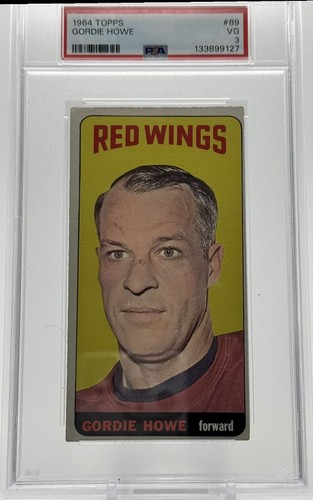 |
Gordie Howe #89 1964 Topps |
$131.86 | $21,503 | -13.5% |
 |
Stan Mikita #14 1960 Topps |
$198.37 | $28,851 | -13.2% |
 |
Jacques Plante #22 1958 Parkhurst |
$45.13 | $9,060 | -13.1% |
 |
Jean Beliveau #33 1964 Topps |
$70.96 | $11,580 | -12.4% |
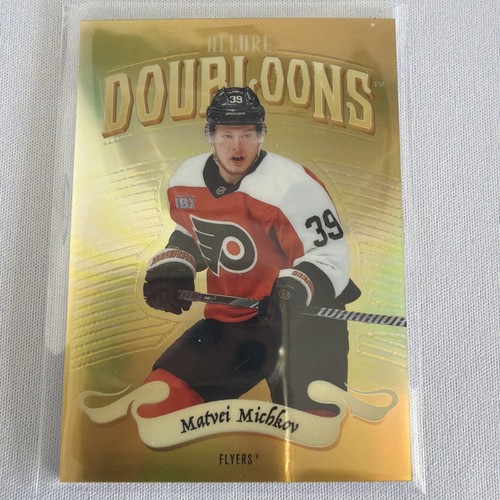 |
Matvei Michkov #DB-35 2025 Upper Deck Allure Doubloons |
$35.38 | $188.95 | -12.1% |
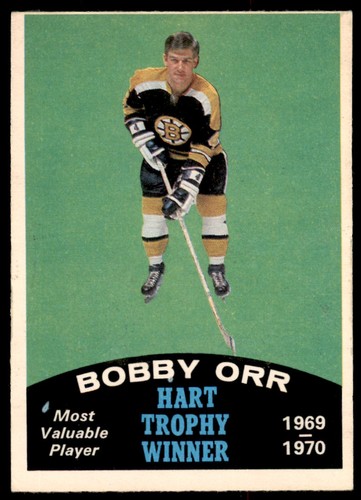 |
Bobby Orr [Hart Trophy] #246 1970 O-Pee-Chee |
$22.11 | $2,917 | -11.3% |
Look up any card's current raw and graded value in Midpoint — and get an estimated grade before you pay to submit.
1. Hockey Card Prices Dropping September 2026: Market Overview
As of 2026-09-16, the hockey card market has shown signs of price softening. This trend may be influenced by a combination of increased supply, fading hype from early-season excitement, and new product releases.
Recent month-over-month sales data suggest a downward trend in some segments, especially in base rookies and mid-tier parallels. For example, the average price of a raw 2026 Connor Bedard base rookie card has reportedly declined by around 12% since early August.
- New product releases in September 2026 have increased market supply.
- Collectors may be shifting focus from speculative buys to higher-quality or vintage cards.
- Seasonal patterns often see some softening after preseason hype fades.
2. Hockey Cards Losing Value: Which Types Are Falling Fastest?
The most noticeable declines appear in raw base rookies and lower-grade autographs. Cards without premium features or grading tend to be more susceptible to value decreases during this period.
Specifically, 2026 base rookie cards from newer prospects other than Bedard, such as less hyped 2026 rookies, have reportedly dropped up to 15%, while sealed boxes of certain Upper Deck releases have shown some softness.
- Raw base rookies: estimated price drops of 10-15%.
- Non-premium parallels and autographs: declines around 8-12%.
- Sealed hobby boxes: modest declines near 7%.
3. Impact of New September 2026 Hockey Releases on Older Card Prices
The influx of new 2026 cards, including base, parallel, and rookie sets, may be contributing to downward pressure on older cards, particularly those from the 2025 season and earlier.
Collectors often redirect funds towards the latest releases, which can reduce demand for older cards. However, limited-run rookie cards from 2025 and before may still hold value if graded highly.
- Older base cards face increased competition from fresh supply.
- Highly graded vintage or low-population cards tend to remain resilient.
- Collectors should monitor release calendars to anticipate potential price shifts.
4. Connor Bedard Rookie Card Pricing: Signs of Cooling Off?
Connor Bedard’s rookie cards, which previously saw strong price increases, are now showing some price corrections. The raw 2026 Bedard base rookie has reportedly declined around 12% month-over-month, with PSA 10 copies reflecting a similar but less pronounced trend.
Despite this, Bedard remains a marquee name, and top-graded cards generally maintain relative strength compared to other rookies. The observed cooling appears to be more of a market adjustment than a collapse.
- Raw Bedard rookie cards down approximately 12% since August.
- PSA 10 graded copies showing smaller declines, around 5-7%.
- Collector interest remains strong but somewhat more measured.
5. Macklin Celebrini and Other 2026 Rookies: Market Drivers and Offsets
Macklin Celebrini’s 2026 rookie cards show varied effects on the market. While his base rookie cards have softened similarly to others, limited parallels and autographed inserts appear to have maintained or slightly increased in value.
These rookies may partly offset market drops by attracting niche demand, offering collectors alternatives to the Bedard-centric hype.
- Celebrini base rookies down marginally (around 8%).
- Autographed and parallel variants steady or showing slight appreciation.
- Diverse rookie profiles may help stabilize certain market segments.
6. Vintage Hockey Card Benchmarks: Stability Amid Market Drop
Vintage cards featuring legends like Wayne Gretzky, Bobby Orr, and Mario Lemieux appear less affected by the current softening. High-grade graded examples have shown minor price fluctuations, often less than 3% downward.
Collectors often view vintage cards as long-term holds, which can buffer them against short-term market volatility.
- Gretzky, Orr, Lemieux graded cards generally hold steady.
- Raw vintage cards may see mild softness but remain sought-after.
- Strong pedigree and rarity contribute to resilience.
7. Graded vs Raw Card Price Differences: Which Grades Hold Value?
Graded cards, especially PSA 9 and PSA 10, tend to hold value better than raw cards, which are more vulnerable to price drops. The grade acts as a quality assurance that can support prices amid market softness.
Cards with excellent centering, edges, and surface scores typically retain premium pricing. Using Midpoint’s AI digital grading can help collectors pre-grade and decide which cards to submit for professional grading.
- PSA 10 and BGS 9.5 cards have shown less than 7% price drops in some cases.
- Raw cards often experience declines of 10-15% or more.
- Pre-grading tools like Midpoint can help identify candidates for grading.
8. Seasonality in Hockey Card Prices: September Market Dynamics
September typically marks a transition period in hockey card pricing, as preseason hype fades and collectors await playoff-related excitement. The release calendar also adds supply pressure.
This seasonal softness is common and can present buying opportunities for those who understand the timing.
- Preseason excitement often wanes by mid-September.
- New product launches increase market supply.
- Price rebounds may occur closer to playoff time.
9. Which Card Types Are Dropping Most?
Base rookies, especially raw copies, appear to experience the steepest declines. Parallels and autographs show moderate drops, with patches and sealed boxes being relatively more resilient but still showing some softness.
Collectors should carefully evaluate product types before buying or selling.
- Raw base rookies: down approximately 10-15%.
- Parallels and autographs: down around 8-12%.
- Patches and sealed boxes: down 5-8%, generally more stable.
10. What to Buy, Sell, or Hold During Softening Prices
In a soft market, collectors may consider buying well-centered raw cards that could grade strongly. Tools like Midpoint’s centering calculator and AI grading estimates can help identify undervalued cards worth submitting for grading.
Consider holding top-graded vintage and rookie cards, selling lower-grade raw cards that have declined significantly, and buying dips selectively in limited parallels or autographs with potential.
- Buy: well-centered raw cards for grading, limited parallels, vintage graded cards.
- Hold: top-grade rookies like Bedard and Celebrini, vintage benchmarks.
- Sell: lower-grade raw cards showing notable value declines.

Conclusion
Hockey card prices have shown some softening in September 2026, influenced by seasonal trends, new product releases, and market supply changes. Raw base rookies and lower-grade cards appear to face the greatest declines, while graded vintage and high-grade rookies tend to hold more value. Collectors can consider capitalizing on this period by focusing on well-centered raw cards for grading and selectively buying limited parallels and autographs. Using tools like Midpoint to estimate grading and centering before submitting cards may help preserve and enhance collection value during this market softness.
FAQ
Q: Why are hockey card prices showing softness in September 2026?
A: Prices have softened due to increased supply from new releases, fading preseason hype, and typical seasonal market patterns in September.
Q: Are Connor Bedard rookie cards still declining in value?
A: Yes, Bedard rookie cards have experienced some price cooling with about a 12% drop in raw prices, though graded copies have remained relatively more stable.
Q: Which hockey cards are losing the most value currently?
A: Raw base rookies and lower-grade autographs appear to be losing the most value, with declines up to around 15% in some cases.
Q: Do new September 2026 Upper Deck releases affect older hockey card prices?
A: Yes, new releases increase market supply and shift collector attention, which can put downward pressure on older cards.
Q: Is now a good time to buy hockey cards or should I wait?
A: September’s softness may present buying opportunities for well-centered raw cards and limited parallels, especially when using grading tools to guide quality picks.
Q: Are graded hockey cards falling less than raw cards?
A: Yes, graded cards, particularly those with high grades, have generally been more resilient to price drops compared to raw cards.
Free to start
Try the Midpoint app
Grade any card from a photo, see its raw and PSA 10 value, and track what your collection is worth — free.
Get it on iPhoneGet it on Android