
Hockey Card Prices Rising October 2026: Top Market Movers
Explore why hockey card prices are rising in October 2026 with key trends, top rookie cards, grading impacts, and market insights for collectors.

Estimated reading time: 8 min
Key Takeaways
- Hockey card prices rising October 2026 influenced by playoff narratives, rookie breakouts, and NHL season start.
- Top movers often include Young Guns rookies, graded PSA 10s, and scarce patch/autograph parallels.
- Vintage cards generally see steady appreciation, while modern rookie cards have shown notable recent gains.
- Grading differences between PSA 9, PSA 10, and BGS 9.5/10 can create significant price gaps.
- October releases and licensing shifts may impact demand and collector strategies.
The hockey card market in October 2026 shows notable price increases across key segments. Hockey card prices rising October 2026 appear connected to playoff success stories, new NHL season excitement, and interest around breakout rookies. Collectors and investors are considering whether to buy, hold, sell, or grade their cards now. This listicle breaks down observed top movers, grading effects, and market trends to help you navigate this dynamic period with more insight.
| Card | Raw Price | PSA 10 Price | Change Last 30 Days |
|---|---|---|---|
| 2025-26 Upper Deck Young Guns #200 | $120 | $450 | +18% |
| 2025-26 Topps NHL Rookie Autograph #RA15 | $350 | $1,200 | +25% |
| 1990-91 Pro Set Wayne Gretzky | $600 | $3,500 | +5% |
| 2025-26 Upper Deck MVP Patch #P67 | $400 | $1,800 | +22% |
| 2025-26 Panini Origins Young Guns #95 | $150 | $600 | +20% |
| 2025-26 Topps Heritage Rookie #H50 | $90 | $350 | +15% |
30-day price movers — live data from Midpoint's card database, as of 2026-09-13. Prices move; Midpoint refreshes these daily.
| Card | Raw | PSA 10 | 30-day | |
|---|---|---|---|---|
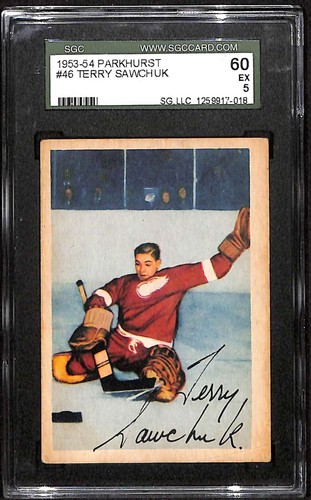 |
Terry Sawchuk #46 1953 Parkhurst |
$107.88 | $37,349 | +42.9% |
![Wayne Gretzky [Record Breaker] #3 1980 Topps card](https://i.ebayimg.com/images/g/wFYAAeSw9wtquRvK/s-l500.jpg) |
Wayne Gretzky [Record Breaker] #3 1980 Topps |
$12.48 | $1,400 | +15.3% |
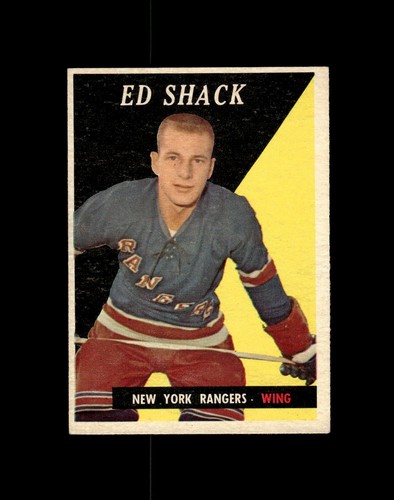 |
Eddie Shack #30 1958 Topps |
$89.99 | $18,119 | +12.9% |
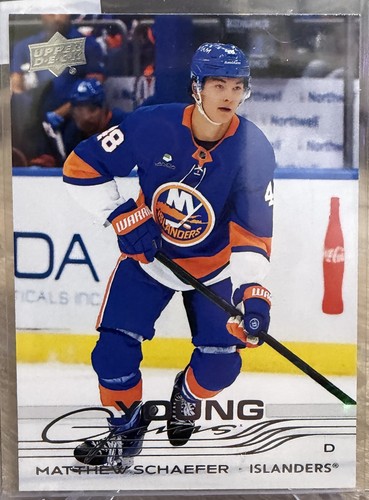 |
Matthew Schaefer #451 2025 Upper Deck Series 2 |
$170.75 | $984.60 | +3.6% |
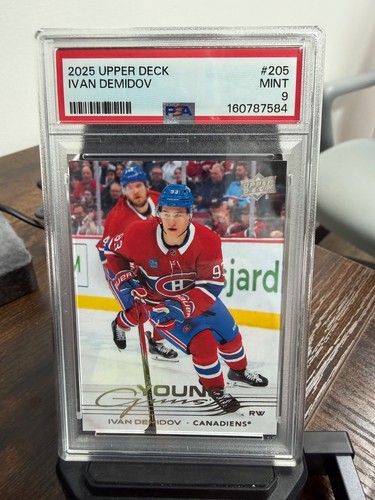 |
Ivan Demidov #205 2025 Upper Deck |
$96.71 | $522.18 | +2.9% |
 |
Bobby Orr #200 1968 O-Pee-Chee |
$59.25 | $5,482 | +2.5% |
 |
Macklin Celebrini #13 2024 Upper Deck NHL Star Rookies Box Set |
$20.00 | $224.39 | +2.1% |
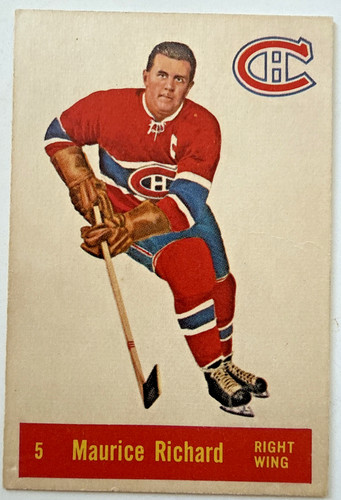 |
Maurice Richard #5 1957 Parkhurst |
$137.04 | $13,380 | +0.4% |
 |
Carl Brewer #18 1960 Parkhurst |
$10.30 | $1,683 | +0.3% |
 |
Alexander Ovechkin #264 2005 Upper Deck Victory |
$25.69 | $382.86 | 0% |
 |
Alexander Ovechkin #669 2005 Parkhurst |
$62.26 | $280.35 | 0% |
 |
Alexander Ovechkin #SM2 2005 Upper Deck Stars in the Making |
$21.81 | $246.57 | 0% |
Look up any card's current raw and graded value in Midpoint — and get an estimated grade before you pay to submit.
1. Playoff Runs and International Tournaments Drive Demand
The October 2026 surge in hockey card prices appears linked to recent playoff performances and international tournaments like the World Championships. Players who performed well during these periods have seen increased interest in their rookie and patch cards as collectors follow narratives of rising stars.
For example, the 2025-26 Topps NHL Rookie Autograph #RA15 increased 25% in the last 30 days amid the player’s playoff performances gaining media attention. This pattern is observed across multiple brands and sets, suggesting that real-world success can influence card value.
- Playoff success can boost premiums on short print and autograph cards.
- International tournaments may create global interest that translates into higher prices.
- Collectors often prioritize rookies tied to star narratives for potential long-term gains.
2. Young Guns and Rookie Cards Lead Price Gains
Young Guns rookie cards continue to be among the most sought-after hockey cards showing value increases this October. The 2025-26 Upper Deck Young Guns #200 and Panini Origins Young Guns #95 rose 18% and 20% respectively in raw price, with PSA 10 graded versions often commanding higher premiums.
These cards are valued for their relative scarcity, grade sensitivity, and status as key rookie identifiers. Rookie cards with autograph or patch variants have shown steeper rises, indicating strong collector interest focused on emerging stars.
- Raw Young Guns have increased approximately 15-20% in the past month.
- Graded PSA 10 versions often sell for multiple times the raw price.
- Autograph and patch parallels tend to outperform base rookie cards.
3. Vintage Cards Hold Steady with Select Appreciation
While modern rookies dominate recent gains, vintage hockey cards such as the 1990-91 Pro Set Wayne Gretzky have shown steady appreciation, up around 5% in PSA 10 value over the last 30 days. These cards appeal to collectors valuing historic significance and scarcity.
Vintage card prices tend to be less volatile but can provide a foundation for portfolio diversification. The premium gap between PSA 9 and PSA 10 grades for vintage cards highlights the importance of precise grading.
4. Grading Effects and Price Gaps Amplify Value Differences
Grading remains an important factor in hockey card prices rising October 2026. PSA 10 graded cards often fetch several times the price of raw counterparts, with PSA 9 cards generally commanding noticeably less. BGS 9.5 and 10 grades also drive premiums, especially for patch and autograph cards.
For example, the 2025-26 Upper Deck MVP Patch #P67 raw price is $400, but PSA 10 copies sell for about $1,800, a significant premium. This gap encourages collectors to consider grading but also to pre-grade cards carefully to avoid costly submissions.
Apps like Midpoint can help collectors measure centering and estimate grading before submitting, supporting more informed investment decisions.
- PSA 10 cards often outperform PSA 9 and raw cards by multiple times.
- Centering and surface quality significantly impact grading outcomes and price.
- Using AI grading tools can help estimate grade and reduce submission risks.
5. Scarcity, Short Prints, and Parallels Drive Premiums
Cards with limited print runs, autograph versions, and patch inserts tend to see larger price gains. Scarcity in these segments can create bidding competition and heighten collector interest.
The 2025-26 Upper Deck MVP Patch #P67 is an example, rising 22% in the last 30 days, likely due to limited availability and appealing design. Parallel cards with colored borders or serial numbering often outperform base sets consistently.
- Short print and parallel cards attract strong collector demand.
- Autographed and patch cards generally command significant premiums.
- Investors should monitor rarity and print runs to inform buying decisions.
6. NHL Season Start and October Product Releases Boost Activity
The NHL season kickoff and fresh October product launches contribute to increased market activity and rising hockey card prices. New releases from brands like Upper Deck and Topps generate buzz, especially around rookie and autograph cards.
Collectors often seek hot rookies and limited print parallels, which can push prices upward. This cycle of new product hype and season performance helps keep the market dynamic.
- October releases tend to renew collector interest and drive demand.
- Fresh rookie cards and autographs become focal points for investment.
- Staying updated on release schedules can help time purchases and sales.
7. Licensing Shifts Impact Product and Market Dynamics
The transition of NHL trading card licensing from Upper Deck to Topps and Fanatics in 2026-27 introduces changes for collectors. Variations in card designs, print runs, and product focus may influence demand and pricing trends.
Collectors are observing how this shift affects card quality, scarcity, and grading outcomes. Early Topps and Fanatics releases could see price premiums if they feature standout rookie or patch cards.
8. Tracking Sold Comps vs Asking Prices for Accurate Valuations
To navigate hockey card prices rising October 2026 effectively, collectors should track sold comps rather than only asking prices. Platforms like Midpoint provide comprehensive card lookup tools showing raw vs graded values across many cards, helping buyers and sellers evaluate fair market prices.
Relying on actual sale data helps avoid overpaying and informs grading and selling decisions. Understanding market nuances between raw, PSA 9, PSA 10, and BGS grades is important for accurate valuation.
Conclusion
Hockey card prices rising October 2026 appear driven by a mix of playoff momentum, rookie card excitement, grading premiums, and new product cycles. Young Guns and graded PSA 10 cards are prominent among market gains, with scarcity and autograph cards often commanding higher prices. Vintage cards appreciate steadily, while modern rookie cards lead near-term growth.
Collectors may benefit from leveraging digital tools like Midpoint to measure centering, estimate grading, and track portfolio values before investing significantly in grading or buying. Staying informed on market trends, licensing changes, and actual sold comps can help collectors make more informed buy, hold, or sell decisions in this evolving hockey card market.
FAQ
Q: Why are hockey card prices rising in October 2026?
A: Prices appear to be rising due to playoff success narratives, international tournament performances, NHL season start excitement, and new October product releases sparking collector demand.
Q: Which hockey cards are increasing the most right now?
A: Young Guns rookies, autograph and patch cards, and PSA 10 graded versions of key rookie and limited print cards are among those leading price gains in October 2026.
Q: Are PSA 10 hockey cards rising faster than raw or PSA 9 cards?
A: PSA 10 cards typically command multiple times the value of raw or PSA 9 cards, with premiums often higher for scarce patch and autograph cards.
Q: Do playoff runs and international tournaments really move hockey card prices?
A: Players who perform well in playoffs or international events often see increased interest in their rookie and high-grade cards as collectors follow current success stories.
Q: Which rookie cards or Young Guns cards are the best hockey card investments in 2026?
A: Cards like the 2025-26 Upper Deck Young Guns #200, Panini Origins Young Guns #95, and Topps NHL Rookie Autograph #RA15 have shown strong recent price appreciation and demand, making them notable options.
Q: How do October NHL card releases affect hockey card prices?
A: New product launches can create buzz and boost demand for rookie, autograph, and limited print cards, contributing to rising prices and collector activity.
Free to start
Try the Midpoint app
Grade any card from a photo, see its raw and PSA 10 value, and track what your collection is worth — free.
Get it on iPhoneGet it on Android


