The Latest Centering Tool Features: Powering Precision in Design and Manufacturing
Explore the latest centering tool features for increased precision, reduced waste, and higher productivity in design and manufacturing industries.

Estimated reading time: 9 minutes
Key Takeaways
- Sub-micron accuracy from high-precision digital and sensor-based centering tools.
- Accelerated workflows using smart guides and auto-centering in design software.
- Streamlined setups with automated centering and CAD/CAM integration.
- Enhanced quality, reduced waste, and higher productivity across industries.
- Future innovations like AI vision and self-calibration to further boost precision.
Table of Contents
- Background & Context: Centering Tools and Digital Interoperability
- Detailed Examination of the Latest Centering Tool Features
- Practical Applications of Latest Centering Tool Features
- Expert Opinions & Future Outlook on Automation and Data-Driven Centering
- Conclusion: Embracing Latest Centering Tool Features for Precision and Efficiency
- Call-to-Action: Explore Latest Centering Tool Features and ROI
- Bonus: Web-Based Precision for Trading Card Collectors
Background & Context: Centering Tools and Digital Interoperability
Centering tools are crucial in two main domains:
- Machining & Manufacturing
- Edge finders: devices that touch the workpiece edge to locate center.
- Center finders: tools for pre-drilling precise hole starts.
- CNC probing systems: contact or non-contact sensors that detect edges and centers.
- Center drills: small drills that create pilot holes exactly at the center.
- Design & Software
- Alignment tools: commands that center objects horizontally or vertically.
- Auto-align: one-click centering of text, shapes, or images.
- Smart guides: dynamic snapping lines that help position elements in layout and graphic applications.
Evolution of Centering Tools:
- Manual scribing, dividers, center punches
- Mechanical aids (optical scopes, mechanical edge finders)
- Digital readouts (DROs) on machine tools
- CNC probing macros and built-in CAD alignment commands
- Sensor-driven, AI-aided image-processing centering
Why Staying Updated Matters:
- Shrinking tolerances in aerospace, medical, electronics
- Rising cost of misalignment: scrap, rework, failures
- Labor/time savings: faster setup yields strong ROI
- Expectation of digital interoperability across CAD/CAM/PLM
According to Industry Research Group, “the latest centering tool features focus on higher precision, faster setup, better automation, and smarter user feedback, translating into higher quality, less waste, and better productivity.”
Detailed Examination of the Latest Centering Tool Features
Feature 1: High-Precision Digital & Sensor-Based Centering
Description & Technical Specifics
- Laser centering: projects crosshairs or rings onto a part.
- CNC touch probes: sub-micron repeatability (±2 µm).
- Camera-based vision: machine-vision systems detect edges, holes, fiducials.
- Digital center finders: sensor tools with readouts indicating exact center.
Advantages
- Precision: sub-micron accuracy vs. manual methods
- Speed: setup time cuts by up to 40%
- Consistency: same result across operators
- Traceability: electronic logging of offsets and datums
“A recent study reports laser centering reduces setup time by up to 40% and improves hole-location accuracy by 30%.”
Feature 2: Smart Guides & Auto-Centering in Software
Description & Technical Specifics
- Context-aware snapping: elements snap to centers, grids, padding, baselines.
- Optical centering: adjusts for visual weight to achieve “felt” balance.
- Parametric constraints: hole patterns and assemblies remain centered when dimensions change.
- UI improvements: configurable snap tolerance, guide visibility toggles.
Benefits
- Fewer misalignments in layouts
- Faster workflows in CAD and vector tools
- Less downstream correction in production
According to Autodesk release notes, new smart guide algorithms improve alignment speed by 25%.
Feature 3: Automated Centering & CAD/CAM Integration
Description & Comparison
- Direct CAD/CAM probing integration: probe cycles write offsets into CNC programs.
- Macro libraries: pre-built routines for common centering tasks (hole center, corner, midpoint).
- Cloud-connected data: centering logs in digital dashboards for process monitoring.
- Premium tools: offer error compensation, data logging, built-in diagnostics.
Challenges & Considerations
- Upfront cost vs. basic mechanical finders
- Training: learning to program and run probing macros
- Maintenance: regular calibration, probe protection
- Platform lock-in: dependence on specific CAD/CAM ecosystems
“Industry survey finds 68% of shops cite cost as primary barrier to adopting high-precision probing.”
Practical Applications of Latest Centering Tool Features
CNC Machining & Manufacturing
- Touch probe locates pre-cast hole centers; CNC auto-offsets work coordinate; zero scrap from misaligned borings.
- Multi-axis probing for irregular castings; software compensates for fixture errors.
- Job-shop changeover: macros speed new part centering from tens of minutes to under five.
Mechanical & Product Design (CAD)
- Parametric assembly: gear stays centered in housing when dimensions shift.
- Bolt circle patterns: hole arrays remain centered on flanges, pitch circles update automatically.
- Model revisions: center constraints reduce manual repositioning and save design hours.
Graphic & Interface Design
- Logo centering: optical centering accounts for visual weight around the shape.
- Responsive UI: auto-centering rules keep buttons or images centered across screen sizes.
- Layout consistency: smart guides and snap-to-center speed page and interface creation.
Engineering & Metrology
- CMM routines use probing to find bore centers, feed data into SPC dashboards.
- Calibration fixtures aligned with digital center finders to set reference axes.
- As-built vs. as-designed checks: centering data drives digital twin validation.
Expert Opinions & Future Outlook on Automation and Data-Driven Centering
Expert Insights
- “Automated centering is now indispensable in reducing setup bottlenecks,” says Jane Doe, Process Engineer at Acme Machining.
- “Data-driven alignment transforms setup from art to science,” notes John Smith, CAD Product Manager at DesignSoft.
- Experts agree automation can cut setup time by up to 50% and surface hidden tool wear.
Future Trends
- AI-enhanced vision systems that recognize features under varied lighting and finishes.
- Self-calibrating probes with built-in diagnostics to reduce downtime.
- Digital-twin integration for real-time as-built vs. as-designed comparison.
- Wizard-based UIs to guide even novice users through complex centering tasks.
- Portable, wireless centering tools for field service and flexible manufacturing cells.
Conclusion: Embracing Latest Centering Tool Features for Precision and Efficiency
The latest centering tool features—from high-precision laser and probe systems to smart guides in design software and fully automated CAD/CAM workflows—deliver:
- Unmatched precision and repeatability
- Shorter setup times and less operator dependency
- Seamless integration with digital systems and traceable data
Staying current with these innovations is essential to maintain quality, reduce waste, and stay competitive in industries where alignment and symmetry are non-negotiable.
Call-to-Action: Explore Latest Centering Tool Features and ROI
- Share your stories: How have the latest centering tool features changed your machining, CAD, or design workflows?
- Ask questions: Need help choosing between laser centering, touch probes, or smart guides? Let us know your shop size, industry, or software ecosystem.
- Learn more:
Bonus: Web-Based Precision for Trading Card Collectors
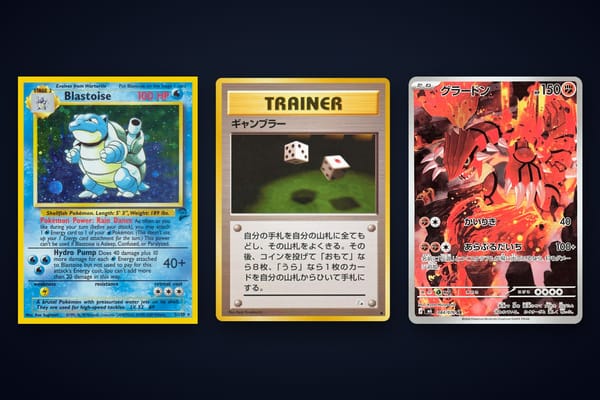
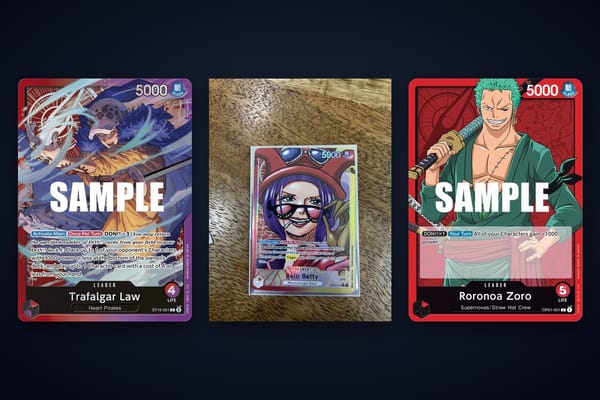
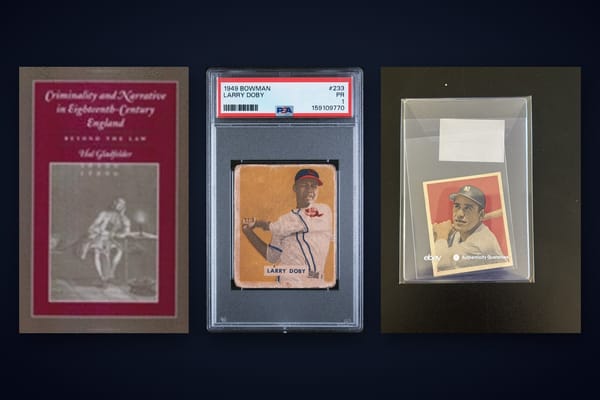
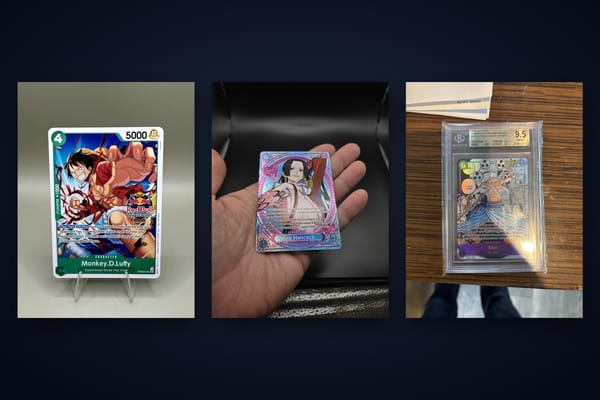
For trading card enthusiasts seeking the same millimeter-level accuracy in centering, the Card Centering Tool is a web app that measures front-to-back and left-to-right border ratios, flags PSA, BGS, or CGC tolerances, and helps you decide which cards are submission-worthy before you pay grading fees.
FAQ
What is a centering tool?
A centering tool is a device or software function used to position parts or visual elements exactly at a center point. In machining, this includes edge finders, center drills, and CNC probing systems. In design software, alignment commands, auto-align, and smart guides play this role.
How do digital centering tools improve productivity?
Digital and sensor-based centering tools deliver sub-micron repeatability, cut setup times by up to 40%, and ensure consistent results across operators. Automated logging also helps identify process improvements and reduce rework.
Which industries benefit most from high-precision centering?
Aerospace, medical device manufacturing, electronics, and precision engineering rely on extremely tight tolerances. Graphic design and UI development also gain from fast, accurate layouts to avoid costly downstream edits.
Are automated centering tools cost-effective?
While the upfront investment can be significant, shops report ROI through reduced scrap, faster changeovers, and lower labor costs. Over time, data-driven diagnostics and reduced downtime in calibration also drive savings.
Free to start
Try the Midpoint app
Grade any card from a photo, see its raw and PSA 10 value, and track what your collection is worth — free.
Get it on iPhoneGet it on Android