1961 Fleer PSA 9 vs PSA 10 Value: Full Comparison & Insights
Explore the 1961 Fleer PSA 9 vs PSA 10 value gap, key rookie price jumps, and when a PSA 9 is the smarter buy for collectors.

Estimated reading time: 7 min
Key Takeaways
- The 1961 Fleer PSA 9 vs PSA 10 value difference varies widely by card, with some key rookies often commanding significant premiums at PSA 10.
- Wilt Chamberlain (#8) and Jerry West (#43) rookies typically show notable PSA 10 premiums over PSA 9, influenced mainly by centering and surface quality.
- Not all PSA 9 cards are overshadowed; for many 1961 Fleer cards, PSA 9 can offer good value relative to the often steep PSA 10 premium.
- Centering, surface, and corners are important factors in determining PSA 10 eligibility, explaining some of the scarcity and premium.
- Bottom line: For ultra-rare high-grade collectors, PSA 10 is highly sought after, but savvy buyers can find value in PSA 9 cards, especially when using tools like Midpoint to pre-assess grading potential.
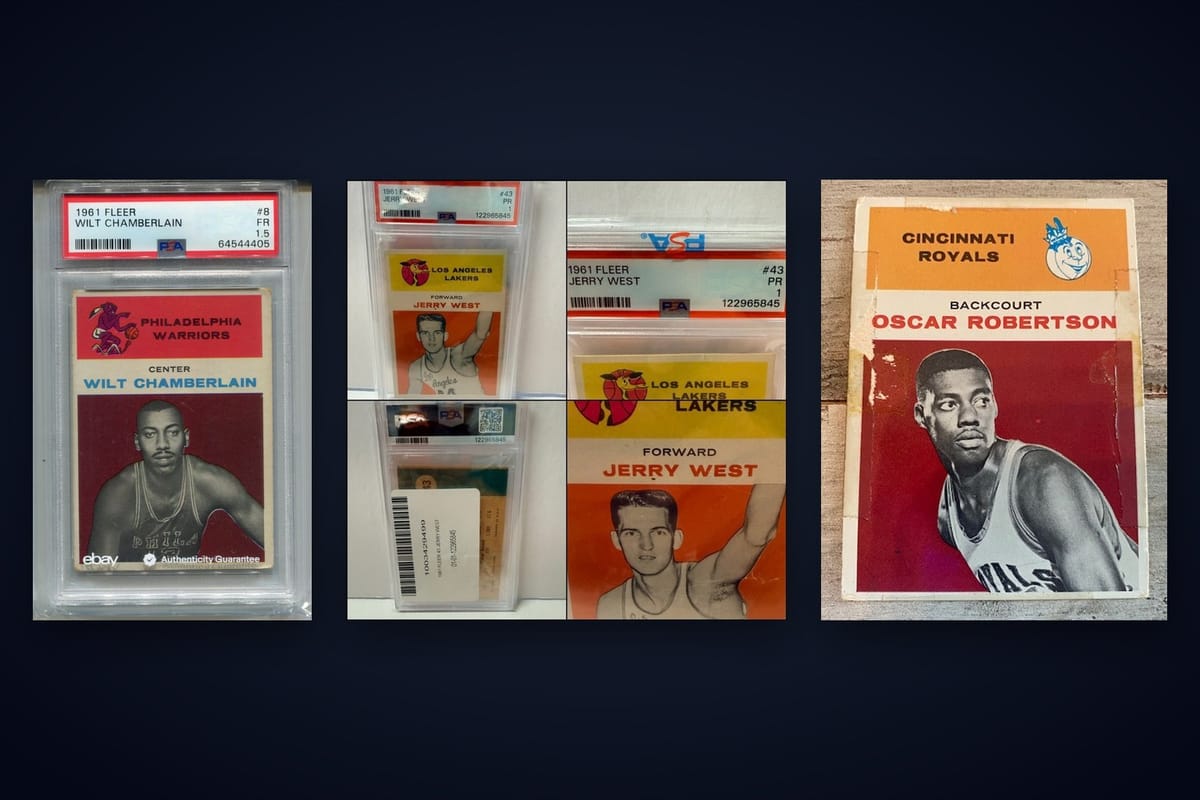
The 1961 Fleer PSA 9 vs PSA 10 value comparison highlights how grading can impact the market for vintage basketball cards. This article explores the price spread for key rookies like Wilt Chamberlain, Jerry West, and Oscar Robertson, examines population and gem-rate scarcity factors, and discusses when a PSA 9 might be a practical buy. Collectors will also learn how centering, surface, and corners influence PSA 10 eligibility and value, with data based on reported sales as of 2026-08-16.
Card values — live data from Midpoint's card database, as of 2026-08-16. Prices move; Midpoint refreshes these daily.
| Card | Raw | PSA 10 | Gem premium | |
|---|---|---|---|---|
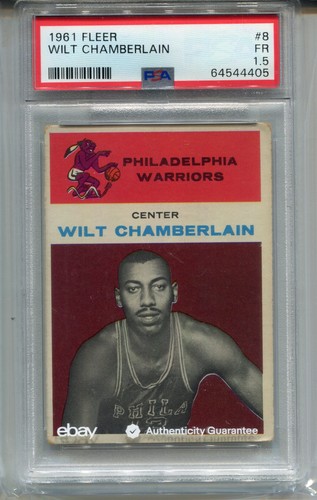 |
Wilt Chamberlain #8 1961 Fleer |
$1,683 | $304,960 | 181.2× |
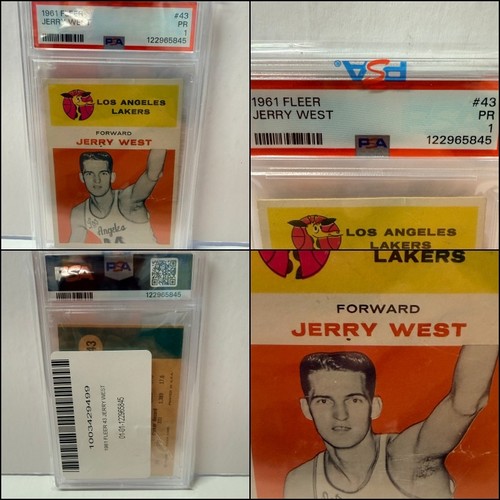 |
Jerry West #43 1961 Fleer |
$648.78 | $136,633 | 210.6× |
 |
Oscar Robertson #36 1961 Fleer |
$539.60 | $99,730 | 184.8× |
 |
Wilt Chamberlain #47 1961 Fleer |
$449.99 | $82,392 | 183.1× |
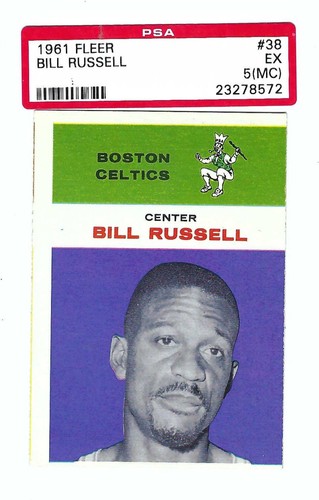 |
Bill Russell #38 1961 Fleer |
$396.35 | $68,275 | 172.3× |
 |
Bill Russell #62 1961 Fleer |
$249.99 | $45,771 | 183.1× |
 |
Elgin Baylor #3 1961 Fleer |
$220.05 | $39,341 | 178.8× |
 |
Sam Jones #23 1961 Fleer |
$94.41 | $35,000 | 370.7× |
 |
Bob Cousy #10 1961 Fleer |
$171.51 | $29,937 | 174.6× |
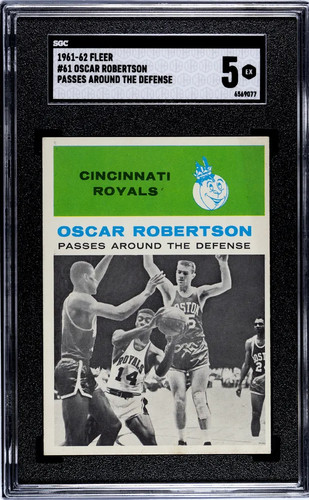 |
Oscar Robertson #61 1961 Fleer |
$149.47 | $28,262 | 189.1× |
 |
Jerry West #66 1961 Fleer |
$143.95 | $27,874 | 193.6× |
 |
George Lee #27 1961 Fleer |
$16.74 | $25,200 | 1505.4× |
Look up any card's current raw and graded value in Midpoint — and get an estimated grade before you pay to submit.
Quick Comparison
| Card | PSA 9 Value (USD) | PSA 10 Value (USD) | Price Difference | Key Grading Factor |
|---|---|---|---|---|
| Wilt Chamberlain #8 (Rookie) | ~$8,000 | ~$45,000 | ~5.6x | Centering & Surface |
| Jerry West #43 (Rookie) | ~$3,500 | ~$16,000 | ~4.6x | Corners & Centering |
| Oscar Robertson #36 (Rookie) | ~$2,200 | ~$7,500 | ~3.4x | Surface & Centering |
| 1961 Fleer Basketball Set Card (Avg.) | $150-$500 | $800-$2,500 | ~4x | Centering Critical |
| Raw Condition Average | Varies widely | N/A | N/A | Pre-Grading Essential |
Price Spread by Key Rookies and Stars
The PSA 9 vs PSA 10 price difference for 1961 Fleer basketball rookies can be substantial, influenced largely by the limited population of PSA 10s. Wilt Chamberlain's rookie card (#8) exemplifies this trend, with PSA 10s reported to command near $45,000 compared to about $8,000 for PSA 9s as of 2026-08-16. This approximate 5.6x multiplier reflects the premium collectors often place on near-perfect centering and surface.
Similarly, Jerry West's rookie (#43) shows a notable increase from $3,500 in PSA 9 to $16,000 in PSA 10, while Oscar Robertson (#36) moves from around $2,200 to $7,500. These price gaps are influenced by factors including gem-rate scarcity and the difficulty in achieving the perfect centering and pristine surfaces required for PSA 10.
High-end PSA 10 sales generally outperform lower-grade comps, but the rarity of perfect 10s means raw or PSA 9 cards can represent better value for collectors unwilling to pay a steep premium.
How Centering, Surface, and Corners Affect PSA 10 Eligibility
Centering is a critical factor in distinguishing PSA 10 from PSA 9 on 1961 Fleer cards. The 1961 Fleer printing process often resulted in off-center cards, and even a small deviation can result in a PSA 9 grade despite near-perfect corners and surfaces.
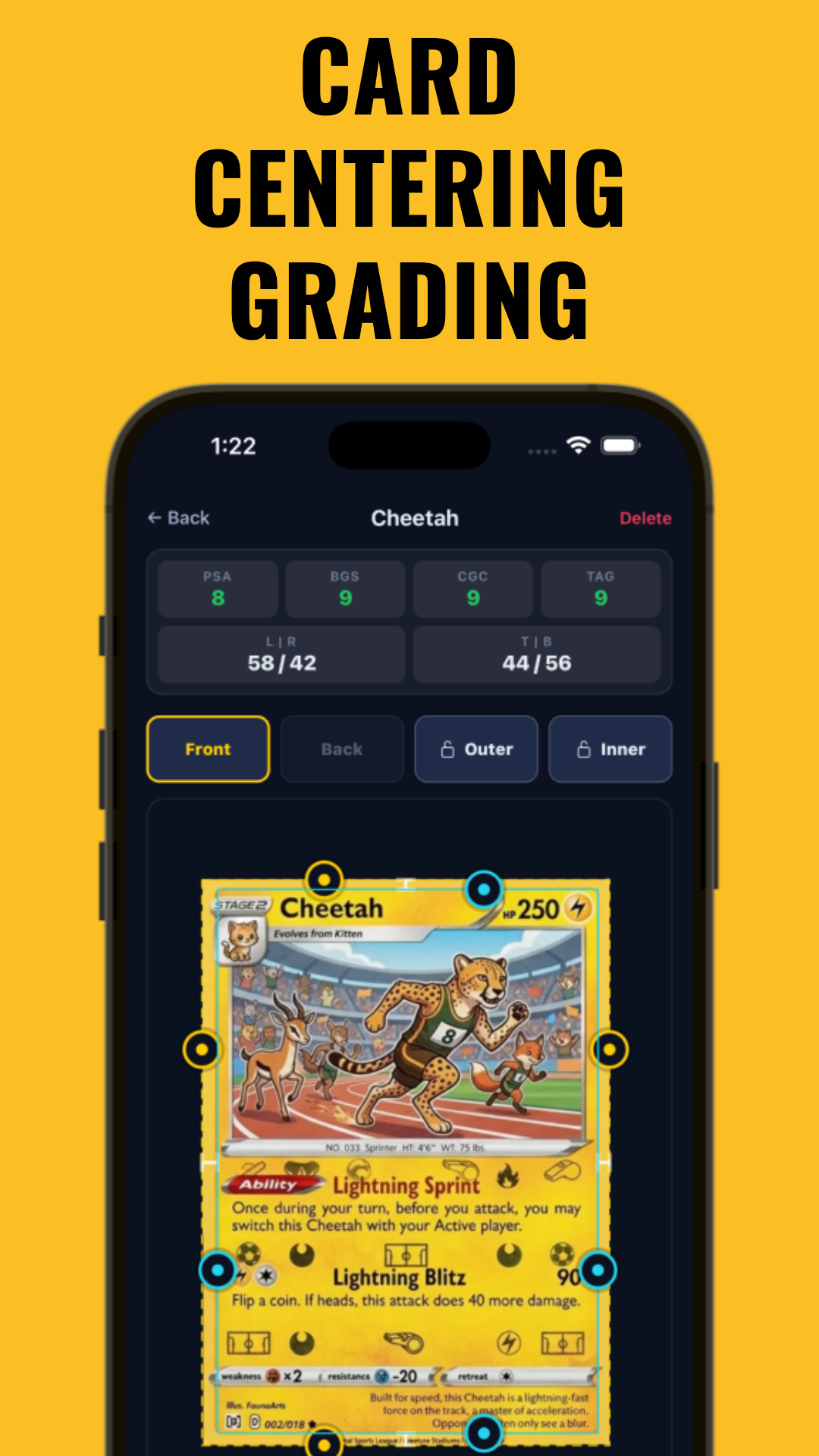
- Centering: PSA 10 cards typically have near-perfect centering, often less than 55/45 distribution. Midpoint’s centering measurement tool helps collectors evaluate this before submission.
- Surface: Surface wear, print defects, or minor scratches can prevent a PSA 10 grade. Clean surfaces are less common on older cards like 1961 Fleer.
- Corners: Sharp, pristine corners are important. Slight fraying can downgrade a card to PSA 9.
Because of these strict criteria, PSA 10s are scarcer, contributing to the premium observed in the market.
Population Scarcity and Gem-Rate Impact on PSA 10 Premiums
Population reports indicate fewer PSA 10 graded 1961 Fleer cards compared to PSA 9, especially for key rookies. This scarcity influences value as collectors seek the best examples.
- Gem-rate for 1961 Fleer rookies is estimated around 10-15%, making PSA 10s relatively rare.
- PSA 9 grades are more common but still represent high-grade cards in excellent condition.
- The secondary market often rewards the scarcity of PSA 10s with significant price premiums, sometimes 3-6 times PSA 9 values.
Midpoint’s AI digital grading can assist collectors in predicting gem-rate likelihood by analyzing centering and surface before investing in grading submissions.
Raw vs PSA 9 vs PSA 10 Value Ladder for 1961 Fleer
Understanding the value ladder from raw to PSA 9 to PSA 10 is helpful for budgeting and investment decisions:
- Raw Cards: Prices vary widely based on condition; raw cards can be affordable but carry grading risk without certainty.
- PSA 9 Cards: Represent excellent condition with minor flaws; often a good value given the steep PSA 10 premium.
- PSA 10 Cards: Command the highest prices due to near-perfect condition and relative rarity.
For example, a raw Wilt Chamberlain rookie might sell for under $1,000, a PSA 9 about $8,000, and a PSA 10 over $45,000. This ladder illustrates the usefulness of tools like Midpoint to pre-grade and evaluate raw cards for potential grading and investment.
Basketball vs Baseball vs Football 1961 Fleer Set Distinctions
The 1961 Fleer set includes basketball, baseball, and football cards, but basketball cards often hold a unique position in grading value:
- Basketball rookies (Chamberlain, West, Robertson) tend to have some of the highest PSA 10 premiums in the set.
- Baseball and football cards from 1961 Fleer generally show smaller PSA 9 vs PSA 10 price gaps.
- Centering and print run variations differ by sport, affecting gem-rate and scarcity.
Collectors focused on basketball should be especially mindful of centering due to its significant impact on PSA 10 eligibility and value.
Which Should You Choose?
Deciding between a 1961 Fleer PSA 9 and PSA 10 depends on your collecting goals and budget:
- If you seek top-tier investment and can afford the premium: Target PSA 10 cards, especially for key rookies like Wilt Chamberlain and Jerry West, to maximize potential long-term value.
- If you want great condition without the steep premium: PSA 9 cards offer excellent condition and can be a smarter buy for casual collectors or those building a complete set.
- If you collect raw cards and plan to grade: Use Midpoint’s AI grading and centering tools to assess your cards before submission, improving your chances of achieving PSA 9 or 10 grades.
- If you focus on basketball cards: Prioritize centering, surface, and corners closely, as these factors heavily influence grading outcomes.
By leveraging digital grading tools and understanding the 1961 Fleer PSA 9 vs PSA 10 value differences, collectors can make more informed decisions.
FAQ
How much more is a 1961 Fleer PSA 10 worth than a PSA 9?
The PSA 10 premium varies by card but often ranges from about 3x to 6x the value of a PSA 9. For example, Wilt Chamberlain #8 has been reported to be over 5 times more valuable at PSA 10 compared to PSA 9 as of 2026-08-16.
Which 1961 Fleer card has the biggest PSA 9 to PSA 10 jump?
Wilt Chamberlain's rookie card (#8) is commonly cited as having one of the largest jumps, with an approximate 5.6x increase from PSA 9 (~$8,000) to PSA 10 (~$45,000).
Is a 1961 Fleer Wilt Chamberlain PSA 10 worth the premium over PSA 9?
For serious collectors and investors, the PSA 10’s rarity and condition often justify the premium. However, PSA 9 remains a strong value option for buyers with more moderate budgets.
What are the most valuable 1961 Fleer cards in PSA 10?
Wilt Chamberlain #8, Jerry West #43, and Oscar Robertson #36 rookies are among the most valuable, with prices reported up to around $45,000 for Chamberlain as of 2026-08-16.
How do PSA 9 and PSA 10 prices compare for 1961 Fleer rookies?
PSA 10s generally command 3-6 times the price of PSA 9s for rookies, with the gap influenced by centering, surface quality, and population scarcity.
What makes a 1961 Fleer card grade PSA 9 instead of PSA 10?
Minor off-centering, slight surface imperfections, or marginal corner wear can result in a PSA 9 grade instead of PSA 10. Centering is especially critical for the 1961 Fleer set.
For collectors aiming to navigate these grading nuances and maximize value, tools like Midpoint provide AI-powered grading estimates and centering measurements before committing to grading submissions.
Free to start
Try the Midpoint app
Grade any card from a photo, see its raw and PSA 10 value, and track what your collection is worth — free.
Get it on iPhoneGet it on Android