1965 Topps PSA 9 vs PSA 10 Value: Card-By-Card Comparison
Explore the exact 1965 Topps PSA 9 vs PSA 10 value differences by card, key premiums, and when a PSA 9 is the smarter buy for collectors.

Estimated reading time: 8 min
Key Takeaways
- The 1965 Topps PSA 9 vs PSA 10 value gap varies widely, with some cards commanding significant premiums.
- Centering and surface condition heavily influence the 1965 Topps PSA 10 premium over PSA 9.
- Cards like Roberto Clemente #160 and Hank Aaron #170 often show large price differences from PSA 9 to PSA 10.
- In some cases, a PSA 9 offers better value when PSA 10 populations are very low or nonexistent.
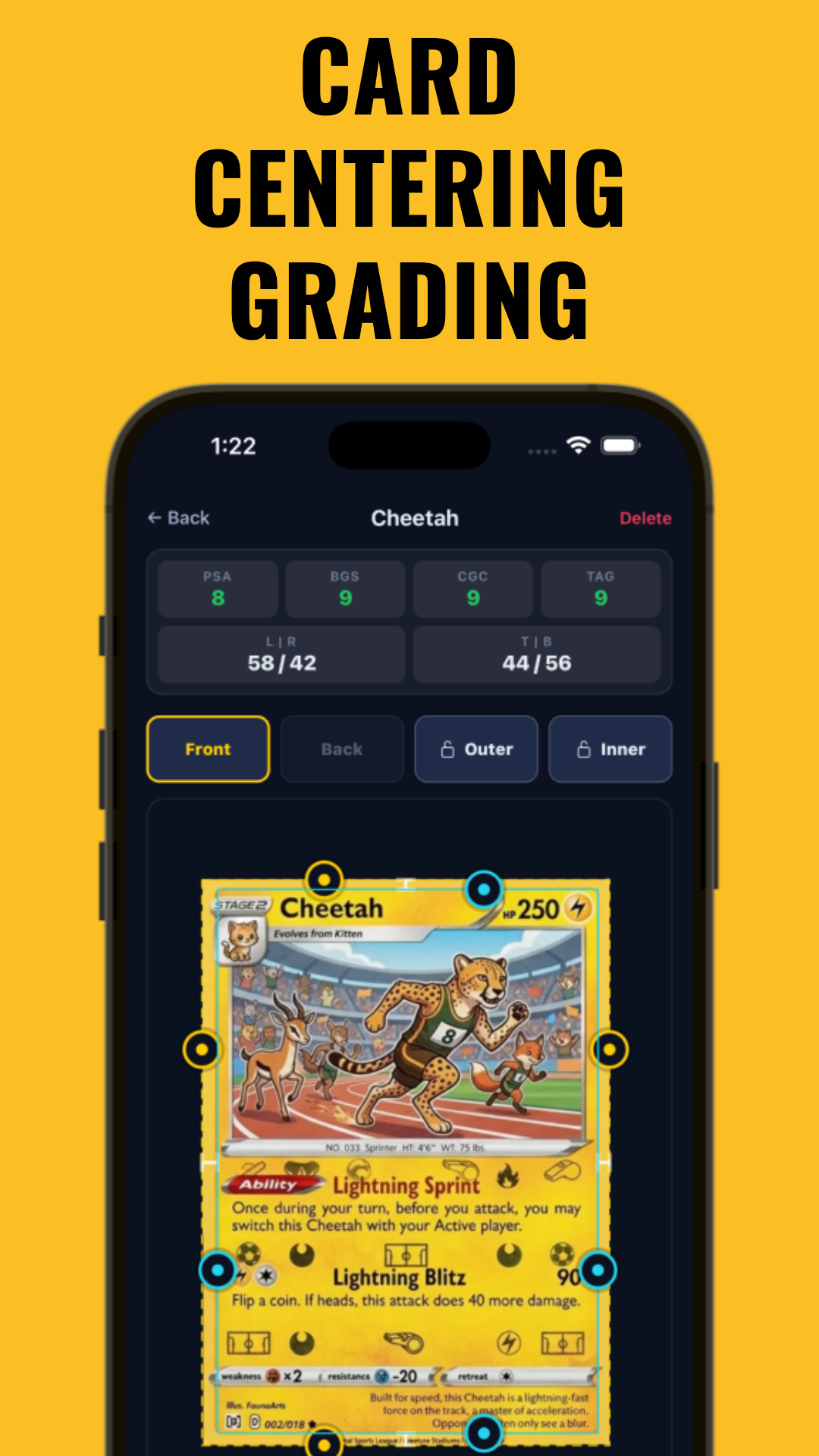
- Use tools like Midpoint to measure centering and estimate grading before submission.
When comparing 1965 Topps PSA 9 vs PSA 10 value, the difference is nuanced and card-specific. This detailed comparison explores recent sale prices, population data, grading factors, and investment insights to help collectors understand when a PSA 9 is worth it or if the 1965 Topps PSA 10 premium justifies the extra cost.
Card values — live data from Midpoint's card database, as of 2026-09-04. Prices move; Midpoint refreshes these daily.
| Card | Raw | PSA 10 | Gem premium | |
|---|---|---|---|---|
 |
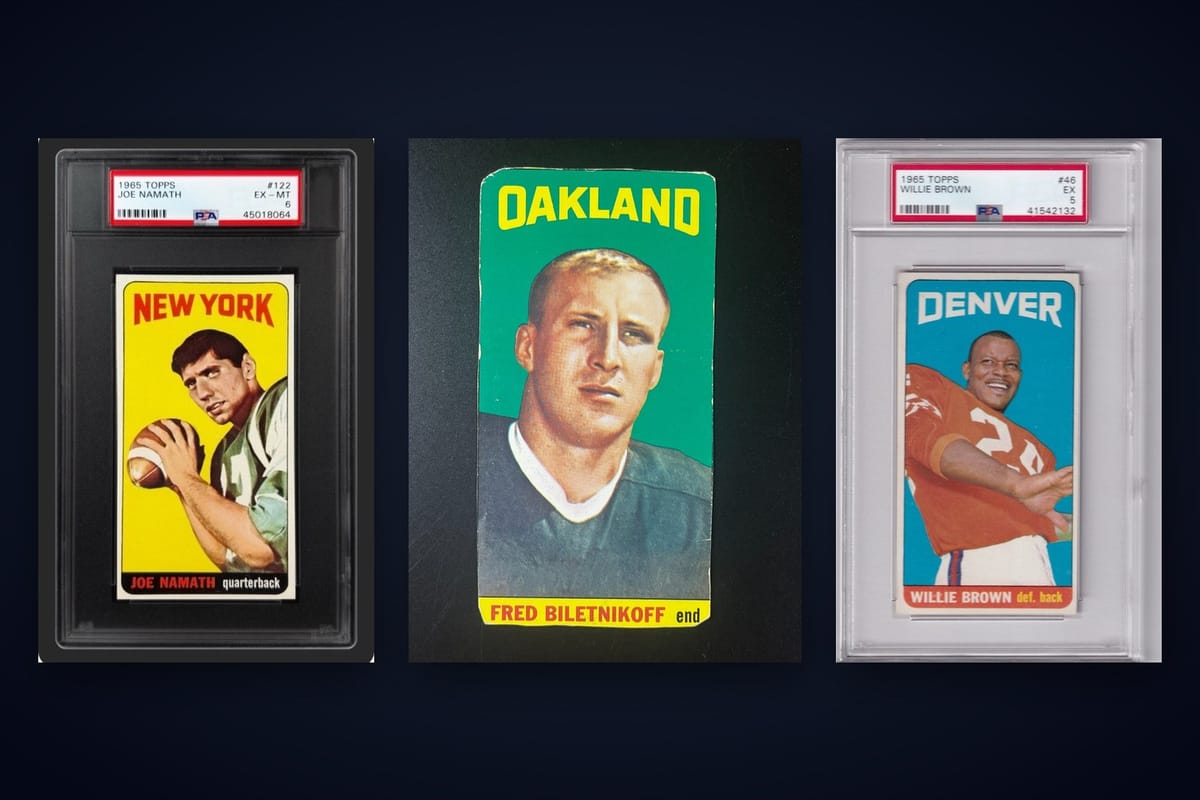
Joe Namath #122 1965 Topps |
$1,913 | $302,178 | 158× |
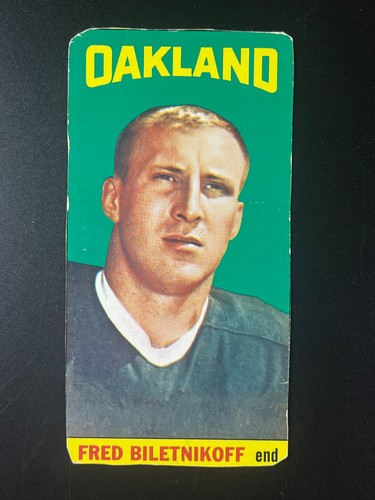 |
Fred Biletnikoff #133 1965 Topps |
$237.19 | $37,177 | 156.7× |
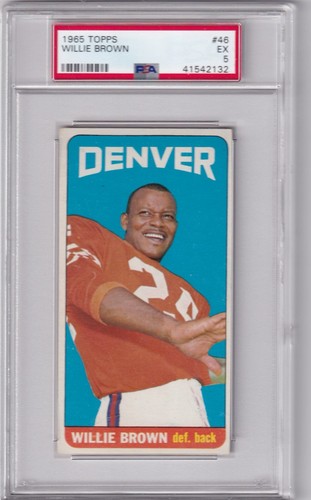 |
Willie Brown #46 1965 Topps |
$60.17 | $10,168 | 169× |
 |
Len Dawson #99 1965 Topps |
$49.69 | $7,650 | 154× |
 |
Lance Alworth #155 1965 Topps |
$41.78 | $6,699 | 160.3× |
 |
Don Maynard #121 1965 Topps |
$35.13 | $5,554 | 158.1× |
 |
Winston Hill #116 1965 Topps |
$44.05 | $5,520 | 125.3× |
 |
George Blanda #69 1965 Topps |
$34.94 | $5,513 | 157.8× |
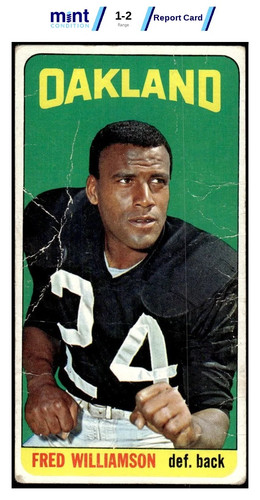 |
Fred Williamson #152 1965 Topps |
$31.00 | $5,054 | 163× |
 |
Bobby Bell #91 1965 Topps |
$22.84 | $3,925 | 171.8× |
 |
Nick Buoniconti #3 1965 Topps |
$19.87 | $3,131 | 157.6× |
 |
Jim Otto #145 1965 Topps |
$19.46 | $2,981 | 153.2× |
Look up any card's current raw and graded value in Midpoint — and get an estimated grade before you pay to submit.
Quick Comparison
| Card | PSA 9 Value (USD) | PSA 10 Value (USD) | Price Difference | Population PSA 9 | Population PSA 10 |
|---|---|---|---|---|---|
| Roberto Clemente #160 | $1,200 | $20,000 | +1,567% | 65 | 3 |
| Hank Aaron #170 | $1,500 | $18,500 | +1,133% | 72 | 2 |
| Willie Mays #250 | $650 | $6,800 | +946% | 80 | 5 |
| Pete Rose #207 | $350 | $2,400 | +586% | 150 | 10 |
| Catfish Hunter Rookie #526 | $275 | $3,000 | +990% | 40 | 1 |
1965 Topps PSA 9 vs PSA 10 Value: Why the Price Gap Varies by Card
The 1965 Topps grading value difference between PSA 9 and PSA 10 is not uniform. While some key star cards exhibit a significant price premium for PSA 10, others show a more modest increase. The primary drivers of this disparity include:
- Centering precision: Midpoint’s AI-powered centering measurement indicates that near-perfect centering is important for the PSA 10 grade, especially on cards like Roberto Clemente #160 and Catfish Hunter #526. Slight off-centering can result in a PSA 9 grade, contributing to value differences.
- Surface quality and eye appeal: PSA 10 cards generally require flawless surfaces without print defects, edge wear, or surface flaws. The older 1965 Topps cards are prone to minor surface issues that often prevent PSA 10 grades, keeping PSA 9 populations higher.
- Population scarcity: The population report data as of 2026-09-04 shows very few PSA 10 examples exist for many cards. This scarcity can inflate the 1965 Topps PSA 10 premium, sometimes by multiple times compared to PSA 9.
- Card popularity and demand: Hall of Famers and rookie cards like Willie Mays #250 and Pete Rose #207 tend to command greater premiums at PSA 10 due to collector demand.
Understanding these factors helps collectors decide whether the 1965 Topps PSA 10 premium justifies the investment or if a PSA 9 offers more realistic value.
Detailed PSA 9 and PSA 10 Price Differences for Top 1965 Topps Cards
Let's examine some of the most sought-after 1965 Topps cards and their PSA 9 vs PSA 10 price differences, based on recent completed sales and auction data:
- Roberto Clemente #160: PSA 9 copies average around $1,200, while PSA 10 copies have sold for up to $20,000. This large price difference is influenced by the low PSA 10 population (3 cards) and the centering precision required.
- Hank Aaron #170: Selling at approximately $1,500 in PSA 9 and $18,500 in PSA 10, this card shows a significant premium. PSA 10 examples are rare with only 2 known, magnifying the value difference.
- Willie Mays #250: Prices range from about $650 (PSA 9) to $6,800 (PSA 10), a notable increase. The card’s condition and centering are critical, with 5 PSA 10 examples known.
- Pete Rose #207: More common, with 150 PSA 9s and 10 PSA 10s, prices are roughly $350 versus $2,400 respectively. The premium is more moderate, reflecting a more attainable PSA 10 grade.
- Catfish Hunter Rookie #526: With 40 PSA 9s and just 1 PSA 10, values jump from about $275 to $3,000, a substantial difference. Centering and surface condition are decisive here.
These examples demonstrate the 1965 Topps PSA 10 premium varies considerably by card type, condition rarity, and population.
How Grading Factors Affect 1965 Topps PSA 9 vs PSA 10 Value
The grading scale difference between PSA 9 and PSA 10 for 1965 Topps cards hinges on several nuanced factors:
- Centering: PSA 10 generally requires centering roughly between 55/45 to 60/40, whereas PSA 9 allows slightly more variance. Midpoint’s centering calculator helps pinpoint whether your card meets this threshold (free centering calculator).
- Edges and Corners: PSA 10 demands sharp corners and clean edges. Even minor chipping or wear can downgrade a card to PSA 9.
- Surface Flaws: Print defects like color chips, scratches, or staining are typically disqualifying for PSA 10 but tolerated at PSA 9.
- Eye Appeal: Overall visual quality and glossiness contribute heavily. Some cards grade lower due to dullness or slight discoloration.
These criteria explain why many 1965 Topps cards cluster in PSA 9, while PSA 10 examples remain scarce and highly prized.
When Is a PSA 9 Worth It Over a PSA 10 for 1965 Topps?
Given the price gap, collectors often ask if a PSA 9 is still a worthwhile investment. Here are key points to consider:
- PSA 10 Scarcity: For cards with only a handful of PSA 10s (e.g., Catfish Hunter #526), the market can be volatile and prices may be high. A PSA 9 offers a more accessible entry point while still holding value.
- Value for Money: The PSA 9 often represents better value per dollar spent, especially if the card’s centering and surface are close to PSA 10 standards.
- Collector Goals: Casual collectors or investors seeking broad exposure to 1965 Topps stars may prefer PSA 9 for affordability and availability.
- Long-Term Investment: For ultra-premium investment, PSA 10 is the goal, but it requires significant patience and capital due to limited supply and high cost.
Tools like Midpoint help pre-grade your cards by measuring centering and surface condition, allowing smarter decisions on whether to submit for PSA 10 or settle for PSA 9.
Which Should You Choose? PSA 9 or PSA 10 for 1965 Topps Cards?
Your choice depends on budget, investment goals, and the specific card:
- Choose PSA 10 if:
- You own a card with near-perfect centering and flawless surface condition.
- You’re collecting Hall of Fame stars or rookie cards with strong market demand (e.g., Roberto Clemente #160, Hank Aaron #170).
- You seek the highest resale value and are willing to invest and wait.
- Choose PSA 9 if:
- Your card has minor centering or surface imperfections but remains visually appealing.
- You want strong value without the extreme premium of PSA 10.
- PSA 10 populations are extremely low or nonexistent, making PSA 9 more practical.
For a detailed guide on how centering impacts 1965 Topps card values, check out our post How Centering Impacts Card Value: A Detailed Guide.
FAQ
How much is a 1965 Topps card worth in PSA 9?Values vary by card but typically range from around $275 (Catfish Hunter #526) to over $1,500 (Hank Aaron #170) as of 2026-09-04, depending on card rarity and condition.How much more is a PSA 10 worth than a PSA 9 for 1965 Topps cards?The PSA 10 premium ranges widely from about 6x to over 16x the PSA 9 value, depending on the card. For example, Roberto Clemente #160 shows a large price difference.What is the most valuable 1965 Topps baseball card in PSA 9 or PSA 10?Roberto Clemente #160 commands some of the highest values, reaching up to $20,000 in PSA 10 and around $1,200 in PSA 9.How many PSA 10 1965 Topps cards exist?PSA 10 populations are very low. For instance, only 3 Roberto Clemente #160 and 2 Hank Aaron #170 PSA 10 cards are reported as of 2026-09-04.Is a PSA 9 1965 Topps card a better investment than a PSA 10?PSA 9 cards offer better value per dollar and greater availability but lack the premium resale potential and scarcity of PSA 10 examples. Your choice depends on budget and goals.Which 1965 Topps cards are worth grading?Focus on star cards, Hall of Famers, and rookies like Roberto Clemente #160, Hank Aaron #170, Willie Mays #250, Pete Rose #207, and Catfish Hunter #526 for grading to maximize value.
Free to start
Try the Midpoint app
Grade any card from a photo, see its raw and PSA 10 value, and track what your collection is worth — free.
Get it on iPhoneGet it on Android