
1979 O-Pee-Chee PSA 9 vs PSA 10 Value Comparison: Key Price Gaps
Explore the 1979 O-Pee-Chee PSA 9 vs PSA 10 value gap, premiums, and when a PSA 9 is the smarter buy for Gretzky rookie cards.

Estimated reading time: 8 min
Key Takeaways
- The 1979 O-Pee-Chee Wayne Gretzky rookie card often shows a significant PSA 10 premium over PSA 9, sometimes around 3x or more in value.
- Centering and print defects are important factors in determining if a PSA 9 or PSA 10 grade is realistic and worth pursuing.
- PSA 9 cards provide a more affordable entry point with solid investment potential when PSA 10 is difficult to obtain.
- Grading value varies significantly by card condition and scarcity, with PSA 10 editions generally scarcer and more sought-after.
- Using tools like Midpoint’s AI grading estimates and precise centering measurement can help guide grading submissions and buying decisions.
The 1979 O-Pee-Chee PSA 9 vs PSA 10 value comparison is important for collectors and investors interested in Wayne Gretzky’s iconic rookie card. This guide breaks down the price difference, population scarcity, grading impact, and when opting for a PSA 9 might make more sense than chasing the elusive PSA 10. We’ll also touch on related cards like the Topps Gretzky rookie and how grading nuances influence value.
As of 2026-08-23, the price gap between PSA 9 and PSA 10 for key Gretzky O-Pee-Chee cards is notable, with PSA 10 often commanding a premium that can be roughly three times the PSA 9 price. Understanding why this happens and how centering and print quality affect grading can help collectors make informed decisions — especially before investing $30+ in grading fees. Midpoint’s AI-powered digital grading and centering tools provide useful pre-submission insights, helping you estimate grades and values with greater confidence.
Card values — live data from Midpoint's card database, as of 2026-08-23. Prices move; Midpoint refreshes these daily.
| Card | Raw | PSA 10 | Gem premium | |
|---|---|---|---|---|
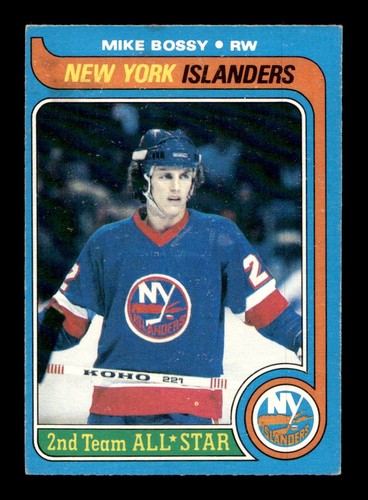 |
Mike Bossy #230 1979 O-Pee-Chee |
$4.96 | $12,600 | 2540.3× |
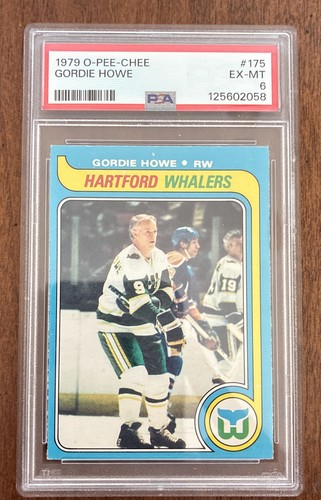 |
Gordie Howe #175 1979 O-Pee-Chee |
$10.51 | $4,514 | 429.5× |
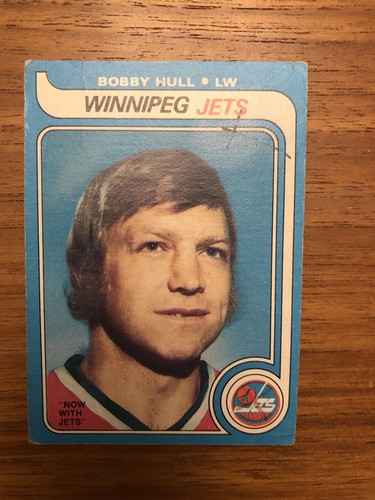 |
Bobby Hull #185 1979 O-Pee-Chee |
$4.87 | $3,050 | 626.3× |
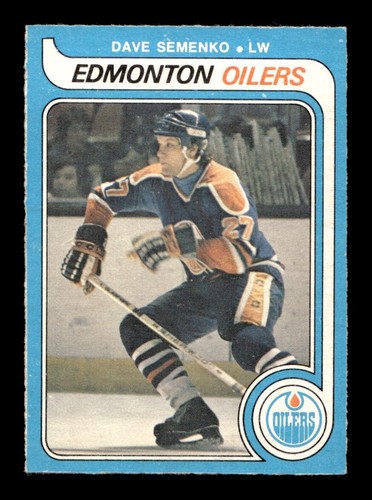 |
Dave Semenko #371 1979 O-Pee-Chee |
$10.09 | $824.91 | 81.8× |
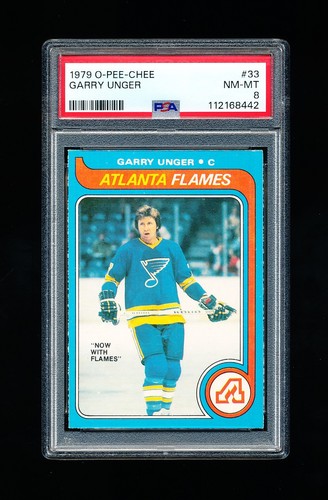 |
Garry Unger #33 1979 O-Pee-Chee |
$0.73 | $525.16 | 719.4× |
 |
Nordiques Team #261 1979 O-Pee-Chee |
$5.75 | $518.34 | 90.2× |
 |
Ken Dryden #150 1979 O-Pee-Chee |
$4.36 | $401.11 | 92× |
 |
Willie Huber #17 1979 O-Pee-Chee |
$1.37 | $370.92 | 270.7× |
 |
Shutout Leaders #8 1979 O-Pee-Chee |
$3.60 | $335.62 | 93.2× |
 |
Larry Robinson #50 1979 O-Pee-Chee |
$3.26 | $317.09 | 97.3× |
 |
Guy Lafleur #200 1979 O-Pee-Chee |
$3.78 | $300.01 | 79.4× |
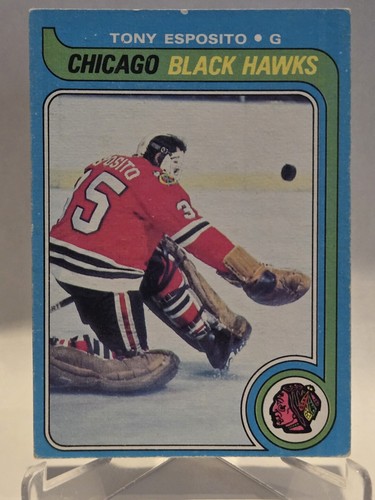 |
Tony Esposito #80 1979 O-Pee-Chee |
$2.73 | $251.69 | 92.2× |
Look up any card's current raw and graded value in Midpoint — and get an estimated grade before you pay to submit.
Quick Comparison
| Card Variant | PSA 9 Value (USD) | PSA 10 Value (USD) | Price Difference | Centering Importance |
|---|---|---|---|---|
| 1979 O-Pee-Chee #18 Gretzky (Standard) | $15,000 | $50,000 | ~3.3x | Critical |
| 1979 O-Pee-Chee #18 Gretzky (High-Centered) | $10,000 | $35,000 | ~3.5x | Very High |
| 1979 O-Pee-Chee #18 Gretzky (Lower-Centered) | $17,000 | $55,000 | ~3.2x | Very High |
| 1979 O-Pee-Chee #18 Gretzky (Print Defects) | $12,000 | $40,000 | ~3.3x | High |
| 1979 Topps #18 Gretzky Rookie | $3,000 | $8,500 | ~2.8x | Moderate |
Price Gap Between PSA 9 and PSA 10 for 1979 O-Pee-Chee Gretzky
The 1979 O-Pee-Chee Gretzky rookie card is known for having one of the larger price jumps from PSA 9 to PSA 10 in trading card history. The premium for a PSA 10 over a PSA 9 is often around 3x to 3.5x, influenced by centering and surface quality. For example:
- A standard PSA 9 Gretzky O-Pee-Chee #18 card typically sells around $15,000, while a PSA 10 version can fetch approximately $50,000.
- High-centered cards that lose centering points may have a lower PSA 9 value (~$10,000) but still maintain a similar premium to PSA 10 (~$35,000).
- Cards with minor print defects tend to command lower PSA 9 prices (~$12,000) but can jump to $40,000+ at PSA 10.
This premium reflects the relative scarcity of PSA 10 examples, as the 1979 O-Pee-Chee card is known to be challenging to grade Gem Mint due to centering and printing inconsistencies.
Population and Scarcity Impact on Grading Value
Population reports indicate significantly fewer PSA 10 1979 O-Pee-Chee Gretzky cards than PSA 9s. This scarcity contributes to the value difference:
- PSA’s population report lists under 200 PSA 10s, compared to thousands of PSA 9s graded.
- Centering is the most common grade breaker, as O-Pee-Chee's printing often exhibits off-center borders.
- Edges and surface quality also influence grading but centering remains the primary factor for PSA 10 eligibility.
Because of this scarcity, the PSA 10 premium reflects both condition and rarity — making PSA 10 cards highly desirable for collectors.
Why PSA 10 Commands Such a Premium Over PSA 9
Several factors contribute to the PSA 10 premium for the 1979 O-Pee-Chee Gretzky rookie:
- Centering Precision: PSA 10 generally requires centering within about 55/45 to 60/40 range. Given O-Pee-Chee's printing flaws, relatively few cards meet this standard.
- Eye Appeal & Print Defects: PSA 10 cards must be virtually flawless with excellent surfaces and minimal print defects, which are common in this set.
- Collector Demand: The Gretzky rookie is iconic, and collectors prize PSA 10s as the definitive version, pushing prices higher.
- Investment Perception: PSA 10 cards are often seen as better long-term investments, attracting premium bids.
This combination of scarcity, condition standards, and collector demand contributes to the notable price gap.
Effect of Centering and Print Quality on Grading and Value
Centering is the biggest determinant of whether a card grades PSA 9 or PSA 10. The 1979 O-Pee-Chee set’s inconsistent borders mean slight off-centering can drop a card from 10 to 9 or lower.
- Midpoint’s centering measurement tool helps quantify this precisely before grading submission.
- Even small differences in centering can cause a significant drop in value.
- Print defects like color misregistration or surface spots also weigh heavily, particularly at the PSA 10 level.
Understanding and measuring these factors prior to grading can help avoid costly surprises and improve return on investment.
Raw vs Graded Value: Is Grading Worth It for a 1979 O-Pee-Chee Gretzky?
Raw 1979 O-Pee-Chee Gretzky cards vary widely in value based on condition but generally sell for less than PSA graded prices:
- Well-centered raw cards with good surfaces can fetch $2,000–$5,000 depending on eye appeal.
- Lower-grade raw cards may be worth a few hundred dollars.
- Grading to PSA 9 or PSA 10 can increase value by multiple times, but grading fees and risks should be considered.
Using Midpoint’s AI grading estimates and centering tools lets collectors evaluate whether their card is likely to earn a PSA 9 or 10 grade, helping decide if grading is financially worthwhile.
1979 O-Pee-Chee vs Topps Gretzky Rookie Card Value Comparison
While the 1979 Topps Gretzky rookie card is also collectible, it generally trades at a lower value range compared to the O-Pee-Chee:
- PSA 9 Topps Gretzky cards are around $3,000, with PSA 10 around $8,500 as of 2026-08-23.
- The price gap is about 2.8x, less steep than the O-Pee-Chee gap.
- Topps cards tend to grade higher more easily due to better centering and print quality.
The O-Pee-Chee Gretzky is often more coveted for its rarity and printing challenges, contributing to higher premiums.
Auction History and Market Volatility for High-End 1979 O-Pee-Chee Cards
Major sales milestones show PSA 10 Gretzky O-Pee-Chee cards fetching high prices in recent years, with price volatility influenced by market conditions and collector interest.
- Recent auctions have seen PSA 10 cards reach $50,000+ in private sales.
- PSA 9 cards remain relatively stable but with less dramatic spikes.
- Economic factors and nostalgia trends can cause short-term fluctuations.
Investors should consider market timing and use tools like Midpoint to track portfolio value and grading trends over time.
Which Should You Choose? PSA 9 or PSA 10 1979 O-Pee-Chee Gretzky?
Choosing between PSA 9 and PSA 10 depends on your budget, collecting goals, and card condition:
- PSA 10 Seekers: If you have a near-perfect card with excellent centering and surface, grading for PSA 10 can yield substantial premiums and collector prestige.
- Smart Buyers of PSA 9: PSA 9 cards offer a more affordable entry with strong value retention and less grading risk. Ideal if centering is slightly off or minor print defects exist.
- Raw Card Holders: Use Midpoint’s digital grading and centering tools to pre-grade and assess if grading is worth the cost.
- Investment Focus: Diversify with a mix of PSA 9 and 10 cards depending on your risk tolerance and market outlook.
For anyone interested in precise pre-grading and value estimation, Midpoint offers AI-based insights to help decide the right path before submitting cards for grading.
FAQ
How much more is a PSA 10 than a PSA 9 for the 1979 O-Pee-Chee Gretzky rookie?
PSA 10 cards often sell for about 3 to 3.5 times the price of PSA 9 cards, e.g., $50,000 vs $15,000 as of 2026-08-23.
What is the current PSA 9 value of a 1979 O-Pee-Chee Wayne Gretzky rookie card?
The PSA 9 value is generally around $15,000 for standard condition cards.
How many PSA 10 1979 O-Pee-Chee Gretzky rookies exist?
There are fewer than 200 PSA 10 graded copies reported, making them relatively scarce and valuable.
Is it worth grading a 1979 O-Pee-Chee Gretzky rookie if I think it could get a PSA 9 or PSA 10?
Yes, but using tools like Midpoint’s AI grading and centering analysis can help pre-assess your card’s likely grade and avoid unnecessary grading fees.
Why is the 1979 O-Pee-Chee Gretzky rookie card worth so much more in PSA 10 than PSA 9?
The PSA 10 premium is due to scarcity, strict centering, and surface quality requirements that are challenging for this card.
What’s the difference in value between the 1979 O-Pee-Chee and Topps Gretzky rookie cards?
The O-Pee-Chee PSA 10 card generally commands a significantly higher price than the Topps PSA 10, reflecting differences in rarity and collector demand.
Free to start
Try the Midpoint app
Grade any card from a photo, see its raw and PSA 10 value, and track what your collection is worth — free.
Get it on iPhoneGet it on Android


