
7 Reasons Pokémon Card Prices Are Rising August 2026
Explore why Pokémon card prices are rising August 2026, top trending cards, grading premiums, and market trends for collectors and investors.


Estimated reading time: 8 min
Key Takeaways
- Vintage Base Set cards are among those showing notable price gains in August 2026, with significant raw vs PSA 10 premiums observed.
- Modern chase cards and Special Illustration Rares appear to be outperforming regular cards in value growth in recent trends.
- Japanese exclusives and special releases have shown upward price trends this month.
- Supply shortages and grading backlogs continue to influence premiums across the market.
- Tracking sold auction comps and grading estimates can help collectors make more informed buy/sell decisions.
In August 2026, the Pokémon card market is experiencing price movements influenced by several key trends and card categories. Whether you’re a seasoned collector or a new investor, understanding which Pokémon cards are increasing in value and why can be helpful. This listicle explores recent market-wide price shifts, the impact of grading, and examples of trending Pokémon cards as of 2026-08-20. Additionally, we’ll discuss how apps like Midpoint can assist in estimating card grades digitally before submitting to PSA, BGS, or CGC, potentially saving time and money.
30-day price movers — live data from Midpoint's card database, as of 2026-08-20. Prices move; Midpoint refreshes these daily.
| Card | Raw | PSA 10 | 30-day | |
|---|---|---|---|---|
 |
Super Energy Removal #79/102 Base (1999) |
$216.54 | $4,011 | +1360% |
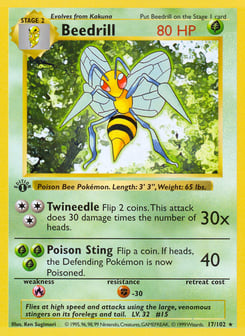 |
Beedrill #17/102 Base (1999) |
$153.97 | $3,436 | +1077.6% |
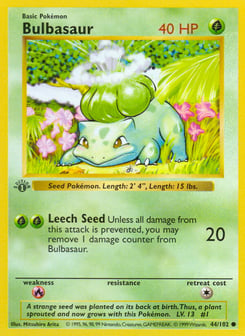 |
Bulbasaur #44/102 Base (1999) |
$315.66 | $6,598 | +939.5% |
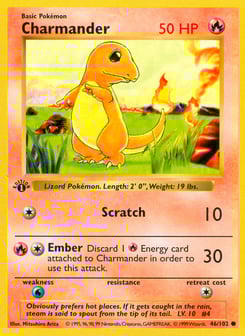 |
Charmander #46/102 Base (1999) |
$149.78 | $3,045 | +443.9% |
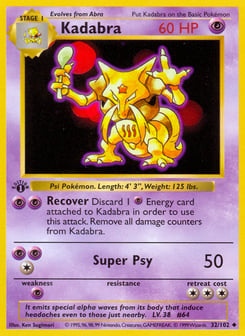 |
Kadabra #32/102 Base (1999) |
$76.84 | $3,793 | +436.2% |
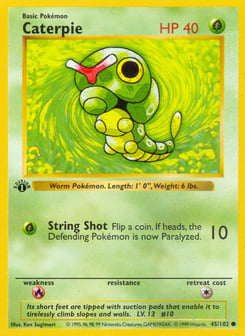 |
Caterpie #45/102 Base (1999) |
$60.37 | $966.37 | +428.6% |
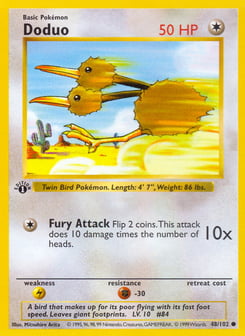 |
Doduo #48/102 Base (1999) |
$21.84 | $698.46 | +320.7% |
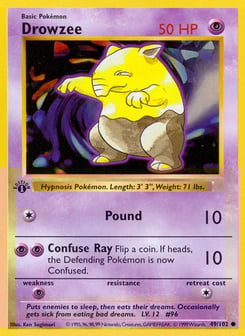 |
Drowzee #49/102 Base (1999) |
$32.14 | $664.08 | +318.1% |
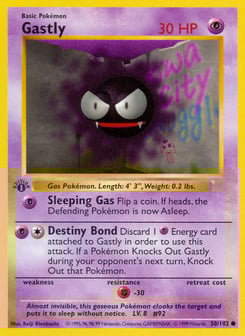 |
Gastly #50/102 Base (1999) |
$47.12 | $756.33 | +261.7% |
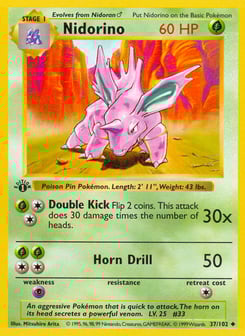 |
Nidorino #37/102 Base (1999) |
$30.51 | $819.10 | +219.1% |
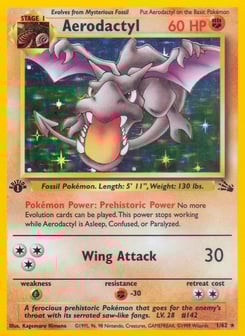 |
Aerodactyl #1/62 Fossil (1999) |
$88.04 | $14,000 | +173.3% |
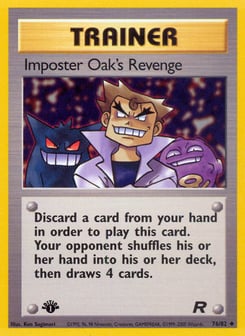 |
Imposter Oak's Revenge #76/82 Team Rocket (2000) |
$14.60 | $698.07 | +139.1% |
Look up any card's current raw and graded value in Midpoint — and get an estimated grade before you pay to submit.
1. Vintage Base Set Cards Lead Notable Gains
The original Base Set remains a key focus for collectors seeking investment opportunities. In August 2026, iconic cards like the 1st Edition Charizard continue to show price appreciation.
For example, the 1st Edition Charizard’s raw value is reported around $2,200, while a PSA 10 graded copy can command a premium near $10,000 as of 2026-08-20. This raw vs PSA 10 price gap reflects strong demand for top-grade vintage cards.
- Base Set Blastoise and Venusaur have also shown monthly increases estimated around 12-15% in PSA 10 value.
- Collectors are focusing on raw copies with excellent centering and edges, as grading premiums remain significant.
With Midpoint’s AI-powered centering and grading estimates, collectors can digitally pre-grade Base Set cards to help decide if grading submission is worthwhile considering cost and wait times.
2. Raw vs PSA 10 Price Gaps and Graded-Card Premiums
The premium for PSA 10 and other top graded cards over raw copies continues to be a notable feature of the August 2026 market. The gap often exceeds 4-5x for vintage Base Set cards but varies across different sets.
For instance, an ungraded 1999 Base Set Shadowless Machamp might sell for around $120, whereas a PSA 10 version may trade for approximately $650. Modern chase cards typically show smaller but growing premiums, reflecting grading demand and scarcity.
- Supply constraints at grading companies PSA, BGS, and CGC contribute to longer backlogs, which can push up graded card prices.
- Midpoint’s digital grading feature helps identify cards with centering and surface quality likely to earn PSA 10 grades before submitting.
3. Modern Chase Cards and Special Illustration Rares Outperform Regular Cards
Beyond vintage, certain modern cards have gained momentum. In August 2026, chase cards—especially Special Illustration Rares (SIRs)—appear to be outperforming standard holo or reverse holo cards.
Examples include the Scarlet & Violet SIR Pikachu and Eevee cards, which have reportedly seen raw values increase by 20% or more month-over-month. PSA 10 versions often command premiums of 2-3x over raw in many cases.
- Collectors value these cards’ aesthetics and limited print runs.
- Grading demand for modern chase cards is rising, which may be contributing to price increases.
4. Japanese Exclusives and Special Releases Rising in Value
Japanese market exclusives and special releases are increasingly sought after internationally. August 2026 shows price rises for cards like the Japanese Shining Fates Charizard and limited promo cards from recent events.
Raw values for key Japanese exclusives have reportedly grown 15-25% recently, with PSA 10 premiums often significantly higher than raw prices due to scarcity outside Japan.
- Collectors looking to diversify portfolios are turning to these rarities.
- Midpoint supports lookup and grading estimates for these cards, aiding cross-market comparisons.
5. Supply Shortages, Grading Demand, and Backlog Effects
Ongoing supply shortages of high-grade cards and persistent PSA/CGC/BGS backlogs continue to influence rising prices. Grading turnaround times remain extended, which can increase the value of pre-graded cards.
Collectors and investors may be cautious about selling raw copies, anticipating further market growth. This can create tighter supply and upward pressure on prices.
- PSA’s backlog is reported to be around 6-8 months, impacting the timing of graded card releases.
- Midpoint’s ability to estimate grades instantly helps decide if the wait and cost for grading are justified.
6. Auction Momentum, Sold Comps, and Price-Tracking Methodology
Tracking auction results and sold comps is important to understanding Pokémon card price trends in August 2026. Prices are confirmed through platforms like eBay, Heritage Auctions, and PWCC.
Midpoint integrates real-time market data to update raw and graded values across 250,000+ cards, enabling collectors to evaluate their portfolios more accurately.
- Consistent weekly gains have been noted for vintage Base Set cards and modern chase rarities alike.
- Price-tracking methodologies consider grading population reports and centering quality to refine estimates.
7. Set-Level Market Snapshots and Biggest Weekly/Monthly Gainers
August’s market snapshots show particular sets outperforming others. The Base Set, Neo Genesis, and Scarlet & Violet series are among the top gainers.
Specific cards with some of the largest 30-day increases include the Base Set 1st Edition Alakazam (+18%), Neo Genesis Lugia Holo (+22%), and Scarlet & Violet SIR Eevee (+25%) as of 2026-08-20.
- These trends may indicate where collectors might focus buying or grading efforts.
- Midpoint users can track these fluctuations dynamically to time sales or acquisitions.
Conclusion
The Pokémon card price increases in August 2026 reflect a dynamic market influenced by vintage card interest, modern chase card excitement, grading demand, and supply constraints. Both raw and graded cards are appreciating, with PSA 10 premiums often amplifying value significantly.
Collectors can benefit from leveraging tools like Midpoint to measure centering precisely, get instant digital grading estimates, and track portfolio value to make more informed buy, hold, or sell decisions amid these market trends.
FAQ
Q: Why are Pokémon card prices rising in August 2026?
A: Prices are rising due to increased demand for vintage Base Set cards, modern chase rarities, Japanese exclusives, and supply shortages combined with grading backlogs at PSA, BGS, and CGC, which can drive premiums higher.
Q: Which Pokémon cards are going up the fastest right now?
A: Cards showing notable recent increases include Base Set 1st Edition Alakazam (+18%), Neo Genesis Lugia Holo (+22%), and Scarlet & Violet Special Illustration Rares like Eevee (+25%) as of 2026-08-20.
Q: Are graded Pokémon cards rising faster than raw cards?
A: Generally, PSA 10 and other top graded cards often have premiums several times higher than raw copies, especially for vintage Base Set cards, due to scarcity and grading demand.
Q: Is the Base Set still the best Pokémon set to invest in?
A: The Base Set remains a key investment with strong monthly gains and high graded premiums, but modern chase cards and Japanese exclusives are also important complementary assets.
Q: Are modern chase cards and Japanese cards also increasing in price?
A: Yes, modern Special Illustration Rares and Japanese exclusives have shown price increases recently, reflecting collector interest worldwide.
Q: Will Pokémon card prices keep going up after August 2026?
A: While markets fluctuate, current supply constraints, grading backlogs, and sustained collector interest suggest prices may remain strong, but monitoring trends with tools like Midpoint is recommended.
Free to start
Try the Midpoint app
Grade any card from a photo, see its raw and PSA 10 value, and track what your collection is worth — free.
Get it on iPhoneGet it on Android


