Baseball Card Prices Dropping October 2026: What Collectors Need to Know
Explore why baseball card prices are dropping in October 2026 and how to buy the dip wisely with Midpoint's expert trading card insights.

Estimated reading time: 8 min
Key Takeaways
- October 2026 sees a broad correction with mid-tier and base rookie cards generally dropping.
- Postseason hype fades, shifting collector focus to established stars and vintage cards.
- PSA 10 graded cards tend to decline less than raw cards, showing relatively greater market resilience.
- Use dips to acquire undervalued cards and consider pre-grading them with Midpoint before costly submissions.
- Understanding market rotation helps identify which cards to buy, hold, or sell this fall.
The baseball card market in October 2026 is experiencing price adjustments that are reshaping collector strategies. If you’ve noticed baseball card prices dropping in October 2026, you’re not alone. This month often marks a post-playoff cooldown where supply can outpace demand, especially for mid-tier rookie and base cards. Meanwhile, high-end and vintage cards may maintain relative stability, signaling a flight to quality as collectors recalibrate their portfolios.
Below, we break down some key factors driving this market shift, highlight which baseball cards are losing value fastest, and explore smart buying and selling tactics. Plus, learn how Midpoint’s AI-powered grading tools can help you measure card centering and condition before investing in grading services or the market dip.
30-day price movers — live data from Midpoint's card database, as of 2026-09-26. Prices move; Midpoint refreshes these daily.
| Card | Raw | PSA 10 | 30-day | |
|---|---|---|---|---|
 |
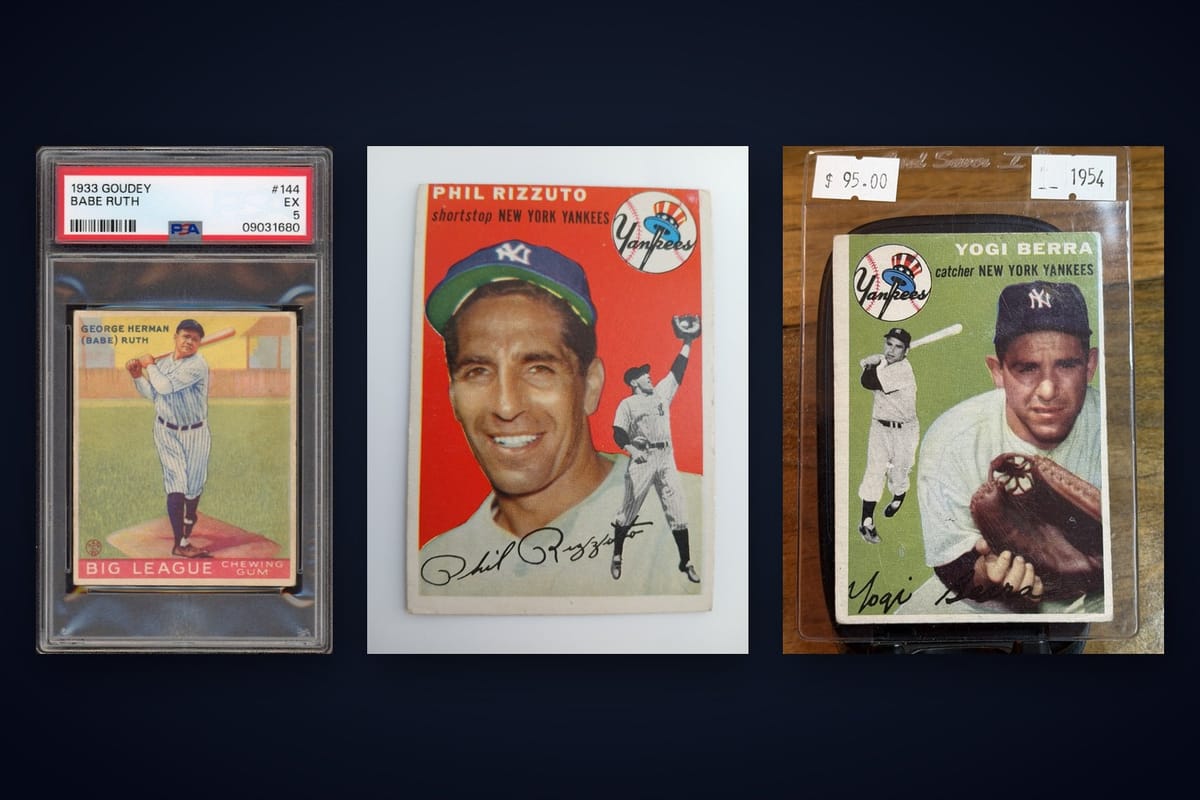
Babe Ruth #144 1933 Goudey |
$8,182 | $3,329,125 | -13.1% |
 |
Phil Rizzuto #17 1954 Topps |
$25.05 | $5,143 | -12.1% |
 |
Yogi Berra #50 1954 Topps |
$55.26 | $14,222 | -11% |
 |
Al Kaline #125 1957 Topps |
$33.73 | $10,164 | -6.1% |
 |
Mike Trout #US175 2011 Topps Update |
$293.00 | $953.00 | -2.2% |
 |
Jose Canseco #39 1986 Donruss |
$15.00 | $960.00 | -1.8% |
 |
Willie Mays #305 1951 Bowman |
$2,363 | $605,984 | -1.7% |
 |
Jackie Robinson #312 1952 Topps |
$8,592 | $2,100,667 | -1.6% |
 |
Mike Schmidt #283 1974 Topps |
$10.00 | $18,857 | -0.4% |
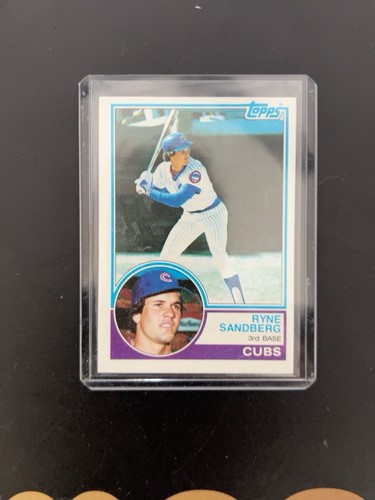 |
Ryne Sandberg #83 1983 Topps |
$15.38 | $2,417 | 0% |
 |
Jim Palmer #570 1971 Topps |
$14.50 | $2,762 | 0% |
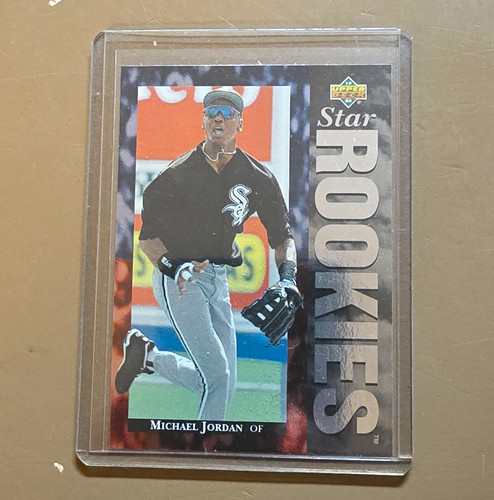 |
Michael Jordan #19 1994 Upper Deck |
$12.50 | $2,959 | 0% |
Look up any card's current raw and graded value in Midpoint — and get an estimated grade before you pay to submit.
1. Postseason Hype Fades, Cooling Baseball Card Prices
October’s MLB playoffs naturally generate excitement that can temporarily inflate rookie card values, especially for breakout stars. However, as the postseason wraps up, collector attention often shifts away, which can trigger falling baseball card prices. The hype-driven premium on cards like the 2026 Topps Rookie Sensations may soften, contributing to a market correction.
For example, raw cards of 2026 rookies such as Julio Rodriguez and Bobby Witt Jr. saw price increases during the playoffs but have reportedly declined by around 15-20% as of late September 2026. This decline likely reflects diminished short-term demand and increased supply from recent pack openings and reprints.
- Temporary postseason gains often reverse within 30 days.
- Collectors may pivot toward established veterans and vintage cards for more stable value.
2. Mid-Tier Rookie and Base Cards Bear the Brunt of Value Loss
The steepest price drops appear in mid-tier rookie cards and base sets flooded by new releases and oversupply. Cards that once hovered near $50-$100 have reportedly declined by 20-30%, with some raw mid-tier rookies losing value faster than their PSA 10 counterparts.
For instance, the 2026 Bowman Chrome base rookies have seen average price declines of approximately 28% raw, while PSA 10 graded versions declined by about 15%. This discrepancy suggests that professional grading can cushion value loss during downturns.
- Raw cards are generally more vulnerable to falling prices amid supply surges.
- Investors should look for cards with strong centering and condition to grade.
3. Vintage and High-End Cards Show Greater Market Resilience
In contrast, vintage cards and iconic high-end modern cards tend to maintain stronger prices during the October correction. Cards like the 1952 Topps Mickey Mantle and high-grade 2026 autographed limited editions have reportedly shown only minor dips or flat performance.
This trend reflects collector preference for scarcity and historical significance amid market uncertainty. Collectors often rotate funds into these assets to preserve portfolio value.
- High-grade vintage cards typically decline less than 5% in corrections.
- Limited-run premium modern cards tend to retain demand despite broader market weakness.
4. PSA 10 Graded Cards Versus Raw Cards: Differing Price Dynamics
PSA 10 graded cards generally continue to outperform raw cards in price stability and liquidity. During October 2026, PSA 10 versions of top rookies and veterans reportedly dropped roughly half as much as raw cards on average.
This premium is driven by buyer confidence in certification and centering precision. For example, a PSA 10 2026 Topps Wander Franco rookie card declined about 12% versus a 25% drop raw, underscoring the value of professional grading in volatile markets.
- PSA 10 cards command a premium and more consistent pricing.
- Raw cards with excellent centering can still be good candidates for grading investment.
5. Market Rotation: Flight to Quality Amid Falling Baseball Card Prices
As prices drop, savvy collectors and investors often rotate from speculative, oversupplied cards toward established stars and high-quality graded cards. This flight to quality can reduce risk and position portfolios to benefit from long-term appreciation.
Cards of legendary players or limited print runs tend to gain renewed attention. Meanwhile, speculative cards with fragile demand may face sharper declines.
- Focus on cards with proven track records over hype-driven prospects.
- Evaluate centering and condition carefully before buying dips.
6. How to Identify Temporary Corrections Versus Long-Term Declines
Not all price drops signal permanent value loss. Temporary corrections often follow events like playoffs or product releases, while long-term declines may reflect market oversaturation or fading interest.
Indicators of a temporary dip include quick rebounds within 30-60 days and stable demand for graded cards. Long-term declines show continued price erosion and growing inventory.
- Track 7-day versus 30-day price changes for early signals.
- Use portfolio tracking apps like Midpoint to monitor value trends over time.
7. Baseball Cards to Buy the Dip: Midpoint’s Recommendations
October’s market dip creates buying opportunities for collectors who focus on quality and grading potential. Look for raw copies of cards with strong centering and corners priced below their recent highs.
Midpoint’s AI grading and centering tools can help identify undervalued cards worth submitting to grading companies, potentially maximizing ROI. Cards like 2026 Topps Gold Label rookies with good centering may be available at lower prices before any recovery.
- Use Midpoint’s free centering calculator to measure card alignment precisely.
- Buy raw cards with grading upside rather than overpriced PSA 10s in sharp decline.
- Consider portfolio diversification with a mix of vintage, graded, and rookie cards.
8. Selling Strategies During Falling Baseball Card Prices
If you hold cards that have dropped sharply and lack grading potential, consider selling to lock in remaining value. Cards heavily affected include lower-grade base rookies and common inserts with excess supply.
However, avoid panic selling PSA 10 graded cards of established stars, which tend to rebound. Timing sales around market cycles can improve returns.
- Sell oversupplied raw cards unlikely to recover soon.
- Hold or grade cards with long-term collector demand.
- Use Midpoint’s portfolio tracking to decide optimal sell points.
Conclusion
The baseball card market in October 2026 is undergoing a natural correction driven by fading playoff hype, oversupply, and shifting collector preferences. While mid-tier rookies and base cards are losing value fastest, vintage and high-end graded cards appear more resilient.
Collectors can leverage this dip by using Midpoint’s AI grading tools to identify undervalued raw cards with strong centering before submitting them for professional grading. This strategy may position collectors to capitalize on the market’s eventual rebound while avoiding losses from oversupplied or poorly graded cards.
Stay informed on market trends and manage your collection’s value smartly with Midpoint, the all-in-one trading card app designed to help you buy the dip and track your portfolio confidently.
FAQ
Q: Why are baseball card prices dropping in October 2026?
A: Prices are dropping due to the end of MLB playoff hype, increased supply from recent releases, and collector rotation toward higher-quality cards. This causes mid-tier rookies and base cards to lose value temporarily.
Q: Are baseball card prices expected to keep falling after the 2026 MLB playoffs?
A: While some cards may stabilize or rebound, many mid-tier and base cards could continue to decline slightly until market supply balances demand. Vintage and graded cards tend to hold value better.
Q: Which baseball cards are losing the most value in October 2026?
A: Mid-tier rookie cards and base set cards, especially raw versions from recent releases like 2026 Bowman Chrome, are losing the most value amid oversupply and fading hype.
Q: Should I sell my baseball cards before prices drop further?
A: It depends on the card’s quality and grading potential. Consider selling oversupplied, low-grade raw cards, but hold or grade well-centered cards with long-term demand. Use tools like Midpoint to assess condition.
Q: Are PSA 10 baseball cards safer to hold than raw cards during a market downturn?
A: PSA 10 graded cards typically experience smaller price drops and better liquidity, making them generally safer to hold during downturns compared to raw cards.
Q: Which baseball cards are still increasing in value despite the October 2026 decline?
A: High-end vintage cards and limited edition modern cards with strong grading and scarcity, such as 1952 Topps Mickey Mantle or autographed premium rookies, are generally holding or increasing in value.
Free to start
Try the Midpoint app
Grade any card from a photo, see its raw and PSA 10 value, and track what your collection is worth — free.
Get it on iPhoneGet it on Android