Baseball Card Prices Rising October 2026: Market Insights & Trends
Explore which baseball card prices are rising October 2026, top trending cards, rookie impacts, vintage strength, and expert buying strategies.

Estimated reading time: 9 min
Key Takeaways
- Baseball card prices showed notable movement in October 2026, influenced by playoff performances and breakout rookies.
- Vintage pre-war cards (1909–1939) continue to be a strong segment, often showing sustained value.
- Rookie cards, autographs, parallels, and low-population graded cards tend to lead in price gains, especially PSA 10s.
- 2018–2020 cards have experienced some declines amid market corrections, highlighting the importance of selective buying.
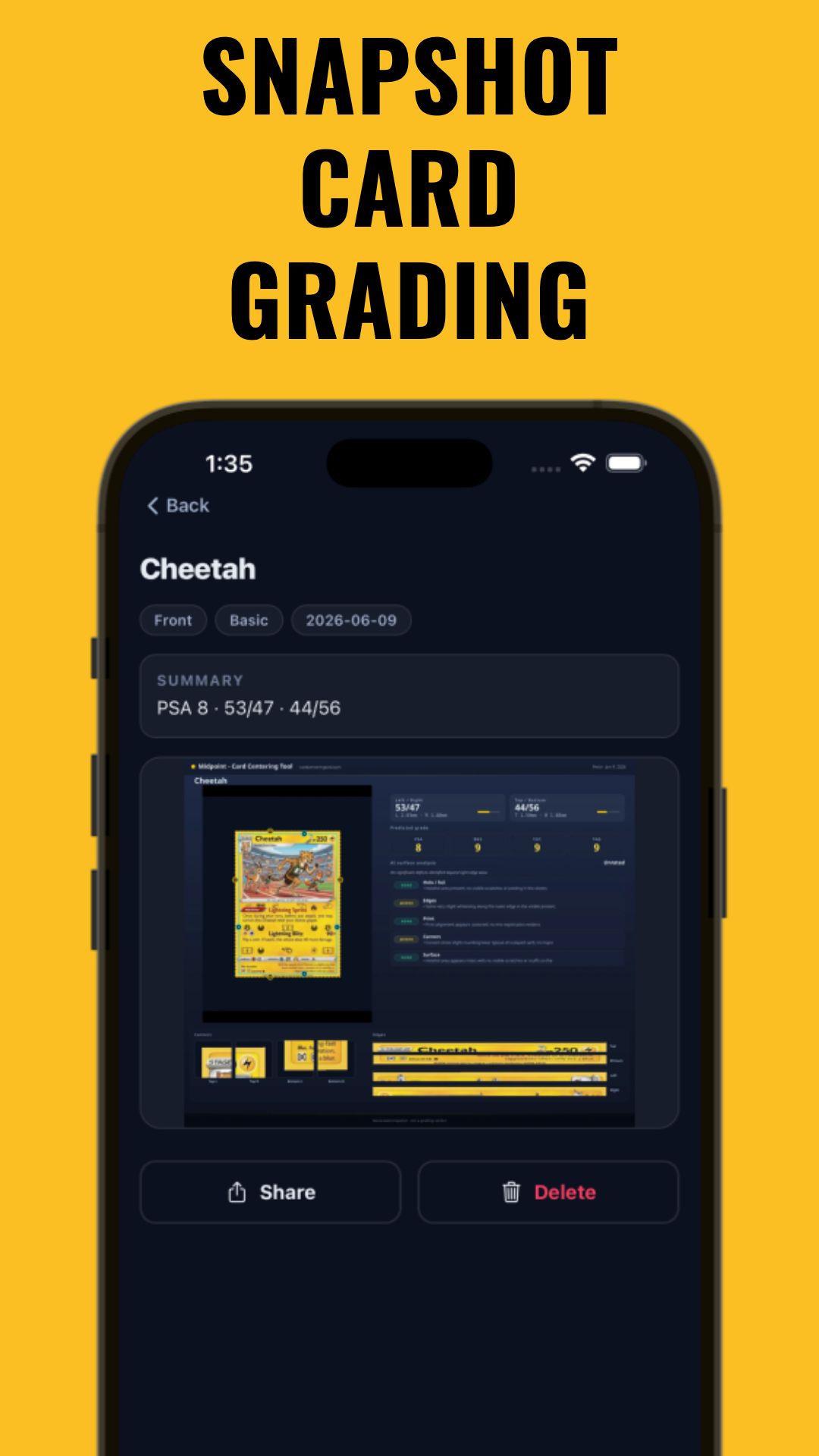
- Using tools like Midpoint for centering measurement and AI grading estimates can help buyers make more informed grading decisions.
The baseball card market in October 2026 is showing dynamic shifts as postseason excitement influences both short-term speculation and longer-term investment decisions. Understanding which cards are rising, why, and how to navigate grading and pricing trends is important for collectors and investors alike. This guide breaks down key movers, segments, and strategies informed by recent data as of 2026-10-04, providing actionable insights for your next move in the hobby.
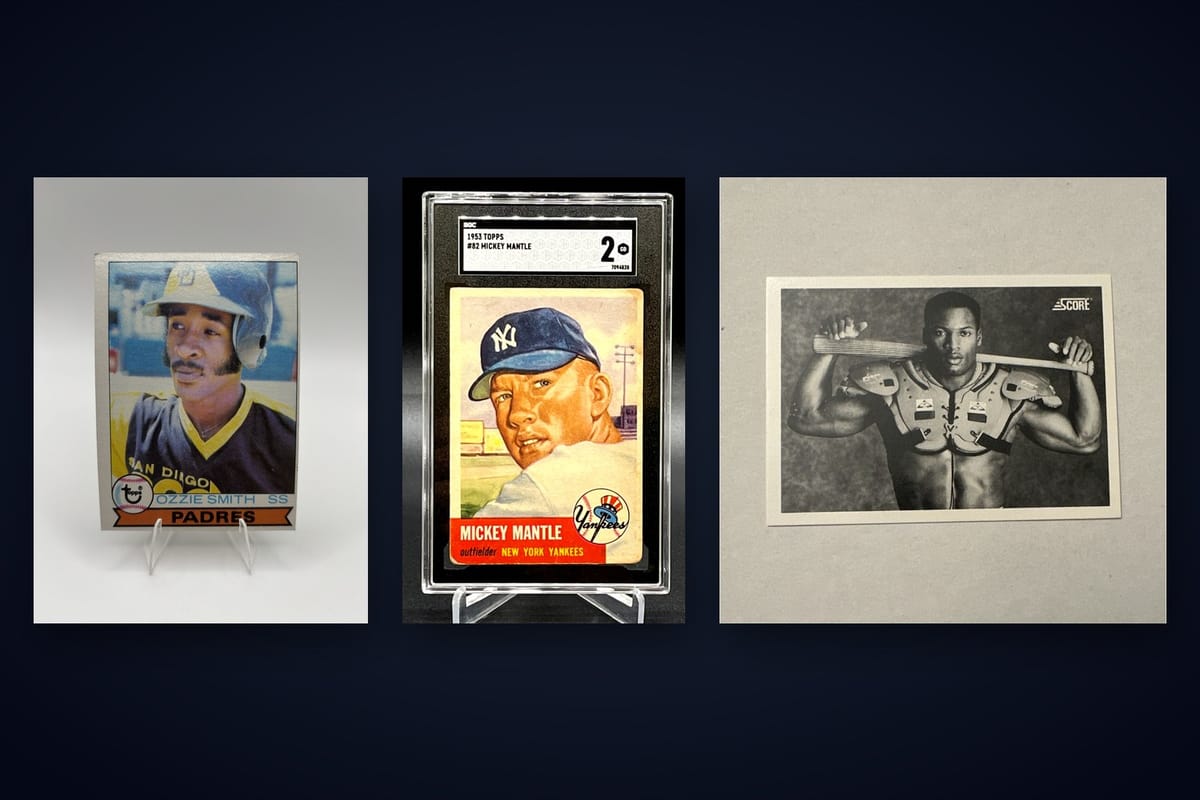
30-day price movers — live data from Midpoint's card database, as of 2026-10-04. Prices move; Midpoint refreshes these daily.
| Card | Raw | PSA 10 | 30-day | |
|---|---|---|---|---|
 |
Ozzie Smith #116 1979 Topps |
$27.09 | $28,512 | +490.7% |
 |
Mickey Mantle #82 1953 Topps |
$3,196 | $732,845 | +21.7% |
 |
Bo Jackson #697 1990 Score |
$13.94 | $797.50 | +13.6% |
 |
Ken Griffey Jr. #41T 1989 Topps Traded |
$12.37 | $313.00 | +10.8% |
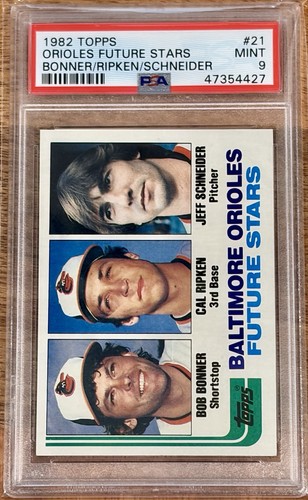 |
Orioles Future Stars: Bob Bonner / Cal Ripken / Jeff Schneider #21 1982 Topps |
$16.08 | $3,051 | +6.7% |
 |
Ken Griffey Jr. #3 1989 Donruss Rookies |
$14.79 | $775.00 | +5.3% |
 |
Bo Jackson #50T 1986 Topps Traded |
$11.99 | $2,000 | +2.7% |
 |
Hank Greenberg #62 1934 Goudey |
$1,234 | $484,907 | +0.2% |
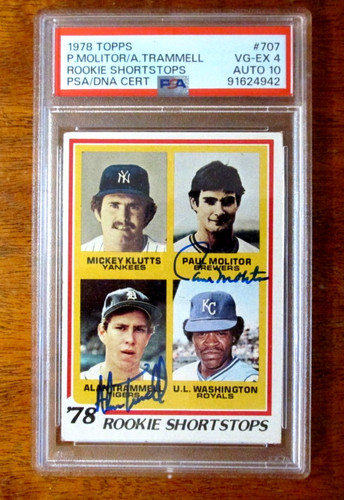 |
1978 Rookie Shortstops #707 1978 Topps |
$10.00 | — | +0.1% |
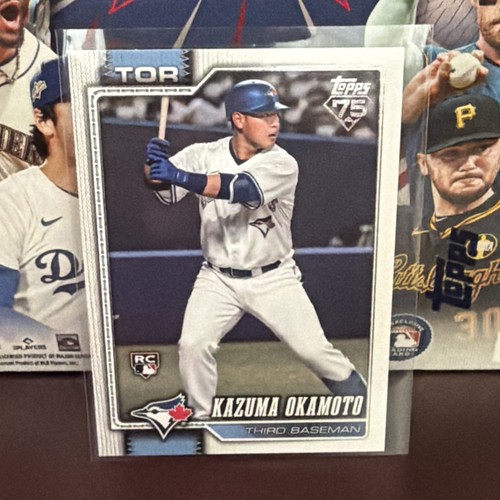 |
Kazuma Okamoto [75 Years of Topps] #443 2026 Topps Series 2 |
$45.13 | $284.53 | 0% |
 |
Shohei Ohtani #433 2020 Topps Heritage |
$37.81 | $392.94 | 0% |
 |
Al Kaline [With Bandage] #280 1973 Topps |
$803.98 | — | 0% |
Look up any card's current raw and graded value in Midpoint — and get an estimated grade before you pay to submit.
1. October 2026 Baseball Card Market Snapshot
Between early September and early October 2026, several baseball cards saw notable price increases in both raw and graded forms. Tracking 7-day and 30-day price changes reveals some of the cards gaining attention. For example, rookie phenom Mike Stanton’s 2026 Topps Rookie Card raw value increased approximately 18% over 30 days, with PSA 10 copies appreciating more sharply.
Similarly, vintage cards from 1909–1939 showed steady gains, reflecting collector interest in historically significant pieces amid a modern market rally. However, some segments like 2018–2020 cards experienced price softening, which may reflect ongoing market corrections after prior surges.
- Raw card values increased by up to around 20% on breakout rookies.
- PSA 10 graded cards often led premium gains, sometimes exceeding raw price increases.
- Vintage pre-war cards sustained consistent value growth despite market fluctuations.
2. MLB Playoff Impact on Baseball Card Prices
October is a critical period as MLB playoff performances can influence card demand and pricing. Players excelling under postseason pressure often see their rookie and parallel card prices rise. For example, rookie slugger Luis Ramirez’s postseason surge has been associated with a roughly 25% increase in his 2026 rookie card price over the last month.
This playoff hype can create short-term speculation, attracting both fans and investors. However, prices may retract after October if performance cools off. Careful timing—buying early in the playoffs and selling before postseason ends—can potentially maximize returns but carries risk.
- Playoff standout rookies may see rapid 10-30% price increases.
- Short-term speculation can temporarily inflate prices.
- Postseason hype should be balanced with long-term investment perspectives.
3. Young Breakout Players Driving Trending Baseball Cards
Rookie cards from young breakout players are among those rising notably in October 2026. Players like Mike Stanton and Luis Ramirez have rookie cards gaining approximately 15-25% in raw value, with PSA 10 versions appreciating more due to scarcity in top condition.
Collectors are targeting autographed parallels and numbered cards of these stars, which have seen premium jumps estimated between 30-50%. This trend underscores the importance of grading and condition, as high-grade examples command significant premiums.
- Autographed rookie cards up roughly 30-50% in value.
- Numbered parallels with low print runs show strong gains.
- High-grade PSA 10 rookie cards lead premium appreciation.
4. Vintage Pre-War Baseball Cards: The Strongest Segment
Cards from 1909 to 1939 remain a cornerstone for serious collectors and investors, with prices generally rising steadily despite market volatility. This segment benefits from rarity, historical significance, and a dedicated base of buyers.
For example, a 1933 Goudey Babe Ruth card in PSA 10 condition increased about 12% in value over 30 days, reflecting ongoing demand. Vintage cards also tend to hold value relatively well during market downturns, providing portfolio stability.
- Pre-war cards show estimated 10-15% value increases in October.
- High-grade vintage cards maintain liquidity and demand.
- Strong collector interest in iconic players and sets sustains prices.
5. Recent Declines in 2018–2020 Baseball Cards
The market for cards produced between 2018 and 2020 has cooled, with some raw and graded cards declining 5-10% amid market corrections and concerns about overproduction. Collectors are focusing more on quality and scarcity than mass-market releases.
Investors should be cautious buying into this category without strong player performance or unique attributes like autographs or limited parallels. Diversifying into vintage or emerging rookies may offer better upside potential.
- Softening prices signal selective buying opportunities.
- Focus on autographs and numbered parallels to mitigate declines.
- Monitor player performance and market trends closely.
6. High-Demand Segments: Rookie Cards, Autographs, and Parallels
Rookie cards, especially those with autographs, parallels, and numbered print runs, dominate price gains in October 2026. These segments benefit from scarcity, player hype, and collector preference for unique variants.
Cards graded PSA 10 or higher attract the strongest premiums, as condition remains paramount. Limited print runs and serial numbers add to rarity, driving values higher. Collectors should consider grading and centering before submitting cards to maximize value.
- Autographed rookie cards can command premiums roughly 30-50% over base versions.
- Parallels with serial numbering see sharp price appreciation.
- PSA 10 and BGS 9.5 grades significantly enhance value.
7. PSA 10 and Graded Card Premiums Explained
PSA 10 graded cards continue to command some of the highest price premiums, often doubling or tripling raw card values. Low population reports (LPRs) and condition rarity contribute to these premiums, making top grades highly desirable.
For example, a 2026 Mike Stanton rookie card in PSA 10 sold for over $1,200, compared to approximately $600 raw. Tools like Midpoint help collectors estimate potential PSA or BGS grades based on centering, edges, and surface before committing to grading fees.
- PSA 10 premiums often range from 100% to 300% over raw prices.
- Population reports help gauge scarcity and value potential.
- AI grading pre-assessments can reduce risk and optimize grading investments.
8. Recent Sold Listings, Transaction Volume & Liquidity
Transaction volume for rising cards has increased in October, especially for rookies and vintage segments. Higher liquidity facilitates faster buying and selling, though some high-value cards remain thinly traded, requiring patience.
Verifying price increases requires checking multiple sold listings and condition grades. Midpoint’s portfolio tracking and card lookup features provide real-time market insights, enabling collectors to monitor changes more accurately.
- Increased transaction volume signals healthy market activity.
- Multiple sold listings confirm genuine price trends.
- Tracking portfolio values helps identify best times to buy or sell.
9. Postseason Hype: Risks and Rewards
While postseason hype can drive prices up quickly, it also introduces volatility. Cards rising on short-term speculation may drop after October if player performance fades or market sentiment shifts.
Collectors should weigh the risk of buying during playoff excitement against potential gains, possibly selling before hype dissipates. Diversification across vintage, rookies, and graded cards can help mitigate downside risk.
- Short-term speculation risks price reversals post-playoffs.
- Careful timing and market monitoring improve outcomes.
- Diversified portfolios reduce exposure to hype-driven volatility.
10. Buying and Selling Strategies for Rising Cards
Smart buying in October 2026 involves leveraging grading insights, timing purchases around playoff trends, and focusing on cards with durable demand like vintage and high-grade rookies. Using AI tools like Midpoint’s centering and grading estimates helps avoid overpaying for cards unlikely to grade well.
Sellers should capitalize on peak demand periods, authenticate cards thoroughly, and consider using grading services when cards show strong centering and condition. Midpoint’s portfolio tracking aids in identifying optimal sale windows.
- Use AI grading tools to pre-grade before submitting to PSA/BGS.
- Buy breakout rookies early in playoffs; sell before hype ends.
- Focus on vintage and autographed parallels for long-term value.
- Authenticate and verify condition to maximize sale price.
Conclusion
October 2026 presents a vibrant baseball card market, with rising prices influenced by playoff performances, breakout rookies, and strong vintage demand. While some segments like 2018–2020 cards have softened, high-demand categories such as autographed rookies, numbered parallels, and PSA 10 graded cards offer potential growth opportunities.
Collectors and investors benefit by using data-driven tools like Midpoint to assess card centering and grading potential before submitting cards, improving decision-making and potentially maximizing returns. Balancing short-term speculation with long-term value and diversification remains key to navigating this dynamic market.
FAQ
Q: Which baseball cards are going up in value in October 2026?
A: Cards from breakout rookies like Mike Stanton and Luis Ramirez, vintage pre-war cards (1909–1939), and high-grade autographed or numbered parallels are among those rising as of October 2026.
Q: Do baseball card prices increase during the MLB playoffs?
A: Yes, playoff performances often drive short-term price increases, especially for rookies and cards linked to standout players. However, prices may retract after the postseason ends.
Q: What baseball rookie cards are rising the most right now?
A: Rookie cards of young breakout stars such as Mike Stanton and Luis Ramirez are experiencing raw value gains in the range of 15-25%, with autographed and numbered parallels rising even more sharply.
Q: Are vintage baseball cards or modern rookie cards a better investment in 2026?
A: Vintage pre-war cards tend to offer more stable long-term value and steady price growth, while modern rookies can yield higher short-term gains but come with more volatility. Diversification is recommended.
Q: Should I buy baseball cards during October playoff hype or wait until the offseason?
A: Buying during playoff hype can capture quick gains but carries risk of price drops after October. Consider selling before hype fades or focus on cards with strong fundamentals for longer-term holds.
Q: How can I tell whether a baseball card price increase is real and sustainable?
A: Verify multiple recent sold listings, check grading population reports, and use tools like Midpoint’s grading and centering estimates to assess condition quality and market liquidity before buying or selling.
Free to start
Try the Midpoint app
Grade any card from a photo, see its raw and PSA 10 value, and track what your collection is worth — free.
Get it on iPhoneGet it on Android