
Basketball Card Prices Dropping October 2026: What Collectors Should Know
Explore why basketball card prices are dropping in October 2026 and how to spot buying opportunities with expert tips and market insights.

Estimated reading time: 9 min
Key Takeaways
- October 2026 sees broad price drops in mid-tier basketball cards but high-end cards often remain more resilient.
- Rookie cards from 2026-27 show mixed demand influenced by hype and grading quality.
- Grading distinctions, especially PSA 9 vs PSA 10, can significantly impact secondary market prices.
- Sealed hobby boxes tend to soften more than premium singles due to increased supply and new releases.
- Collectors can use this dip to buy quality cards and optimize grading investments with tools like Midpoint.
Basketball card prices dropping in October 2026 has many collectors wondering what’s driving the market shift and where the best opportunities lie. After a strong summer of hype around rookies and high-end inserts, the market is cooling off due to increased supply, fading hype for some prospects, and new product releases entering stores. This market update will break down the major factors affecting basketball cards losing value, highlight which cards still hold relative strength, and share actionable tips on buying the dip and grading your collection wisely.
30-day price movers — live data from Midpoint's card database, as of 2026-09-17. Prices move; Midpoint refreshes these daily.
| Card | Raw | PSA 10 | 30-day | |
|---|---|---|---|---|
 |
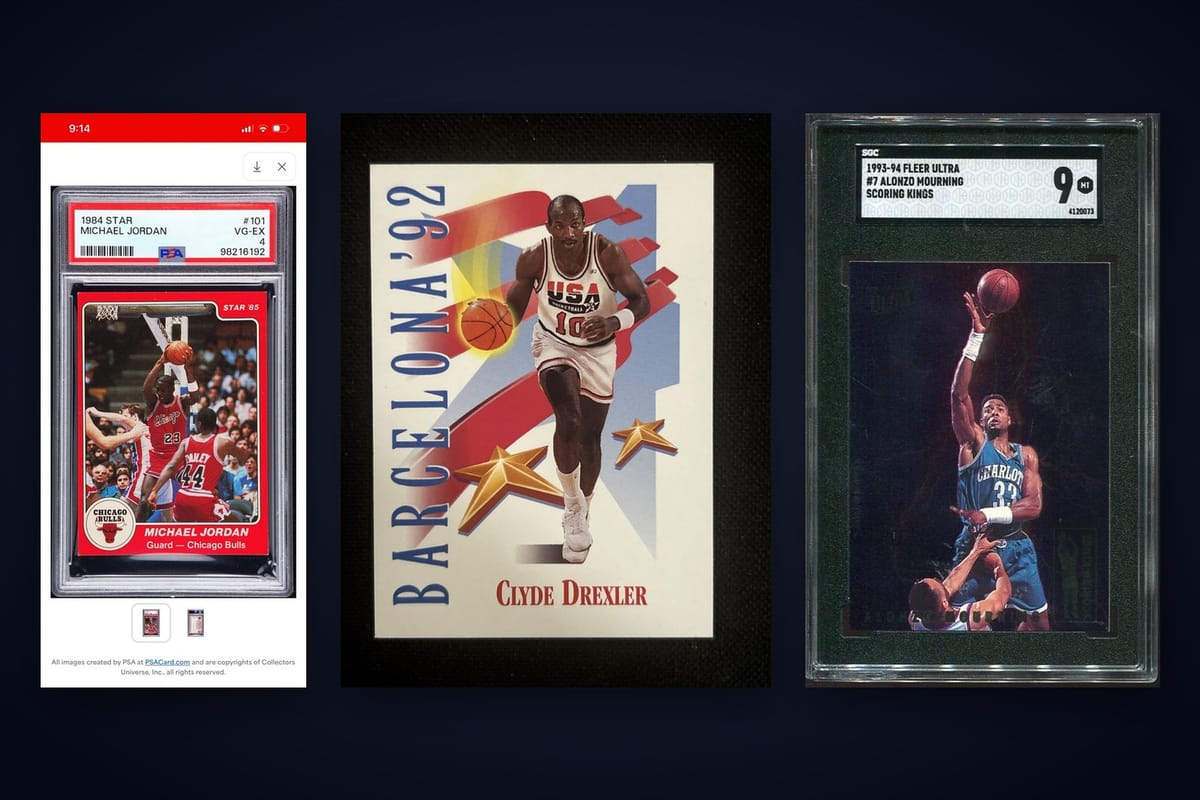
Michael Jordan #101 1984 Star |
$3,375 | — | -82.4% |
 |
Clyde Drexler 1991 Skybox |
$375.00 | $916.00 | -48.4% |
 |
Alonzo Mourning #7 1993 Ultra Scoring Kings |
$47.50 | $1,104 | -42.5% |
 |
Michael Jordan #4 1996 Ultra Starring Role |
$1,000 | $14,029 | -39.2% |
 |
Michael Jordan #7 1988 Fleer Sticker |
$50.50 | $42,775 | -19.1% |
 |
Kareem Abdul-Jabbar #1 1986 Fleer Sticker |
$32.79 | $16,239 | -18.4% |
![Kon Knueppel [Refractor] #197 2025 Topps Cosmic Chrome card](https://i.ebayimg.com/images/g/ps4AAeSw6RlqjLSU/s-l500.jpg) |
Kon Knueppel [Refractor] #197 2025 Topps Cosmic Chrome |
$19.00 | $120.63 | -16.7% |
 |
Bob Harrison #63 1957 Topps |
$20.00 | $3,491 | -15.8% |
 |
John Havlicek #20 1969 Topps |
$31.03 | — | -14.9% |
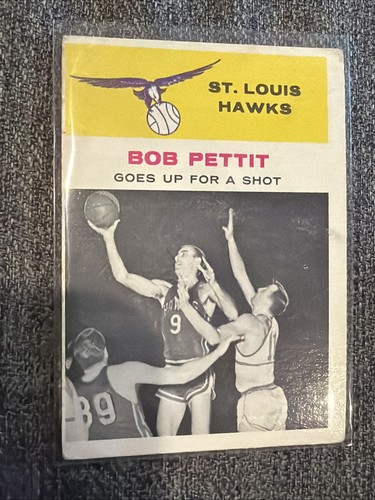 |
Bob Pettit #59 1961 Fleer |
$40.00 | $7,365 | -14.9% |
 |
Woody Sauldsberry #34 1957 Topps |
$21.91 | $4,640 | -11.9% |
 |
ABA Rebounds Leaders: Artis Gilmore / Julius Erving / Mel Daniels #263 1972 Topps |
$12.64 | $1,279 | -11.8% |
Look up any card's current raw and graded value in Midpoint — and get an estimated grade before you pay to submit.
1. Market-Wide Price Drops vs. Selective Strength
Throughout October 2026, the basketball card market is experiencing a broad pullback, especially among mid-tier raw and PSA 10 cards. For example, the 2023-24 Luka Doncic Prizm base PSA 10 reportedly saw a decline over the past 30 days as of 2026-09-17. Similarly, mid-range inserts from 2025-26 releases are softer due to increased supply and less collector enthusiasm.
However, this downturn appears selective. High-end cards and vintage staples often continue to show resilience. The 1996-97 Michael Jordan Upper Deck McDonald's insert PSA 10 reportedly dipped only slightly despite the overall market softness. This split suggests collectors may be rotating funds into blue-chip, iconic stars and away from speculative or overproduced cards.
- Mid-tier cards face pressure from reprints and new releases flooding the market.
- High-end and vintage cards often benefit from scarcity and collector preference.
- Selective strength means savvy buyers can find value in premium cards at a slight discount.
2. Why High-End Cards Hold Up While Mid-Tier Cards Soften
High-end cards such as signed patches, limited serial-numbered inserts, and graded vintage cards tend to maintain demand because their scarcity and prestige can mitigate the impact of market dips. For instance, the 2025-26 LeBron James National Treasures autograph PSA 10 reportedly declined marginally by a small percentage as of late September.
In contrast, mid-tier and base cards, which often have higher print runs and less collector urgency, tend to see sharper declines. These cards are easier to acquire and less likely to appreciate rapidly, which may explain the 10-15% drops seen in several recent rookie base cards.
- Collectors often prioritize rarity and iconic players during market slowdowns.
- Mid-tier cards generally have lower long-term investment appeal in downturns.
- High-end cards’ limited supply can create natural price support.
3. Impact of Shaquille O’Neal, Michael Jordan, LeBron, Curry, Giannis, and Wembanyama
Basketball legends and stars continue to anchor the market. Michael Jordan’s cards remain highly sought after with only minor price adjustments. Shaquille O’Neal’s vintage inserts and LeBron James’ premium releases generally remain stable.
Meanwhile, Giannis Antetokounmpo and Stephen Curry cards have shown moderate softness, as some collectors wait for new 2026-27 releases. Rising star Victor Wembanyama’s rookie cards show notable volatility, with some raw cards reportedly falling more sharply but holding better in PSA 10 due to strong rookie hype.
- Top-tier legends provide market stability amid broader price drops.
- Rising stars like Wembanyama experience more price swings tied to hype cycles.
- Collectors often use these players as a safe harbor during uncertain market conditions.
4. Rookie Card Demand and 2026-27 Release Hype Effects
Rookie card prices for the 2026-27 class have been volatile. Early hype for prospects like Wembanyama and other lottery picks led to price spikes in August and September, but the October 2026 market shows a pullback. Raw cards of popular rookies reportedly fell between 10-18% while PSA 10 versions held up better, dropping less.
The anticipation of new 2026-27 releases also temporarily saturates the market, causing some collectors to wait before buying more rookies. This cooling effect is common when preorders and initial shipments flood the secondary market.
- Rookie card hype drives initial spikes but can lead to short-term volatility.
- Graded rookies tend to maintain better value than raw counterparts during dips.
- Collectors should watch release calendars to time purchases strategically.
5. Role of Grading (PSA 9 vs PSA 10) in October Price Changes
Grading quality is a major factor influencing price resilience. Cards graded PSA 10 generally drop less than PSA 9 or raw cards. For example, the 2025-26 Ja Morant Prizm rookie raw card reportedly declined more sharply than the PSA 10 version. The difference highlights how top grades can protect value during market downturns.
Midpoint’s AI digital grading and precise centering measurement can help collectors identify cards likely to receive PSA 10 grades before submitting. This strategy may protect investments and maximize resale value during periods of falling basketball card prices.
- PSA 10 cards command premium prices and show less volatility.
- PSA 9 and raw cards are more sensitive to market shifts.
- Using tools like Midpoint helps pre-grade and assess centering to improve grading outcomes.

6. Sealed Boxes and Hobby Boxes Pricing Versus Singles
Sealed hobby boxes and retail boxes are generally softer compared to premium singles. For example, a 2025-26 Panini Prizm hobby box reportedly dropped approximately 20% in secondary market pricing. The increase in new sealed product availability and preorder fulfillment contributes to this softness.
Singles, especially high-grade or rare cards, tend to be more stable or decline less steeply. Collectors often prefer singles to avoid the risk associated with sealed products during uncertain market phases.
- Sealed boxes face pressure from high supply and preorder releases.
- Singles, particularly graded and high-end, maintain better value.
- Buying singles during a dip can reduce risk compared to sealed products.
7. Effect of New Releases and Preorders on Existing Card Values
October 2026 sees several new product launches and preorder availability, which temporarily dilute demand for existing cards. Collectors may hold off purchasing older product cards, causing falling basketball card prices during this period.
While this cycle is typical, it creates opportunities to buy quality cards at a discount before demand rebounds post-release. Monitoring release calendars and preorder dates is key to timing purchases effectively.
- New releases temporarily suppress secondary market prices on older cards.
- Preorders increase supply and cause short-term price dips.
- Buying during preorder periods can capitalize on temporary market softness.
8. Specific Sets and Inserts Trending Up or Down in 2026
In 2026, vintage inserts like the 1996-97 Michael Jordan Upper Deck McDonald's insert tend to hold steady. Modern blue-chip sets such as 2025-26 Prizm and National Treasures show mixed trends—high-end inserts may rise modestly while base cards soften.
Speculative prospect-focused inserts experience the most volatility, reflecting changing collector sentiment. For example, limited-run Giannis inserts reportedly fell about 10% raw but held better in PSA 10.
- Vintage inserts maintain stable or rising prices due to rarity.
- Modern blue-chip inserts show selective strength.
- Speculative prospect inserts are more volatile and riskier.
9. Comparing Vintage, Modern Blue-Chip, and Speculative Prospect Cards
Vintage cards generally provide a stable foundation for collectors, with minimal price drops even during market corrections. Modern blue-chip stars like LeBron and Curry offer a balance of stability and growth potential.
Speculative prospect cards, such as those of 2026 rookies, are riskier but offer upside if the player succeeds. The current October 2026 dip is a natural correction that may present buying opportunities in each category depending on risk tolerance.
- Vintage cards = stability, lower risk.
- Modern blue-chip = moderate risk and steady demand.
- Speculative prospects = high risk, potential high reward.
10. October 2026 Market Outlook and Buying Opportunities
The October 2026 basketball card market outlook points to continued price softness in mid-tier cards but sustained strength in high-end and vintage segments. Falling basketball card prices create buying opportunities for collectors to acquire quality cards at discounts, especially by focusing on strong centering and grading potential.
Using Midpoint to assess centering and estimate grading can help collectors make smarter grading submissions and maximize value. Patience and timing are crucial, as prices often rebound after the initial post-release dip.
- Focus purchases on high-end, vintage, and well-graded cards during dips.
- Use AI tools to pre-grade and track portfolio value for informed decisions.
- Monitor new releases to anticipate market shifts and capitalize on dips.
Conclusion
Basketball card prices dropping in October 2026 appears to be part of a natural market cycle influenced by increased supply, new releases, and shifting collector interest. While mid-tier and raw rookie cards soften, high-end cards, vintage inserts, and PSA 10 graded cards tend to maintain better value. Collectors can leverage this dip by targeting premium cards, leveraging grading tools like Midpoint to pre-assess card quality, and timing purchases around release schedules. This strategic approach may help build a resilient collection positioned for long-term growth despite short-term market fluctuations.
FAQ
Q: Why are basketball card prices dropping in October 2026?
A: Prices are dropping due to increased supply from new releases and preorders, fading hype for some prospects, and collectors rotating away from mid-tier cards.
Q: Which basketball cards are still rising while the market cools?
A: High-end cards, vintage inserts, and PSA 10 graded cards of iconic players like Michael Jordan and LeBron James generally hold or rise modestly.
Q: Are rookie cards falling more than veteran and vintage cards?
A: Yes, raw rookie cards tend to be more volatile and have dropped more sharply, while veteran and vintage cards remain relatively stable.
Q: Is it a good time to buy basketball cards now or wait?
A: October 2026’s dip offers buying opportunities, especially for high-quality, well-graded cards. Timing purchases around new releases and using grading tools can help maximize value.
Q: How much does PSA 10 grading protect value when prices drop?
A: PSA 10 cards typically decline less than PSA 9 or raw cards, helping protect value during market corrections.
Q: Which 2026 basketball releases are affecting card prices the most?
A: New 2026-27 releases like Panini Prizm and National Treasures, along with rookie cards from top prospects, have significant impact on current price fluctuations.
Free to start
Try the Midpoint app
Grade any card from a photo, see its raw and PSA 10 value, and track what your collection is worth — free.
Get it on iPhoneGet it on Android


