Cheap Soccer Cards Worth Grading: Top Budget Picks & PSA 10 Upside
Discover the best cheap soccer cards worth grading. See under-$40 cards with huge PSA 10 premiums, condition tips, and how to maximize grading profits.

Estimated reading time: 13 min
Key Takeaways
- Some cheap soccer cards under $40 raw may be worth grading—with PSA 10s sometimes selling for significantly more than the raw price as of 2026-07-11, though actual premiums vary by card and condition.
- Rookies, refractors, vintage stickers, and star parallels often offer the best grading upside for budget collectors.
- Centering, corners, edges, and surface quality matter most—pre-grading is critical for maximizing PSA 10 chances.
- Cards from Topps Chrome, Panini Prizm, Panini World Cup, and classic Panini stickers are commonly sought after among affordable grading picks.
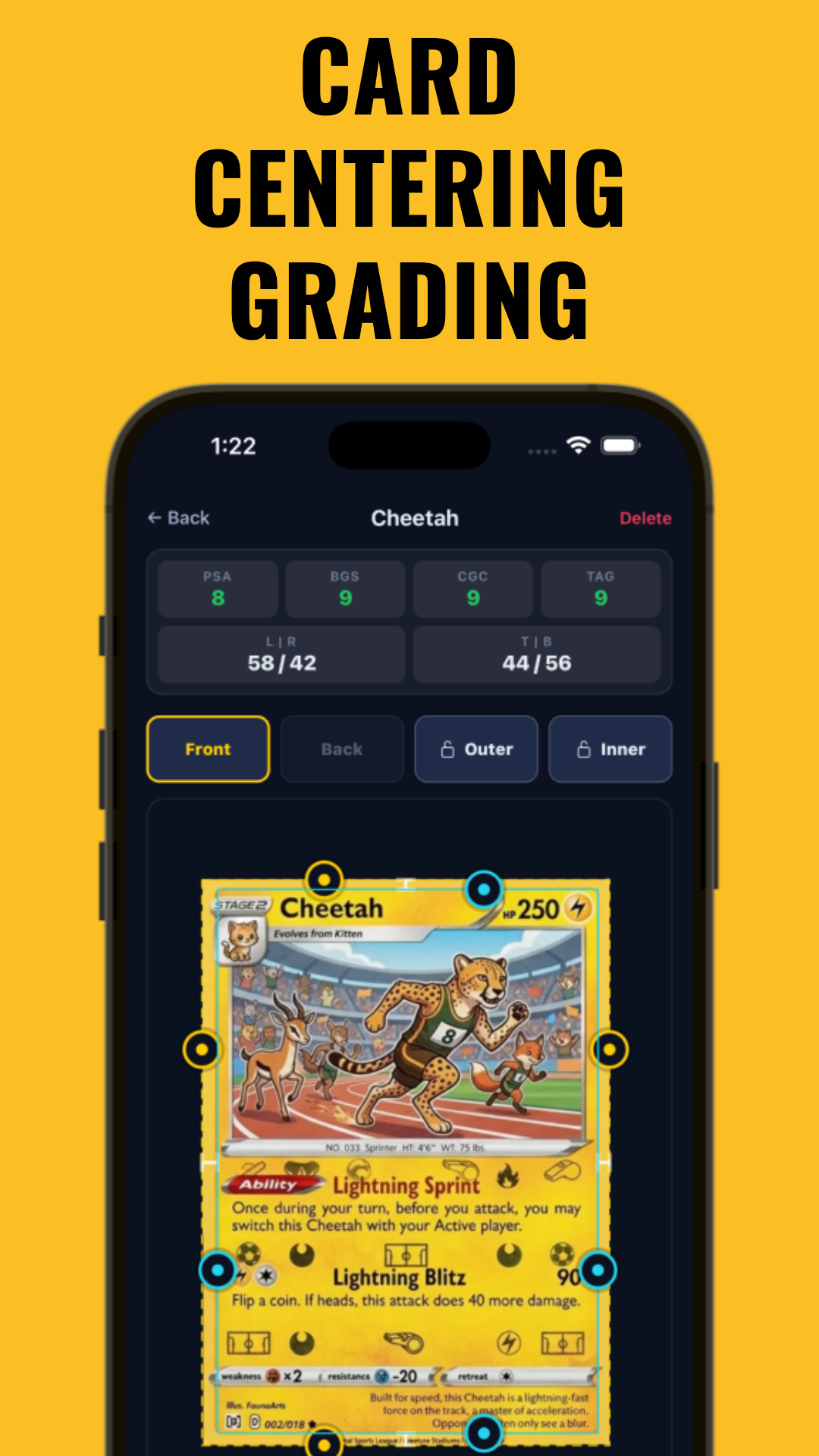
- Apps like Midpoint can help you check centering and estimate grades before spending on submissions.
Finding cheap soccer cards worth grading is a major goal for budget-focused collectors. With raw cards under $40 that can sometimes fetch much higher prices when graded PSA 10, the upside can be significant if you know what to look for. In this guide, we break down which affordable soccer cards may be worth grading in 2026, how to spot high-upside candidates, and what matters most for getting that coveted gem mint. We’ll use available market data (as of 2026-07-11) to show how raw vs PSA 10 values can stack up—and share practical steps to maximize your grading ROI.
Raw vs PSA 10 value (biggest grading premium) — live data from Midpoint's card database, as of 2026-07-11. Prices move; Midpoint refreshes these daily.
| Card | Raw | PSA 10 | Gem premium | |
|---|---|---|---|---|
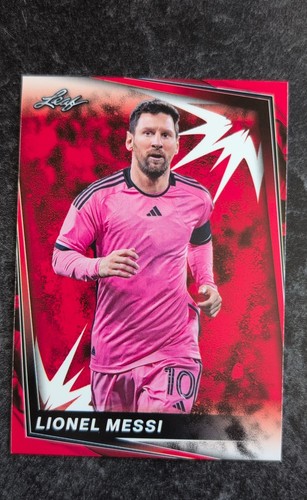 |
Lionel Messi #5 2024 Leaf |
$3.33 | $564.01 | 169.4× |
 |
Pele 1970 Panini World Cup Mexico |
$25.00 | $3,244 | 129.7× |
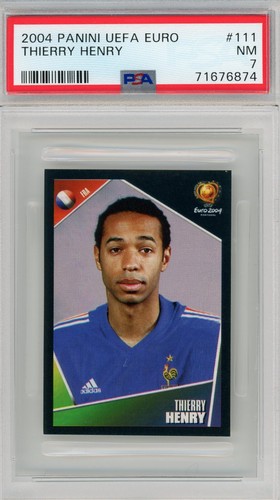 |
Thierry Henry #111 2004 Panini UEFA Euro |
$3.36 | $350.00 | 104.2× |
 |
Lionel Messi #1 2026 Panini Prizm Monopoly FIFA World Cup |
$3.25 | $299.00 | 92× |
 |
Thierry Henry [Refractor] #6 2014 Topps Chrome MLS |
$8.35 | $600.00 | 71.9× |
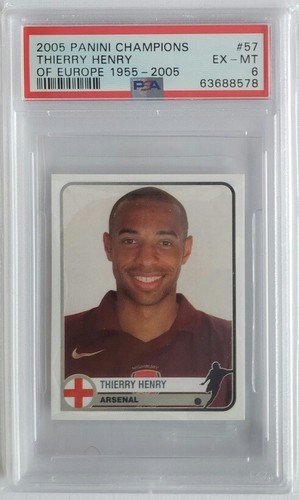 |
Thierry Henry #57 2005 Panini Champions of Europe 1955-2005 |
$3.49 | $239.25 | 68.6× |
 |
Christian Pulisic #A14 2016 Panini Wccf |
$7.99 | $510.00 | 63.8× |
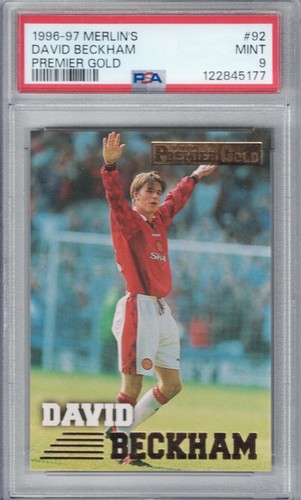 |
David Beckham #92 1996 Merlin's Premier Gold |
$36.92 | $2,119 | 57.4× |
 |
Heung Min Son [Red, White, Blue Prizm] #163 2021 Panini Prizm Premier League |
$3.37 | $192.00 | 57× |
 |
Xavi Hernandez [Prizm] #180 2014 Panini Prizm World Cup |
$5.15 | $290.60 | 56.4× |
 |
Robert Lewandowski [Blue Prizm] #146 2018 Panini Prizm World Cup |
$7.50 | $420.00 | 56× |
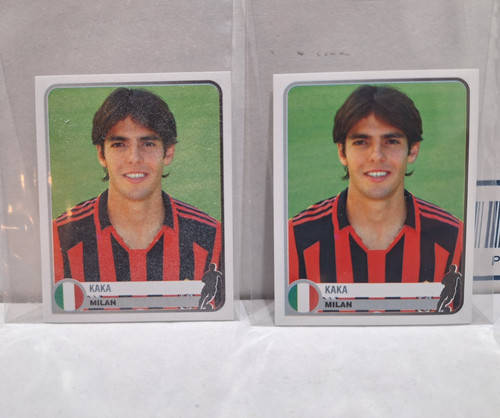 |
Kaka #259 2005 Panini Champions of Europe 1955-2005 |
$4.99 | $250.50 | 50.2× |
Look up any card's current raw and graded value in Midpoint — and get an estimated grade before you pay to submit.
1. Know the Raw-to-PSA 10 Premiums: What Makes a Cheap Card Worth Grading?
A key indicator that a cheap soccer card might be worth grading is its raw-to-PSA 10 premium. Cards with a raw price under $40 and a PSA 10 selling for a much higher multiple can present grading opportunities, if you can land a gem mint.
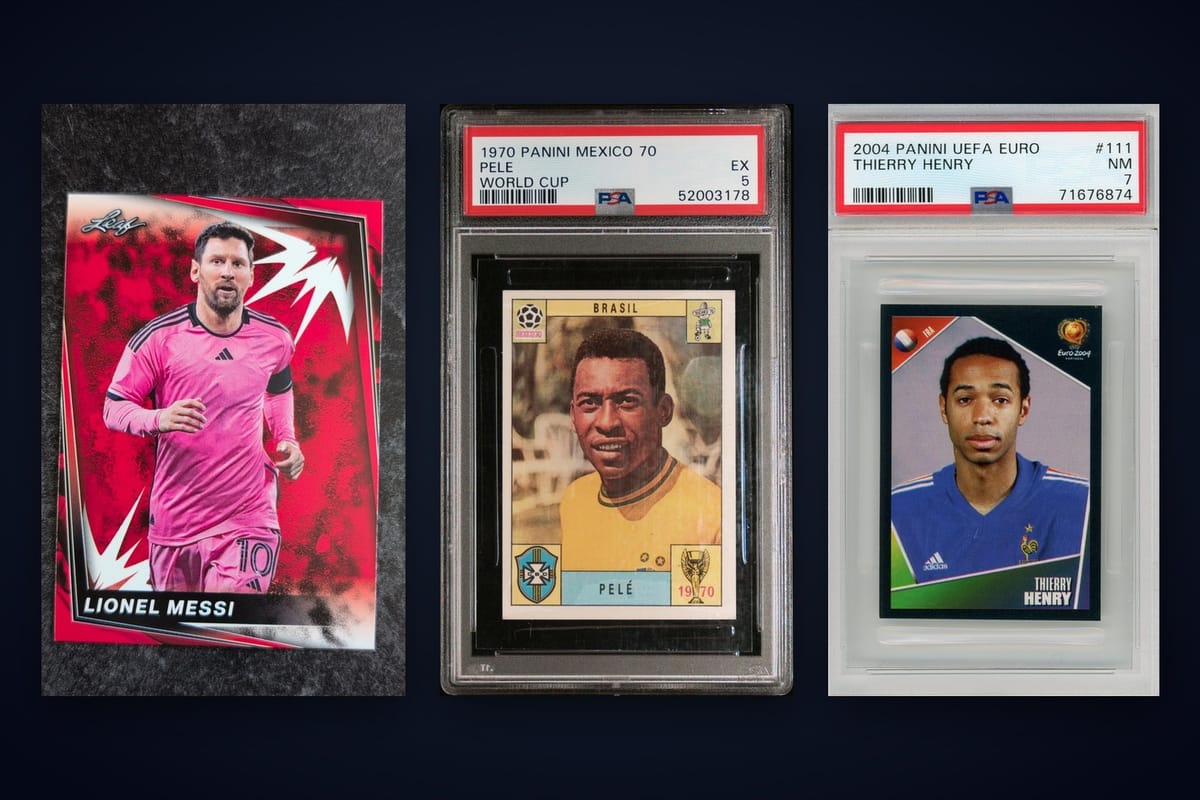
For example, the Lionel Messi #5 (2024 Leaf) has been observed trading for $3.33 raw with a PSA 10 sale at $564.01, a notable premium. Similarly, a 1970 Panini World Cup Mexico Pele sticker has sold for $25 raw and $3,244 in PSA 10. Even modern parallels, like Thierry Henry’s 2014 Topps Chrome MLS Refractor, have shown a significant jump ($8.35 raw, $600 PSA 10). Actual premiums can fluctuate and are not guaranteed.
- Raw-to-PSA 10 premium = (PSA 10 price / Raw price)
- Look for cards with a premium of 40x or more for potential upside, but always verify recent sales
- Always factor in grading fees—usually $15-$30 per card
2. Focus on Rookies, Parallels, and Key Inserts for Best Grading Upside
Not all cheap soccer cards have the same upside when graded. Rookies, numbered parallels, refractors, and important inserts—especially of star players—tend to command the biggest premiums in PSA 10, though results vary by player and set.
Cards like Christian Pulisic #A14 (2016 Panini Wccf) have sold for $7.99 raw and $510 PSA 10, while Robert Lewandowski’s 2018 Panini Prizm World Cup Blue Prizm ($7.50 raw, $420 PSA 10) and Heung Min Son’s Red, White & Blue Prizm #163 (2021 Panini Prizm Premier League, $3.37 raw, $192 PSA 10) are examples of budget grading picks with potential upside. Focusing on rookies or color/refractor parallels can improve your chances, but always check current market data.
- Modern rookies of global stars (Messi, Pulisic, Lewandowski, Son)
- Numbered or colored parallels, especially Prizms and Refractors
- Historic inserts or early print run cards
3. Condition is King: Centering, Corners, Edges, Surface
Even the best budget soccer card is only worth grading if it has a real shot at PSA 10. For cheap cards, condition is everything—especially centering, which is the most common defect.
Use a centering tool (like Midpoint’s free centering calculator) to measure your card before you submit. PSA 10 requires near-perfect centering, sharp corners, clean edges, and a flawless surface. Even a $3 raw Messi is unlikely to be worth grading if it’s off-center or has whitening.
- Centering tolerance for PSA 10 is usually no worse than 55/45 (side-to-side) and 60/40 (top-to-bottom) — details here
- Check corners for dings or whitening
- Inspect surface for print lines, scratches, or dimples
- Use apps like Midpoint for digital pre-grading
4. The Best Brands and Sets for Grading: What Actually Sells
Certain brands and set types often command grading premiums. For soccer cards, these include Topps Chrome UEFA, Panini Prizm, Panini World Cup issues, and classic Panini stickers. Even within low-cost cards, these brands tend to see higher PSA 10 demand.
Examples:
- David Beckham #92 (1996 Merlin’s Premier Gold): $36.92 raw, $2,119 PSA 10
- Thierry Henry #111 (2004 Panini UEFA Euro): $3.36 raw, $350 PSA 10
- Xavi Hernandez [Prizm] #180 (2014 Panini Prizm World Cup): $5.15 raw, $290.60 PSA 10
Avoid overproduced base cards from sets with large print runs—stick to iconic brands and parallel/insert variations where possible.
5. Vintage Stickers and Cards: When Cheap Oldies Are Worth Grading
Vintage soccer stickers and older cards can be grading gems, even if raw prices are modest. The 1970 Panini World Cup Mexico Pele sticker ($25 raw, $3,244 PSA 10) is a well-known example.
However, only pristine vintage cards are generally worth grading. Most will grade low due to decades of handling. Use a magnifier and a centering tool to check condition. For high-grade vintage, grading can transform the value and protect the card for the long haul.
- Look for sharp corners, clean backs, and vibrant print
- Check for album glue stains or creases on stickers
- Low population PSA 10s can drive large premiums
6. Avoid Base Commons and Overproduced Inserts
Most base cards and mass-produced inserts—even of stars—aren’t worth grading unless they’re extremely high grade and low pop. The market is flooded with base cards from recent years, so the gem-mint premium is often minimal.
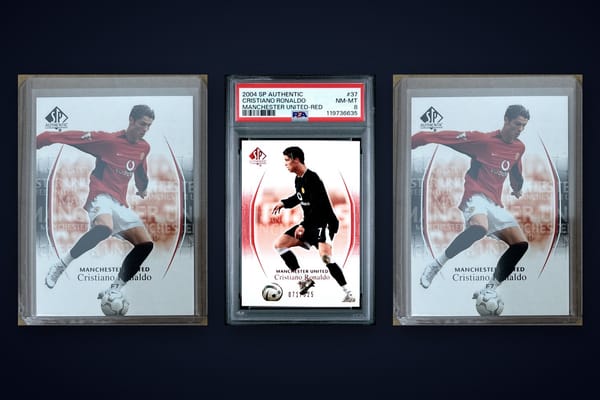
Stick to short prints, parallels, and classic rookies. Even for stars like Messi or Ronaldo, base cards from high-print runs are rarely grading plays unless you’re certain it’s a true PSA 10 candidate.
- Avoid overproduced sets or cards with no scarcity
- Check PSA pop reports to gauge rarity
- Focus on cards under $40 with a proven PSA 10 premium
7. Calculate Costs: Grading Fees, Shipping, and Expected Profit
Before submitting any cheap soccer card, run the numbers. PSA grading typically costs $15–$30 per card (as of 2026), plus shipping both ways. Only cards with enough PSA 10 premium to cover these costs and leave profit are worth it.
For example, a card like the Messi #5 (2024 Leaf) with a $560+ PSA 10 value leaves room after $20-30 in costs. A card with a PSA 10 value under $70 is likely not worth grading unless you can submit at bulk rates and are sure of its condition.
- Subtract grading and shipping from expected PSA 10 sale price
- Factor in seller fees (eBay, consignment, etc.)
- Only grade if net profit is meaningful—even after a few misses
8. Compare Sold Prices: Raw vs Graded, Before Submitting
Don’t guess—always check actual sold prices for both raw and PSA 10 graded copies before submitting. Use apps like Midpoint or eBay’s sold listings to verify what collectors are paying.
A card might be listed for $600 as PSA 10, but if actual sales are only $350, your profit math changes. True budget grading picks have steady PSA 10 sales at a strong multiple over raw price.
- Check recent PSA 10 sales, not just active listings
- Look for consistent sales (not one-off outliers)
- Study pop reports for supply/demand balance
9. How PSA 10 (Gem Mint) Changes the Economics for Cheap Cards
The difference between a PSA 10 and a PSA 9 (or lower) can be significant. Many cheap soccer cards only make sense to grade if you’re confident in a 10. For example, a Thierry Henry #111 (2004 Panini UEFA Euro) at $3.36 raw has sold for $350 as a PSA 10, but a 9 may only fetch $35, barely covering costs.
Learn to pre-grade carefully. Use digital tools, strong lighting, and magnification to spot defects. Apps like Midpoint can help estimate your card’s PSA/BGS/CGC grade based on centering, corners, edges, and surface—so you only submit the best candidates.
- PSA 10s can bring much higher premiums over raw
- PSA 9s typically sell for much less—know your risk
- Practice pre-grading or consider professional pre-screening
10. Chasing Market Momentum: Player Hype and Timing
The best cheap soccer cards to grade often feature stars with rising profiles—whether through big transfers, World Cup performances, or hype cycles. For instance, Christian Pulisic’s and Lionel Messi’s cards have seen spikes around major tournaments or transfer news.
Time your grading submissions when demand is peaking, but be cautious about chasing short-term hype unless you can grade and sell quickly. Watch market trends and player news to spot opportunities.
- Grade stars before big tournaments or transfer windows
- Monitor player form and injury news
- Use portfolio tools (like Midpoint) to track value changes
Conclusion
Finding cheap soccer cards worth grading is all about research, condition, and timing. Stick to under-$40 cards from reputable sets, focus on rookies and parallels, and pre-grade for PSA 10 potential. Use tools like Midpoint to analyze centering and estimate grade before you submit—so you only invest in cards with real upside. The right budget grading play can turn a few dollars into much more, but discipline and data are key.
FAQ
Q: Is it worth grading soccer cards that are under $50 raw?
A: It can be—if the card is in top condition and has a strong PSA 10 premium. For example, a $3–$40 raw card with a PSA 10 value of $200+ may be worth grading, assuming you can land a gem mint and cover grading costs. Always pre-grade carefully and check recent sales.
Q: What cheap soccer cards are actually worth grading?
A: Affordable grading picks often include rookies, parallels, and vintage stickers of top stars. Examples as of 2026-07-11: Lionel Messi #5 (2024 Leaf), Pele (1970 Panini World Cup Mexico), Thierry Henry #111 (2004 Panini UEFA Euro), and Christian Pulisic #A14 (2016 Panini Wccf). Always check current market data before submitting.
Q: How do I know if a soccer card will get a PSA 10 before grading?
A: Check centering, corners, edges, and surface under strong light. Use a centering tool or digital app (like Midpoint) to measure. PSA 10s have extremely tight tolerances—submit only cards with no visible flaws.
Q: Should I grade base soccer cards or only rookies and parallels?
A: Focus on rookies, numbered parallels, refractors, and rare inserts. Most base cards are overproduced and not worth grading unless extremely low pop and flawless.
Q: What soccer card brands are best for grading?
A: Topps Chrome UEFA, Panini Prizm, Panini World Cup sets, and classic Panini stickers are commonly sought after. These brands have strong collector demand and PSA 10 premiums.
Q: How much does grading cost compared with the value increase on cheap cards?
A: Grading is typically $15–$30 per card plus shipping. Only grade cards where the net PSA 10 value (after all costs) is significantly higher than the raw price and fees—ideally a profit of $100+ per card, though actual results will vary.
Free to start
Try the Midpoint app
Grade any card from a photo, see its raw and PSA 10 value, and track what your collection is worth — free.
Get it on iPhoneGet it on Android