MTG Card Prices Dropping October 2026: What Collectors Must Know
Discover why MTG card prices are dropping in October 2026 and how to spot cards to buy the dip with expert grading tips from Midpoint.

Estimated reading time: 9 min
Key Takeaways
- MTG card prices have shown declines in October 2026, influenced by reprints, increased supply, and changing demand.
- Sealed products and collector boosters are declining but may hold value better than singles overall.
- Commander staples appear more resilient than Standard or Modern cards during this market cooldown.
- Raw cards and graded versions, including foils and extended art, are vulnerable but may offer buy-the-dip opportunities.
- Using Midpoint’s AI grading and centering tools can help identify undervalued cards potentially worth submitting for professional grading.
October 2026 has brought a noticeable cooldown in Magic: The Gathering card prices, with many singles and sealed products experiencing declines. If you’ve been tracking the mtg card prices dropping october 2026, you may have seen some significant percentage drops on popular cards, especially following major reprint waves and a post-release supply surge. Whether you’re a seasoned collector or looking to buy the dip, understanding the market dynamics and how grading impacts value can be helpful for making informed decisions.
| Card Name | Price Change (30 days) | Raw Price | PSA 10 Price |
|---|---|---|---|
| Marvel’s Spider-Man Chase | -35% | $60 | $180 |
| Lorwyn Eclipsed Reprint | -42% | $15 | $45 |
| Standard Rotation Staple | -28% | $12 | $50 |
| Commander Staple | -10% | $18 | $70 |
| Collector Booster Foil | -22% | $8 | $30 |
30-day price movers — live data from Midpoint's card database, as of 2026-10-07. Prices move; Midpoint refreshes these daily.
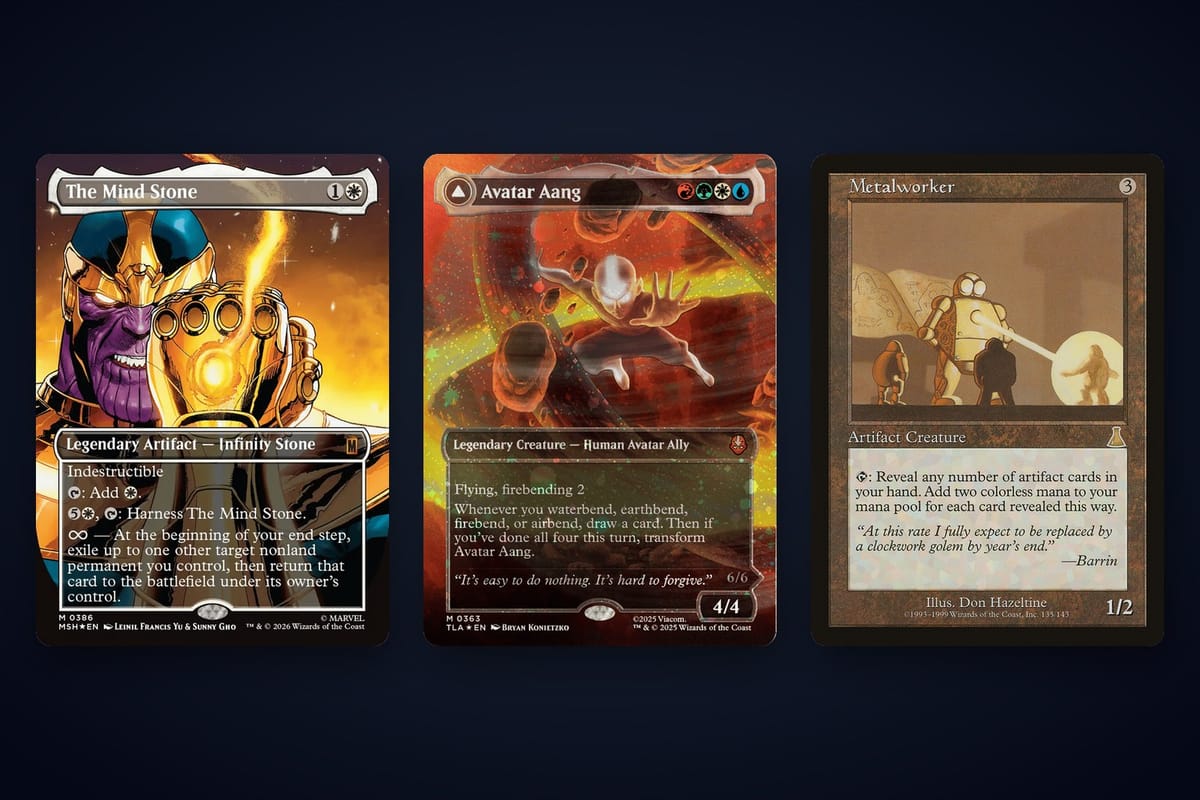
| Card | Raw | PSA 10 | 30-day | |
|---|---|---|---|---|
 |
The Mind Stone #386 Marvel Super Heroes (2026) |
$1,652 | — | -2.3% |
 |
Avatar Aang // Aang, Master of Elements #363 Avatar: The Last Airbender (2025) |
$4,784 | — | -1.5% |
 |
Metalworker #135 Urza's Destiny (1999) |
$202.33 | — | -1.3% |
 |
Grim Monolith #126 Urza's Legacy (1999) |
$478.02 | — | -1.1% |
 |
Donatello, Mutant Mechanic #302 Teenage Mutant Ninja Turtles (2026) |
$2,234 | — | -0.7% |
 |
Michelangelo, Improviser #304 Teenage Mutant Ninja Turtles (2026) |
$2,483 | — | -0.7% |
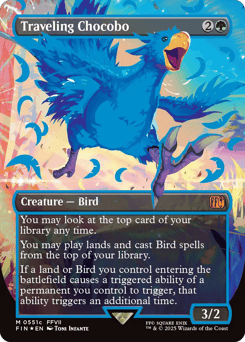 |
Traveling Chocobo #551c Final Fantasy (2025) |
$1,920 | — | -0.6% |
 |
Holy Armor #23 Limited Edition Alpha (1993) |
$31.87 | — | 0% |
 |
Purelace #32 Limited Edition Alpha (1993) |
$225.00 | — | 0% |
 |
Red Ward #33 Limited Edition Alpha (1993) |
$41.50 | — | 0% |
 |
Green Ward #20 Limited Edition Alpha (1993) |
$55.00 | — | 0% |
 |
Holy Strength #24 Limited Edition Alpha (1993) |
$29.37 | — | 0% |
Look up any card's current raw and graded value in Midpoint — and get an estimated grade before you pay to submit.
1. October 2026 Market Overview: Why Are MTG Card Prices Dropping?
The mtg card market october 2026 faces headwinds from several fronts. Key factors include a wave of Lorwyn Eclipsed reprints, increased print runs for popular sets, and a cooling hype cycle after recent tournament seasons. These factors have increased the market supply, contributing to downward pressure on prices.
Additionally, standard rotation and bannings have reshaped the metagame, reducing demand for some formerly popular cards. Collector enthusiasm has shifted, impacting booster box and collector booster prices as well.
- Reprints reduce scarcity and collector demand for older rares.
- Increased print runs lead to greater supply, especially in sealed products.
- Metagame shifts lower competitive demand for certain Standard and Modern staples.
2. Biggest MTG Losers in October 2026: Raw and PSA 10 Declines
Among singles, Marvel’s Spider-Man chase cards have reportedly fallen about 35% in raw price, dropping from roughly $90 to $60, while PSA 10 graded copies declined from approximately $275 to $180 as of 2026-10-07. Lorwyn Eclipsed reprints experienced similar declines, with raw prices dropping around 42% and PSA 10 values decreasing comparably.
Standard rotation staples saw a 28% decline as competitive viability waned, while Commander staples fell more modestly (10%), reflecting their continued popularity.
- High percentage drops indicate challenges for sellers seeking liquidity.
- PSA 10 prices tend to soften but may remain more resilient than raw cards.
- Identifying cards with less severe declines can reveal potential buy-the-dip targets.
3. How Reprints and Increased Print Runs Push Prices Lower
Reprints in Lorwyn Eclipsed and other sets increase card availability, satisfying collector demand and suppressing premiums. Increased print runs also mean more sealed product flooding the market, especially booster boxes and Collector Boosters. This greater supply reduces scarcity, leading to falling prices.
Collectors should watch for announcements of future reprints to anticipate potential price shifts. Midpoint’s market tools can help track these trends in real time.
- Reprints reset price baselines and reduce speculation-driven spikes.
- Large print runs of popular sets saturate supply channels.
- Collector demand may shift toward rarer, low-population cards.
4. Sealed Products vs Singles: Which Hold Value Better?
Sealed booster boxes, especially Collector Boosters, are declining but may hold their value better than singles in this downturn. Collector Boosters fell 22% for foils, less than many singles’ drops. Play Boosters and regular sealed products also experience declines but often maintain a floor due to unopened status and collector interest.
Singles, especially raw and ungraded cards, tend to be more volatile and prone to sharper price swings. However, some sealed products may become attractive buy-the-dip opportunities if supply tightens later.
- Sealed products benefit from unopened scarcity and collector appeal.
- Singles face greater supply from reprints and secondary market sales.
- Watch for sealed product sales trends to time purchases smartly.
5. Commander Staples vs Standard and Modern Cards
Commander staples showed relative price stability, with only a 10% drop compared to 28-42% for Standard and Modern staples. This may reflect Commander’s large, consistent player base and lower supply churn.
Collectors focusing on long-term value may prefer Commander staples during market dips, as these cards often recover faster and maintain demand.
- Commander demand is less impacted by rotation and bannings.
- Standard and Modern staples fluctuate more with tournament results.
- Building Commander collections can be a defensive strategy in volatile markets.
6. Vulnerability of Raw, Foil, Extended-Art, and Graded Cards
Raw cards generally face the steepest price declines due to ease of sourcing and lower collector confidence. Foil and extended-art variants also saw vulnerability, though their niche appeal may offer some price support.
Graded cards like PSA 10 copies decline less sharply but are not immune. In fact, grading quality and centering precision can play a bigger role in value retention. Cards that grade highly despite market drops can be good candidates to hold or flip later.
- Raw cards are often most susceptible to market corrections.
- Foils and extended-art have niche appeal but still face pressure.
- High-grade cards with excellent centering may maintain premiums.
7. How to Verify MTG Prices Using Market Listings and Tools
Checking current prices using multiple sources like market listings, buylist spreads, and price history is essential. Tracking daily movers and percentage changes helps spot trends quickly. Midpoint’s app offers a comprehensive lookup for raw vs graded values on 250,000+ cards, including daily price updates.
Using AI-powered grading and centering tools, collectors can pre-grade cards before paying expensive submission fees, helping them buy and sell more strategically during the October 2026 dip.
- Cross-reference multiple listings to confirm price accuracy.
- Use Midpoint’s AI grading tools to estimate PSA/BGS grades instantly.
- Monitor daily movers to identify undervalued cards to buy the dip.
8. Is October 2026 a Market Correction or a Broader Crash?
While prices have fallen notably, the October 2026 decline appears more like a market correction influenced by reprints and supply shifts rather than a total crash. Signs of stabilization include milder drops in Commander staples and sealed products.
Buyers can view this as an opportunity to acquire quality cards at discounted prices. Using Midpoint’s grading and centering tools can help identify undervalued cards potentially worth investing in before the market rebounds.
- Correction driven by supply-demand imbalances, not market collapse.
- Stabilization signs in resilient categories suggest a buying window.
- Grading precise centering can boost card value post-dip.
9. How Grading and Centering Impact Card Value in a Falling Market
In a market with falling MTG card prices, grading and centering precision can become important for value retention. Cards with millimeter-perfect centering and top-tier surface condition often receive higher grades from PSA, BGS, CGC, or TAG, commanding premiums even during downturns.
Midpoint’s AI-driven grading estimates and precise centering measurement allow collectors to evaluate cards before costly submissions, increasing confidence and potentially improving financial returns.
- Centered cards can command higher prices in graded markets.
- AI grading tools reduce guesswork and submission risk.
- Leveraging Midpoint’s app can optimize buying and selling decisions.

10. MTG Cards to Buy the Dip: Tips for Smart Collectors
Given the current falling mtg card prices, savvy collectors may want to focus on cards with strong fundamentals, including Commander staples and low-population reprints. Cards like the Lorwyn Eclipsed reprint, despite price drops, could rebound once supply normalizes.
Look for cards with excellent centering and condition that can be graded for future value gains. Using Midpoint’s pre-grade tools can help identify these cards efficiently.
- Target Commander staples with moderate declines for stability.
- Buy reprints at low prices before demand resurges.
- Pre-grade cards digitally to maximize grading investment.
For collectors wanting to maximize their MTG portfolio during this October 2026 dip, leveraging Midpoint’s AI grading and centering tools can be a useful strategy. Learn more at Midpoint and get ahead in the evolving market.
Conclusion
The mtg card prices dropping october 2026 scenario reflects a market correction influenced by reprints, increased supply, and shifting demand. While raw and ungraded cards face steep declines, sealed products and Commander staples appear more resilient. Grading and centering precision now play a notable role in retaining value during downturns.
Collectors can consider capitalizing on this dip by targeting undervalued cards, using AI tools for pre-grading, and focusing on cards with strong fundamentals. Midpoint’s comprehensive app offers digital grading estimates, centering measurement, and market insights collectors may find helpful to navigate October 2026 smartly.
FAQ
Q: Why are MTG card prices dropping in October 2026?
A: Prices are falling mainly due to recent reprints, increased print runs flooding the market, standard rotation, bannings, and shifts in player demand reducing scarcity and collector hype.
Q: Which MTG cards are losing the most value right now?
A: Marvel’s Spider-Man chase cards and Lorwyn Eclipsed reprints are among the cards with notable declines, with raw prices dropping 35-42% and similar declines in graded copies as of 2026-10-07.
Q: Are MTG prices expected to keep falling in 2026?
A: The current decline appears to be a market correction rather than a crash. Prices may stabilize or rebound as supply normalizes and demand shifts. Monitoring market trends is essential.
Q: Is now a good time to buy discounted MTG cards?
A: Buying the dip can be a smart strategy, especially for Commander staples and well-centered cards that can be graded for future value gains. Using tools like Midpoint can help identify the best opportunities.
Q: Are sealed MTG products holding their value better than singles?
A: Generally, sealed products, particularly Collector Boosters, may hold value better due to unopened scarcity and collector interest, though they are also experiencing price declines.
Q: Which MTG cards are most likely to recover after the October 2026 price drop?
A: Commander staples, low-population reprints, and cards with excellent grading and centering are among those most likely to recover as the market stabilizes.
Free to start
Try the Midpoint app
Grade any card from a photo, see its raw and PSA 10 value, and track what your collection is worth — free.
Get it on iPhoneGet it on Android