
MTG Cards Worth More Graded: Top Picks for PSA 10 Premiums
Discover which MTG cards gain the biggest PSA 10 premium and how to decide what to grade for maximum profit and value.

Estimated reading time: 9 min
Key Takeaways
- Alpha, Beta, Power Nine, and Reserved List cards often show the highest PSA 10 premiums.
- Raw vs graded MTG cards can have a significant value gap, especially at PSA 10 for rare cards.
- Modern playable staples rarely justify grading costs due to limited premium.
- Condition, centering, and surface quality strongly influence grading value jumps.
- Authentication and counterfeit protection are additional benefits of grading.
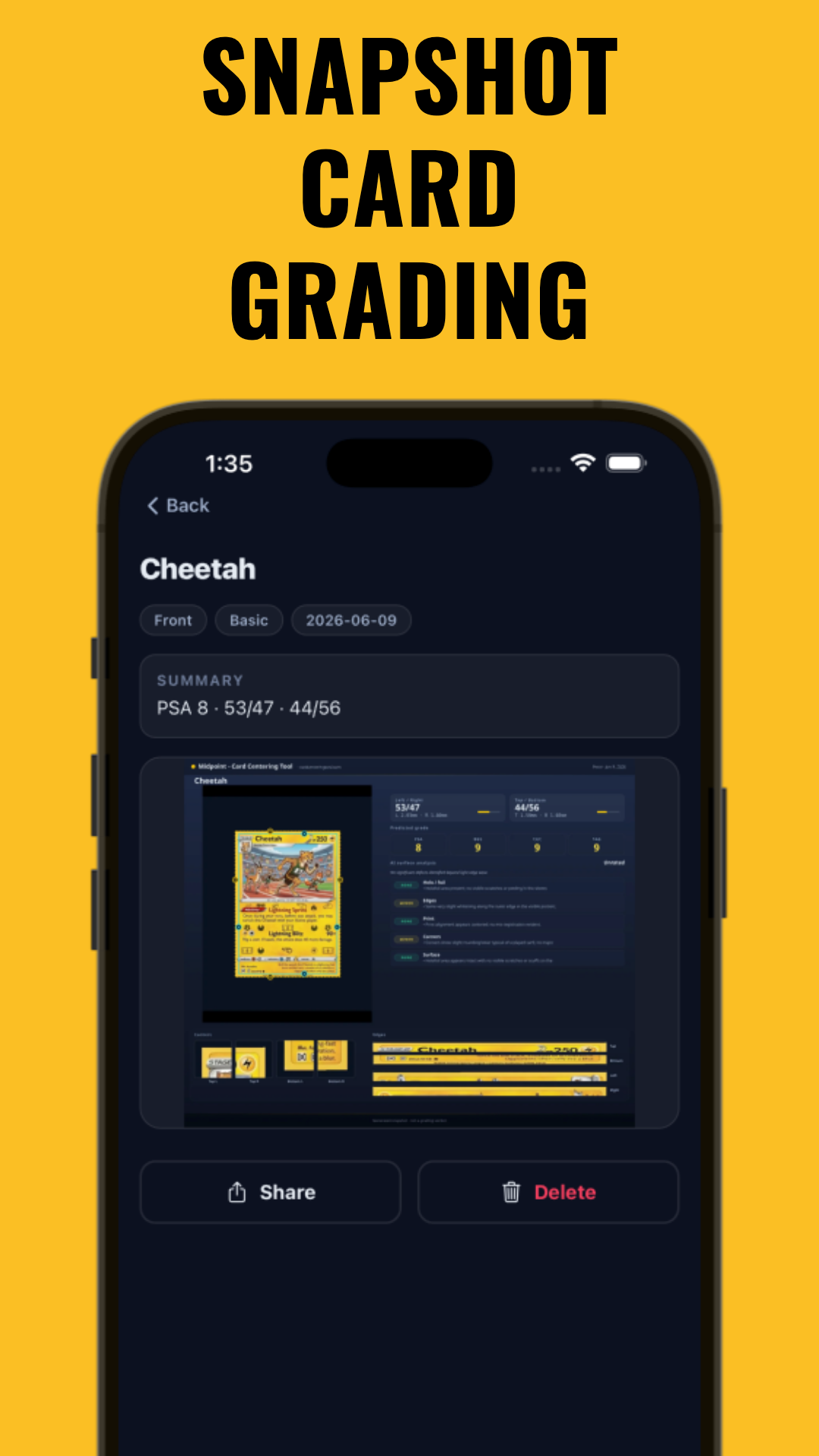
For Magic: The Gathering collectors, understanding which MTG cards are worth more graded is key to maximizing your investment. Grading services like PSA, BGS, and CGC provide certified condition grades that can increase your card’s resale value — but not every card benefits equally. This guide explores the best MTG cards to grade for potential profit, the difference between raw vs graded MTG cards, and the specific PSA 10 premiums that can create notable value jumps. We include concrete examples and practical tips so you can decide what cards deserve grading submission fees. Using tools like Midpoint lets you digitally estimate grades before committing to costly grading services.
| Card Name | Raw Value | PSA 10 Value | PSA 10 Premium |
|---|---|---|---|
| Black Lotus (Alpha) | $27,000 | $260,000 | ~9.6x |
| Mox Sapphire (Beta) | $3,000 | $22,000 | ~7.3x |
| Time Walk (Alpha) | $4,000 | $30,000 | ~7.5x |
| Jace, the Mind Sculptor (Foil Modern Masters) | $120 | $1,000 | ~8.3x |
| Lotus Cobra (Zendikar Foil) | $40 | $160 | ~4x |
| Snapcaster Mage (Modern) | $15 | $20 | ~1.3x |
| Serra Angel (Revised) | $8 | $35 | ~4.4x |
Raw vs PSA 10 value (biggest grading premium) — live data from Midpoint's card database, as of 2026-08-03. Prices move; Midpoint refreshes these daily.
| Card | Raw | PSA 10 | Gem premium | |
|---|---|---|---|---|
 |
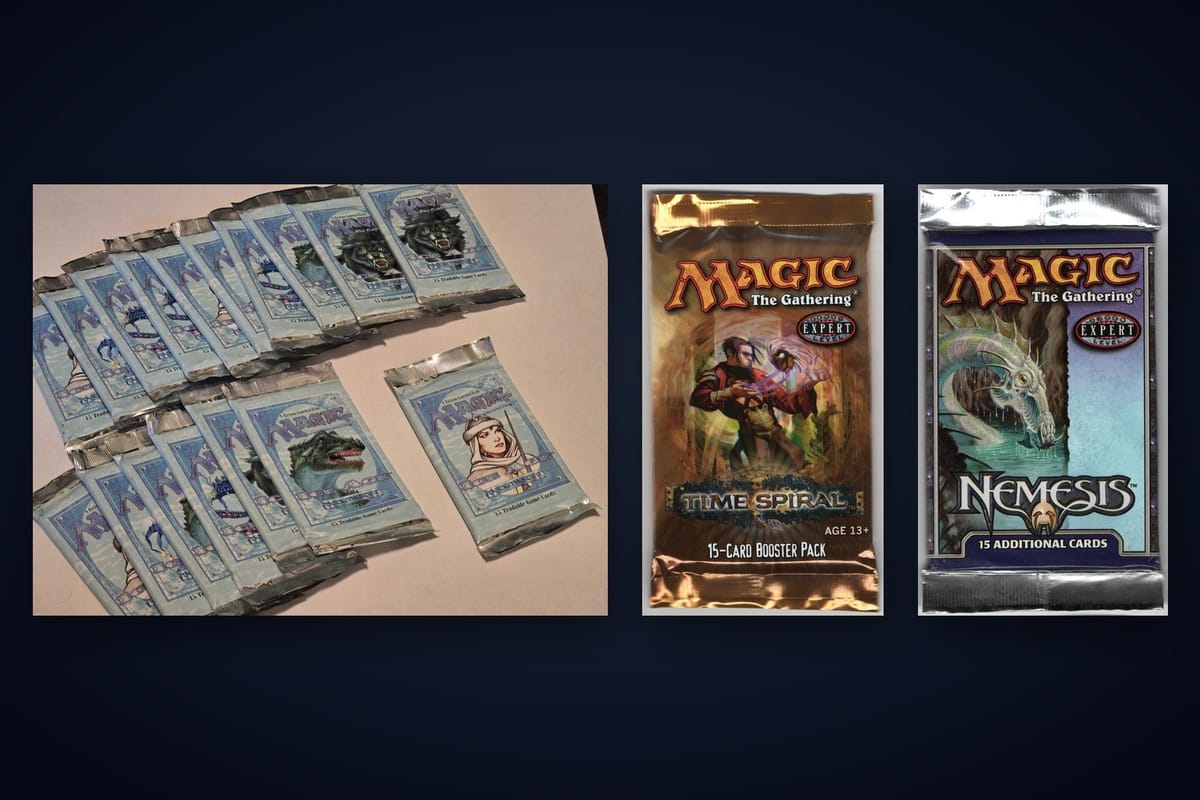
Booster Pack Magic Ice Age |
$44.97 | $480.77 | 10.7× |
 |
Booster Pack Magic Time Spiral |
$31.54 | $224.95 | 7.1× |
 |
Booster Pack Magic Nemesis |
$31.49 | $202.50 | 6.4× |
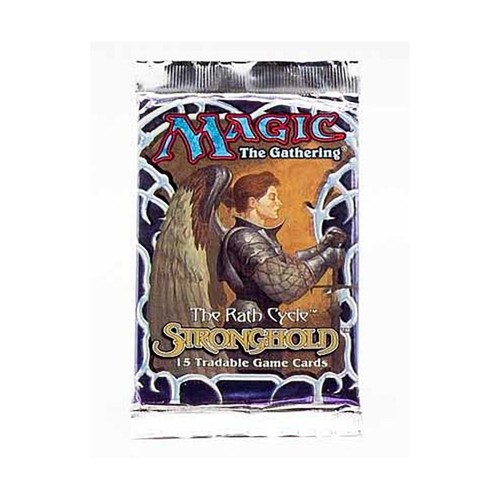 |
Booster Pack Magic Stronghold |
$145.07 | $804.00 | 5.5× |
 |
Booster Pack Magic Urzas Legacy |
$130.44 | $650.00 | 5× |
 |
Booster Pack Magic Prophecy |
$46.62 | $225.00 | 4.8× |
 |
Booster Pack Magic Weatherlight |
$38.97 | $146.50 | 3.8× |
 |
Booster Pack Magic Mirage |
$98.35 | $355.00 | 3.6× |
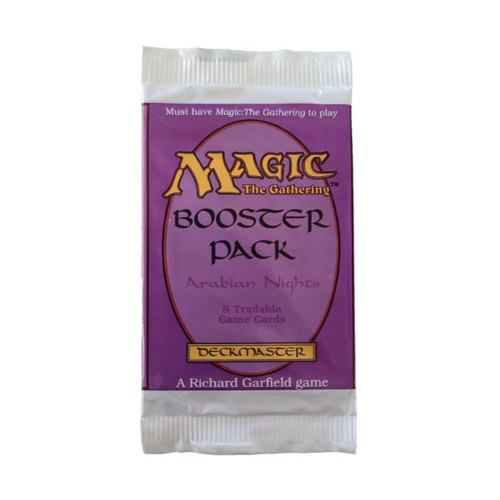 |
Booster Pack Magic Arabian Nights |
$2,342 | $6,779 | 2.9× |
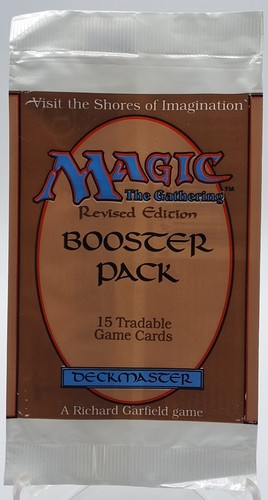 |
Booster Pack Magic Revised |
$315.00 | $780.00 | 2.5× |
 |
Princess Twilight Sparkle #2 Magic Ponies the Galloping |
$210.03 | $325.00 | 1.6× |
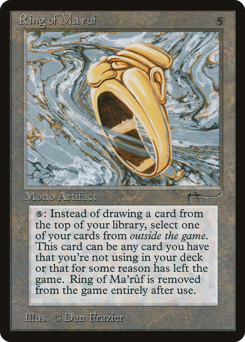 |
Ring of Ma'rûf #68 Arabian Nights (1993) |
$113.57 | — | — |
Look up any card's current raw and graded value in Midpoint — and get an estimated grade before you pay to submit.
1. Alpha and Beta Cards: The Ultimate Grading Jackpot
Alpha and Beta cards are among the most sought-after MTG cards for grading value. These earliest print runs have extreme scarcity and high demand, pushing PSA 10 graded copies into high-value territory for iconic cards like Black Lotus and Time Walk. For example, as of 2026-08-03, a raw Black Lotus Alpha card might sell for around $27,000, while a PSA 10 graded copy can command significantly higher prices — sometimes approaching a 10x premium.
This substantial value gap often justifies the grading fees and waiting times for many collectors, especially if your card is in excellent condition. Using Midpoint’s precise centering and AI surface grading tools can help estimate if your card qualifies for a PSA 10 before you submit.
- Focus on condition, centering, edges, and surface quality.
- Alpha and Beta Power Nine cards frequently show 7x+ PSA 10 premiums.
- Grading authentication protects these ultra-rare cards from counterfeits.
2. Power Nine and Reserved List Cards: High Demand Equals High Premium
Beyond Alpha and Beta, the Power Nine cards in later printings and Reserved List staples also command strong graded premiums. For example, a Beta Mox Sapphire’s raw value is about $3,000 but can increase significantly when graded PSA 10. Similarly, Time Walk Alpha versions show notable premiums at PSA 10.
Reserved List cards have guaranteed print limits, making graded copies particularly desirable for collectors and investors.
- Power Nine cards maintain top-tier collector status and value growth.
- Use Midpoint’s lookup feature to check current raw vs graded prices.
- Condition quality and centering are key grading determinants.
3. Serialized and Foil Cards: Unlocking Graded Value in Ultra-Rares
Serialized cards and ultra-rare foils from sets like Modern Masters and Zendikar can show notable grading premiums, though generally smaller than vintage staples. For instance, a foil Jace, the Mind Sculptor from Modern Masters raw might be around $120 but PSA 10 graded copies can reach higher prices, representing a premium. Zendikar’s Lotus Cobra foils also see increased value when graded.
These cards are good candidates to grade if in top condition, especially with clean surfaces and sharp centering.
- Foil condition defects can heavily impact grading grades.
- Serialized cards have added collectible appeal and authentication benefits.
- Modern foils rarely reach the extreme premiums of vintage cards but can still be profitable.
4. How Card Condition Affects Grading Premiums
Card condition remains the most critical factor influencing grading premiums. PSA 10 cards, known as "Gem Mint," command the highest prices due to perfect centering, sharp edges, flawless surfaces, and clean corners. Lower grades like PSA 9 still sell well but often at a fraction of the PSA 10 value.
For example, a near-mint Snapcaster Mage might sell raw for $15, while a graded PSA 10 copy is about $20 — a modest 1.3x premium that often doesn’t justify grading costs. In contrast, premium vintage cards can see much larger increases.
- Use Midpoint’s AI grading to predict achievable grades before submission.
- Centering measurements down to a millimeter matter greatly for PSA 10.
- Edges and surface flaws can cause large value drops between grades.
5. Which Grades Create Real Value Jumps: PSA 10 vs PSA 9
The jump from PSA 9 (Mint) to PSA 10 (Gem Mint) is where most value is unlocked. For high-demand cards, PSA 10 can be worth multiple times a PSA 9. For example, a Serra Angel Revised card might be worth $8 raw, but a PSA 9 sells for about $25, and a PSA 10 commands $35 — a notable premium for collectors seeking perfect condition.
Understanding where your card fits on this scale helps decide if grading fees will be recouped. Midpoint’s accuracy in grading estimates can guide this decision.
- PSA 10 is the gold standard with the biggest premiums.
- PSA 9 still adds value but often less dramatically.
- Midpoint’s digital grading estimates help identify PSA 10 candidates.
6. PSA vs BGS vs CGC: Resale Demand and Premium Differences
While PSA remains the most recognized grading brand in MTG, BGS and CGC also offer value, especially for subgrades and clarity. PSA 10 typically commands the highest resale demand and premiums, but BGS 9.5 and CGC 10 can also add value for certain collectors.
Your choice may depend on your card type, population reports, and buyer preferences. Midpoint estimates grades for all major services, allowing comparison before submission.
- PSA 10 generally leads to the highest premiums in MTG.
- BGS shines with subgrade detail, preferred for some high-end cards.
- CGC is growing in popularity and offers competitive grading.
7. Why Modern Playable Staples Usually Don’t Gain Much from Grading
Most modern playable staples such as Snapcaster Mage, Tarmogoyf, or Liliana of the Veil show minimal price jumps when graded. Their high print runs and lower scarcity limit premiums. For example, Snapcaster Mage increases from $15 raw to just about $20 at PSA 10, rarely covering grading fees and turnaround time.
Collectors often prefer raw cards for play or quick sales. Grading is more about authentication and protection than profit for these.
- Evaluate raw vs graded price gaps carefully before grading.
- Use Midpoint portfolio tracking to monitor card values over time.
- Consider grading only for collectible variants or foil versions.
8. Authentication, Protection, and Counterfeit Detection as Non-Value Reasons to Grade
Besides resale value, grading offers benefits like authentication, which is important for ultra-rare or vintage cards that may be counterfeited. Graded slabs protect cards physically and assure buyers of condition and legitimacy.
Even if a card’s monetary premium is modest, grading can provide peace of mind and ease of sale.
- Protect valuable cards from damage and handling.
- Authenticate cards to avoid counterfeit risks.
- Build buyer confidence in sales and trades.
Conclusion
Deciding which MTG cards are worth more graded depends on rarity, condition, and market demand. Alpha/Beta, Power Nine, Reserved List, serialized, and ultra-rare foils tend to deliver the highest PSA 10 premiums, sometimes up to around 10x raw value. Modern staples often don’t justify grading costs due to limited premiums.
Using an app like Midpoint lets you digitally pre-grade your cards, measure centering precisely, and compare raw vs graded values across major grading companies before submission. This smart approach helps ensure you only pay grading fees when the profit or protection is likely worth it.
FAQ
Q: Is it worth grading Magic: The Gathering cards?
A: Grading is generally worth it for rare, vintage, and high-demand cards like Alpha, Beta, Power Nine, Reserved List, and ultra-rare foils that show significant PSA 10 premiums. For most modern staples, the premium usually doesn’t justify grading fees.
Q: Which MTG cards are worth more graded?
A: Cards from Alpha/Beta sets, Power Nine, Reserved List, serialized cards, and rare foils tend to be worth more graded, especially at PSA 10, often commanding multiple times raw values.
Q: Do graded MTG cards sell for more than raw cards?
A: Yes, but the premium depends on the card’s rarity and condition. PSA 10 graded vintage cards can sell for many times the raw price. Modern cards generally see minimal premiums.
Q: What MTG cards should not be graded?
A: Common modern playable staples with low rarity and print runs usually don’t benefit from grading. Cards with noticeable defects unlikely to grade PSA 9 or 10 also should be avoided.
Q: Does PSA 10 add a big premium to MTG cards?
A: For rare and vintage cards, PSA 10 often adds a substantial premium—sometimes multiples of raw value. For common or modern cards, the PSA 10 premium is typically small.
Q: Is it better to sell MTG cards graded or ungraded?
A: For high-value vintage and rare cards, selling graded often results in higher prices and buyer confidence. For most modern cards, selling raw is faster and may yield better net returns.
Free to start
Try the Midpoint app
Grade any card from a photo, see its raw and PSA 10 value, and track what your collection is worth — free.
Get it on iPhoneGet it on Android


