
Pokemon Card Prices Dropping October 2026: What Collectors Need to Know
Explore why Pokemon card prices are dropping in October 2026 and how to buy the dip smartly with grading tips and market insights.

Estimated reading time: 8 min
Key Takeaways
- Pokemon card prices have shown declines in October 2026, reflecting shifts in supply and demand dynamics.
- Reprints, higher pull rates, and 30th Anniversary releases have influenced market values.
- Raw cards and PSA 10 graded copies exhibit different price trends and premiums.
- Collectors may consider the current market conditions to identify potential buying opportunities and focus on grading well-centered copies.
- Sealed products and vintage Japanese promos tend to hold value relatively better amid market changes.
October 2026 has brought noticeable shifts in pokemon card prices, suggesting a market adjustment rather than a full crash. As collectors and investors observe these changes, it’s important to understand the factors influencing values and consider strategies to navigate the current market. This listicle explores key reasons behind the price changes in October 2026, highlights affected cards, and offers advice for collectors looking to buy the dip or hold their ground.
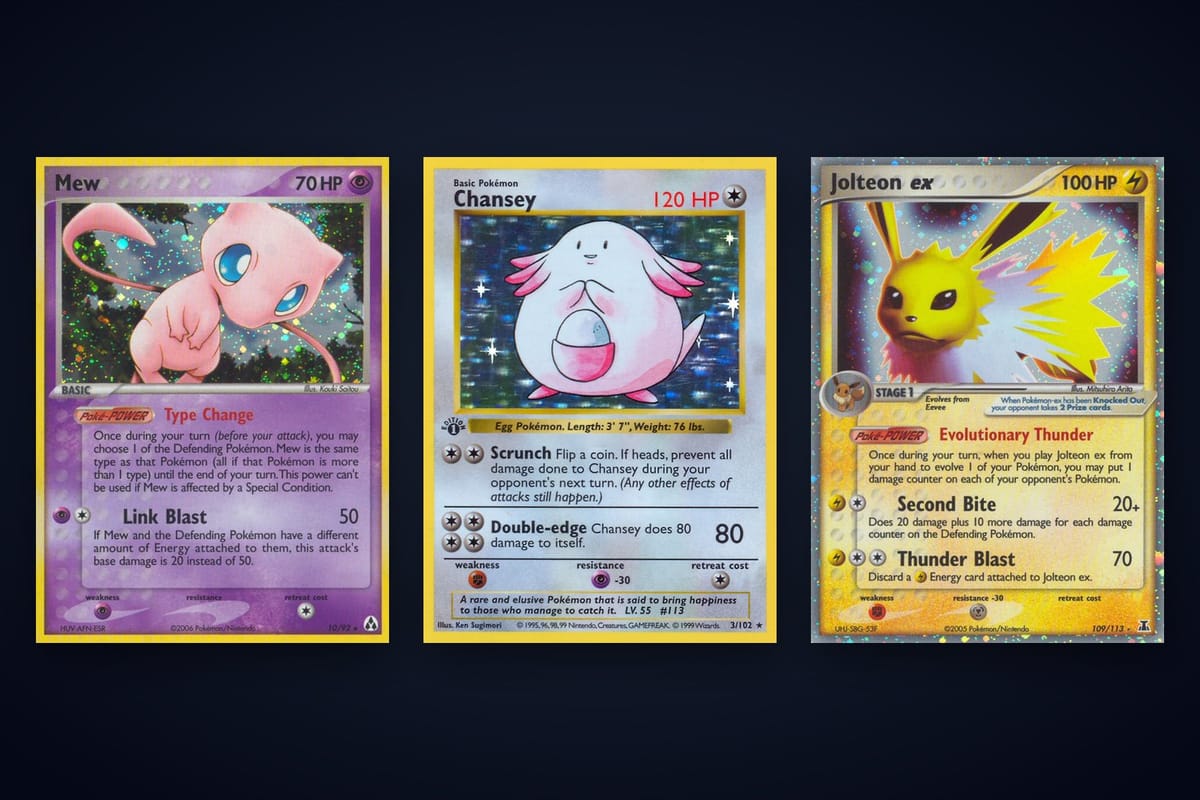
30-day price movers — live data from Midpoint's card database, as of 2026-10-11. Prices move; Midpoint refreshes these daily.
| Card | Raw | PSA 10 | 30-day | |
|---|---|---|---|---|
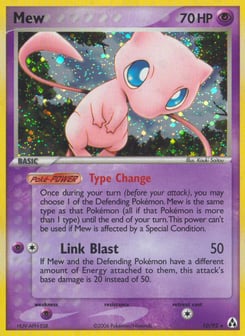 |
Mew #10/92 Legend Maker (2006) |
$228.99 | $399.00 | -93.3% |
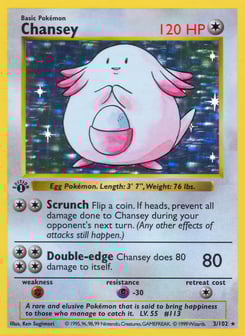 |
Chansey #3/102 Base (1999) |
$57.28 | $798.09 | -91.3% |
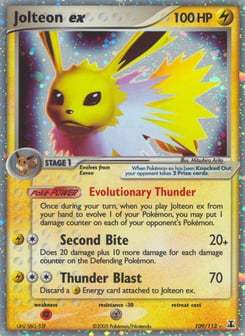 |
Jolteon ex #109/113 Delta Species (2005) |
$292.49 | $1,349 | -84.4% |
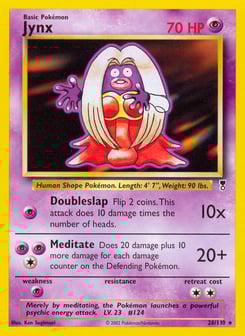 |
Jynx #26/110 Legendary Collection (2002) |
$110.24 | $692.39 | -84.1% |
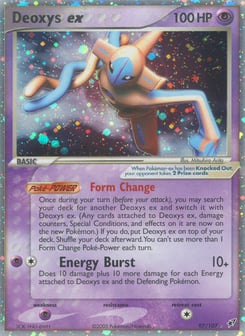 |
Deoxys ex #97/107 Deoxys (2005) |
$320.00 | $1,050 | -74.8% |
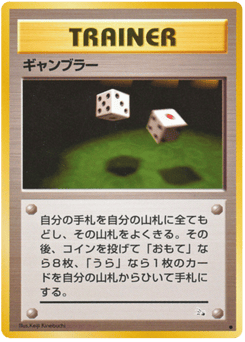 |
ギャンブラー 化石の秘密 (1997) |
$300.00 | $549.61 | -48.1% |
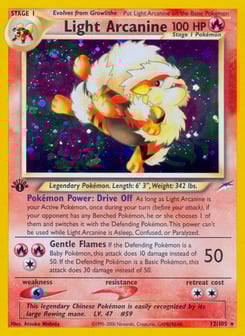 |
Light Arcanine #12/105 Neo Destiny (2002) |
$402.50 | $1,313 | -46.7% |
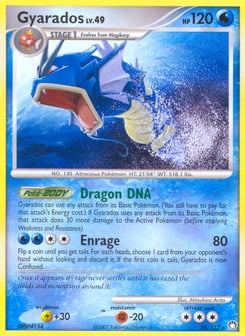 |
Gyarados #26/123 Mysterious Treasures (2007) |
$41.98 | $2,082 | -42.5% |
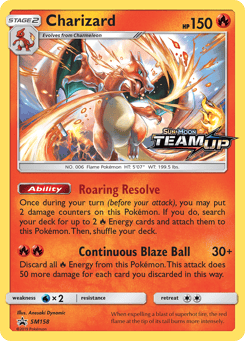 |
Charizard #SM158 SM Black Star Promos (2017) |
$112.22 | $4,459 | -41.9% |
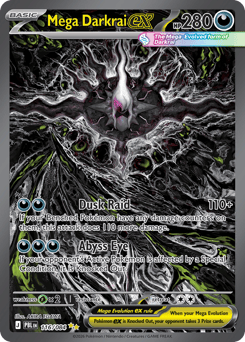 |
Mega Darkrai ex #116/084 Pitch Black (2026) |
$145.44 | $803.67 | -40.8% |
 |
Flareon-EX #RC6/RC32 Generations (2016) |
$86.41 | $2,507 | -40% |
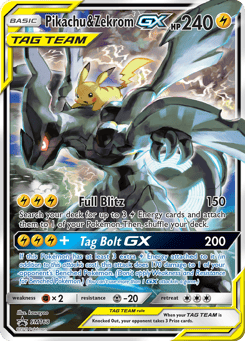 |
Pikachu & Zekrom-GX #SM168 SM Black Star Promos (2017) |
$218.83 | $1,957 | -39.6% |
Look up any card's current raw and graded value in Midpoint — and get an estimated grade before you pay to submit.
1. October 2026 Market Adjustment Versus Crash
Despite some concern, the pokemon card market in October 2026 appears to be undergoing a correction rather than a crash. Prices are cooling off from earlier highs, influenced by changes in supply and demand. This adjustment may reflect a more balanced market rather than widespread panic selling.
Some data indicate a gradual price decline averaging around 15-25% for many popular singles, which can be typical after a strong bull run, allowing collectors to reassess value and quality before prices stabilize.
- Price changes affect both raw and PSA 10 graded cards but vary in magnitude.
- Some high-population chase cards may experience steeper declines due to increased availability.
2. Impact of 30th Anniversary and Celebration Releases
The increase in 30th Anniversary and Celebration product releases has contributed to higher supply. These sets often feature higher pull rates for chase cards, which can reduce scarcity and put downward pressure on prices.
Collectors who previously sought limited print runs now have access to more versions, potentially reducing urgency and demand. This increased supply is a factor in the observed price adjustments in October 2026.
- Reprints of iconic cards like Pikachu Illustrator and Umbreon ex SIR have expanded populations.
- Celebration sets include reimagined versions that may satisfy collector interest without significantly boosting older card values.
3. Higher Pull Rates and Increased Population of Chase Cards
Higher pull rates in recent products have contributed to increased availability of cards that were once considered ultra-rare. This expanded population, especially for chase cards like Charizard VSTAR and Eternatus, can lead to downward price pressure.
- Raw card populations have reportedly increased for key chase cards as of October 2026.
- Grading population data suggest a rise in PSA submissions, which may saturate the graded market.
4. Comparing Modern Singles Versus Sealed Products
Price declines have been more pronounced for modern singles, as raw and graded copies become more common in marketplaces. In contrast, sealed products tend to retain value better due to unopened scarcity and potential future demand.
Collectors considering buying the dip might look at sealed boxes or packs from recent sets, which could offer relatively safer long-term holds compared to fluctuating single card values.
- Sealed 30th Anniversary collections have shown only minor price declines in some cases.
- Singles from recent sets may experience declines ranging from 20-35%, depending on condition and rarity.
5. Raw Cards Versus PSA 10 Graded Copies and Changing Premiums
Raw cards often experience steeper price drops than PSA 10 graded copies, as grading premiums can provide some cushion during downturns. However, grading premiums may compress somewhat as more high-grade copies enter the market.
For example, Charizard VSTAR’s raw price reportedly fell more than PSA 10 copies, narrowing the premium gap.
- Graded cards tend to maintain more stable value due to collector confidence in condition.
- Tools like Midpoint’s AI digital grading can help identify cards likely to achieve strong grades before submission, potentially maximizing investment.
6. Specific Declining Cards to Watch
Several notable cards have experienced price declines in October 2026, including:
- Charizard VSTAR: Raw prices reportedly dropped more steeply than PSA 10 copies as supply grows.
- Eternatus: Increased population affects both raw and graded values.
- Pikachu Illustrator Reprints: New reprints have expanded availability, reducing scarcity.
- Umbreon ex SIR & Pikachu ex SIR: Reprints and set fatigue contribute to price softening.
Collectors are advised to monitor population reports and recent sold listings to track these cards’ value trends.
7. How Speculative Demand, Set Fatigue, and Reduced Spending Affect Prices
Speculative demand appears to have tapered as some collectors and investors shift focus away from Pokémon cards amid market fatigue and economic uncertainty. Reduced discretionary spending may limit aggressive buying, applying downward pressure on prices.
The steady stream of new releases can also lead to set fatigue, where buyers pause before investing in the next product wave.
- Collectors should temper expectations and avoid chasing hype-driven spikes.
- Patience may provide better opportunities to buy undervalued cards during this cooldown.
8. Vintage Cards, Japanese-Exclusive Promos, and Stable Categories
Not all categories are equally affected. Vintage cards, especially first editions and Japanese-exclusive promos, have generally held their value better amid the October 2026 market changes.
These cards benefit from limited populations, strong collector demand, and historical significance, making them potentially safer long-term investments.
- Japanese promos have experienced only minor price declines compared to modern chase cards.
- Vintage cards tend to maintain premiums with less volatility.
9. Verifying Price Changes Using Market Data and Grading Population
Collectors can verify the extent of pokemon card price changes in October 2026 by consulting recent sold listings on major marketplaces, market index trends, and grading population data.
Midpoint’s database offers raw vs graded values on a large number of cards, providing transparency and confidence when evaluating the market.
- Tracking grading populations helps anticipate supply effects on prices.
- Recent sales data indicate average declines across key categories as of October 2026.
10. Should Collectors Buy the Dip, Hold, Sell, or Prioritize Sealed?
Deciding how to respond to falling pokemon card prices depends on personal goals and risk tolerance. Buying the dip may be advisable if collectors focus on:
- Cards with solid centering and condition that are likely to grade well (using tools like Midpoint’s AI grading can assist).
- Sealed products that maintain scarcity and long-term value.
For those needing liquidity, selling overvalued or fatigued cards may reduce risk. Holding vintage or premium sealed products remains a commonly recommended strategy.
Midpoint’s tools can help collectors pre-grade cards and track portfolio value, supporting informed decisions during market shifts. Learn more at Midpoint.
Conclusion
The observed pokemon card price changes in October 2026 suggest a market correction influenced by increased supply, reprints, and cooling speculative demand. While many modern singles have seen declines, vintage cards and sealed products generally offer more stability. Collectors may capitalize on this adjustment by carefully grading cards with strong centering and focusing on long-term holds. Using tools like Midpoint can aid in navigating these shifts with data-driven confidence.
FAQ
Q: Why are Pokémon card prices changing in October 2026?
A: Prices have been influenced by increased supply from 30th Anniversary releases, higher pull rates, reprints, and changes in speculative buying amid economic uncertainty.
Q: Is the Pokémon card market crashing or just correcting?
A: The market appears to be undergoing a correction, which is a natural adjustment after a period of rapid price increases and elevated demand.
Q: Which Pokémon cards have lost the most value in October 2026?
A: Cards such as Charizard VSTAR, Eternatus, Pikachu Illustrator reprints, and Umbreon ex SIR have experienced notable price declines, likely due to increased availability and reprints.
Q: Are Pokémon card prices expected to keep falling or recover before the end of 2026?
A: Prices may stabilize or gradually recover after the correction, especially for well-centered, high-grade cards and sealed products, though some volatility is expected.
Q: Should I buy Pokémon cards now while prices are down?
A: Buying the dip can be a reasonable strategy if you focus on grading cards with solid centering and condition, or invest in sealed products with long-term potential.
Q: Are sealed Pokémon products safer than singles during the October 2026 market changes?
A: Sealed products often hold value better during market adjustments due to their unopened scarcity and potential future collector demand.
Free to start
Try the Midpoint app
Grade any card from a photo, see its raw and PSA 10 value, and track what your collection is worth — free.
Get it on iPhoneGet it on Android


