
Top YuGiOh Cards Worth More Graded: Maximize Your PSA 10 Premium
Discover which YuGiOh cards are worth more graded, how condition impacts value, and the best cards to grade for profit in 2026.

Estimated reading time: 12 min
Key Takeaways
- Vintage 1st Edition Yu-Gi-Oh! cards often offer significant premiums when graded PSA 10.
- Ghost Rare, Starlight Rare, and Tournament Prize cards can see notable value increases after grading.
- Condition gaps between PSA 9 and PSA 10 may multiply raw card values substantially.
- Knowing which grader to use (PSA, BGS, CGC) can affect your card’s resale potential.
- Cards like commons, reprints, and modern damaged cards usually aren’t worth grading.
When it comes to Yu-Gi-Oh! cards worth more graded, understanding the relationship between raw card values, grading fees, and resale premiums is key to maximizing profits. In 2026, collectors and investors alike often target specific sets, rarities, and conditions that tend to deliver higher returns on investment. This guide breaks down some of the best Yu-Gi-Oh! cards to grade for profit, explains why PSA 10 grades often command premiums, and offers practical tips on grading decisions. Whether you’re prepping cards for sale or just curious about grading economics, you’ll find actionable insights based on available data as of 2026-08-20.

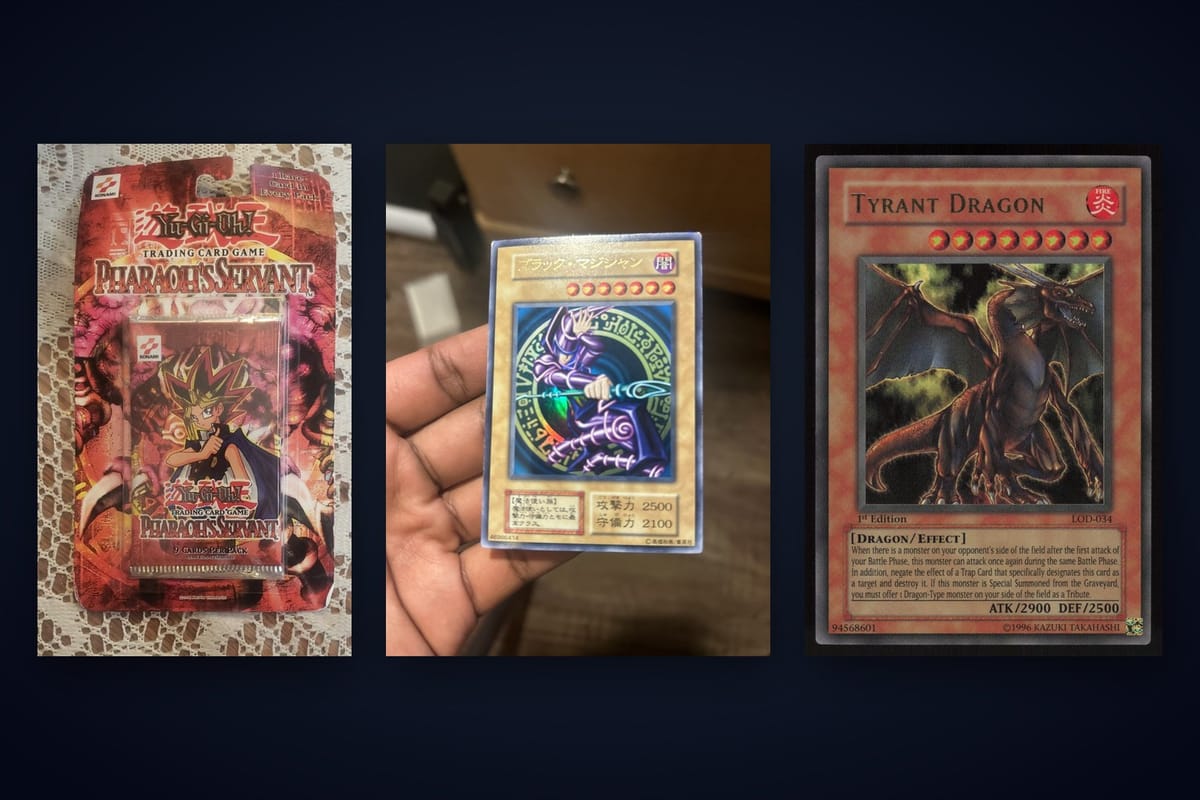
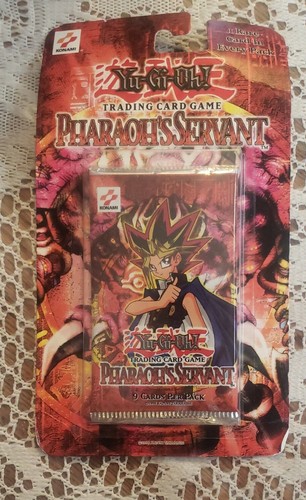
Raw vs PSA 10 value (biggest grading premium) — live data from Midpoint's card database, as of 2026-08-20. Prices move; Midpoint refreshes these daily.
| Card | Raw | PSA 10 | Gem premium | |
|---|---|---|---|---|
 |
Blister Pack YuGiOh Pharaoh's Servant |
$35.00 | $4,862 | 138.9× |
 |
Dark Magician YuGiOh Japanese Vol.1 |
$93.09 | $11,000 | 118.2× |
![Tyrant Dragon [1st Edition] LOD-034 YuGiOh Legacy of Darkness card](https://i.ebayimg.com/images/g/YfoAAeSwC1pqKz8P/s-l500.jpg) |
Tyrant Dragon [1st Edition] LOD-034 YuGiOh Legacy of Darkness |
$25.00 | $2,399 | 96× |
![Malacoda, Netherlord of the Burning Abyss [Ghost Rare 1st Edition] SECE-EN085 YuGiOh Secrets of Eternity card](https://i.ebayimg.com/images/g/CMoAAeSwszlpgZqV/s-l500.jpg) |
Malacoda, Netherlord of the Burning Abyss [Ghost Rare 1st Edition] SECE-EN085 YuGiOh Secrets of Eternity |
$25.95 | $2,199 | 84.7× |
![Blue-Eyes White Dragon [1st Edition] SDK-001 YuGiOh Starter Deck: Kaiba card](https://i.ebayimg.com/images/g/sYgAAeSwYaxqUuBZ/s-l500.jpg) |
Blue-Eyes White Dragon [1st Edition] SDK-001 YuGiOh Starter Deck: Kaiba |
$343.75 | $29,100 | 84.7× |
![Dark Magician [1st Edition] SDY-006 YuGiOh Starter Deck: Yugi card](https://i.ebayimg.com/images/g/krQAAeSwMwFqfau-/s-l500.jpg) |
Dark Magician [1st Edition] SDY-006 YuGiOh Starter Deck: Yugi |
$205.38 | $14,952 | 72.8× |
![Heavy Storm [1st Edition] MRD-E142 YuGiOh Metal Raiders card](https://i.ebayimg.com/images/g/TUAAAeSwMm1qOFZn/s-l500.jpg) |
Heavy Storm [1st Edition] MRD-E142 YuGiOh Metal Raiders |
$25.45 | $1,851 | 72.8× |
![Toon Summoned Skull [1st Edition] MRL-073 YuGiOh Magic Ruler card](https://i.ebayimg.com/images/g/C3gAAeSw0ZZqVZxw/s-l500.jpg) |
Toon Summoned Skull [1st Edition] MRL-073 YuGiOh Magic Ruler |
$25.20 | $1,826 | 72.5× |
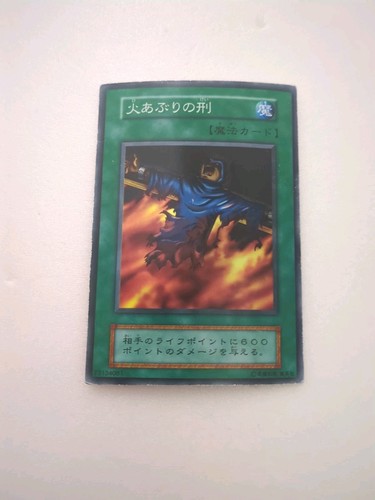 |
Final Flame YuGiOh Japanese Vol.2 |
$30.39 | $2,023 | 66.6× |
 |
Swords of Revealing Light YuGiOh Japanese Vol.2 |
$29.38 | $1,941 | 66.1× |
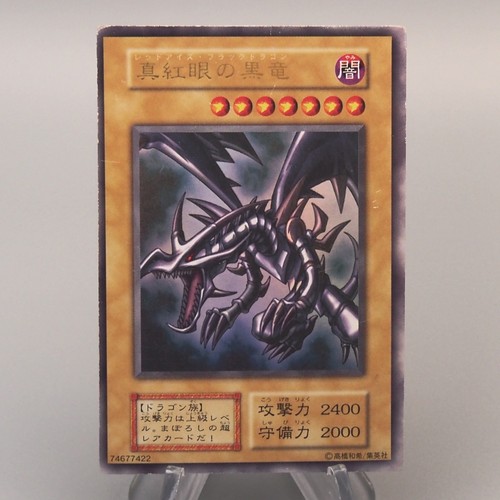 |
Red-Eyes Black Dragon YuGiOh Japanese Vol.3 |
$85.63 | $5,571 | 65.1× |
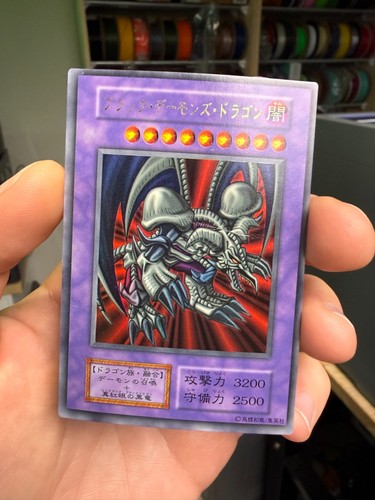 |
Black Skull Dragon YuGiOh Japanese Vol.5 |
$25.00 | $1,608 | 64.3× |
Look up any card's current raw and graded value in Midpoint — and get an estimated grade before you pay to submit.
1. Vintage 1st Edition Cards Often Yield The Biggest Graded Premiums
First Edition cards from classic sets like Legend of Blue Eyes White Dragon (LOB), Metal Raiders (MRD), and Magician’s Force (MRL) are highly sought after for grading profit. Their scarcity and nostalgia contribute to strong demand, especially in PSA 10 condition.
For example, the 1st Edition Blue-Eyes White Dragon (LOB-001) raw price is around $450, but a PSA 10 graded copy can sell for significantly more, sometimes exceeding $5,000, representing a substantial premium. Similarly, Dark Magician (LOB-005) and Summoned Skull (LOB-027) often show notable increases once graded.
- Target early print runs with 1st Edition stamps for best ROI.
- Use digital centering tools like Midpoint to estimate grade before submission.
- Ensure edges and surface quality are pristine to maximize chances for PSA 10.
2. Ghost Rare, Starlight Rare, Ultimate Rare & Collector Rare Cards
These special rarities are designed to be visually appealing and collectible, which can translate into higher graded values. Ghost Rare cards, with their holographic, transparent foil, often command some of the highest premiums.
For example, the Ghost Rare "Blue-Eyes Alternative White Dragon" from the Legendary Duelists set has a raw value around $150 but can sell for significantly more in PSA 10. Starlight Rares, like the "Dark Magician Girl" from the Duelist Saga, also often see multiple times premiums when graded.
- Check grading company preferences since some graders grade these rarities differently.
- Condition is important: surface scratches or centering issues can reduce value.
3. Tournament Prize Cards and Ultra-Rare Promos
Tournament prize cards and ultra-rare promos are often limited in supply, making them sought-after once graded. Cards like "Cyber-Stein" prize card or "Shonen Jump" promos can see value increases after PSA 10 grading.
Because these cards are often older and fragile, grading them can be risky but potentially rewarding. The premium depends heavily on grade population reports—cards with few PSA 10 copies tend to command higher prices.
- Verify authenticity and condition carefully before submitting.
- Use apps like Midpoint to pre-grade and measure centering precisely.
4. Condition Differences: PSA 9 vs PSA 10 Value Gaps
The difference between a PSA 9 and PSA 10 can be significant. For many Yu-Gi-Oh! cards worth more graded, the PSA 10 premium reflects near perfection in centering, edges, corners, and surface.
For instance, a PSA 9 1st Edition "Blue-Eyes White Dragon" might sell for around $1,200, but a PSA 10 version could be valued higher, sometimes exceeding $5,000. This difference underscores why knowing your card’s precise condition before grading is important.
- Use AI-based grading tools to simulate grades and avoid costly surprises.
- Focus submissions on cards with near-flawless centering and no surface defects.
5. Raw Price vs Grading Fee vs Resale Spread ROI Math
Before sending a card for grading, compare the raw market price, estimated grading fees (often $20-$50 per card), and the expected resale premium. A card priced $100 raw that might sell for $300 graded is generally a better candidate than a $10 raw card that only appreciates to $25 graded.
Midpoint’s digital grading estimates and portfolio tracking features can help you calculate potential ROI and decide which cards are worth grading for profit.
- Factor in turnaround time and submission costs.
- Prioritize cards with at least a 2-3x post-grade value increase.
6. Sets and Printings That Matter Most: LOB, MRD, MRL, SDY, and More
Besides LOB, sets like Metal Raiders (MRD), Magician’s Force (MRL), and Starter Deck Yugi (SDY) include some of the most valuable graded cards. Early sets have lower print runs and high collector demand, especially in 1st Edition.
Collectors also prize cards from the early Duelist League promos and Tournament Series, which are rare and often undergraded in raw condition.
- Check Midpoint’s database for specific card values by set and printing.
- Focus on early printings with 1st Edition stamps for highest premiums.
7. Which Grader to Use: PSA vs CGC vs BGS
PSA remains the most recognized grader for Yu-Gi-Oh! due to its market recognition and consistent price premiums. However, BGS is favored by some due to their subgrades and thicker slabs, which can help preserve condition.
CGC is newer to Yu-Gi-Oh! grading but offers competitive pricing and quick turnaround, appealing to budget-conscious collectors.
- PSA 10 grades generally fetch the highest resale prices.
- BGS can be better for cards with slight imperfections by highlighting strong subgrades.
- Use Midpoint’s grading scale comparison guide to choose the best grader: Grading Scale Differences by Company.
8. Cards Usually Not Worth Grading: Commons, Rares, Reprints, and Damaged Modern Cards
Common cards, standard rares, and many modern reprints rarely see a return on grading fees because their raw values are low and demand for graded versions is limited.
Additionally, cards with obvious damage or heavy wear will almost never reach PSA 9 or 10, so grading is unlikely to increase value.
- Focus resources on high-demand cards with strong raw market prices.
- Use Midpoint’s AI grading estimates to filter out low-value candidates.
9. Misprints, Miscuts, and Niche Cards That Can Gain Value When Graded
Misprints and miscuts are a niche but potentially interesting market segment. These anomalies are rare and can increase value if graded and authenticated correctly.
For example, a miscut "Blue-Eyes White Dragon" that’s graded PSA 9 or 10 may attract collectors seeking unique cards, sometimes exceeding normal card values.
- Document and photograph anomalies before submission.
- Consider third-party authentication alongside grading.
Conclusion
Deciding on Yu-Gi-Oh! cards worth more graded requires a blend of market knowledge, condition assessment, and smart grading strategy. Vintage 1st Edition cards from LOB, MRD, and MRL sets, plus special rarities like Ghost Rares and Tournament Prize cards, often offer the biggest premiums when graded PSA 10. Using tools like Midpoint to digitally estimate grading outcomes and measure centering can help save money and target the best candidates for submission.
Remember to evaluate grading fees against potential resale gains and focus on cards with pristine condition for maximum ROI. Avoid grading commons, heavily damaged cards, and low-demand reprints. Finally, choose your grader carefully based on the card type and market preferences to get the best resale value.
FAQ
Q: What Yu-Gi-Oh! cards are worth the most when graded?
A: Vintage 1st Edition cards from early sets like LOB, MRD, and MRL, plus Ghost Rare, Starlight Rare, and Tournament Prize cards, often command the highest graded prices, especially in PSA 10 condition.
Q: Is it worth grading old Yu-Gi-Oh! cards to sell?
A: Yes, if the card is rare, in excellent condition, and from a valuable set. Grading can multiply value, but fees and condition must be factored in.
Q: Which Yu-Gi-Oh! sets and rarities should I grade?
A: Focus on 1st Edition prints from LOB, MRD, MRL, and SDY sets, plus special rarities like Ghost Rare, Starlight Rare, and Tournament Prize cards for the best returns.
Q: Should I grade Ghost Rares or Starlight Rares?
A: Yes, these rarities often see significant value increases after PSA 10 grading due to their collectible appeal and limited supply.
Q: Is PSA or CGC better for Yu-Gi-Oh! cards?
A: PSA is the most recognized and usually yields the highest premiums. CGC offers competitive pricing and faster service but is newer to Yu-Gi-Oh! grading.
Q: How do I know if my Yu-Gi-Oh! card will get a PSA 10?
A: Use AI-driven tools like Midpoint to digitally assess centering, edges, corners, and surface condition before submitting to estimate the likelihood of a PSA 10 grade.
Free to start
Try the Midpoint app
Grade any card from a photo, see its raw and PSA 10 value, and track what your collection is worth — free.
Get it on iPhoneGet it on Android


