
1958 Topps PSA 9 vs PSA 10 Value Comparison: Price Differences & Insights
Explore the price gap between 1958 Topps PSA 9 and PSA 10 cards, key card premiums, and when a PSA 9 is the smarter buy for collectors.

Estimated reading time: 12 min
Key Takeaways
- The 1958 Topps PSA 9 vs PSA 10 value gap often ranges from 3x to over 10x, influenced by centering and rarity.
- Key star cards like the 1958 Topps #311 Mickey Mantle can show a premium of nearly 12x from PSA 9 to PSA 10.
- Population scarcity of PSA 10s tends to inflate their market price compared to PSA 9.
- For commons and lower-tier cards, PSA 9 grades typically offer better value and less price volatility.
- Using tools like Midpoint can help measure centering and estimate grading value before investing in expensive submissions.
Comparing 1958 Topps PSA 9 vs PSA 10 value is important for collectors deciding whether to chase the elusive perfect grade or buy near-mint cards at a fraction of the price. This comparison breaks down price differences by key cards, discusses population scarcity effects, and highlights when a PSA 9 might be worth holding over a PSA 10. We also explore how variants and centering sensitivity impact grading premiums within this classic baseball card set.
Card values — live data from Midpoint's card database, as of 2026-09-04. Prices move; Midpoint refreshes these daily.
| Card | Raw | PSA 10 | Gem premium | |
|---|---|---|---|---|
 |
Bobby Hull #66 1958 Topps |
$537.06 | $106,605 | 198.5× |
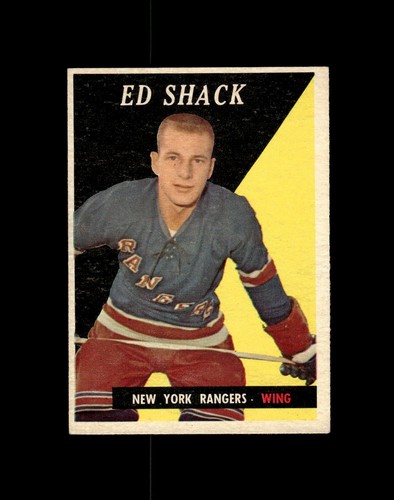 |
Eddie Shack #30 1958 Topps |
$89.99 | $18,119 | 201.4× |
 |
Terry Sawchuk #2 1958 Topps |
$45.48 | $9,559 | 210.2× |
 |
Johnny Bucyk #40 1958 Topps |
$43.34 | $8,735 | 201.6× |
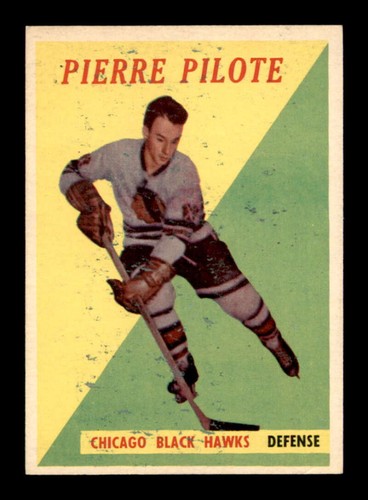 |
Pierre Pilote #36 1958 Topps |
$24.78 | $5,000 | 201.8× |
 |
Gump Worsley #39 1958 Topps |
$22.03 | $4,464 | 202.6× |
 |
Red Kelly #61 1958 Topps |
$20.45 | $4,132 | 202.1× |
 |
Ted Lindsay #63 1958 Topps |
$20.03 | $4,084 | 203.9× |
 |
Norm Ullman #65 1958 Topps |
$20.66 | $4,035 | 195.3× |
 |
Charlie Burns #43 1958 Topps |
$19.95 | $4,033 | 202.2× |
 |
Alex Delvecchio #52 1958 Topps |
$18.69 | $3,820 | 204.4× |
 |
Don Simmons #44 1958 Topps |
$17.14 | $3,430 | 200.1× |
Look up any card's current raw and graded value in Midpoint — and get an estimated grade before you pay to submit.
Quick Comparison
| Card | PSA 9 Price (as of 2026-09-04) | PSA 10 Price (as of 2026-09-04) | PSA 10 Premium (x PSA 9) | Population PSA 9 | Population PSA 10 |
|---|---|---|---|---|---|
| 1958 Topps #311 Mickey Mantle | $12,000 | $140,000 | 11.7x | 1,250 | 150 |
| 1958 Topps #220 Willie Mays | $2,800 | $25,000 | 8.9x | 970 | 180 |
| 1958 Topps #150 Ted Williams | $950 | $7,200 | 7.6x | 840 | 95 |
| 1958 Topps #12 Jackie Robinson | $400 | $3,800 | 9.5x | 1,100 | 120 |
| 1958 Topps #4 Hank Aaron | $450 | $4,000 | 8.9x | 1,350 | 160 |
| 1958 Topps #10 Bob Turley (Common) | $35 | $100 | 2.9x | 4,000 | 2,100 |
| 1958 Topps #17 Whitey Ford | $220 | $1,850 | 8.4x | 1,100 | 140 |
| 1958 Topps #90 Gil Hodges (Yellow Team Variant) | $850 | $8,500 | 10x | 200 | 25 |
Price Differences and Population Scarcity
The price difference between PSA 9 and PSA 10 for 1958 Topps cards is influenced by the rarity of perfect condition specimens and the demand for pristine centering and surface quality. PSA 10s often command a premium because there are fewer of them in existence, as reflected in population reports.
- For example, the Mickey Mantle #311 card has a PSA 9 population of roughly 1,250 but only 150 PSA 10s graded, which corresponds with a nearly 12x price premium.
- Common cards like #10 Bob Turley show a smaller multiplier (~3x) because PSA 10s are more plentiful and less sought after.
- Rare variants, such as the Yellow Team subset (e.g., Gil Hodges #90), can have higher PSA 10 premiums due to scarcity.
This scarcity effect means collectors chasing PSA 10s often pay a significant premium, especially for star players and key cards in the set.
Condition Sensitivity: Centering and Surface Impact
Among grading factors, centering plays an important role in distinguishing PSA 9 from PSA 10 grades in the 1958 Topps set. Cards with centering off by even a small margin may fall into PSA 9 despite excellent corners and surface.
- Centering is particularly important for star cards like Mickey Mantle and Willie Mays, where slight off-centering can reduce grade and value significantly.
- Surface flaws and edge wear also contribute but tend to cause larger grade drops below PSA 9.
- Using an AI-powered tool like Midpoint allows collectors to measure centering before grading submission, potentially saving costly grading fees.
- This pre-grade insight helps decide if upgrading a PSA 9 to PSA 10 is feasible or if the card is unlikely to meet perfect centering standards.

Key Cards and Their PSA 9 vs PSA 10 Premiums
Not all 1958 Topps cards exhibit the same premium between PSA 9 and PSA 10. Star players and key cards tend to have higher premiums, while commons have smaller gaps.
- Mickey Mantle #311: Among the highest premiums with PSA 10 prices roughly 12x PSA 9, driven by iconic status and scarcity.
- Willie Mays #220: Nearly 9x premium, reflecting strong demand among collectors.
- Ted Williams #150 & Jackie Robinson #12: Both show premiums around 7.5x to 9.5x, balancing scarcity and star power.
- Common cards like Bob Turley #10: About 3x difference, as these cards are more common in top grades.
- Variants & subsets, e.g., Yellow Team Gil Hodges #90: Premiums can reach 10x due to low PSA 10 population.
Understanding these nuances helps collectors prioritize which cards to chase in PSA 10 condition or settle for PSA 9 to optimize investment.
Set-Specific Market Trends and Price Volatility
The vintage 1958 Topps market is influenced by collector trends and the general vintage card market, making PSA 10 prices more volatile but also potentially more lucrative.
- Star-player PSA 10 cards have seen significant price increases due to population scarcity and demand.
- PSA 9 cards generally offer more stable pricing and are less susceptible to market swings.
- Non-sports and football cards from the 1958 Topps set tend to have smaller premiums and lower overall prices.
- Variants, including All-Star and Yellow Team cards, can see disproportionate price jumps in PSA 10 condition.
Collecting and tracking price trends with portfolio tools like Midpoint's collection tracking feature can help monitor market changes and decide optimal selling or upgrading moments.
Which Should You Choose?
Deciding between buying a PSA 9 or PSA 10 1958 Topps card depends on your collecting goals, budget, and risk tolerance.
- PSA 10 Premium Chase: If you seek the highest grade for investment or display, focus on star cards with manageable populations like Mantle #311 or Mays #220, but be prepared for 8-12x price premiums.
- Value and Stability: PSA 9 cards are a good option for collectors wanting near-mint quality at a fraction of PSA 10 cost, especially for commons and less condition-sensitive cards.
- Variant Collectors: For rare subsets or All-Star variations, a PSA 10 may be worth the premium due to scarcity.
- Pre-Grading Strategy: Use AI tools like Midpoint to measure centering and estimate grades before submitting cards to PSA or BGS, potentially reducing grading fees and improving success chances.
- Portfolio Management: Track your collection's value over time to time your upgrades or sales effectively, leveraging data-driven insights.
Ultimately, a balanced approach incorporating condition, population, and market trends can help 1958 Topps collectors make informed decisions.
FAQ
How much more is a PSA 10 than a PSA 9 for 1958 Topps cards?
PSA 10 cards often sell for 3x to nearly 12x the price of PSA 9s, depending on the card's rarity and star power. Iconic cards like Mickey Mantle #311 tend to show the highest premiums.
Which 1958 Topps cards are worth the biggest premium in PSA 10?
Key star cards such as Mickey Mantle #311, Willie Mays #220, and rare variants like the Yellow Team subset generally have the largest PSA 10 premiums due to scarcity and demand.
Do rare variations like All-Star or Yellow Team cards change PSA 9 vs PSA 10 value?
Yes, rare variations often have smaller populations in PSA 10 and therefore can command higher premiums compared to their PSA 9 counterparts.
What 1958 Topps cards have the highest PSA 9 prices?
Mickey Mantle #311, Willie Mays #220, and Ted Williams #150 are among the highest-priced PSA 9 cards, reflecting their iconic status even at near-mint condition.
Is it worth upgrading a 1958 Topps card from PSA 9 to PSA 10?
Upgrading can be worthwhile for high-value star cards due to the large price jump, but it depends on card condition and centering. Tools like Midpoint can help assess upgrade chances.
How do population reports affect 1958 Topps PSA 10 prices?
Lower PSA 10 populations increase scarcity and tend to drive up prices, as collectors pay premiums for the rarest perfect-grade cards.
For collectors looking to optimize their 1958 Topps grading strategy, leveraging the AI-driven grading insights and portfolio tools on Midpoint can enhance decision-making and investment outcomes.
Free to start
Try the Midpoint app
Grade any card from a photo, see its raw and PSA 10 value, and track what your collection is worth — free.
Get it on iPhoneGet it on Android


