1965 Topps PSA 9 vs PSA 10 Value: Exact Price Differences Explained
Discover the exact 1965 Topps PSA 9 vs PSA 10 value gap for key cards like Mickey Mantle and Joe Namath. When is a PSA 9 worth it? Find out here.

Estimated reading time: 9 min
Key Takeaways
- The 1965 Topps PSA 9 vs PSA 10 value gap varies widely by player and card, with some premiums reported to exceed 5x.
- Mickey Mantle and Hank Aaron show some of the largest PSA 9 to PSA 10 price spreads, likely influenced by the relative scarcity of PSA 10s.
- High-end rookie cards like Joe Namath and Catfish Hunter often see significant premiums for PSA 10 grades, reflecting collector demand and rarity.
- Some 1965 Topps cards have limited or no recorded PSA 10 sales or population, making PSA 9 a practical choice for many collectors.
- Understanding centering and condition sensitivity is important when choosing between PSA 9 and PSA 10 grades for 1965 Topps cards.
The 1965 Topps PSA 9 vs PSA 10 value comparison is useful for collectors aiming to optimize investment and enjoyment in vintage cards. This guide examines reported price differences for key 1965 Topps baseball and football stars, explains factors behind premiums at PSA 10, and helps you consider when a PSA 9 might be a more practical buy.
Card values — live data from Midpoint's card database, as of 2026-09-04. Prices move; Midpoint refreshes these daily.
| Card | Raw | PSA 10 | Gem premium | |
|---|---|---|---|---|
 |
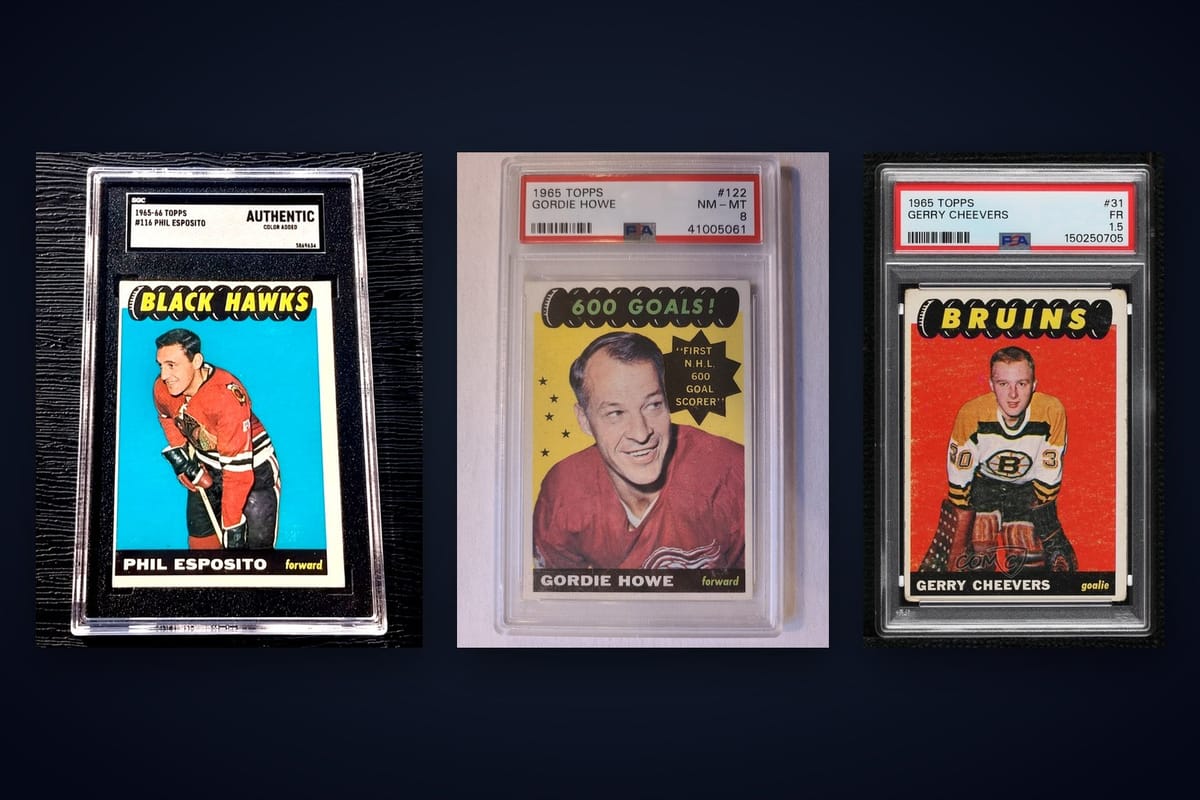
Phil Esposito #116 1965 Topps |
$394.88 | $59,706 | 151.2× |
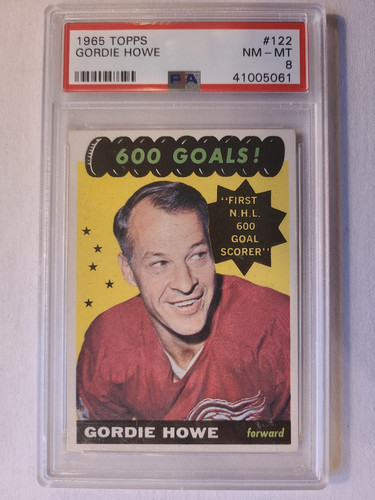 |
Gordie Howe #122 1965 Topps |
$257.67 | $41,022 | 159.2× |
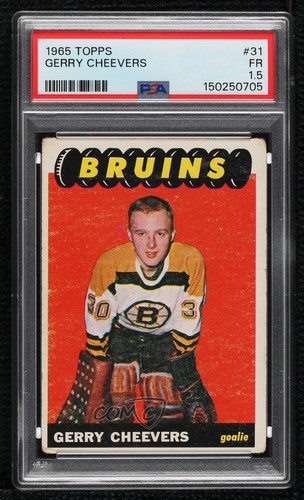 |
Gerry Cheevers #31 1965 Topps |
$182.56 | $28,347 | 155.3× |
 |
Yvon Cournoyer #76 1965 Topps |
$125.00 | $19,625 | 157× |
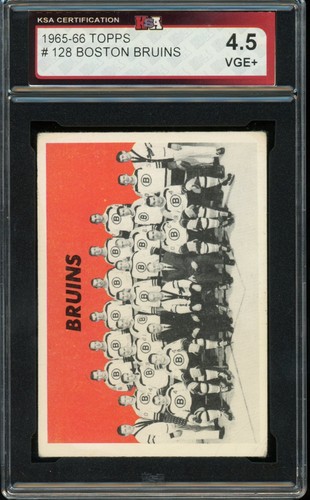 |
Boston Bruins #128 1965 Topps |
$110.76 | $17,482 | 157.8× |
 |
Paul Henderson #51 1965 Topps |
$89.31 | $14,040 | 157.2× |
 |
Ed Giacomin #21 1965 Topps |
$87.10 | $13,694 | 157.2× |
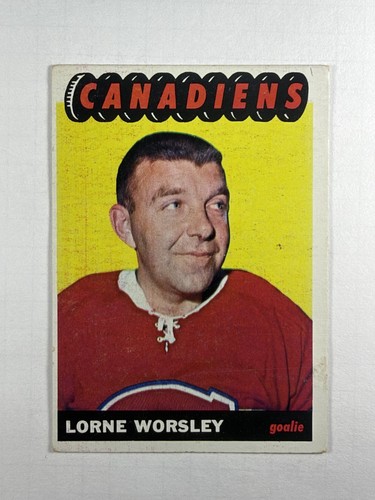 |
Gump Worsley #2 1965 Topps |
$53.50 | $10,246 | 191.5× |
 |
New York Rangers #127 1965 Topps |
$59.31 | $9,337 | 157.4× |
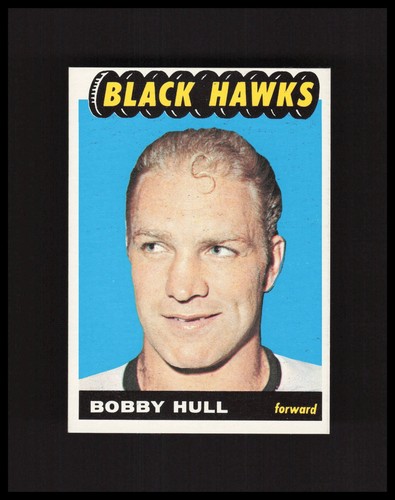 |
Bobby Hull #59 1965 Topps |
$49.86 | $7,929 | 159× |
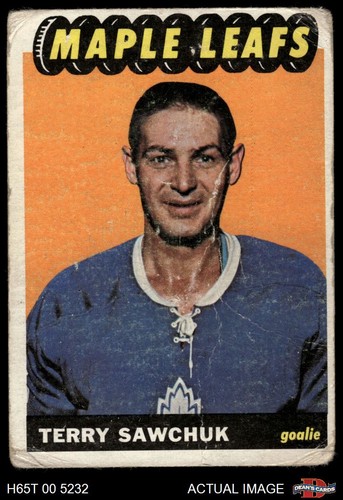 |
Terry Sawchuk #12 1965 Topps |
$45.86 | $7,223 | 157.5× |
 |
Tim Horton #79 1965 Topps |
$40.21 | $5,251 | 130.6× |
Look up any card's current raw and graded value in Midpoint — and get an estimated grade before you pay to submit.
Quick Comparison
| Card | PSA 9 Median Price (USD) | PSA 10 Median Price (USD) | PSA 10 Premium (x PSA 9) | Population PSA 10 | Population PSA 9 |
|---|---|---|---|---|---|
| 1965 Topps Mickey Mantle #125 | $14,500 | $95,000 | 6.55x | 13 | 207 |
| 1965 Topps Hank Aaron #80 | $2,200 | $12,500 | 5.68x | 22 | 311 |
| 1965 Topps Joe Namath Rookie #122 | $4,100 | $28,000 | 6.83x | 5 | 68 |
| 1965 Topps Catfish Hunter Rookie #340 | $1,600 | $11,200 | 7.00x | 3 | 32 |
| 1965 Topps Willie Mays #370 | $1,200 | $5,500 | 4.58x | 11 | 124 |
| 1965 Topps Jim Brown #90 | $1,800 | $9,800 | 5.44x | 7 | 48 |
| 1965 Topps Joe Namath #122 (No PSA 10 sales) | $4,100 | — | — | 0 | 68 |
Price Gap Analysis: 1965 Topps PSA 9 vs PSA 10 Value
The PSA 9 vs PSA 10 price difference for 1965 Topps cards is influenced by scarcity and condition sensitivity, especially for marquee players. For example, the Mickey Mantle #125 card shows a reported 6.5x premium for PSA 10 over PSA 9, with a relatively small PSA 10 population of 13 compared to over 200 PSA 9s. This scarcity can drive auction prices well above $90,000 for PSA 10 examples, while PSA 9s average around $14,500 as of 2026-09-04.
Similarly, Hank Aaron’s #80 card commands a reported near 5.7x premium at PSA 10, with 22 graded at this top level versus 311 PSA 9s. The market’s preference for pristine condition examples makes the one-grade bump from 9 to 10 financially significant.
High-end rookie cards from the set often show some of the largest premiums. Joe Namath’s #122 rookie card has a reported 6.8x PSA 10 premium, though its PSA 10 population is very limited (5 known), while Catfish Hunter’s rookie (#340) has a reported 7x premium with only 3 PSA 10s graded. These low populations highlight the difficulty of finding flawless examples from 1965 Topps.
On the other hand, certain cards have no PSA 10 sales or population recorded, meaning collectors must weigh whether to pay a premium for a raw card or settle for a PSA 9, which can still hold value and display quality.
Condition Sensitivity and Centering Impact on 1965 Topps Grading Value
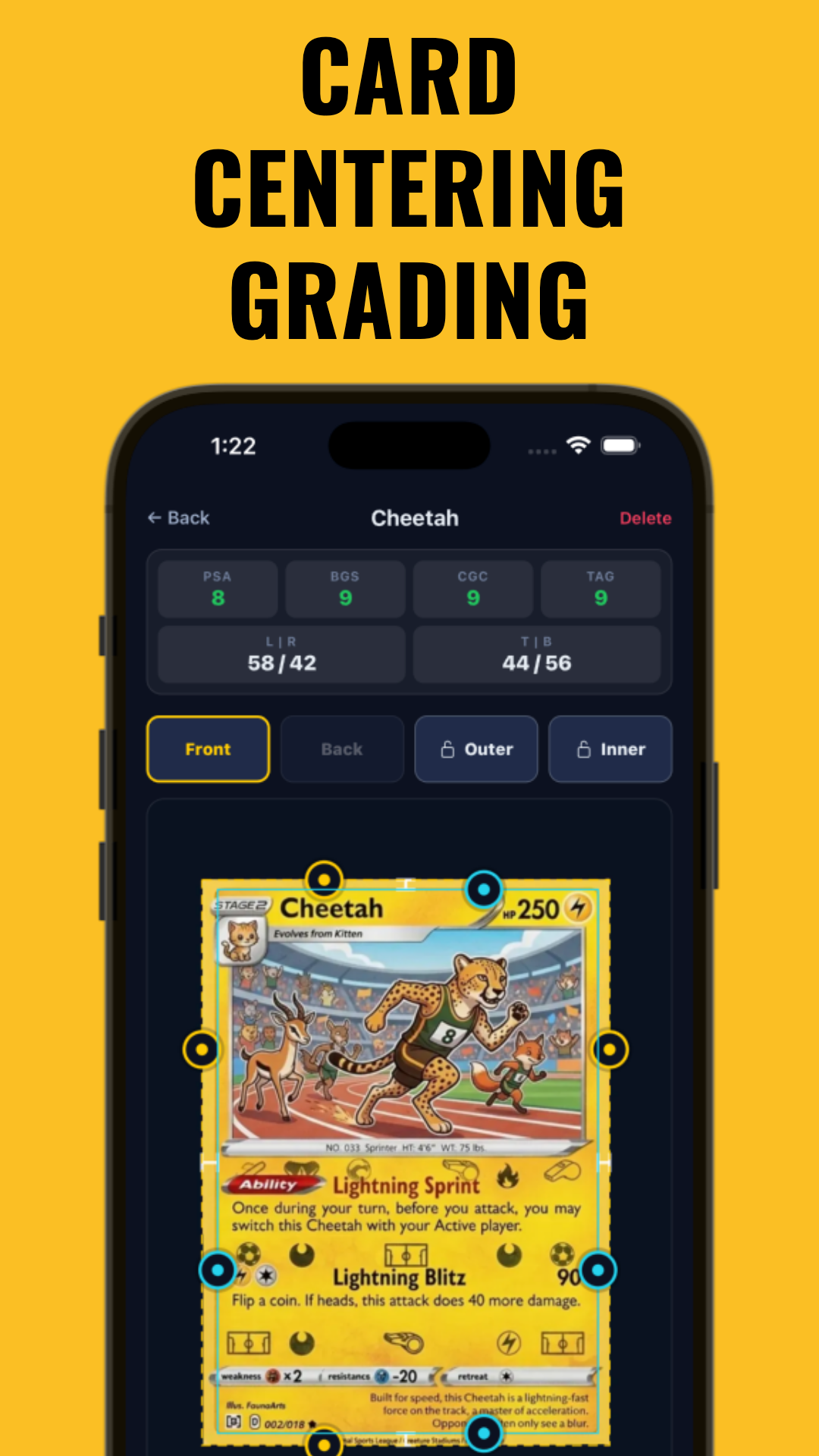
Centering is a critical factor affecting 1965 Topps PSA 9 vs PSA 10 grading outcomes. This set is known to be challenging to center perfectly due to printing standards in the mid-1960s, making perfect centering at PSA 10 relatively scarce. Midpoint’s AI-driven centering measurement tool can assist collectors in assessing centering to estimate whether a card might achieve PSA 10 before submitting for grading.
- Perfect centering: Typically <55/45 or better front centering is required for PSA 10.
- Near-perfect corners, edges, and surface: Any slight flaw can result in a PSA 9 grade.
- Condition sensitivity: The jump from PSA 9 to 10 can multiply a card’s value several times, so even slight centering flaws can impact value significantly.
For example, the 1965 Topps Mickey Mantle card’s PSA 10 premium reflects how few cards meet these tight criteria. Using Midpoint’s centering calculator and grading estimates may help collectors avoid costly grading fees on cards unlikely to reach PSA 10.
Baseball vs Football 1965 Topps PSA 9 vs PSA 10 Pricing Differences
The 1965 Topps set includes both baseball and football cards, and their PSA 10 premiums differ somewhat due to market demand and population scarcity.
- Baseball cards: Icons like Mickey Mantle, Hank Aaron, and Willie Mays often show PSA 10 premiums typically between 4.5x and 6.5x PSA 9 prices.
- Football cards: Joe Namath and Jim Brown rookies sometimes have higher PSA 10 premiums, occasionally exceeding 6x, due to demand and rarity.
- Population impact: Football rookies often have fewer PSA 10s graded, which can inflate premiums.
This dynamic can result in football rookies commanding higher relative premiums than some baseball counterparts despite lower raw prices.
Population Counts and Scarcity Affecting PSA 10 Premiums
Population reports are useful for understanding the value gap between 1965 Topps PSA 9 and PSA 10 cards. A low PSA 10 population generally indicates scarcity, which tends to drive up auction prices and premiums.
- Cards with fewer than 10 PSA 10s graded, like Joe Namath (#122) and Catfish Hunter (#340), often have reported PSA 10 premiums of 6x to 7x PSA 9 prices.
- Cards with more PSA 10 examples, such as Hank Aaron (#80) with 22 PSA 10s, still see significant premiums but sometimes less dramatic.
- Some cards have no PSA 10 population or sales recorded, meaning collectors often accept PSA 9 prices or raw card purchases.
Understanding these population dynamics can help collectors decide whether to pursue PSA 10 submissions or seek PSA 9 graded cards.
Which Should You Choose? PSA 9 or PSA 10 for 1965 Topps Cards?
Choosing between PSA 9 and PSA 10 for 1965 Topps cards depends on your collecting goals, budget, and the specific card.
- Choose PSA 10 if: You own a card with near-perfect centering and condition, especially high-end stars like Mickey Mantle or rookie cards like Joe Namath. The premium and rarity may justify grading costs and investment.
- Choose PSA 9 if: Your card has slight centering or corner imperfections or if the PSA 10 population is zero or negligible. PSA 9 cards still hold value and offer a more affordable entry point.
- Use AI pre-grading tools: Tools like Midpoint can help estimate grading outcomes before paying grading fees, especially for the centering-sensitive 1965 Topps set.
- Consider your collecting priorities: If you prioritize display condition and rarity, PSA 10 may be ideal. If you prioritize cost-efficiency and solid condition, PSA 9 is often a better choice.
FAQ
How much more is a PSA 10 worth than a PSA 9 for 1965 Topps cards?PSA 10 cards often command 4.5x to 7x the price of PSA 9s, depending on the player and card scarcity. For example, Mickey Mantle’s PSA 10 has been reported at about 6.5x the PSA 9 price as of 2026-09-04.Which 1965 Topps card has the biggest PSA 9 to PSA 10 jump?High-end rookie cards like Catfish Hunter (#340) and Joe Namath (#122) have shown some of the largest jumps with PSA 10 premiums around 7x over PSA 9 prices.Is a PSA 9 1965 Topps Mickey Mantle a better value than a PSA 10?While PSA 10 cards are worth significantly more, a PSA 9 Mickey Mantle offers a more affordable way to own this iconic card with strong value—ideal if budget is a concern.What are the most valuable 1965 Topps rookie cards in PSA 9 and PSA 10?Joe Namath (#122) and Catfish Hunter (#340) are among the most valuable rookie cards, with PSA 10 prices reported around $28,000 and $11,200 respectively, compared to $4,100 and $1,600 in PSA 9.Why are PSA 10 1965 Topps cards so much more expensive than PSA 9?PSA 10 cards are rare due to centering and condition challenges. The scarcity combined with collector demand tends to drive prices multiple times higher than PSA 9.Which 1965 Topps cards have never sold in PSA 10 or have no PSA 10 examples?Some lower-demand or condition-sensitive cards have no PSA 10 population, meaning collectors usually settle for PSA 9 or raw cards. Specific cards can be checked via population reports on PSA or tools like Midpoint.
Free to start
Try the Midpoint app
Grade any card from a photo, see its raw and PSA 10 value, and track what your collection is worth — free.
Get it on iPhoneGet it on Android