1969 Topps PSA 9 vs PSA 10 Value: Detailed Comparison & Insights
Explore the 1969 Topps PSA 9 vs PSA 10 value gap, key cards with biggest premiums, and when a PSA 9 is the smarter buy for collectors.

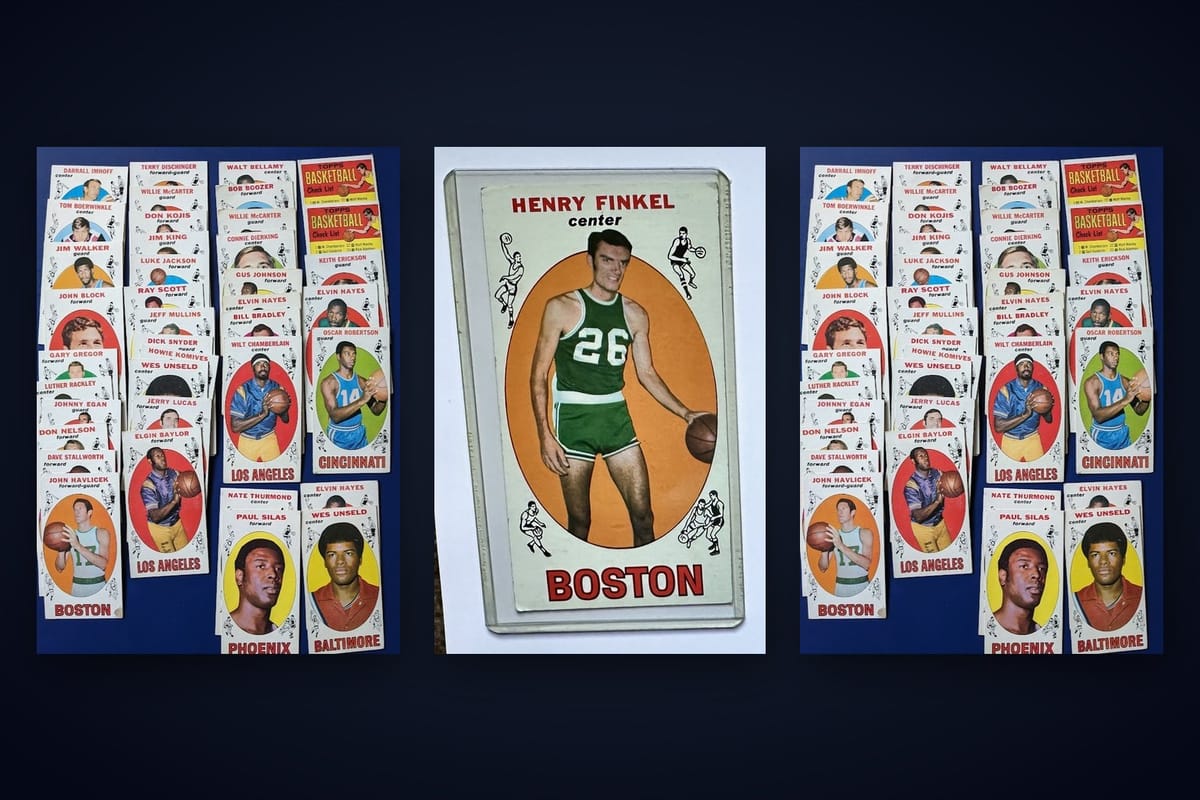
Estimated reading time: 9 min
Key Takeaways
- The price gap between 1969 Topps PSA 9 and PSA 10 cards can range from modest to significant, often influenced by centering and population scarcity.
- Iconic stars like Nolan Ryan (#177) and Reggie Jackson (#177) often show PSA 10 premiums exceeding 2x PSA 9 prices.
- Some rookies and less iconic cards have tighter PSA 9 vs PSA 10 price differences, making PSA 9 a solid value choice.
- Grading 1969 Topps cards can be worthwhile if the card can achieve a PSA 10, but a PSA 9 still holds strong market value for many key cards.
- Using tools like Midpoint for AI-based centering and grading estimates can help avoid costly grading mistakes.
The 1969 Topps PSA 9 vs PSA 10 value comparison is important for collectors looking to understand when paying extra for a gem mint PSA 10 makes sense and which cards have the steepest price premiums. This analysis includes card-specific price gaps, population rarity insights, and grading value considerations to help you decide whether a PSA 9 is worth it or if chasing PSA 10 grades is justified.
Card values — live data from Midpoint's card database, as of 2026-07-11. Prices move; Midpoint refreshes these daily.
| Card | Raw | PSA 10 | Gem premium | |
|---|---|---|---|---|
 |
Tom Meschery #19 1969 Topps |
$6.49 | $10,896 | 1678.9× |
 |
Henry Finkel #34 1969 Topps |
$6.63 | $6,700 | 1010.6× |
|
Bob Boozer #89 1969 Topps |
$3.87 | $5,900 | 1524.6× |
 |
Oscar Robertson #50 1969 Topps |
$25.00 | $3,367 | 134.7× |
|
Luke Jackson #67 1969 Topps |
$3.00 | $3,086 | 1028.7× |
 |
Dave Bing #55 1969 Topps |
$21.17 | $2,699 | 127.5× |
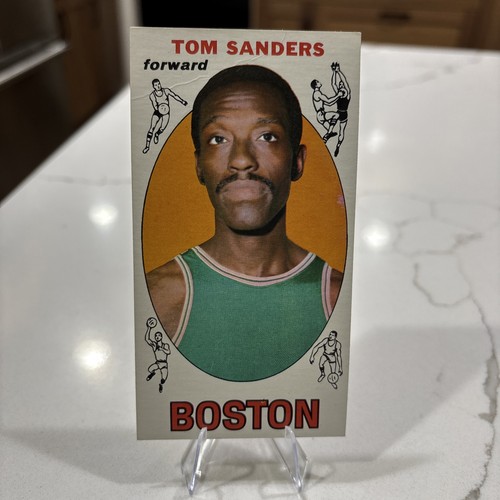 |
Tom Sanders #72 1969 Topps |
$20.78 | $2,585 | 124.4× |
|
Elgin Baylor #35 1969 Topps |
$18.75 | $2,526 | 134.7× |
Look up any card's current raw and graded value in Midpoint — and get an estimated grade before you pay to submit.
Quick Comparison
| Card | Player | PSA 9 Value | PSA 10 Value | PSA 10 Premium | Notes |
|---|---|---|---|---|---|
| #177 | Nolan Ryan | $1,100 | $2,600 | 136% | Centering critical; significant premium |
| #177 | Reggie Jackson | $850 | $1,900 | 124% | High demand star |
| #350 | Johnny Bench | $1,400 | $2,800 | 100% | Top catcher; premium for PSA 10 |
| #250 | Dave Winfield (Rookie) | $160 | $240 | 50% | Rookie; smaller gap |
| #500 | Tom Seaver | $1,800 | $3,200 | 78% | Hall of Famer; strong premium |
| #630 | Harmon Killebrew | $350 | $600 | 71% | Solid star; moderate premium |
| #370 | Willie Stargell | $140 | $210 | 50% | Popular star; modest gap |
| #100 | Reggie Smith | $70 | $115 | 64% | Less iconic; smaller premium |
PSA 9 vs PSA 10 Price Difference 1969 Topps: Card by Card Analysis
The PSA 9 vs PSA 10 value gap for 1969 Topps cards varies widely by player, card number, and condition factors like centering. For high-demand stars such as Nolan Ryan (#177) and Johnny Bench (#350), the premium for PSA 10 grades can exceed 100%, meaning collectors may pay more than double compared to PSA 9. This is often influenced by the rarity of perfectly centered cards and the iconic status of these players.
Conversely, some rookies and less iconic cards, like Dave Winfield (#250) and Willie Stargell (#370), show a narrower PSA 10 premium ranging between 50-70%. These cards still benefit from gem mint status but generally don’t command as steep a price jump.
- Nolan Ryan (#177): PSA 9 at $1,100 vs PSA 10 at $2,600 — a 136% premium primarily due to centering precision.
- Johnny Bench (#350): PSA 9 at $1,400 vs PSA 10 at $2,800 — roughly doubling in value for the gem mint grade.
- Dave Winfield Rookie (#250): PSA 9 at $160 vs PSA 10 at $240 — a more modest 50% increase reflecting lower overall demand.
Centering is a key factor behind this price gap, as cards with slight off-centering often settle at PSA 9, while perfectly centered cards fetch the PSA 10 premium. Using a precise centering tool like Midpoint’s centering calculator can help collectors estimate their card’s grading potential before expensive submission.
Population Scarcity and Gem-Mint Rarity Behind PSA 10 Prices
Population reports indicate PSA 10 1969 Topps cards are generally rarer than their PSA 9 counterparts. For example, Nolan Ryan’s #177 card has fewer PSA 10 submissions compared to PSA 9, making gem mint examples more sought after and often more expensive. This scarcity contributes to the premium.
Cards with lower population counts in PSA 10 tend to experience larger price increases, as the market values the rarity of flawless condition. Conversely, cards with higher PSA 10 populations, like some common stars or rookies, tend to have more moderate price gaps.
- Rarity of PSA 10s for iconic stars drives price premiums beyond centering alone.
- Collectors prize the perfect centering and surface condition required for PSA 10.
- Population scarcity often justifies the higher grading fees and wait times.
Raw vs Graded Value Comparisons: Seeing the Grading Upside
Raw 1969 Topps cards usually sell for significantly less than PSA 9 or PSA 10 graded copies, highlighting the value grading can add. A raw Nolan Ryan #177 in top condition might fetch only a few hundred dollars, while a PSA 9 can push over $1,000 and a PSA 10 more than $2,600.
This grading uplift is more pronounced for cards with high demand and iconic status. However, the grading risk is real; many raw cards submitted will only get PSA 7 or 8, which often have a lower market value than a high-grade raw copy.
Using AI digital grading tools like Midpoint’s digital grade estimator can provide an instant preliminary grade based on centering, corners, edges, and surface before paying for professional grading. This helps collectors decide if grading is worthwhile or if a PSA 9 might be the realistic best result.
Set-Specific Quirks Affecting 1969 Topps PSA 9 vs PSA 10 Value
The 1969 Topps set includes several iconic cards and variants that influence grading value. Cards with subtle centering variants or printing anomalies can impact whether a card earns PSA 9 or PSA 10.
- Centering: PSA 10 cards often require near-perfect centering, especially on popular cards like Nolan Ryan (#177) and Reggie Jackson (#177).
- Card Condition: Surface wear and corner sharpness are scrutinized more heavily for PSA 10 grades.
- Variants: Certain rare printing variations may affect population and pricing, but generally, centering remains a primary factor for PSA 10 premiums.
Collectors can gain an edge by studying population data and using tools such as Midpoint to assess grading chances more accurately.
Is a PSA 9 Worth It for 1969 Topps Cards?
Many collectors wonder if a PSA 9 is still a smart investment given the high premiums for PSA 10. The answer depends on the card and your collecting goals.
- For iconic players with significant premiums (e.g., Nolan Ryan #177): PSA 10 is worth chasing if you can afford it, but PSA 9 still commands substantial value above raw.
- For rookies and moderately popular stars: PSA 9 is often the more cost-effective buy, as the price gap to PSA 10 is smaller and the grading risk is lower.
- For budget-conscious collectors: PSA 9 cards offer an affordable way to own high-grade 1969 Topps cards without the extreme PSA 10 premium.
Using grading prediction tools like Midpoint can help you estimate if your card is a PSA 9 candidate or if aiming for PSA 10 is realistic, potentially saving both time and money on grading fees.
Which Should You Choose?
Your choice between PSA 9 and PSA 10 1969 Topps cards depends on your budget, collecting goals, and willingness to pay premiums for gem mint condition.
- Serious investors and high-end collectors: Prioritize PSA 10 for iconic stars with large price gaps like Nolan Ryan (#177), Johnny Bench (#350), and Tom Seaver (#500) to maximize potential long-term value.
- Value-focused collectors: PSA 9 cards offer strong value retention and a more attainable price point, especially for rookies like Dave Winfield (#250) or less iconic stars.
- New collectors and graders: Use digital grading tools such as Midpoint to pre-grade cards and avoid costly grading on cards unlikely to hit PSA 10.
- Collectors tracking portfolio value: Midpoint’s portfolio tracking feature can monitor your collection’s value over time, helping decide when to upgrade from PSA 9 to PSA 10.
Overall, both PSA 9 and PSA 10 cards have strong market demand in 1969 Topps, but the decision to pay for the PSA 10 premium should be informed by card-specific data and grading potential assessment.
FAQ
How much more is a PSA 10 worth than a PSA 9 on 1969 Topps cards?
PSA 10 cards typically command premiums ranging from around 50% to over 130% compared to PSA 9, depending on the card. For example, Nolan Ryan #177’s PSA 10 price is about 136% higher than PSA 9, while rookies like Dave Winfield #250 have a smaller 50% premium (as of 2026-07-11).
Which 1969 Topps cards have the biggest PSA 9 to PSA 10 value jump?
Cards like Nolan Ryan #177, Johnny Bench #350, and Reggie Jackson #177 often exhibit the largest price jumps, sometimes doubling in value at PSA 10 due to centering rarity and player demand.
Is it worth grading a 1969 Topps card if it might only get PSA 9?
Grading to PSA 9 can add significant value over raw cards, especially for popular stars. However, if aiming for PSA 10, using AI grading tools like Midpoint to estimate your card’s grade beforehand can help avoid grading costs on lower results.
What is the most valuable 1969 Topps PSA 10 card?
Nolan Ryan #177 PSA 10 is among the most valuable, commanding prices over $2,600 due to its iconic status and rarity in gem mint condition.
How rare is a PSA 10 1969 Topps card compared with PSA 9?
PSA 10 cards are generally rarer, often with populations several times smaller than PSA 9. This scarcity contributes to the premiums seen for gem mint grades.
Which 1969 Topps rookies or stars are worth the grading risk?
High-demand rookies like Dave Winfield (#250) and stars such as Johnny Bench (#350) and Tom Seaver (#500) are generally considered worth grading. Using Midpoint to analyze centering and surface before submission can help manage grading risk.
Free to start
Try the Midpoint app
Grade any card from a photo, see its raw and PSA 10 value, and track what your collection is worth — free.
Get it on iPhoneGet it on Android