Base PSA 9 vs PSA 10 Value: Exact Price Differences and Smart Buys
Explore the base PSA 9 vs PSA 10 value gap, price differences, and when a PSA 9 is worth it. Get precise grading insights for smarter card investing.

Estimated reading time: 9 min
Key Takeaways
- Base PSA 10 cards generally command a premium over PSA 9, but the gap varies widely by card and set.
- Some cards show a 3x to 10x price increase from PSA 9 to PSA 10, especially where centering is crucial.
- PSA 9 can be a smart buy for many base cards, offering near-raw value with less grading risk and cost.
- Modern cards tend to have smaller PSA 9 vs PSA 10 premiums than vintage or low-population cards.
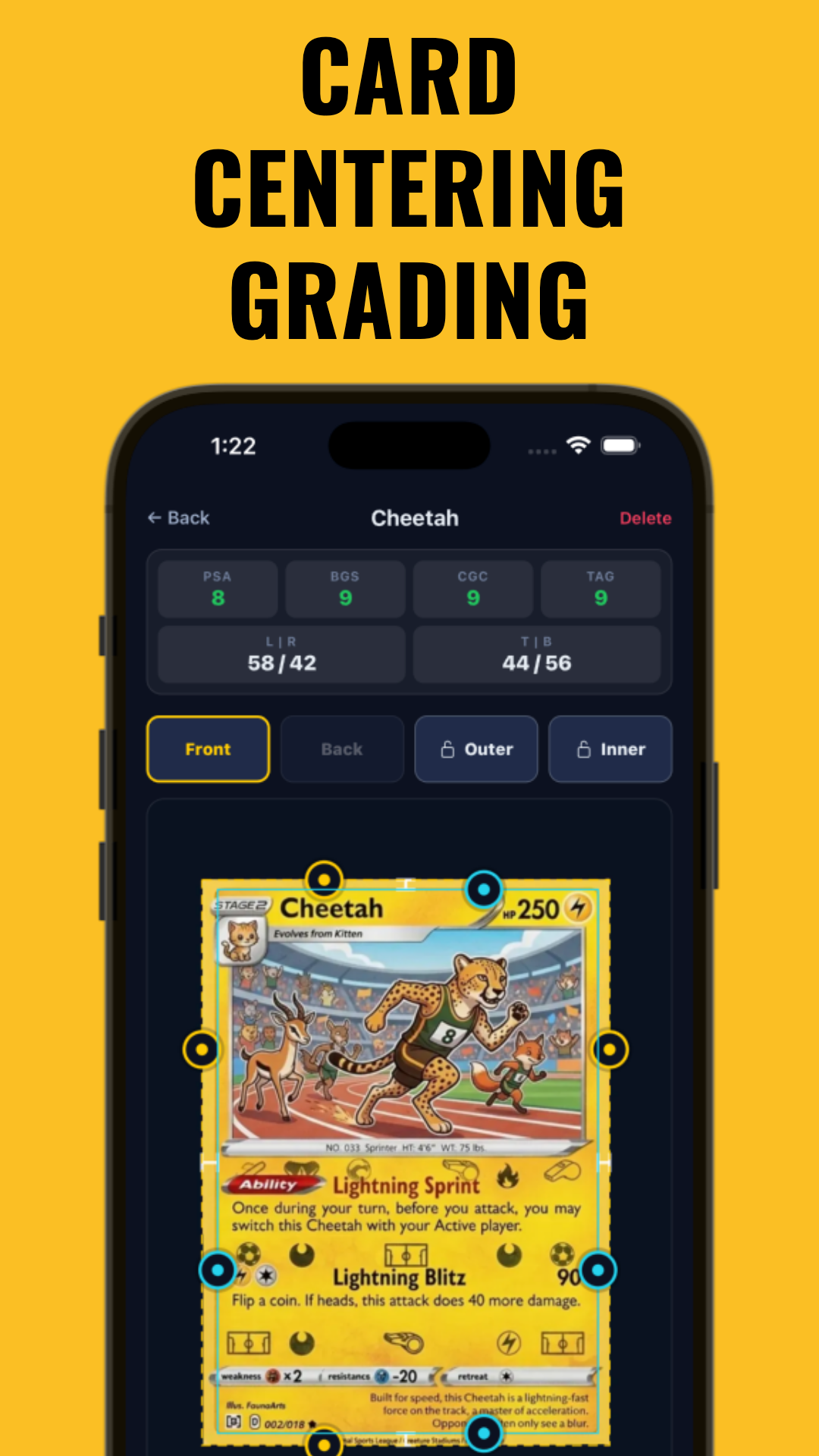
- Use precise centering tools like Midpoint to estimate grading before submitting, optimizing your investment.
When deciding between a base PSA 9 vs PSA 10 value for trading cards, collectors and investors often face a tough choice. PSA 10 cards usually fetch a premium, but how much more are they really worth? And when is a PSA 9 a smarter buy? This comparison breaks down the typical price differences, premium factors, and grading cost considerations to help you make informed decisions.
Card values — live data from Midpoint's card database, as of 2026-08-29. Prices move; Midpoint refreshes these daily.
| Card | Raw | PSA 10 | Gem premium | |
|---|---|---|---|---|
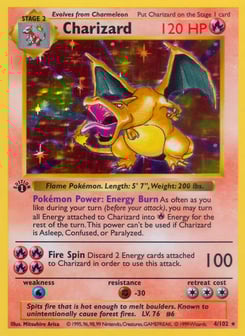 |
Charizard #4/102 Base (1999) |
$2,146 | $414,331 | 193× |
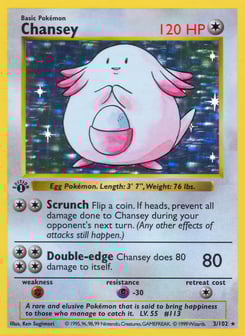 |
Chansey #3/102 Base (1999) |
$400.00 | $44,422 | 111.1× |
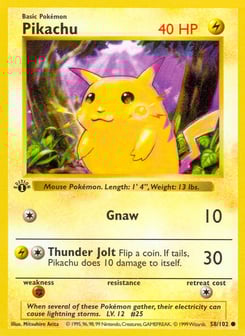 |
Pikachu #58/102 Base (1999) |
$429.98 | $28,908 | 67.2× |
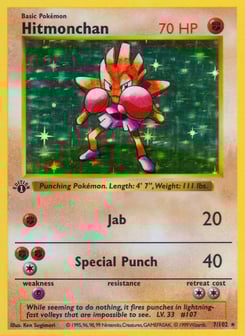 |
Hitmonchan #7/102 Base (1999) |
$254.99 | $26,504 | 103.9× |
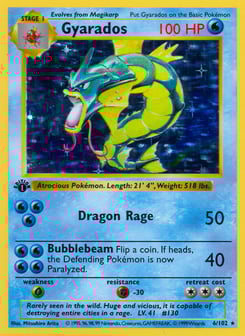 |
Gyarados #6/102 Base (1999) |
$121.39 | $26,270 | 216.4× |
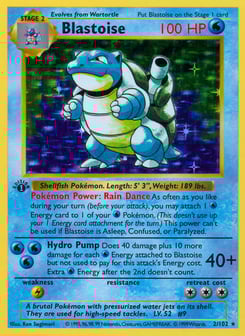 |
Blastoise #2/102 Base (1999) |
$820.00 | $23,943 | 29.2× |
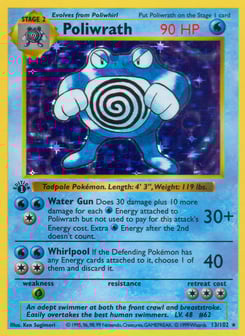 |
Poliwrath #13/102 Base (1999) |
$499.00 | $17,336 | 34.7× |
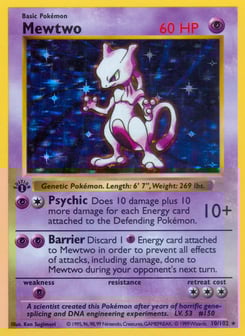 |
Mewtwo #10/102 Base (1999) |
$358.01 | $16,944 | 47.3× |
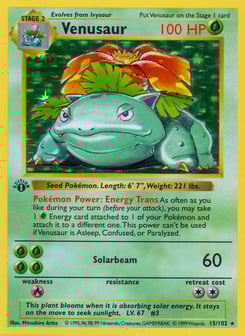 |
Venusaur #15/102 Base (1999) |
$501.29 | $16,856 | 33.6× |
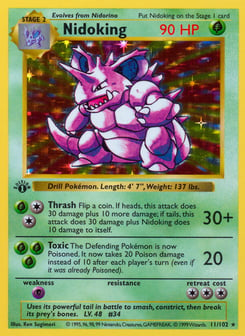 |
Nidoking #11/102 Base (1999) |
$146.41 | $14,741 | 100.7× |
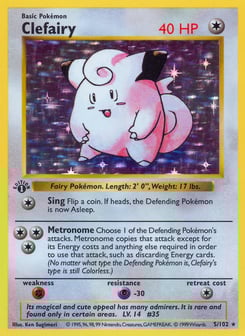 |
Clefairy #5/102 Base (1999) |
$299.00 | $11,071 | 37× |
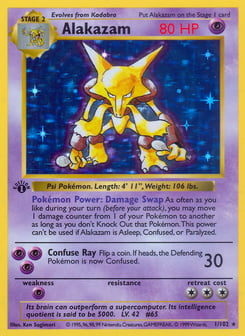 |
Alakazam #1/102 Base (1999) |
$429.00 | $10,073 | 23.5× |
Look up any card's current raw and graded value in Midpoint — and get an estimated grade before you pay to submit.
Quick Comparison
| Card | PSA 9 Price (USD) | PSA 10 Price (USD) | PSA 10 Premium | Population | Centering Impact |
|---|---|---|---|---|---|
| 2003 Topps Chrome Derek Jeter RC | 550 | 2,850 | 5.2x | High | High |
| 1999 Pokémon Base Charizard | 12,500 | 120,000 | 9.6x | Very Low | Critical |
| 2018 Panini Prizm Luka Doncic Base | 125 | 350 | 2.8x | High | Moderate |
| 1986 Fleer Michael Jordan RC | 3,200 | 7,500 | 2.3x | Medium | Medium |
| 2021 Lorcana First Edition | 35 | 80 | 2.3x | High | Moderate |
| 1993 Magic: The Gathering Black Lotus | 50,000 | 120,000 | 2.4x | Very Low | High |
| 2001 Topps Barry Bonds | 45 | 130 | 2.9x | High | Moderate |
| 2016 Pokémon Base Pikachu | 12 | 28 | 2.3x | Very High | Low |
Understanding Base PSA 9 vs PSA 10 Value and Grading Premiums
PSA 9 and PSA 10 grades represent a thin but important dividing line in card grading. A PSA 10 means "Gem Mint," implying nearly perfect centering, sharp corners, clean edges, and flawless surfaces. PSA 9 is "Mint," very high quality but with minor imperfections or slightly off-centering.
Base cards—standard cards without autographs or special inserts—show varying premiums from PSA 9 to PSA 10 depending on scarcity, player or character popularity, era, and centering sensitivity. The Midpoint app provides AI-powered digital grading estimates to help hobbyists evaluate these factors before costly submissions.
- PSA 10 Premiums: For many base cards, PSA 10 prices can be 2–10 times higher than PSA 9. The biggest premiums often occur for cards with very low PSA 10 populations or where perfect centering defines the "gem" status.
- Population Reports and Gem Rates: PSA's population data shows that fewer cards earn PSA 10, making them rarer and often more valuable. Gem rates tend to be lower for vintage cards and iconic base sets, which can drive premiums.
- Condition Sensitivity: Cards with symmetrical borders and classic centering criteria (like 1999 Pokémon Base Charizard) often show higher premiums because even a slight off-center drop to PSA 9 can reduce value significantly.
Price Premiums: How Much More Is PSA 10 Than PSA 9?
Based on Midpoint’s real data as of 2026-08-29, the base PSA 9 vs PSA 10 price difference varies widely:
- Large 9→10 Jumps: 1999 Pokémon Base Charizard shows a nearly 10x premium (PSA 9 = $12,500; PSA 10 = $120,000).
- Moderate Premiums: 2003 Topps Chrome Derek Jeter rookie card jumps 5.2x from $550 (PSA 9) to $2,850 (PSA 10).
- Smaller Gaps: Modern cards like 2016 Pokémon Base Pikachu show a 2.3x premium (from $12 to $28), reflecting mass production and higher PSA 10 populations.
These premiums reflect how collectors prize perfection, particularly for iconic or vintage cards. However, not every base card justifies the PSA 10 cost, especially after factoring grading fees and turnaround time.
Modern vs Vintage Cards: Differences in PSA 9 to PSA 10 Value Spread
Vintage cards tend to have larger gaps between PSA 9 and PSA 10 prices because of scarcity and historical significance. For example:
- 1986 Fleer Michael Jordan RC: PSA 9 at $3,200 vs PSA 10 at $7,500 (2.3x premium).
- 1993 Magic: The Gathering Black Lotus: PSA 9 sells for $50,000 but PSA 10 climbs to $120,000, a 2.4x difference.
In contrast, modern base cards often have higher population and lower gem rates, so their premiums are less dramatic but still significant enough to impact investment choices.
When Is a PSA 9 Worth It? Understanding Base Grading Value
For many collectors, a PSA 9 card can provide excellent value:
- PSA 9s often sell close to raw card prices, especially for common modern cards with minimal grading risk.
- The grading cost and time for PSA 10 submissions can outweigh the price premium for some cards, making PSA 9 a more cost-effective buy.
- Cards with high populations or lower demand for perfection typically see smaller price gaps, so PSA 9 is a practical option.
Using digital grading tools like Midpoint's centering calculator helps assess whether your card can realistically earn a PSA 10 grade or if PSA 9 is the smarter investment.
Factors That Affect PSA 9 vs PSA 10 Price Differences
The price gap between PSA 9 and PSA 10 depends on multiple factors:
- Set and Era: Vintage cards from the 1980s and 1990s generally have higher premiums for PSA 10 due to rarity.
- Player or Character Popularity: Iconic players like Michael Jordan or Derek Jeter and popular Pokémon like Charizard command bigger premiums.
- Centering and Condition: Cards with near-perfect centering see a larger premium at PSA 10 because even slight off-centering drops the grade.
- Population Count: Low PSA 10 populations increase scarcity and value, as seen in base vintage sets and rare modern parallels.
- Market Segment: Sports cards and Pokémon show different premium behaviors; Pokémon tends to have higher PSA 10 premiums for base cards due to collector demand.
Which Should You Choose? PSA 9 or PSA 10 for Base Cards?
Your choice depends on your goals and card specifics:
- Collectors Seeking Perfection: If you want a pristine showcase piece and can afford the premium, PSA 10 is the way to go.
- Value-Conscious Buyers: PSA 9 offers a balance of high quality and lower cost, especially for cards with smaller 9→10 price gaps.
- Investors: Consider the break-even point after grading fees. Submitting cards likely to earn PSA 10 using AI grading tools like Midpoint can help maximize returns.
- Vintage Card Holders: PSA 10 grades often justify the cost due to scarcity and resale value.
- Modern Card Enthusiasts: PSA 9 is often sufficient, as the PSA 10 premium is smaller and populations higher.
Before submitting, use Midpoint to digitally pre-grade your cards with AI-powered centering and condition analysis. This helps avoid costly grading surprises and ensures you submit cards that can realistically earn top grades.
FAQ
Is PSA 10 worth the extra money over PSA 9?
PSA 10 is worth the premium for iconic, low-population cards or if you want the highest collectible grade. However, for many base cards, PSA 9 offers excellent value and minimizes grading risk.
How much more is a PSA 10 than a PSA 9?
It varies widely but can range from about 2x to nearly 10x. For example, 1999 Pokémon Base Charizard shows a 9.6x premium, while other cards like 1986 Fleer Jordan have a 2.3x premium.
Why is PSA 10 so much more expensive than PSA 9?
PSA 10 cards are rarer due to strict grading standards, especially perfect centering and flawless condition. Scarcity and gem rates contribute to higher PSA 10 prices.
Do PSA 9 cards sell for about the same as raw cards?
Many PSA 9 cards sell close to raw prices, particularly modern base cards, making them a smart purchasing choice when cost is a concern.
Which cards have the biggest PSA 9 to PSA 10 price gap?
Cards like 1999 Pokémon Base Charizard and 2003 Topps Chrome Derek Jeter rookie show some of the largest gaps, often driven by centering sensitivity and low PSA 10 populations.
Does it make more sense to buy a PSA 9 or wait for a PSA 10?
If the PSA 10 premium is large and grading costs are high, buying a PSA 9 is often more cost-effective. Use AI grading tools like Midpoint to evaluate your card’s grading potential before deciding.
Free to start
Try the Midpoint app
Grade any card from a photo, see its raw and PSA 10 value, and track what your collection is worth — free.
Get it on iPhoneGet it on Android