Basketball Card Prices Dropping August 2026: Market Dip Insights
Explore why basketball card prices are dropping in August 2026 and which cards to buy the dip with Midpoint's grading tools.

Estimated reading time: 8 min
Key Takeaways
- Basketball card prices have shown declines in August 2026 amid increased supply, licensing changes, and shifting collector interest.
- Star rookie cards like Cooper Flagg and veterans like LeBron exhibit differing price trends.
- Sealed hobby boxes and megas may hold different value dynamics compared to singles in the current market environment.
- Using AI grading and centering tools like Midpoint can assist collectors in identifying potentially undervalued cards.
- Blue-chip legacy cards tend to remain relatively stable despite moderate price adjustments.
As the basketball card market experiences cooling in August 2026, collectors observe changes in basketball card prices and shifting values across rookies, veterans, and legacy stars. This market adjustment presents both challenges and opportunities. Understanding which basketball cards are seeing price changes, the factors influencing these shifts, and how to leverage grading technology can help inform buying decisions. In this listicle, we explore key drivers behind basketball card price movements in August 2026 and highlight cards and moments to watch.
30-day price movers — live data from Midpoint's card database, as of 2026-08-23. Prices move; Midpoint refreshes these daily.
| Card | Raw | PSA 10 | 30-day | |
|---|---|---|---|---|
![Kobe Bryant [Xfractor] #24 2008 Topps Chrome card](https://i.ebayimg.com/images/g/2nQAAOSw5adm~sBG/s-l500.jpg) |
Kobe Bryant [Xfractor] #24 2008 Topps Chrome |
$6,500 | $13,300 | -30.5% |
![Michael Jordan [Refractor] #229 1995 Finest card](https://i.ebayimg.com/images/g/T7QAAeSwPmNp-9~Q/s-l500.jpg) |
Michael Jordan [Refractor] #229 1995 Finest |
$637.37 | $14,531 | -24.8% |
 |
Michael Jordan #1 1997 Ultra Stars |
$550.00 | $28,038 | -21.9% |
 |
Elgin Baylor #46 1961 Fleer |
$117.50 | $21,548 | -15.4% |
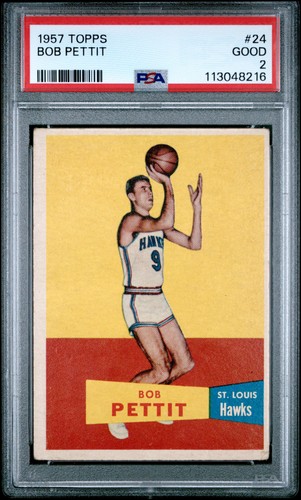 |
Bob Pettit #24 1957 Topps |
$105.56 | $24,411 | -14.8% |
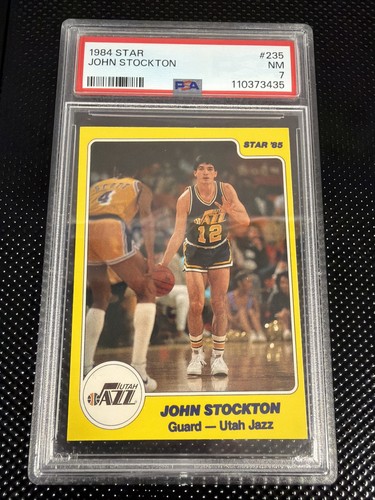 |
John Stockton #235 1984 Star |
$348.57 | $18,887 | -12.7% |
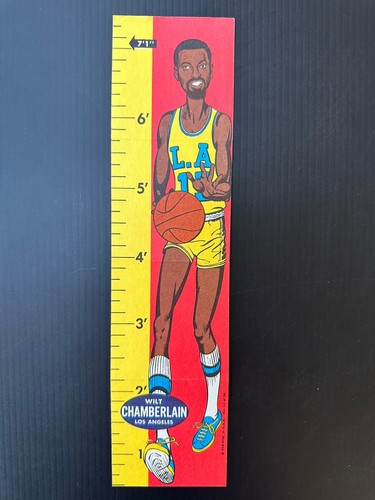 |
Wilt Chamberlain 1969 Topps Rulers |
$120.00 | $19,419 | -12.1% |
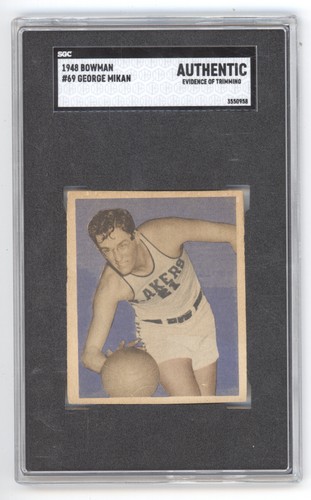 |
George Mikan #69 1948 Bowman |
$4,943 | — | -8.2% |
 |
Bob Cousy #49 1961 Fleer |
$113.45 | $20,707 | -8.1% |
![Stephen Curry [Gold] #321 2009 Topps card](https://i.ebayimg.com/images/g/s3kAAeSw1WNqKzIR/s-l500.jpg) |
Stephen Curry [Gold] #321 2009 Topps |
$7,500 | $80,483 | -7.9% |
 |
Oscar Robertson #36 1961 Fleer |
$506.04 | $98,835 | -6.6% |
 |
Charles Barkley #202 1984 Star |
$511.48 | $33,598 | -6.4% |
Look up any card's current raw and graded value in Midpoint — and get an estimated grade before you pay to submit.
1. Basketball Cards Experiencing Price Adjustments Amid Supply Changes
One factor contributing to basketball card price adjustments in August 2026 is increased supply entering the market. Panini's licensing transition to Fanatics and Topps has led to additional product releases and some reprints, which may affect scarcity perceptions. For example, certain 2023-24 Cooper Flagg rookie cards, which previously sold for over $300 for PSA 10 graded copies, have seen price declines of up to around 25% in the last 30 days as of 2026-08-23.
This increased availability impacts both raw and graded cards. Raw versions of Flagg's 2023 Panini Contenders Rookie Ticket have declined approximately 15%, reflecting broader market supply. These trends highlight the importance of monitoring supply dynamics when considering investments.
- Additional product releases from Fanatics and Topps increase inventory.
- Reprint runs may reduce perceived scarcity, putting downward pressure on prices.
- Collectors should monitor supply trends using live data from tools like Midpoint to inform timing.
2. Topps Chrome Update and Topps Motif Basketball: Hype Cycles and Timing
The recent release of Topps Chrome Update and the anticipated Topps Motif Basketball series have generated short-term interest spikes that appear to be stabilizing. Initial excitement around these sets drove prices up temporarily, but as supply meets demand, prices for related cards have shown signs of cooling.
For example, some raw rookie cards from the Topps Chrome Update series declined by about 12% in August as of 2026-08-23, consistent with typical post-release market adjustments. Collectors looking to buy the dip may find opportunities during these correction phases.
- New set releases often cause temporary price surges followed by corrections.
- Understanding release calendars can help anticipate potential dips.
- Midpoint's price tracking tools provide timeline insights for key product launches.
3. Blue-Chip Legacy Cards Provide Relative Market Stability
Despite overall price adjustments, blue-chip legacy cards such as those of Michael Jordan, LeBron James, and Kobe Bryant tend to remain relatively stable. While some raw and PSA 10 copies have experienced modest declines (around 5-10%), these have generally been less pronounced than declines seen in modern rookies.
For instance, a Jordan 1986 Fleer PSA 10 card declined approximately 7% over the past month, suggesting continued underlying demand. These legacy stars often serve as stabilizing assets amid market fluctuations, making them potentially safer long-term holds.
- Legacy cards typically show less volatility than recent rookies.
- Collectors often view these as blue-chip assets with enduring appeal.
- Moderate price dips in legacy cards may present entry points for new collectors.
4. Cooper Flagg and Wembanyama: Modern Rookies Experiencing Price Corrections
Rookie players like Cooper Flagg and Victor Wembanyama attracted significant collector interest in 2024-25 with notable price growth. However, as of August 2026, their cards have experienced some of the sharper price declines, with decreases in the range of 20-30% in raw and PSA 10 grades.
These price adjustments likely reflect a combination of increased supply and a normalization of hype. For example, the 2023 Panini Prizm Rookie Phenoms PSA 10 for Cooper Flagg declined roughly 28% in the last 30 days, while Wembanyama’s 2023 Prizm base rookie card saw a decline near 22%.
- Modern rookies tend to be more sensitive to hype cycles and supply fluctuations.
- Price corrections can present buy-the-dip opportunities for collectors with a long-term perspective.
- Using Midpoint to pre-grade cards for centering and surface condition can aid purchase decisions.
5. Impact of Fanatics/Topps Licensing Shift on Market Dynamics
The licensing shift from Panini to Fanatics and Topps has influenced the basketball card market, contributing to changes in pricing trends. New product launches and reprints from Fanatics have increased market availability. Meanwhile, Topps’ entry introduces competition but also some uncertainty for collectors.
Collectible values are adjusting as the market adapts to these changes. Price declines in the range of 10-20% in certain segments reflect this recalibration. Staying informed on release schedules and company strategies remains important.
- Licensing shifts increase product variety and supply.
- Collector confidence may fluctuate during transitions.
- Midpoint’s market data can help track price impacts in real time.
6. PSA Grade and Card Condition: Important Factors in Pricing
PSA grades continue to be important in evaluating basketball card prices, especially as the market adjusts. Cards graded PSA 10 generally maintain premium pricing but can also experience notable price declines if supply increases. For example, a Cooper Flagg PSA 10 declined around 28%, while lower grades showed smaller decreases.
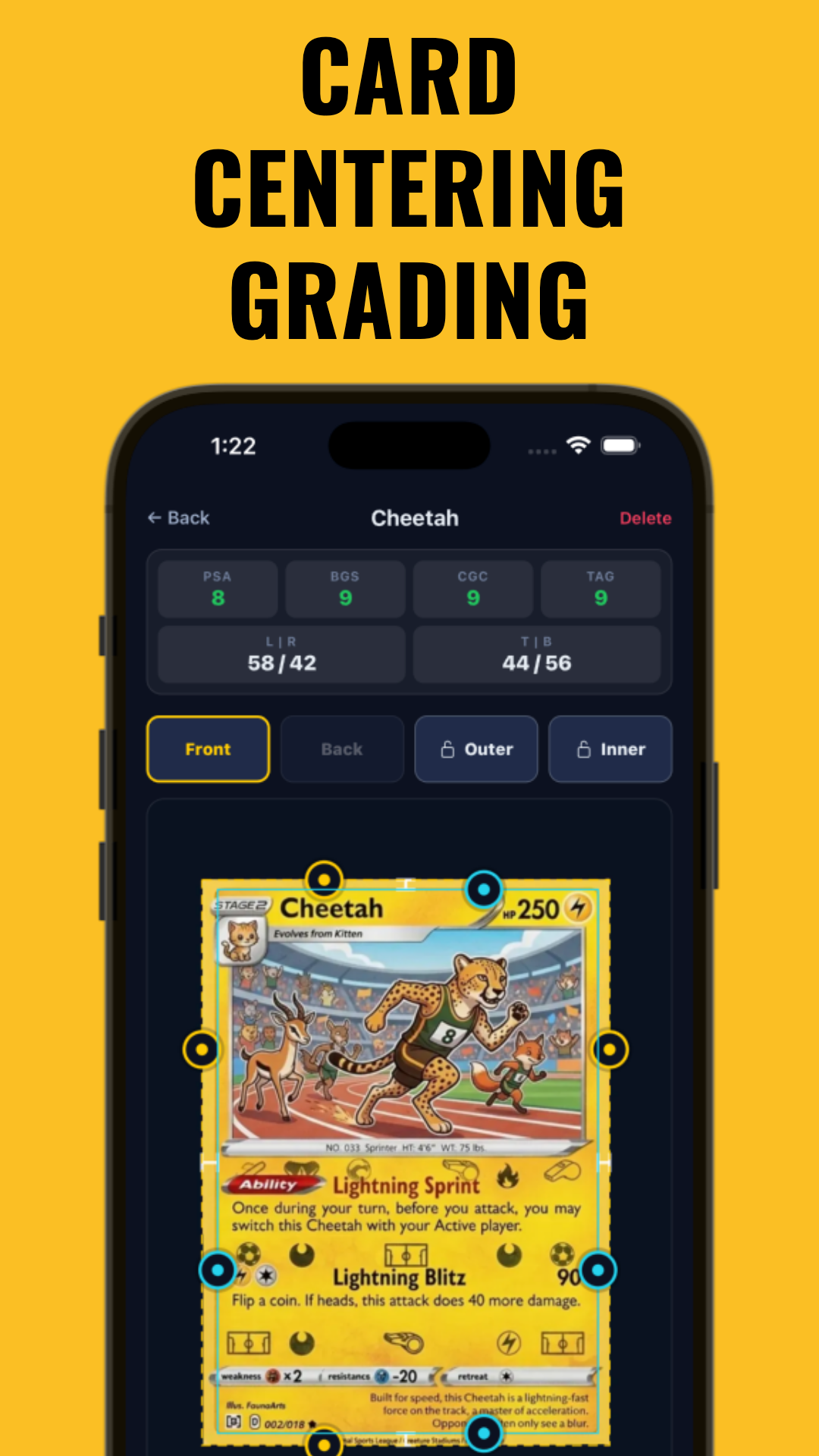
Condition factors such as centering, corners, edges, and surface quality significantly influence value. AI grading tools like Midpoint allow collectors to estimate PSA, BGS, CGC, and TAG grades before submission, helping to reduce grading risks.
- PSA 10 grades command top prices but are sensitive to market changes.
- Condition details can significantly affect value in a cooling market.
- Pre-grading with Midpoint can reduce grading costs and risks.
7. Sealed Product vs. Singles: Differing Pricing Trends
In August 2026, sealed hobby boxes, megas, and singles show varying pricing trends as collectors respond to market changes. Sealed boxes and megas often retain relatively more stable values due to their unopened status, while singles prices may fluctuate more noticeably.
For example, recent Topps Chrome hobby boxes declined about 10%, whereas some singles from the same product fell closer to 18%. Buyers considering the dip should weigh risks: sealed products offer potential long-term upside but require higher upfront investment, while singles allow more flexible entry points.
- Sealed boxes tend to offer relative price stability but cost more upfront.
- Singles experience more price volatility but allow selective purchases.
- Midpoint helps track pricing trends for both sealed and singles products.
8. Using Sold Comps and Price Guides to Assess Price Movements
To verify whether a basketball card is experiencing a price decline, collectors should consult sold comps and price guides. These resources provide real-world sale prices and historical pricing data. Midpoint integrates these data points to offer timely market snapshots.
For example, if a Cooper Flagg PSA 10 sold comp indicates a recent decline of about 28%, but price guides have not yet updated, Midpoint’s live data can help collectors avoid overpaying or misjudging market trends.
- Sold comps reflect actual transaction prices rather than just listings.
- Price guides provide reference points but may lag behind real-time shifts.
- Combining both with AI grading insights supports confident buying decisions.
9. Leveraging the Market Dip: Grading Affordable Cards with Strong Centering
Price adjustments in basketball cards can create opportunities to grade lower-cost raw cards that exhibit excellent centering and condition. Midpoint’s precise centering measurements, down to the millimeter, help identify cards with strong grading potential.
Collectors can purchase raw cards at lower prices during the dip and use Midpoint’s AI digital grading to estimate PSA or BGS grades before paying submission fees. This approach can help maximize returns by focusing on quality cards likely to receive high grades.
- Buy raw cards at dip prices that show strong centering.
- Pre-grade with Midpoint to evaluate grading potential.
- Submit only high-potential cards to reduce grading expenses.
Conclusion
The basketball card market in August 2026 is experiencing a period of adjustment, with prices declining due to increased supply, licensing changes, and evolving collector interest. While modern rookies like Cooper Flagg and Wembanyama have seen notable price corrections, blue-chip legacy cards generally remain more stable. Collectors can use this market environment to strategically acquire undervalued cards, particularly by leveraging AI grading and centering tools like Midpoint to identify raw cards with strong grading potential. Staying informed about product release timing, grading impacts, and pricing data supports smarter buying decisions in this evolving market.
FAQ
Q: Why are basketball card prices declining in August 2026?
A: Prices have declined due to increased supply from new releases and reprints following the Panini to Fanatics/Topps licensing shift, along with shifting collector interest around recent rookie classes and product launches.
Q: Which basketball cards are experiencing the steepest declines currently?
A: Modern rookie cards such as Cooper Flagg and Victor Wembanyama have seen some of the sharper declines, with certain PSA 10 copies dropping up to around 28% in the last 30 days as of 2026-08-23.
Q: Are Cooper Flagg rookie cards still expensive after recent market changes?
A: Prices for Cooper Flagg rookie cards have cooled, with raw and graded prices down approximately 20-30%, potentially presenting buy-the-dip opportunities for collectors focused on high-grade centering.
Q: How has the Panini-to-Topps licensing shift influenced basketball card prices?
A: The licensing shift has introduced more product variety and reprints, increasing supply and contributing to price softening as the market adjusts.
Q: Are legacy cards like Jordan, LeBron, and Kobe also declining in price?
A: Legacy cards have experienced modest price declines (around 5-10%) but generally remain more stable compared to the steeper drops seen in modern rookies.
Q: Should I buy singles or sealed boxes during this market cooling?
A: Both options have advantages—sealed boxes often hold value better but require higher upfront investment, while singles offer more affordable entry points. Using tools like Midpoint to track prices and condition can help make informed decisions.
Free to start
Try the Midpoint app
Grade any card from a photo, see its raw and PSA 10 value, and track what your collection is worth — free.
Get it on iPhoneGet it on Android