
Basketball Card Prices Dropping October 2026: What Collectors Must Know
Explore why basketball card prices are dropping in October 2026, which cards to buy the dip, and how to time your grading and purchases wisely.

Estimated reading time: 8 min
Key Takeaways
- October 2026 shows a dip in basketball card prices, especially raw and sealed hobby boxes.
- Supply pressure from recent 2026-27 releases and cooling hype around rookie cards are contributing factors.
- PSA 10 graded cards tend to hold value better than raw or PSA 9 but still show some softness.
- Mid-tier modern cards appear more volatile compared to vintage icons like Michael Jordan or LeBron James.
- October 2026 may present buying opportunities for well-centered cards, especially if you use AI grading tools before submission.
The basketball card market in October 2026 is experiencing a notable cooldown with falling prices across many segments. Collectors and investors are asking: why are basketball card prices dropping October 2026, which cards remain resilient, and how can you buy the dip smartly? This listicle breaks down the latest market trends, supply-demand factors, grading dynamics, and strategies to navigate this shifting landscape. With the help of Midpoint’s advanced AI grading and portfolio tools, you can make informed buying and selling decisions during this market adjustment.
30-day price movers — live data from Midpoint's card database, as of 2026-09-27. Prices move; Midpoint refreshes these daily.
| Card | Raw | PSA 10 | 30-day | |
|---|---|---|---|---|
 |
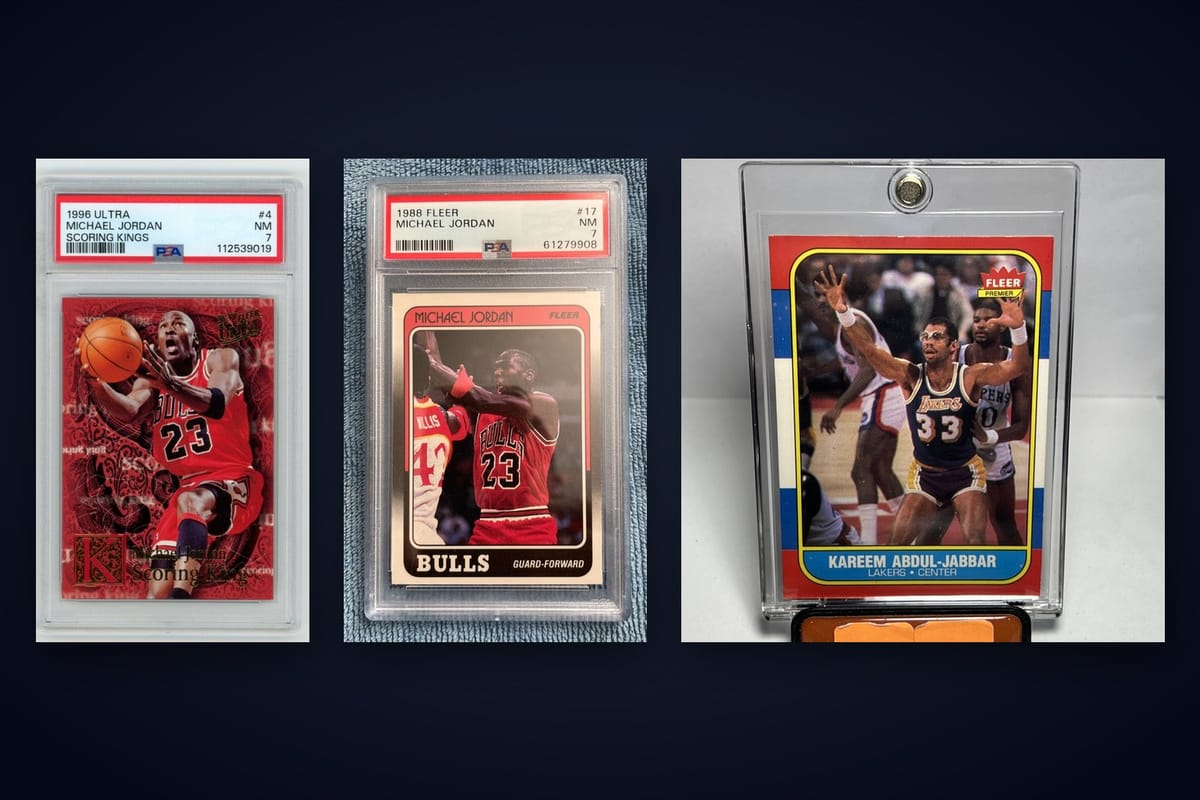
Michael Jordan #4 1996 Ultra Starring Role |
$1,000 | $14,029 | -39.2% |
 |
Michael Jordan #7 1988 Fleer Sticker |
$50.50 | $42,775 | -19.1% |
 |
Kareem Abdul-Jabbar #1 1986 Fleer Sticker |
$37.25 | $16,241 | -17.8% |
 |
Bill Russell #77 1957 Topps |
$1,870 | $336,277 | -16.2% |
 |
Kobe Bryant #138 1996 Topps |
$124.90 | $2,706 | -12.7% |
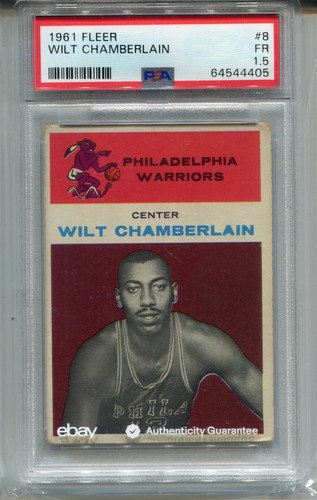 |
Wilt Chamberlain #8 1961 Fleer |
$1,725 | $275,618 | -10.8% |
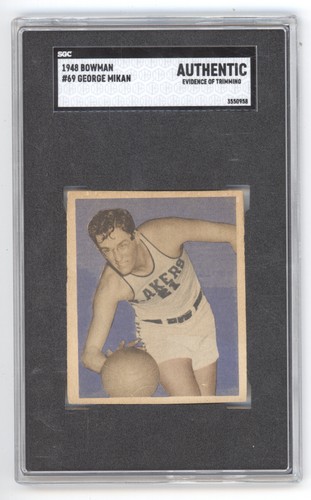 |
George Mikan #69 1948 Bowman |
$4,852 | — | -1.8% |
![Brandon Miller [Blue Mojo Choice] #219 2023 Panini Donruss Optic card](https://i.ebayimg.com/images/g/DrgAAeSwIrpqRVLP/s-l500.jpg) |
Brandon Miller [Blue Mojo Choice] #219 2023 Panini Donruss Optic |
$17.43 | $83.51 | -0.8% |
![LaMelo Ball [Blue Velocity] #153 2020 Panini Donruss Optic card](https://i.ebayimg.com/images/g/5L4AAeSwuC9p0Zk~/s-l500.jpg) |
LaMelo Ball [Blue Velocity] #153 2020 Panini Donruss Optic |
$12.43 | $78.50 | -0.6% |
 |
Michael Jordan #6 1997 Skybox E X2001 Jambalaya |
$14,043 | — | -0.1% |
 |
Anthony Edwards #SS-AEW 2020 Panini Prizm Sensational Signatures |
$500.00 | $1,405 | 0% |
 |
Shaquille O'Neal #135 1996 Ultra Platinum Medallion |
$228.65 | — | 0% |
Look up any card's current raw and graded value in Midpoint — and get an estimated grade before you pay to submit.
1. Price Trends: Raw Cards vs. Graded Cards
As of 2026-09-27, raw basketball cards have seen sharper declines compared to their graded counterparts. For example, a raw 2026-27 Panini Prizm Cade Cunningham rookie card reportedly fell nearly 18% in the last 30 days, while the PSA 10 version declined by a smaller margin. The difference mainly comes down to buyer confidence in condition and authenticity.
Raw cards, especially those with centering or surface issues, have become more volatile, reflecting collector caution. Meanwhile, PSA 10 and BGS 9.5 cards maintain better price stability, although even these premium grades are not immune to the broader market softness.
- Raw 2026-27 Panini Prizm rookies down approximately 18%
- PSA 10 2026-27 Panini National Treasures rookies down less sharply
- PSA 9 versions may see faster price erosion than PSA 10
2. Supply Pressure from 2026-27 Releases and Reprints
The influx of new product releases, including Panini Prizm, National Treasures, and several preorder-exclusive sets, has contributed to supply pressure on the market. Collectors face a glut of rookie and insert cards from the 2026-27 season, which can dilute demand for earlier or less rare issues.
Reprints and secondary market availability have also increased, further softening prices. Sealed hobby boxes from these new releases are especially affected, with prices reportedly down more than 15% on average, reflecting cautious sentiment and possible overstock.
- Multiple new 2026-27 Panini sets released in September
- Increased reprints of popular rookies causing dilution
- Sealed hobby boxes declining faster than premium singles
3. Rookie Card Hype Cooling in October 2026
The initial hype surrounding 2026-27 rookie cards appears to have cooled as performance uncertainty and supply have balanced out. Top prospects like Emoni Bates and Jalen Duren saw strong interest mid-year but now face price corrections in raw and mid-grade forms.
This cooling demand is natural after a rapid post-release run-up, signaling a more mature market phase. However, some rookies with strong season starts or unique parallels may retain upside potential.
- Emoni Bates rookie raw cards down approximately 15%
- Jalen Duren PSA 10 rookie cards down around 8%
- Limited parallels and autographs tend to hold better value
4. Why PSA 10 Cards Hold Up Better Than PSA 9 or Raw
PSA 10 graded cards generally command premiums over PSA 9 and raw copies, often by a significant margin. This premium reflects collector preference for the highest-grade examples, especially in volatile markets. October 2026 shows that while PSA 10 prices are down modestly, PSA 9 and raw cards are experiencing sharper declines.
Collectors may consider using AI-powered grading estimates from apps like Midpoint before submitting cards, as even a slight improvement in centering or surface quality can elevate a card into PSA 10 territory, potentially preserving value during downturns.
- PSA 10 Panini Prizm Cade Cunningham down about 7%
- PSA 9 version down more sharply
- Raw copies down approximately 18%
- Midpoint’s centering tool helps identify PSA 10 candidates
5. Mid-Tier Modern Cards vs. Vintage and Iconic Stars
Mid-tier modern cards, including many 2026-27 rookies and inserts, tend to be more prone to price swings. Conversely, vintage cards and iconic players like Michael Jordan and LeBron James often show greater price stability and sometimes growth amid the October 2026 dip.
This divergence is due to vintage scarcity and enduring fan demand. For example, a 1986-87 Fleer Michael Jordan rookie card remains relatively resilient, with prices showing limited change, while mid-tier 2026 rookies experience sharper losses.
- Vintage Jordan and LeBron cards stable or up slightly
- Mid-tier modern rookies down 10-20%
- Collectors may diversify to balance risk
6. Sealed Hobby Boxes Softening More Than Premium Singles
Sealed hobby boxes from recent 2026-27 releases are declining faster than premium singles. This is attributed to overproduction, delayed sales cycles, and cautious retail demand. Hobby boxes are down 15-20% on average, while premium singles, especially graded PSA 10 rookies, are down 5-10%.
This trend suggests collectors are focusing more on individual cards with verified condition rather than speculative sealed products during periods of uncertainty.
- Sealed 2026-27 Panini Prizm hobby boxes down approximately 18%
- PSA 10 rookies down about 7%
- Focus on condition and grading quality increases
7. Using Market Data and Sold Listings to Confirm Value Changes
Collectors should rely on recent sold listings and market comps to confirm if basketball cards are truly losing value. Midpoint’s extensive database tracks raw and graded values across many cards, helping collectors spot real trends versus temporary dips.
For example, recent sales of a 2026-27 National Treasures Jalen Duren rookie card indicate a decline in PSA 10 value over 30 days. Checking multiple comps helps avoid panic selling and identifies genuine buying opportunities.
- Review multiple sold listings for accuracy
- Compare raw versus graded price trends
- Midpoint’s portfolio tracker shows your collection’s value over time
8. October 2026: A Buying Opportunity for Smart Collectors
Despite falling prices, October 2026 may offer buying opportunities, particularly for well-centered raw cards with grading potential. Using AI tools like Midpoint’s digital grading and centering measurement can help find undervalued cards likely to earn PSA 10 grades.
Cards from recent sets, especially rookies with stable demand, may offer downside protection. Timing purchases around grading submissions and major product releases can help maximize returns.
- Buy raw cards with strong centering to grade PSA 10
- Consider mid-tier rookies with improving season outlooks
- Time grading submissions post-price drop for value gains
9. Timing Purchases Around Product Releases and Grading
Collectors should monitor new 2026-27 product launches and grading submission windows. Prices often dip before major releases due to supply anticipation, then stabilize or rebound afterward. Grading submissions tend to spike in October, affecting graded card supply.
Planning buys and grading during these cycles can reduce costs and improve investment timing. Midpoint’s grading estimates can help decide when a card is worth submitting or better held raw.
- Watch for supply spikes before major releases
- Submit well-centered cards after dips to capture gains
- Use Midpoint’s grading guides for submission timing
10. Protecting Your Collection and Enhancing Value with Grading Tools
Proper storage and grading are important to maintain or improve card value amid market fluctuations. For tips on protecting valuable cards, see our Ultimate Collector’s Guide to Card Storage. Using AI grading tools like Midpoint allows you to pre-grade and estimate PSA, BGS, CGC, and TAG grades with precision, especially centering — a key factor in price.
These strategies help collectors avoid costly grading surprises and confidently buy or sell during volatile periods.
- Store cards in protective sleeves and cases
- Use AI tools to check centering and surface before grading
- Track your collection value with Midpoint portfolio features

Conclusion
The basketball card market in October 2026 is showing signs of cooling, driven by supply increases, fading rookie hype, and cautious collector sentiment. Raw cards and sealed boxes appear most affected, while PSA 10 graded cards tend to offer better downside protection. Savvy collectors can use tools like Midpoint’s AI grading and centering estimates to identify undervalued cards worth grading and buying the dip.
Timing purchases around product releases and grading submissions, focusing on well-centered cards, and diversifying between mid-tier modern and vintage icons may help navigate this challenging market. For anyone looking to stay ahead in basketball card collecting during this period, leveraging Midpoint’s comprehensive app can be a useful approach.
FAQ
Q: Why are basketball card prices dropping in October 2026?
A: The drop is mainly attributed to increased supply from 2026-27 product releases, cooling rookie card hype, and cautious buyer sentiment leading to falling demand, especially for raw and mid-tier cards.
Q: Are basketball rookie cards losing value in 2026?
A: Many 2026-27 rookie cards have declined in raw and mid-grade forms due to hype cooling and ample supply, though some top prospects and premium parallels may hold better.
Q: Should I sell my basketball cards before prices drop further?
A: Not necessarily. Using market data and grading tools like Midpoint to assess card condition and timing can help avoid panic selling and identify buying opportunities.
Q: Are PSA 10 basketball cards holding their value better than PSA 9 or raw cards?
A: PSA 10 cards generally decline less and maintain premiums over PSA 9 and raw, making them relatively more stable investments during market dips.
Q: Is October 2026 a good time to buy basketball cards?
A: It may be, especially for well-centered raw cards with grading potential. Buying during the dip and submitting to grading post-price drop can help maximize value gains.
Q: Which basketball cards are still increasing in value in 2026?
A: Vintage cards and iconic players like Michael Jordan and LeBron James tend to show price stability or modest gains despite the broader market softness.
Free to start
Try the Midpoint app
Grade any card from a photo, see its raw and PSA 10 value, and track what your collection is worth — free.
Get it on iPhoneGet it on Android


