Basketball Card Prices Dropping September 2026: What Collectors Must Know
Explore why basketball card prices are dropping in September 2026 and which cards to buy the dip. Learn market trends, grading tips, and smart collecting strategies.

Estimated reading time: 8 min
Key Takeaways
- Basketball card prices often experience seasonal weakness in the offseason, and shifts in NBA licenses can influence market dynamics.
- Some star rookie cards like Wembanyama and Luka have seen pullbacks, while certain sets have shown relative stability.
- Grading fees and hype cycles can impact market prices and timing for buyers and sellers.
- Collectors may find opportunities by pre-grading well-centered cards to potentially maximize value.
- Midpoint’s AI-powered grading estimates can help identify promising cards before submission, though results may vary.
September 2026 marks a period of cooling in basketball card prices, reflecting a combination of seasonal market dynamics and industry changes. For collectors and investors, understanding factors behind these price movements and recognizing which cards remain relatively strong can help guide buying and selling decisions. This listicle outlines recent basketball card market trends for September 2026, including which star and rookie cards have seen declines, how grading costs affect prices, and strategies to consider when buying during dips.
30-day price movers — live data from Midpoint's card database, as of 2026-09-04. Prices move; Midpoint refreshes these daily.
| Card | Raw | PSA 10 | 30-day | |
|---|---|---|---|---|
 |
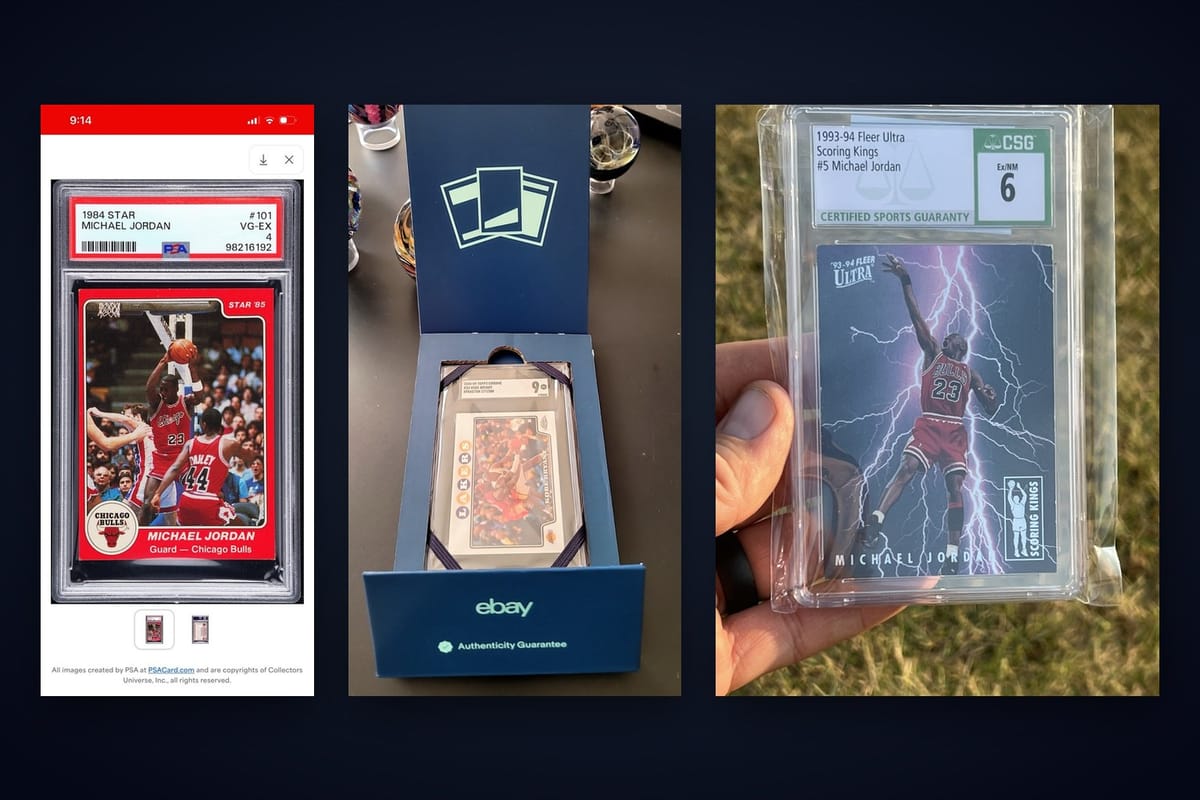
Michael Jordan #101 1984 Star |
$9,000 | — | -58.1% |
![Kobe Bryant [Xfractor] #24 2008 Topps Chrome card](https://i.ebayimg.com/images/g/2nQAAOSw5adm~sBG/s-l500.jpg) |
Kobe Bryant [Xfractor] #24 2008 Topps Chrome |
$6,500 | $13,300 | -30.5% |
 |
Michael Jordan #5 1993 Ultra Scoring Kings |
$2,327 | $16,451 | -30% |
 |
Michael Jordan #143 1996 Ultra Gold Medallion |
$364.92 | $10,287 | -27.7% |
 |
Kareem Abdul-Jabbar #1 1986 Fleer Sticker |
$38.95 | $20,135 | -25.4% |
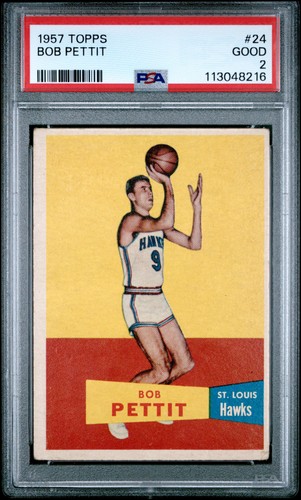 |
Bob Pettit #24 1957 Topps |
$98.18 | $21,335 | -24.9% |
 |
Michael Jordan #7 1997 Fleer Thrill Seekers |
$3,630 | $15,025 | -24.6% |
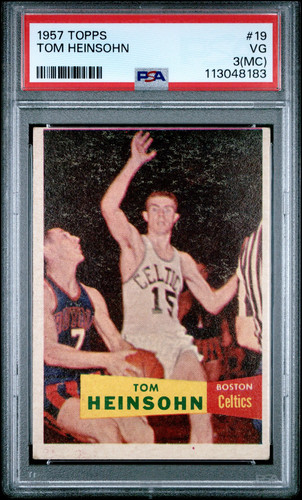 |
Tom Heinsohn #19 1957 Topps |
$100.49 | $21,444 | -22.6% |
 |
Lew Alcindor #75 1970 Topps |
$88.97 | — | -18.4% |
 |
Kobe Bryant #12 1997 Skybox E X2001 Jambalaya |
$2,128 | $26,926 | -16.9% |
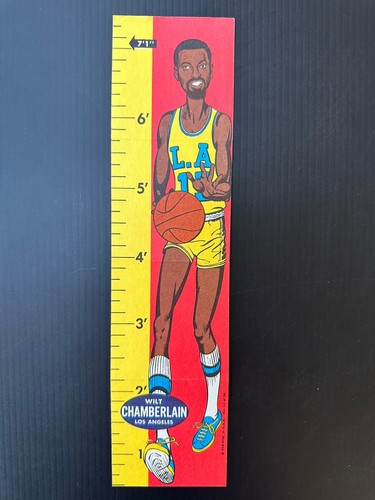 |
Wilt Chamberlain 1969 Topps Rulers |
$120.00 | $16,136 | -16.8% |
![Stephen Curry [Gold] #321 2009 Topps card](https://i.ebayimg.com/images/g/s3kAAeSw1WNqKzIR/s-l500.jpg) |
Stephen Curry [Gold] #321 2009 Topps |
$7,500 | $75,638 | -15.3% |
Look up any card's current raw and graded value in Midpoint — and get an estimated grade before you pay to submit.
1. Seasonal Offseason Weakness in Basketball Cards from July to September
Historically, basketball card prices often dip in the summer months after the NBA playoffs and before the new season hype builds. As of 2026-09-04, many cards are experiencing typical offseason softness, with collectors generally less active and increased supply in the market.
This seasonality means cards that surged during playoff runs or championship hype may face corrections. For example, some popular cards of stars like LeBron James and Stephen Curry have seen declines after strong price momentum earlier in 2026.
- Offseason dips can provide buying opportunities for long-term holders.
- Patience is important as card values often rebound with the new season’s excitement.
2. Which Star and Rookie Cards Are Falling vs Holding Value in 2026?
Among high-profile players, cards of Victor Wembanyama and Luka Doncic have experienced pullbacks. Wembanyama’s PSA 10 raw card prices reportedly dropped by around 15% in the last 30 days, reflecting cooled hype following his rookie campaign.
Conversely, some Prizm rookie parallels and Metal Universe sets have maintained relative stability despite market softness. LeBron James and Giannis Antetokounmpo cards have seen moderate declines but remain popular among collectors expecting long-term appreciation.
- Wembanyama and Luka cards are down but may present dip-buying opportunities.
- Exquisite rookie parallels tend to be resilient due to rarity and demand.
- Star veterans’ cards may rebound with renewed playoff success.
3. How the NBA License Shift from Panini to Topps Is Affecting Pricing
The 2026 transition of the NBA trading card license from Panini to Topps has introduced some uncertainty and supply adjustments in the market. Topps’s debut product pricing has been competitive, which may impact secondary market values for Panini’s final releases.
This license shift has contributed to price pressure on Panini cards as collectors consider new product excitement versus existing inventory. Some Panini cards have experienced sharper declines than usual in September 2026.
- Topps’s entry is creating competitive pricing and supply shifts.
- Collectors may hold Panini cards anticipating potential long-term scarcity.
- Timing submissions for grading may be influenced by license-driven value changes.
4. Secondary-Market Comps vs Preorder Prices for New Basketball Releases
Comparisons between secondary-market prices and preorder figures indicate that many new basketball card releases are selling below initial expectations. This reflects moderated demand and increased supply, especially for raw card conditions.
Buyers looking to capitalize on dips should monitor comps closely and consider cards with strong centering and condition grades that may perform better post-grading.
- Preorder hype does not always translate to sustained market prices.
- Using AI tools like Midpoint can help identify cards with grading upside potential.
- Graded cards often command premiums over raw counterparts during market recoveries.
5. Impact of Grading Fees and PSA/BGS/SGC Submission Costs on Card Prices
Rising grading fees by PSA, BGS, and SGC affect card prices and collector behavior. Submission costs can exceed $30, making pre-grading assessment important to avoid paying for grading on lower-value cards.
Collectors who grade selectively during price dips may maximize returns, especially if they use tools like Midpoint’s digital grading estimates to evaluate centering, edges, and surface condition before submission.
- High grading fees encourage selective submissions.
- Pre-grading with AI tools can reduce risk and cost.
- Better grading outcomes may help stabilize or boost card prices after dips.
6. Examples of Recent Pullbacks in Wembanyama, Luka, LeBron, Curry, and Giannis Cards
Specific cards illustrate the September 2026 downturn: Wembanyama’s rookie PSA 10 cards reportedly fell about 15%, Luka Doncic’s Prizm base rookie raw cards declined nearly 12%, while LeBron James’s Metal Universe parallels dropped around 8%.
Stephen Curry’s recent Exquisite parallels and Giannis’s rookie parallels have also seen 5-10% pullbacks, reflecting broader market cooling but showing relative resilience due to rarity and star power.
- Wembanyama and Luka pullbacks may offer entry points for collectors.
- LeBron and Curry cards remain strong candidates for grading investment.
- Giannis cards tend to hold value better with championship hype cycles.
7. Which Sets Are Still Strong Despite the Dip: Prizm, Metal Universe, Exquisite, Rookie Parallels
Despite falling prices, certain sets maintain solid demand. Prizm remains a cornerstone with its rookie parallels and parallels maintaining better-than-average price floors.
Metal Universe and Exquisite sets continue to attract collectors seeking premium parallels and low-population cards, supporting their relative price stability during market corrections.
- Prizm rookie parallels are noteworthy for dip buyers.
- Metal Universe offers strong grading potential.
- Exquisite sets provide premium cards for long-term holds.
8. How Championship Hype and Post-Hype Corrections Change Basketball Card Prices
Championship runs and playoff drama create hype spikes that can temporarily inflate card prices. Once the hype fades, prices often correct, as seen with several 2026 playoff star cards in September.
Collectors should anticipate these cycles and consider grading during dips to capture value when hype returns.
- Buying during hype dips can maximize value on graded cards.
- Using Midpoint’s centering and grading tools may help pick cards primed for price rebounds.
- Understanding hype-driven volatility helps avoid impulsive buys at peak prices.
9. Are Basketball Cards Overall Down or Just Certain Segments Correcting?
The overall basketball card market in September 2026 shows a moderate downturn, with declines more pronounced in high-supply, heavily hyped rookies and base cards. Premium parallels and low-population graded cards have generally held better.
This segmentation means collectors can still find undervalued cards in premium sets or well-graded copies, especially when leveraging AI grading estimates to identify quality cards before submitting.
- Base cards and popular rookies face sharper drops.
- Premium parallels and graded cards maintain relative stability.
- Selective buying during dips may yield strong portfolio gains.
10. How Collectors Can Use a Dip: Grading Well-Centered Copies Before Submission
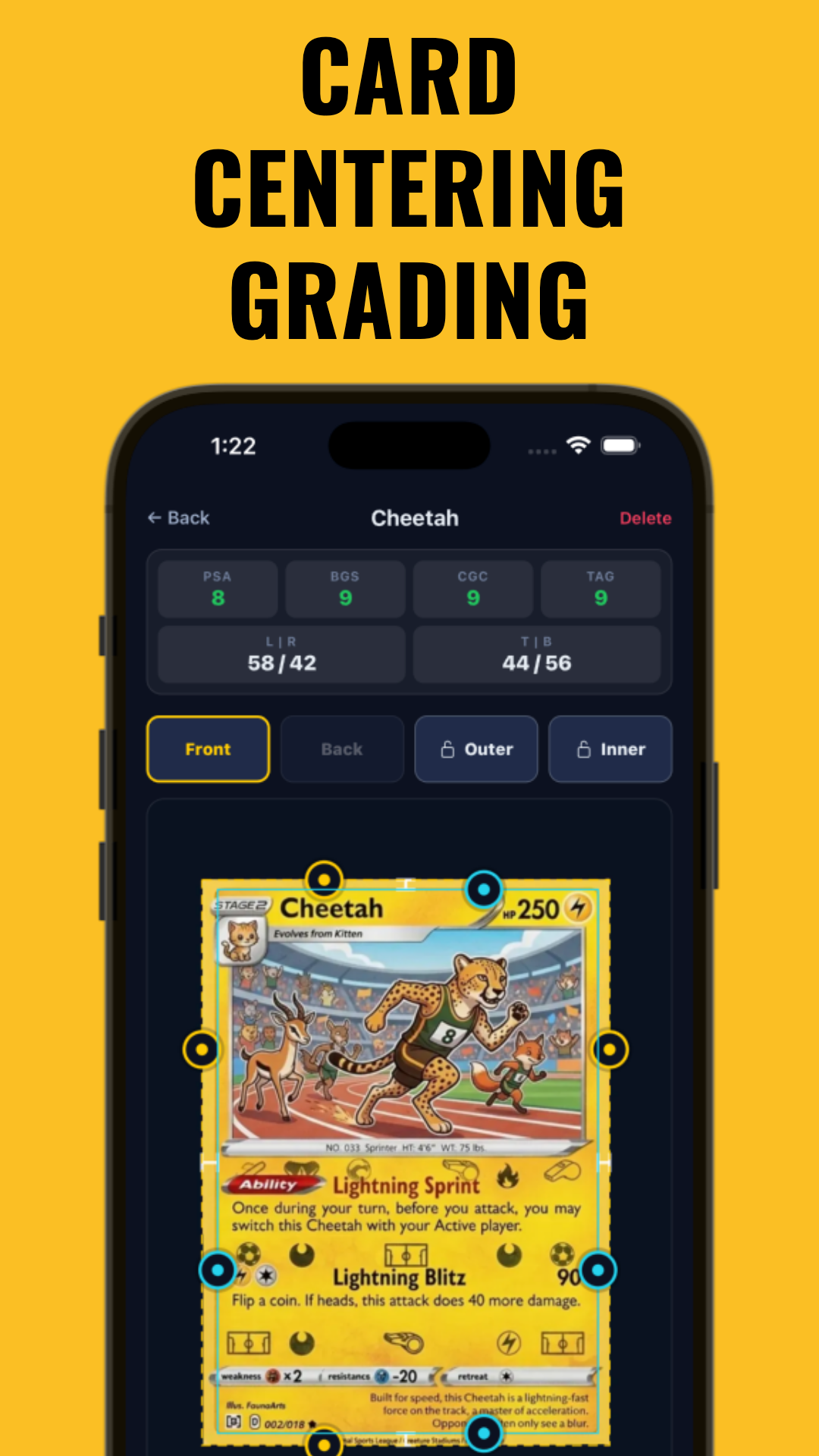
During price dips, grading can be a strategy to add value, but only if cards have strong centering and condition. Midpoint’s AI digital grading tool allows collectors to measure centering precisely before paying submission fees.
Using Midpoint’s pre-grading estimates can help avoid wasted fees on subpar cards and identify those likely to receive higher PSA, BGS, or SGC grades, potentially maximizing returns when the market rebounds.
- Measure centering precisely with Midpoint’s free centering calculator.
- Submit only high-potential cards to save money and improve grade outcomes.
- Track your collection’s value over time using Midpoint’s portfolio tools.
Conclusion
September 2026’s basketball card price changes reflect a complex mix of seasonal trends, licensing shifts, hype corrections, and grading economics. While some star and rookie cards like Wembanyama and Luka Doncic have experienced pullbacks, collectors may capitalize on these dips by focusing on premium sets, grading well-centered cards, and leveraging AI tools to navigate the market more effectively.
Midpoint offers tools to assess card condition, measure centering precisely, and track portfolio value, which can assist collectors in making informed decisions amid market fluctuations. Whether buying the dip or preparing to submit for grading, data-driven tools may help support smarter basketball card investments.
FAQ
Q: Why are basketball card prices dropping in September 2026?
A: The decline is mainly due to seasonal offseason weakness, the NBA license shift from Panini to Topps causing supply changes, and fading playoff hype leading to market corrections.
Q: Which basketball cards are losing value right now?
A: Cards of rookies like Victor Wembanyama and Luka Doncic, plus some base and raw cards from LeBron James and Stephen Curry, are among those seeing notable price drops in September 2026.
Q: Are rookie basketball cards a good buy during the offseason?
A: Offseason dips can be opportunities to buy rookies at lower prices, especially when combined with grading well-centered copies to capture potential future upside.
Q: Is the Topps takeover making basketball cards cheaper or more expensive?
A: The Topps license takeover has introduced competition and supply shifts, putting downward pressure on Panini cards but also creating new market dynamics that may affect prices variably.
Q: Which basketball cards are still going up in value despite the drop?
A: Premium sets like Prizm rookie parallels, Metal Universe, and Exquisite rookie parallels have generally held value or appreciated modestly due to scarcity and collector demand.
Q: How much do graded basketball cards usually fall after a hype spike?
A: Graded cards typically experience smaller pullbacks than raw cards but can still decline by varying amounts after hype fades, depending on the player and set rarity.
Free to start
Try the Midpoint app
Grade any card from a photo, see its raw and PSA 10 value, and track what your collection is worth — free.
Get it on iPhoneGet it on Android