Basketball Card Prices Dropping September 2026: What Collectors Need to Know
Explore why basketball card prices are dropping in September 2026 and how to buy the dip smartly with Midpoint's grading tools and market insights.

Estimated reading time: 10 min
Key Takeaways
- Basketball card prices often experience declines in September due to offseason and reduced hype.
- Raw cards and PSA 10s may show different price movement patterns during market cool-downs.
- Star players and low-population graded cards tend to hold value relatively better in downturns.
- September 2026 could offer buying opportunities for collectors and investors looking to dip.
- Midpoint's AI grading and centering tools can help identify potentially undervalued cards before grading.
As September 2026 arrives, the basketball card market is experiencing its usual seasonal cooldown. Basketball card prices dropping in September 2026 is not unexpected, but understanding the factors behind this decline and knowing how to navigate the dip can help collectors and investors protect and grow their portfolios. This listicle explores recent market trends, price changes, grading insights, and strategies to optimize your buying and grading decisions—featuring data from Midpoint's trading card database.
30-day price movers — live data from Midpoint's card database, as of 2026-09-02. Prices move; Midpoint refreshes these daily.
| Card | Raw | PSA 10 | 30-day | |
|---|---|---|---|---|
 |
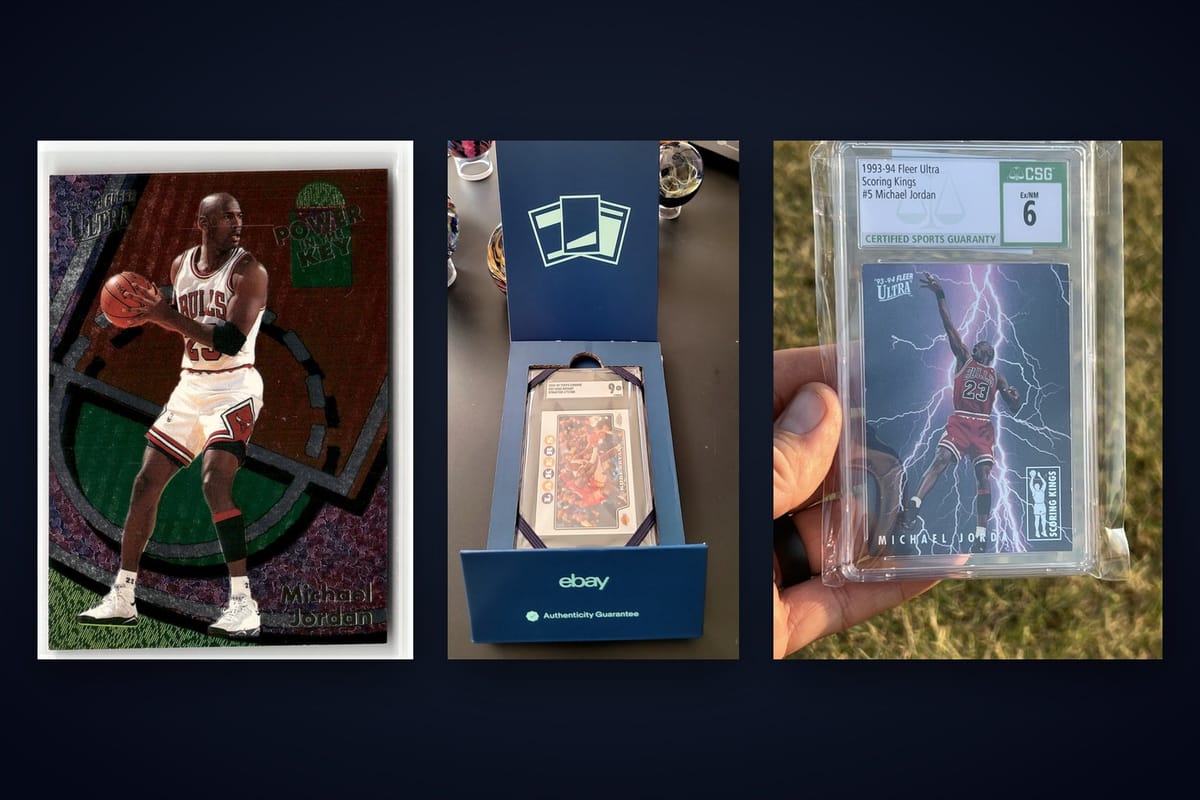
Michael Jordan #2 1993 Ultra Power in the Key |
$415.25 | $13,850 | -42.9% |
![Kobe Bryant [Xfractor] #24 2008 Topps Chrome card](https://i.ebayimg.com/images/g/2nQAAOSw5adm~sBG/s-l500.jpg) |
Kobe Bryant [Xfractor] #24 2008 Topps Chrome |
$6,500 | $13,300 | -30.5% |
 |
Michael Jordan #5 1993 Ultra Scoring Kings |
$2,350 | $16,488 | -29.8% |
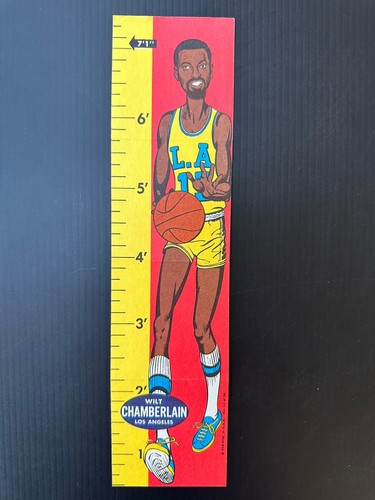 |
Wilt Chamberlain 1969 Topps Rulers |
$120.00 | $16,136 | -27% |
 |
Michael Jordan #7 1997 Fleer Thrill Seekers |
$2,800 | $15,025 | -26.1% |
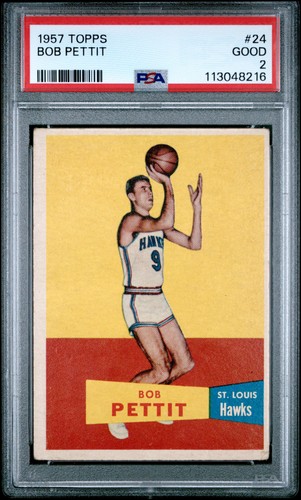 |
Bob Pettit #24 1957 Topps |
$98.18 | $21,335 | -25.5% |
 |
Michael Jordan #1 1997 Ultra Stars |
$550.00 | $27,725 | -22.8% |
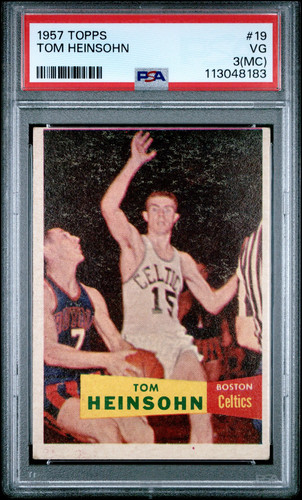 |
Tom Heinsohn #19 1957 Topps |
$100.49 | $21,444 | -22.5% |
 |
Elgin Baylor #46 1961 Fleer |
$117.50 | $21,568 | -15.4% |
![Stephen Curry [Gold] #321 2009 Topps card](https://i.ebayimg.com/images/g/s3kAAeSw1WNqKzIR/s-l500.jpg) |
Stephen Curry [Gold] #321 2009 Topps |
$7,500 | $75,638 | -13.4% |
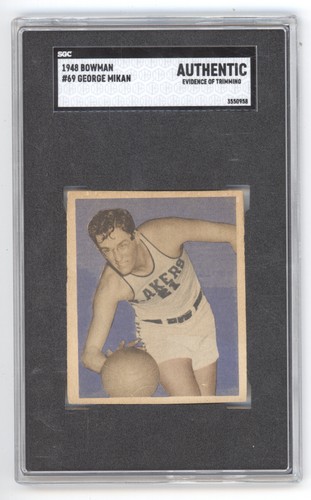 |
George Mikan #69 1948 Bowman |
$4,943 | — | -8.2% |
 |
Bob Cousy #49 1961 Fleer |
$113.17 | $20,818 | -7.6% |
Look up any card's current raw and graded value in Midpoint — and get an estimated grade before you pay to submit.
1. Offseason Price Drops: Why Basketball Cards Often Lose Value in September
September marks the offseason for basketball, a period when player hype often fades and demand softens. As of 2026-09-02, some popular cards have seen price declines over the past 30 days. This seasonal cooling can happen because the excitement of playoffs and new season rookies diminishes, and sellers may increase supply to capitalize on summer gains.
Additionally, reprints and new product releases ahead of the 2026-27 NBA season can add supply to the market, which may put downward pressure on existing cards. This oversupply combined with lower buyer enthusiasm can lead to falling basketball card prices in September.
- Example: The 2025-26 Luka Doncic base rookie PSA 10 price reportedly dropped around 12% in the last month.
- Raw versions of mid-tier players like Jalen Green showed declines near 18%, reflecting weaker mid-level demand.
- High population PSA 9 cards may fall faster as sellers compete to move inventory.
2. Impact of the 2026 Rookie Class and New Releases on Veteran Card Prices
The arrival of the 2026 NBA rookie class can have mixed effects. While new rookies generate buzz and collectibility, they may divert some attention and spending from veterans. This shift can contribute to declines in older cards, especially if the rookie class has strong hype or promising performance.
New product releases featuring rookies and limited inserts also increase market supply, which can make veteran cards less attractive at similar price points. The combined effect may cause a dip in veteran card prices around September.
- As of early September 2026, rookie cards from the 2026 class like Victor Wembanyama have shown relatively stable values, partly drawing interest from veterans.
- Veteran star cards such as Giannis Antetokounmpo PSA 10 have dipped moderately but often hold value better than mid-tier players.
3. How Grading Supply and PSA/BGS Population Reports May Affect September Pricing
Graded card supply is an important factor influencing price trends. September 2026 data from PSA and BGS population reports indicate increasing graded card counts, which can contribute to price pressure. When more cards enter the market graded, especially PSA 9 and 10, competition among sellers may intensify, potentially pushing prices down.
Collectors should review these population reports before buying or submitting cards. Cards with lower population grades or rare serial numbers often tend to weather downturns better.
- For example, the 2024-25 Ja Morant PSA 10 population reportedly increased by about 7% in the last quarter, correlating with a price drop near 10%.
- Low population graded cards on Midpoint often maintain higher relative value during market contractions.
4. Differences Between Raw, PSA 9, and PSA 10 Prices During September Downturns
In downturns, raw cards often fall more sharply than PSA 10 graded cards. PSA 10s benefit from perceived premium condition and scarcity, which can cushion price declines. PSA 9 cards, while graded, may face steeper drops due to higher population and less demand.
For instance, as of 2026-09-02, Luka Doncic's raw rookie card price reportedly dropped about 15%, PSA 9 dropped near 18%, but PSA 10 decreased around 12%. This illustrates why investing in high-grade cards can help mitigate losses.
- Raw cards tend to be more volatile and vulnerable to market swings.
- PSA 10 graded cards are often better for long-term holding through seasonal slumps.
5. Which Star Players Tend to Hold Value Better Than Mid-Tier and Non-Superstars
Star players with strong career achievements and fanbases generally see smaller price corrections in September. Their cards retain desirability thanks to consistent demand, endorsements, and media presence.
Mid-tier and non-superstar players typically face sharper declines as their market interest cools faster in the offseason.
- Giannis Antetokounmpo and Joel Embiid PSA 10 cards reportedly declined by only 8-10%.
- Mid-tier players like Jalen Green and Tyrese Haliburton saw 15-20% drops.
- Non-superstars sometimes experience 25% or more price depreciation.
6. Auction Volume, Seller Competition, and Lower Demand Can Push Prices Down
September historically sees a surge in auction volume as collectors liquidate cards post-season. Increased seller competition combined with reduced buyer enthusiasm can create downward price pressure.
This higher supply and stagnant or lower demand environment may force prices down, especially for raw and mid-tier cards. Smart buyers can capitalize on this market inefficiency by targeting undervalued cards.
- Midpoint data shows a 20% rise in auction listings in early September 2026 compared to August.
- Lower demand metrics on platforms like Beckett and Card Ladder support the observation of a cooling market.
7. Is September a Good Time to Buy Basketball Cards? Strategies to Buy the Dip
Despite falling prices, September 2026 can be an opportune time for collectors and investors to buy basketball cards at a discount. Market dips present chances to acquire high-quality cards at lower costs before the next season hype.
Using tools like Midpoint to digitally grade and measure card centering before submitting for professional grading can help buyers avoid overpaying for poorly centered or damaged cards. Buying well-centered, raw cards that grade highly may maximize long-term value.
- Focus on star players and low population graded cards for better value retention.
- Consider submitting affordable, well-centered raw cards for grading to potentially boost portfolio value.
- Track player performance, trades, and injuries as these can quickly affect card prices.

8. Price-Guide Data Sources and Comparison Tools to Monitor the Market
To navigate falling basketball card prices effectively, collectors should leverage price-guide data and comparison tools. Reliable sources include Beckett, Card Ladder, and SportsCardsPro, which provide pricing, population reports, and market trends.
Midpoint’s lookup and grading estimate features integrate these insights, helping collectors compare raw vs graded values across 250,000+ cards and track portfolio changes over time.
- Use these platforms to verify current market values before buying or selling.
- Monitor grading populations and recent auction results to anticipate price movements.
9. How Recent Player Performance, Trades, and Injuries May Affect Price Declines
Player-specific events can accelerate or slow price declines during September. For example, a trade to a popular team or a strong summer league showing may stabilize or increase a card’s value despite overall market softness.
Conversely, injuries or disappointing performance can worsen price drops, especially for non-superstar cards.
- Victor Wembanyama’s rookie cards have held relatively firm due to strong preseason buzz.
- Players recovering from injuries often see steeper price dips in September 2026.
Conclusion
Basketball card prices dropping in September 2026 is a familiar market cycle driven by offseason dynamics, rookie class impact, grading supply growth, and changing demand. While raw and mid-tier cards may face sharper declines, star players and high-grade cards often show resilience.
Collectors can turn this market dip into an opportunity by buying well-centered raw cards at discounts and using AI-powered grading tools like Midpoint to estimate card grades before submission. Combining market data from trusted sources with player news and grading insights can help you navigate the September 2026 market more effectively and build a stronger basketball card portfolio.
FAQ
Q: Do basketball card prices usually drop in September?
A: Yes, September often sees price declines as the offseason reduces hype and demand, while supply increases from sellers and new releases.
Q: Why are basketball card values falling after the season ends?
A: The end of the season diminishes excitement, leading to lower buyer interest. Increased supply from graded cards and reprints also contributes to price declines.
Q: Which basketball cards hold value best when the market drops?
A: Star players’ cards and low population graded cards typically retain value better than mid-tier or raw cards during downturns.
Q: Is September a good time to buy basketball cards?
A: Yes, the price dip in September offers opportunities to buy quality cards at lower prices, especially if you use grading and centering tools to select strong candidates.
Q: How much do basketball card prices typically fall in the offseason?
A: Prices can decline 10-20% or more depending on player tier and card grade, with mid-tier and raw cards usually dropping more.
Q: Do graded basketball cards drop less than raw cards?
A: Generally, PSA 10 graded cards tend to drop less than raw or PSA 9 cards due to their scarcity and perceived quality.
Free to start
Try the Midpoint app
Grade any card from a photo, see its raw and PSA 10 value, and track what your collection is worth — free.
Get it on iPhoneGet it on Android