Best Pokémon Sets to Invest in: Top Picks and Grading Tips
Discover the best Pokémon sets to invest in with expert grading tips, chase cards, and sealed product insights to maximize your trading card collection value.


Estimated reading time: 12 min
Key Takeaways
- Invest in Pokémon 151 and special Kanto-era sets for nostalgia-driven value, while considering market fluctuations.
- Understand the differences between booster boxes, Elite Trainer Boxes, and singles.
- Grading condition, centering, and rarity can significantly impact card value.
- Use AI tools like Midpoint for grading estimates to assist in decision-making before submission.
- Consider long-term holds with sets showing buyer interest and relative scarcity.
Choosing the best Pokémon sets to invest in involves understanding market trends, grading nuances, and product types. Whether you're interested in iconic chase cards like Pokémon 151 or weighing sealed booster boxes against singles, this guide aims to help you navigate the Pokémon card investment landscape.
Card values — live data from Midpoint's card database, as of 2026-09-03. Prices move; Midpoint refreshes these daily.
| Card | Raw | PSA 10 | Gem premium | |
|---|---|---|---|---|
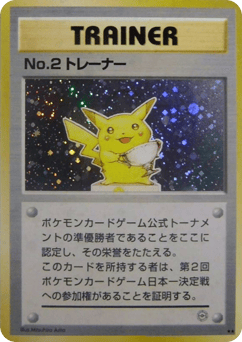 |
No.2 トレーナー Unnumbered Promos (1996) |
— | $444,000 | — |
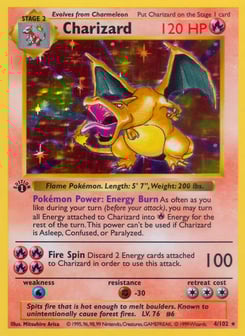 |
Charizard #4/102 Base (1999) |
$2,146 | $414,331 | 193× |
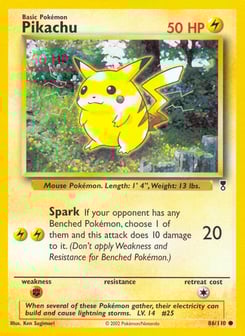 |
Pikachu #86/110 Legendary Collection (2002) |
$650.00 | $239,371 | 368.3× |
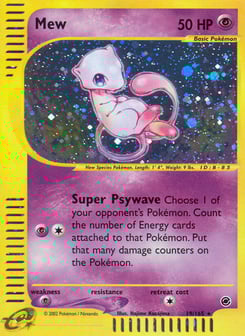 |
Mew #19/165 Expedition Base Set (2002) |
$790.00 | $200,000 | 253.2× |
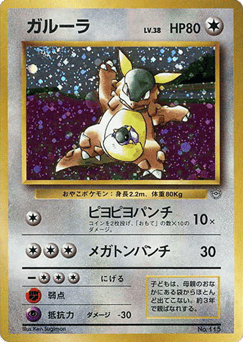 |
ガルーラ Unnumbered Promos (1996) |
— | $197,140 | — |
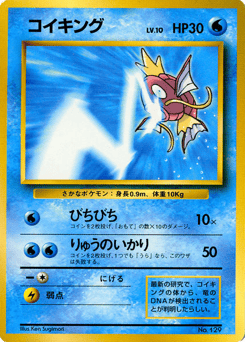 |
コイキング Unnumbered Promos (1996) |
— | $185,642 | — |
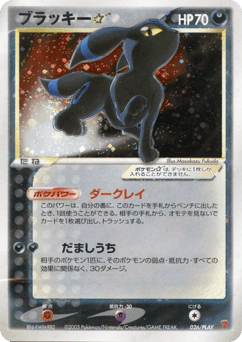 |
ブラッキー☆ #026/PLAY PLAY Promos (2003) |
— | $149,399 | — |
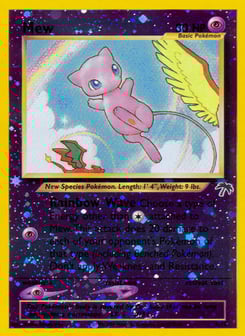 |
Mew #1/18 Southern Islands (2001) |
$571.67 | $140,000 | 244.9× |
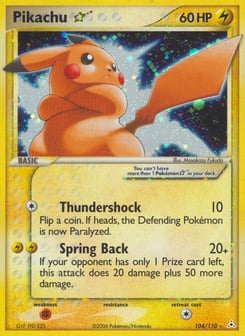 |
Pikachu ☆ #104/110 Holon Phantoms (2006) |
$3,200 | $139,753 | 43.7× |
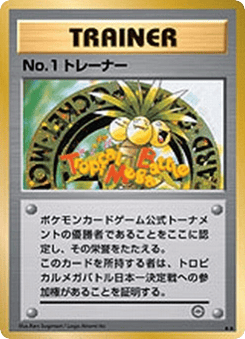 |
No.1 Trainer Unnumbered Promos (1996) |
— | $120,021 | — |
Look up any card's current raw and graded value in Midpoint — and get an estimated grade before you pay to submit.
1. Pokémon 151 and Kanto-Era Sets: Nostalgia Meets Investment
Nostalgia-driven sets such as Pokémon 151 benefit from the enduring popularity of the original 151 Pokémon. These sets often feature chase cards like alternate arts and gold rares that appeal to collectors and investors. For example, the Pikachu #86/110 from the Legendary Collection (2002) has been known to command high PSA10 prices, reflecting strong collector interest in Kanto-era cards.
Investors favor these sets because they combine rarity with a passionate fanbase, which can support demand. Special sets tied to the original era often have limited print runs, contributing to scarcity that may influence prices.
- Look for alternate art cards and Secret Rare (SIR) variants in these sets.
- Chase cards from this era often have historical significance.
- Use Midpoint’s grading tools to assess card centering and condition before investing.
2. Booster Boxes vs Elite Trainer Boxes vs Loose Packs
When investing, sealed product type matters. Booster boxes usually contain 36 packs and generally offer better odds for rare cards, making them popular choices for investors seeking high-value chase cards. Elite Trainer Boxes (ETBs) are smaller, often containing 8-10 packs plus accessories, and appeal more to casual collectors but may produce fewer rare pulls per dollar.
Booster bundles and loose packs offer lower entry costs but less predictable value. For example, a sealed booster box of a popular set often appreciates more reliably than loose packs due to guaranteed unopened status and better odds of premium cards.
- Booster boxes often yield better return on investment over time.
- ETBs are good for collectors prioritizing accessories and gameplay.
- Loose packs are riskier but provide affordable entry points.
3. Chase-Card Value: Alternate Arts, Secret Rares & Iconic Pokémon
Chase cards are central to Pokémon card investment. Alternate art cards, Secret Rare (SIR) cards, and gold rares often command higher premiums. For instance, the Mew #19/165 from Expedition Base Set (2002) has been valued highly in PSA10 condition, reflecting its rarity and collector appeal.
Iconic Pokémon such as Charizard and Pikachu tend to maintain strong demand, with cards like Charizard #4/102 (Base 1999) often cited as valuable examples. These chase cards benefit from a combination of scarcity, visual appeal, and collector interest.
- Focus on cards with potential for high gem premium multipliers when graded.
- Alternate arts and gold rares typically have lower print runs.
- Midpoint’s AI grading can help identify cards likely to receive top grades.
4. Print Run and Reprint Risk: Scarcity Drives Value
Understanding print runs and reprint risks is important. Sets with limited print runs or special distribution—like the Southern Islands (2001) Mew #1/18—often maintain higher long-term value due to scarcity. Conversely, sets subject to frequent reprints may experience price stagnation or declines.
Investors should monitor announcements about reprints or special editions, as these can affect scarcity. The Unnumbered Promos from 1996, such as No.2 トレーナー, have been noted for high PSA10 prices due to limited availability and collector demand.
- Prioritize sets with verifiable limited print runs.
- Be cautious with popular sets that have recent or planned reprints.
- Use Midpoint’s portfolio tracking to observe value trends over time.
5. Popularity and Liquidity: Focus on Sets with Strong Buyer Demand
Liquidity is important for investors who may want to sell cards or sets quickly. Sets tied to popular franchises or featuring fan-favorite Pokémon tend to have more active resale markets. For example, the PLAY Promos set with ブラッキー☆ #026/PLAY is sought after, reflected in its PSA10 pricing.
Before investing, research current market demand and resale velocity. Midpoint provides real-time raw vs graded values across many cards, helping investors identify which sets and individual cards have buyer interest.
- Check recent sales data for set and card liquidity.
- High-demand sets often retain value better during market fluctuations.
- Midpoint’s card lookup feature shows comparative pricing and demand signals.
6. Long-Term Hold vs Short-Term Flip: Investment Horizons
Deciding between a long-term hold or a short-term flip depends on your investment strategy. Long-term holds (12-36 months) may benefit from increasing scarcity and growing nostalgia, while short-term flips rely on market hype or limited-time events.
For example, sealed booster boxes of undervalued recent sets may appreciate steadily over years, whereas chasing short-term hype on new releases can be riskier. The Pikachu ☆ #104/110 from Holon Phantoms (2006) has seen notable short-term price increases, but such rapid gains are not guaranteed.
- Consider your risk tolerance and market timing.
- Use Midpoint’s portfolio tracking to monitor performance over time.
- Combine grading insights with market trends for informed decisions.
7. Evaluating Investment Potential: Pull Rates, Collector Appeal, and Price
Investment potential depends on multiple factors. Pull rates influence how often valuable cards appear in booster packs; collector appeal drives demand; and product price affects entry cost and potential ROI. High pull rates combined with strong collector appeal and reasonable price can create promising investment opportunities.
For example, the Mew #1/18 from Southern Islands has been noted for a high gem premium after grading, indicating significant value uplift. Understanding these factors helps avoid overpaying for common or low-demand products.
- Analyze pull rates by product type (booster, ETB, bundles).
- Focus on sets with iconic or fan-favorite Pokémon.
- Leverage Midpoint’s AI grading and price data for analysis.
8. Undervalued Current Sets and Beginner-Friendly Picks
For newcomers, some recent sets may be undervalued yet have growth potential. These often have lower entry prices and less investor competition, making them accessible starting points. Midpoint’s card grading guide and lookup tools can help beginners understand grading nuances and identify valuable cards.
Sets from the Sword & Shield (SWSH) era and early Scarlet & Violet (SV) expansions often fit this profile. Using Midpoint’s centering measurement and AI grading estimates can provide confidence before submitting cards for professional grading.
- Start with popular recent sets that show steady demand.
- Utilize Midpoint’s free centering calculator for pre-grade checks.
- Explore guides on grading for Pokémon and other TCGs like One Piece, MTG, and Yu-Gi-Oh.
Conclusion
Investing in Pokémon sets requires a blend of market knowledge, grading expertise, and strategic product selection. From nostalgia-fueled sets like Pokémon 151 to current expansions, understanding chase cards, print runs, and product types is important. Tools like Midpoint offer AI-driven grading estimates and comprehensive price data across major trading card games, helping collectors make informed decisions. Whether you’re a seasoned investor or a beginner, leveraging grading insights and market trends can help maximize your collection’s potential.
FAQ
Q: What is the best Pokémon set to invest in right now?
A: Nostalgia-driven sets like Pokémon 151 and Kanto-era collections are often considered strong investments due to scarcity and collector demand. Some recent sets from the Sword & Shield and Scarlet & Violet series may also offer growth potential, but market conditions can vary.
Q: Should I buy booster boxes or Elite Trainer Boxes for Pokémon investing?
A: Booster boxes generally offer better pull rates and long-term value, making them preferred for serious investors. Elite Trainer Boxes are more accessible but may yield fewer rare cards per dollar.
Q: Are special sets better investments than standard sets?
A: Special sets often have limited print runs and unique chase cards, which can increase scarcity and value. However, standard sets with iconic Pokémon and strong demand can also be solid investments.
Q: Which Pokémon sets have the best chase cards for long-term value?
A: Sets featuring alternate arts, Secret Rares, and gold rares—such as Legendary Collection, Expedition Base Set, and Southern Islands—are known for valuable chase cards.
Q: Will Pokémon 151 or Prismatic Evolutions go up in value?
A: Pokémon 151 is often regarded as a strong long-term hold due to nostalgia and rarity. Prismatic Evolutions may appreciate but could be more susceptible to reprint risk; evaluating each set’s scarcity is important.
Q: How do I know if a Pokémon set is a good investment?
A: Consider print run size, collector demand, chase card quality, and grading potential. Tools like Midpoint can provide AI grading estimates and track price trends to assist your evaluation.
Free to start
Try the Midpoint app
Grade any card from a photo, see its raw and PSA 10 value, and track what your collection is worth — free.
Get it on iPhoneGet it on Android