Cale Makar Trading Cards: Ultimate Guide to Value & Rarity
Discover the top Cale Makar trading cards, rookie highlights, grading premiums, and market values to build a winning collection.


Estimated reading time: 20 min
Key Takeaways
- The 2019 Upper Deck Young Guns (#493) is widely regarded as Cale Makar's flagship rookie card and a popular base card, serving as a foundational collectible for fans and investors alike.
- Premium rookie autograph and patch autograph cards from SP Authentic, The Cup, and Exquisite are among the highest-valued Cale Makar cards, often commanding multi-thousand dollar prices.
- Grading by PSA 10 or BGS 10 can significantly increase card prices, with graded cards often selling for several times more than raw versions, reflecting collector confidence and condition assurance.
- Serial-numbered parallels, short prints, and limited production inserts create scarcity that can drive collector demand and price premiums.
- Market activity data indicates that Young Guns cards consistently lead trade volume and watch lists, underscoring their enduring popularity and liquidity in the hockey card market.
Table of Contents
- Section 1: Understanding Cale Makar's Rookie Card
- Section 2: Most Valuable Cale Makar Trading Cards
- Section 3: Premium Rookie Autos and Patch Cards
- Section 4: Grading Premiums and Market Price Differences
- Section 5: Serial-Numbered Parallels, Inserts, and Scarcity
- Section 6: Market Volume, Trends, and Card Popularity
- Conclusion
- FAQ
Section 1: Understanding Cale Makar's Rookie Card
What Defines a 'Rookie Card'?
A rookie card is traditionally defined as the first officially licensed trading card produced during a player's debut season in a professional league, signifying the athlete's official entry into the sports card marketplace. For Cale Makar, the 2019-20 Upper Deck Young Guns series, specifically card #493, is widely recognized as his flagship rookie card. This card is the earliest mainstream card that features him as an NHL player, making it a cornerstone for collectors and investors.
Rookie cards can sometimes be complicated by pre-rookie or prospect cards issued prior to a player’s debut, but the Young Guns card remains the most commonly accepted rookie card due to its release timing, official NHL licensing, and widespread collector recognition. Grading companies like PSA and BGS also designate this as Makar’s rookie card, contributing to its legitimacy and market desirability.
2019 Upper Deck Young Guns #493: The Flagship
This card debuted during the 2019-20 NHL season, capturing Makar in an action pose that highlights his dynamic skating and puck-handling skills. The card design features the iconic Young Guns logo, a hallmark for rookie cards of many top NHL players, which boosts its collector appeal.
The card’s clean, minimalist design emphasizes the player image without overwhelming graphics, which appeals to traditional collectors. It was widely distributed in retail and hobby packs, making it accessible but still challenging to find in gem mint condition due to handling, centering, and print quality variances common in Upper Deck releases.
The Young Guns card is often considered a gateway card for new hockey collectors, balancing affordability with long-term investment potential. Its status as Makar’s first major card means it is likely to remain relevant as his career progresses.
Why This Card Matters to Collectors
- Historical significance: It marks the official start of Makar’s NHL trading card legacy and is a key piece in any comprehensive collection of modern hockey stars.
- Popularity: Young Guns subsets have long been among the most popular rookie sets in hockey card collecting, with many of the best defensemen and forwards featuring valuable cards in this series.
- Grading demand: Cards graded PSA 10 or BGS 10 show qualities such as excellent centering, sharp corners, and clean surfaces — attributes that are often difficult to find in raw cards — leading to significant price premiums.
- Market liquidity: Due to their popularity and accessibility, Young Guns cards are generally highly liquid assets, frequently bought and sold in secondary markets.
Section 2: Most Valuable Cale Makar Trading Cards
Raw vs Graded Value Comparison
The difference in value between raw and graded Cale Makar cards can be substantial, reflecting the importance of verified condition and authenticity in the collectibles market. For instance, a raw 2019 Upper Deck Young Guns #493 card in good to excellent condition typically ranges between approximately $100 and $150 on average, although prices can vary depending on centering and surface quality.
Once graded by PSA or BGS and assigned a 10 (Gem Mint) grade, the same card can command prices exceeding $1,000, with some sales in top market conditions reaching higher amounts. This increase illustrates the premium collectors may be willing to pay for condition assurance and the added market confidence grading provides.
Similarly, premium autograph cards often show even greater disparities. Raw SP Authentic Rookie Autograph cards might sell for several hundred dollars, but when graded PSA 10 or BGS 10, values can increase significantly depending on serial numbering and rarity.
Top Cards by Market Value
- 2019 Upper Deck Young Guns #493 (PSA 10): Typically valued between $1,000 and $1,500+ depending on market conditions and recent sales trends.
- 2020 SP Authentic Rookie Autograph: These on-card autograph cards, often serial-numbered, range from around $2,500 to $4,000+, with the most coveted versions featuring low serial numbers (e.g., /10 or /25) commanding the highest prices.
- 2019-20 The Cup Rookie Patch Autographs: The Cup is widely considered a high-end hockey card brand. Makar’s rookie patch autos from this set, featuring multi-colored game-used jersey swatches, typically have serial numbers limited to 99 or fewer; some ultra-rare parallels are numbered below 10. Prices for these cards often exceed $5,000, with the rarest examples selling for significantly more.
- Exquisite Collection Rookie Patch Autos: Positioned at the top of the market, these cards contain large, premium jersey patches and pristine autographs. Due to extremely limited print runs (often under 25 copies per parallel), these cards can command prices upwards of $7,000, and in some cases, when graded PSA 10 or BGS 10, have sold for over $10,000.
Record Sales and Market Highs
The highest publicly reported sale for a Cale Makar card to date reportedly surpassed $10,000 for a pristine Exquisite Collection rookie patch autograph graded PSA 10. This record highlights the convergence of rarity, autograph presence, and grading quality as key factors in achieving top market prices.
Beyond individual sales, recent market data suggests an upward trend in prices for high-grade Makar cards, driven by his continued on-ice success, including Norris Trophy considerations and playoff performances. Collectors and investors often view his cards as long-term holds due to his potential Hall of Fame career trajectory.
Section 3: Premium Rookie Autos and Patch Cards
SP Authentic Rookie Autographs
SP Authentic is known for producing high-quality rookie autograph cards featuring on-card signatures, which are generally preferred over sticker autographs due to collector perception of authenticity and aesthetics. Makar’s SP Authentic Rookie Autograph cards often come with serial-numbered parallels, including common versions numbered to 999, and more exclusive parallels limited to 199, 99, 50, 25, or even 10 copies.
These serial-numbered variations can significantly affect market value. For instance, a raw SP Authentic Rookie Auto numbered to 999 might sell for $700 to $1,000, whereas a /25 or /10 parallel can command $2,500 to $4,000 or more, especially if graded PSA 10 or BGS 10. The scarcity of lower-numbered parallels drives this premium as collectors seek exclusivity.
Collectors prize the on-card autograph’s clarity, ink quality, and placement, which can influence grading sub-scores and final card value. Cards with smudges, off-center signatures, or surface imperfections often sell at discounts.
The Cup Rookie Patch Autographs
The Cup is Upper Deck’s premier high-end hockey card brand, known for its scarcity and premium features. Cale Makar’s rookie patch autographs in The Cup set combine a piece of game-used jersey—often multi-colored or featuring intricate stitching—with an on-card autograph. This combination makes these cards among the most coveted.
The print runs are intentionally low, with base patch autos typically capped at /99 copies, while rarer parallels can be limited to as few as /10 or even 1/1 (one of one). These ultra-limited parallels might feature special patch pieces, such as “logo” or “jersey number” swatches, which are highly prized by collectors.
Due to their scarcity and premium materials, The Cup patch autos are often considered trophy cards for serious collectors. Prices for raw versions commonly start around $3,000 and climb substantially for graded copies, with PSA 10 exemplars regularly fetching $5,000 or more.
Exquisite Collection Patch Autos
Exquisite Collection represents the pinnacle of hockey card production, with extremely limited print runs and oversized, high-quality patch swatches. Makar’s rookie patch autos in Exquisite sets usually contain large swatches from game-worn jerseys, sometimes multi-colored or featuring unique stitching details.
These cards are produced in very low quantities—often fewer than 25 copies per parallel—with some special parallels being 1/1. The autograph placement is carefully designed to maximize aesthetic appeal, often centered on a clean, glossy card surface.
Given their scarcity, premium materials, and prestigious brand, Exquisite patch autos are considered trophy collectibles, frequently gracing the portfolios of top-tier investors and serious collectors. They consistently command some of the highest market prices in the Cale Makar card ecosystem, with PSA 10 graded cards achieving the $7,000 to $10,000+ range.
Section 4: Grading Premiums and Market Price Differences
Why Grading Matters for Cale Makar Cards
Professional grading services such as PSA (Professional Sports Authenticator), BGS (Beckett Grading Services), and CGC Sports verify a card’s authenticity and condition by evaluating centering, corners, edges, and surface quality. For high-value cards like Cale Makar’s rookie and autograph cards, grading reduces buyer risk and helps sellers achieve higher market prices.
Graded cards come encapsulated in tamper-evident holders that preserve the card’s condition, adding a layer of protection and enhancing collectability. Grading also facilitates easier resale and provenance tracking, which is important in the secondary market.
Many raw cards suffer from minor flaws—such as slight mis-centering, edge wear, or surface scratches—so grading can confirm when a card achieves the highest quality level (Gem Mint or Black Label 10). This certification often results in notable price premiums.
PSA 10 vs BGS 10 Premiums
- PSA 10 (Gem Mint): Often regarded as the industry gold standard, PSA 10 cards are highly sought after. PSA’s grading scale has been widely adopted, and cards with this grade typically command high prices due to perceived consistency and market preference.
- BGS 10 (Black Label): Beckett’s Black Label 10 is also prestigious and is sometimes preferred by collectors for its detailed subgrade breakdowns (centering, corners, edges, surface). Cards with a BGS 10 and high subgrades, especially for centering and surface, can sometimes outprice PSA 10 cards depending on collector preferences.
- Midpoint’s AI grading tool (Midpoint) leverages advanced computer vision and machine learning to estimate grading results before official submission. This helps sellers identify cards with strong centering and surface qualities, potentially saving grading fees and maximizing return on investment.
Raw vs Graded Price Gaps
The price gap between raw and graded PSA 10 or BGS 10 Cale Makar cards can be substantial. For example, a raw Young Guns #493 card in excellent condition may sell for about $120, but grading it PSA 10 can push the price beyond $1,000, representing a significant increase.
Similarly, premium autograph cards can experience even more pronounced premiums, with graded versions selling for multiples of the raw price depending on the grade and rarity. This disparity incentivizes collectors and investors to use AI-powered tools like Midpoint to pre-assess cards, focusing grading submissions on those with a strong chance of achieving top grades.
Moreover, grading adds liquidity and trust in transactions, as buyers are more willing to pay premium prices for cards with verified condition and authenticity. This dynamic has made grading an important step in the modern card collecting market.
Section 5: Serial-Numbered Parallels, Inserts, and Scarcity
Understanding Parallels and Inserts
Parallels are variations of base cards with unique features such as different colored borders, foil stamping, or serial numbering that limit the print run. For example, a base Young Guns card may have a parallel numbered to 99, 50, 25, or even as low as 1/1, indicating a single copy. These parallels add scarcity and are more sought after by collectors.
Inserts are special cards randomly inserted into packs, often featuring unique artwork, thematic designs, or alternate photography. Inserts typically have lower print runs than base cards, making them collectible. Some inserts may also be serial-numbered or autographed, further enhancing their rarity and desirability.
Scarcity Among Cale Makar Cards
- Short Prints: These cards have intentionally lower print runs than base cards and generally appear less frequently in packs. For example, a short print Young Guns parallel numbered /299 or lower is harder to find, increasing its market value.
- Serial-Numbered Parallels: Cards numbered from 1 to 99 represent limited editions, while 1/1 cards are uniquely valuable due to their singularity. Lower-numbered parallels (e.g., /10 or /5) often command significant premiums due to extreme rarity.
- Autographed Parallels: Cards featuring on-card autographs combined with serial numbering create a highly exclusive subset. Limited production autograph parallels increase scarcity and collector appeal.
Impact on Value and Collectability
The scarcity created by short prints and serial-numbered parallels can directly influence collector demand and prices. Collectors often seek to complete sets including these rarer cards, and the limited availability drives premiums that can be multiples of base card values.
For example, a Young Guns base card may sell for around $150 raw, whereas a parallel numbered to 25 might trade for $400-$600 raw, and a 1/1 autographed parallel can exceed several thousand dollars graded, depending on condition and market interest.
Scarcity also enhances the emotional and investment appeal of cards, as owning a rare parallel or insert carries prestige and potential for future price appreciation, especially as a player’s career flourishes.
Section 6: Market Volume, Trends, and Card Popularity
Trading Volume Insights
The 2019 Upper Deck Young Guns #493 remains one of the most actively traded Cale Makar cards, largely due to its status as a flagship rookie card and relatively broad availability. High trading volume is a positive indicator for collectors and investors, as it signals liquidity and a robust secondary market.
Consistent trade activity means that buyers and sellers can transact with relative ease, minimizing bid-ask spreads and reducing price volatility. This liquidity makes Young Guns an attractive entry point for new collectors and a reliable asset for seasoned investors.
Most Watched Listings
Marketplaces such as eBay, COMC, and specialized sports card platforms regularly show high watchlist counts on premium Makar cards, especially rookie patch autos from The Cup and Exquisite collections. This watchlist activity reflects strong buyer interest and anticipation of price appreciation, often preceding market rallies.
For example, a recent analysis showed that The Cup rookie patch autos had watchlist counts several times higher than other comparable rookies, indicating heightened demand. Sellers can leverage this data by timing listings when watchlist and trade activity peaks.
Rookie Card Rankings and Defensemen Comparison
Among NHL defensemen rookies, Cale Makar’s cards consistently rank near the top in terms of value, popularity, and collector interest. He is often compared alongside established stars like Victor Hedman, Seth Jones, and Quinn Hughes. Makar’s Norris Trophy candidacies and elite defensive skill set support sustained demand for his cards.
Market reports frequently rank Makar’s Young Guns card among the top defensemen rookie cards of the 2010s decade, and his premium autos are often highlighted as blue-chip assets for hockey card investors.
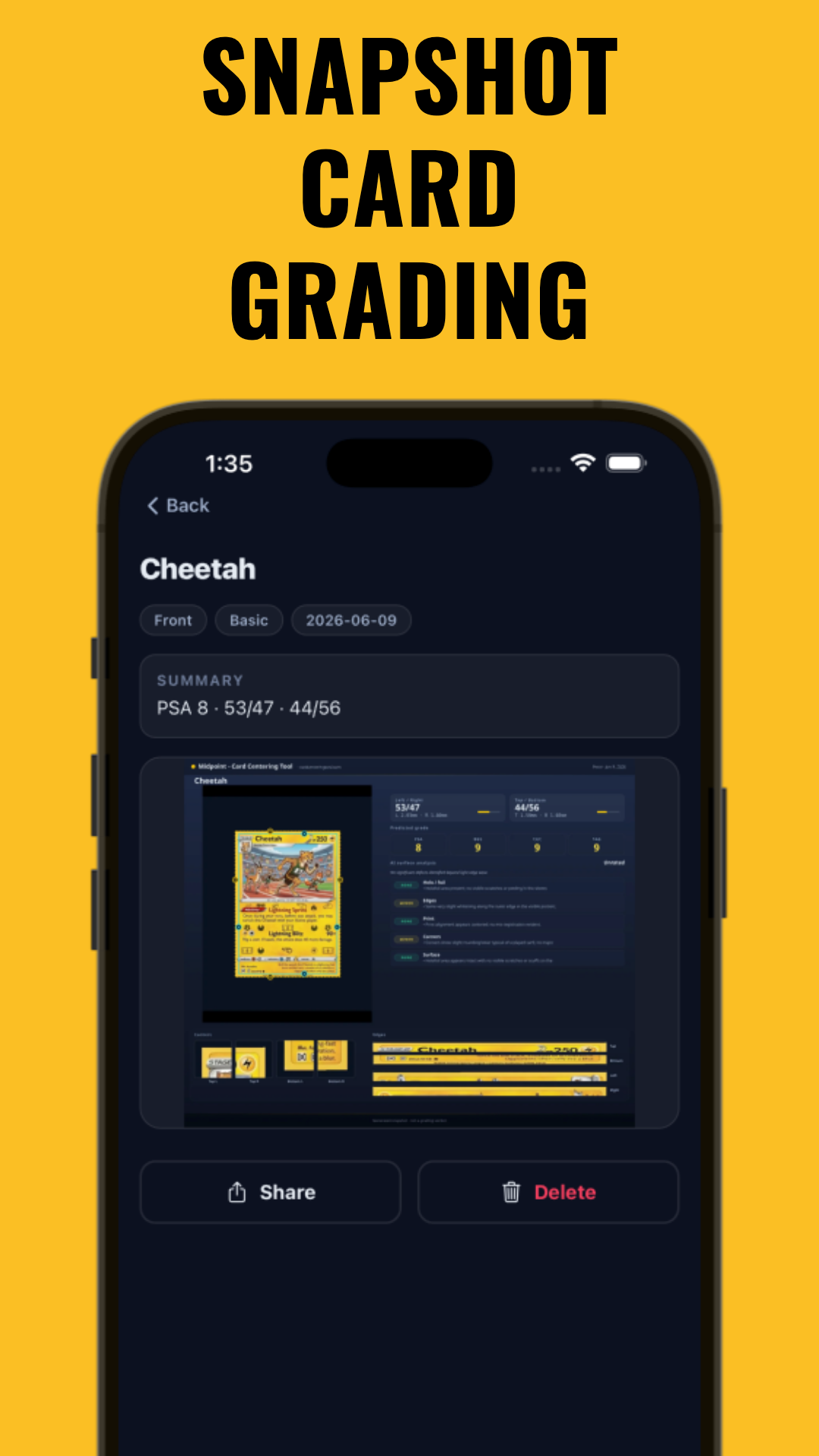
Apps like Midpoint provide AI-powered grading estimates and portfolio tracking tools that help collectors monitor card condition trends and portfolio values over time. These tools enable collectors to make data-driven decisions on grading submissions, acquisitions, and sales, enhancing investment outcomes.
Conclusion
Cale Makar trading cards represent a compelling intersection of accessibility, rarity, and high-end collectibles for hockey enthusiasts and investors. His 2019 Upper Deck Young Guns #493 card serves as the cornerstone rookie card, offering both historical significance and strong market liquidity.
For collectors seeking premium assets, rookie autograph and patch autograph cards from SP Authentic, The Cup, and Exquisite collections form the elite tier within the Makar card ecosystem. These cards combine scarcity, premium materials, and autograph presence that can drive multi-thousand dollar valuations.
Professional grading by PSA or BGS can significantly elevate card values by providing verified condition and authenticity, with graded PSA 10 and BGS 10 cards often commanding substantial premiums over raw versions. Serial-numbered parallels, short prints, and insert cards create additional layers of rarity that further enhance collectability and market appeal.
Staying informed on market trends, grading nuances, and card condition is important for maximizing value in this dynamic market. Employing AI-powered tools like Midpoint offers collectors an advantage by providing grading estimates and portfolio insights, empowering smarter decisions when buying, grading, or selling Cale Makar cards.
As Makar’s NHL career continues to develop, his cards are expected to remain highly desirable assets within the hockey card community, combining both sentimental and investment value.
FAQ
Q: What is Cale Makar's rookie card?
A: The widely accepted rookie card for Cale Makar is the 2019 Upper Deck Young Guns #493. This card is recognized by collectors and grading companies as his flagship rookie card, marking the official start of his NHL card collecting journey.
Q: What is Cale Makar's most valuable trading card?
A: Premium rookie patch autograph cards from The Cup and Exquisite collections are among the most valuable Cale Makar cards, with some sales exceeding $10,000 for graded, pristine-condition examples featuring low serial numbers.
Q: How much is a Cale Makar Young Guns card worth?
A: Raw versions of the 2019 Upper Deck Young Guns #493 typically range from around $100 to $150 depending on condition. PSA 10 graded copies often sell for over $1,000, with prices fluctuating based on market demand and recent sales.
Q: What are the best Cale Makar rookie cards to buy?
A: The 2019 Upper Deck Young Guns #493 is considered the best base rookie card. For premium options, SP Authentic rookie autograph cards, The Cup rookie patch autographs, and Exquisite rookie patch autos are excellent choices offering rarity and investment potential.
Q: What is the highest sale ever for a Cale Makar card?
A: The highest publicly reported sale for a Cale Makar card surpassed $10,000, achieved by a pristine Exquisite Collection rookie patch autograph graded PSA 10.
Q: Which Cale Makar cards are worth grading?
A: Rookie cards in excellent condition—especially the Young Guns base card, SP Authentic autograph cards, and premium patch autograph cards from The Cup and Exquisite—are ideal candidates for grading. These cards tend to show the greatest premiums when graded PSA 10 or BGS 10.
Free to start
Try the Midpoint app
Grade any card from a photo, see its raw and PSA 10 value, and track what your collection is worth — free.
Get it on iPhoneGet it on Android