Call of Legends Pokemon Cards Value: Ultimate 2026 Guide
Discover the complete Call of Legends Pokemon cards value guide with top cards, PSA 10 premiums, grading tips, and market trends for 2026.

Estimated reading time: 18 min
Key Takeaways
- The Call of Legends Pokemon cards value varies widely by card rarity, condition, and grading status, with premiums often seen for top-graded cards.
- Key chase cards like Lugia, Ho-Oh, and Rayquaza tend to command higher prices, especially in PSA 10 grades, sometimes exceeding raw values by over 2.5x.
- Grading premiums can significantly increase raw prices, but accurate centering and surface condition analysis before grading submission is important to avoid costly mistakes.
- Reverse holo and secret rare cards often have distinct value tiers influenced by print type, condition, and collector demand, with some secret rares approaching holo rares in value.
- Sealed products and booster packs maintain value with occasional spikes driven by market trends, anniversaries, and collector interest in unopened product.
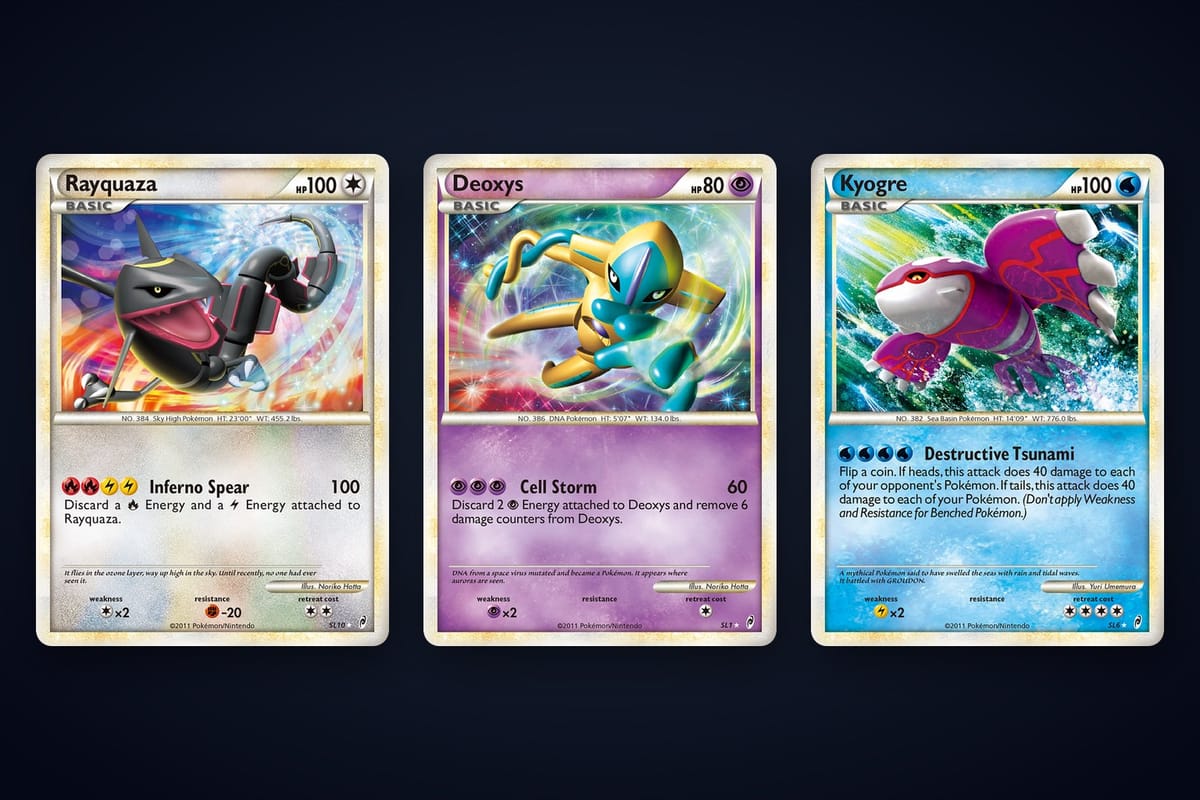
Card values — live data from Midpoint's card database, as of 2026-09-12. Prices move; Midpoint refreshes these daily.
| Card | Raw | PSA 10 | Gem premium | |
|---|---|---|---|---|
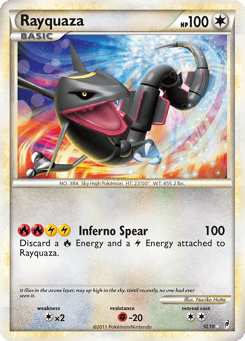 |
Rayquaza #SL10 Call of Legends (2011) |
— | $180,200 | — |
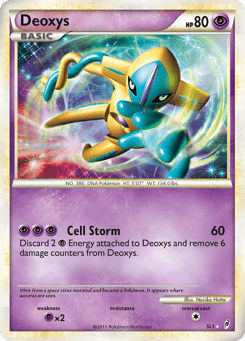 |
Deoxys #SL1 Call of Legends (2011) |
$500.00 | $47,716 | 95.4× |
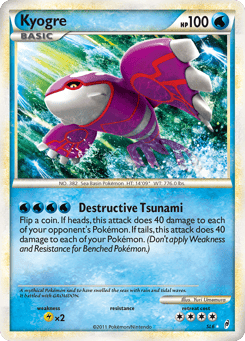 |
Kyogre #SL6 Call of Legends (2011) |
$269.99 | $36,000 | 133.3× |
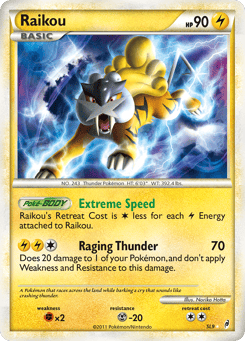 |
Raikou #SL9 Call of Legends (2011) |
$170.00 | $30,589 | 179.9× |
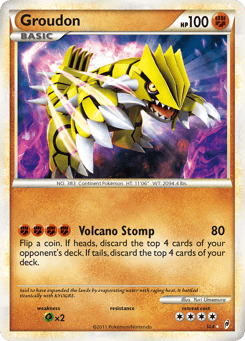 |
Groudon #SL4 Call of Legends (2011) |
$514.16 | $28,850 | 56.1× |
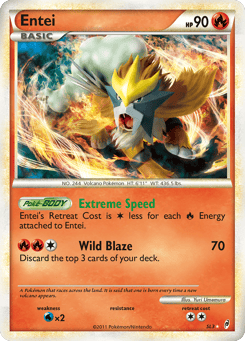 |
Entei #SL3 Call of Legends (2011) |
$290.00 | $25,949 | 89.5× |
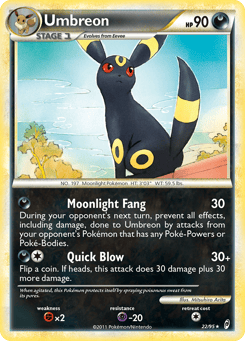 |
Umbreon #22/95 Call of Legends (2011) |
$187.26 | $25,065 | 133.9× |
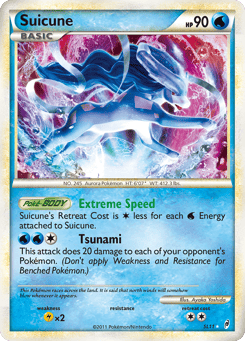 |
Suicune #SL11 Call of Legends (2011) |
$325.00 | $21,785 | 67× |
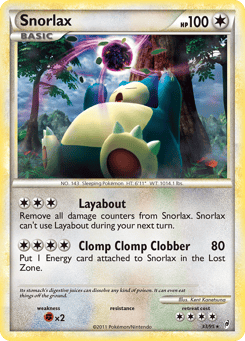 |
Snorlax #33/95 Call of Legends (2011) |
$850.00 | $20,194 | 23.8× |
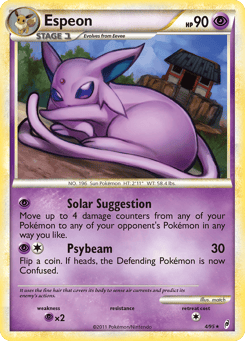 |
Espeon #4/95 Call of Legends (2011) |
$74.77 | $13,666 | 182.8× |
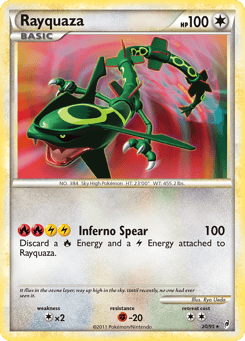 |
Rayquaza #20/95 Call of Legends (2011) |
$1,013 | $10,564 | 10.4× |
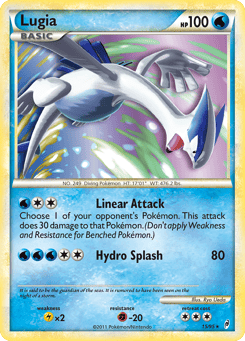 |
Lugia #15/95 Call of Legends (2011) |
$197.26 | $10,258 | 52× |
Look up any card's current raw and graded value in Midpoint — and get an estimated grade before you pay to submit.
Table of Contents
- Section 1: Understanding Call of Legends Pokemon Cards Value
- Section 2: Most Valuable Call of Legends Cards and Their Prices
- Section 3: Call of Legends PSA 10 Value and Grading Premiums
- Section 4: Value by Card Condition and Print Type
- Section 5: Complete Card List and Price Guide Overview
- Section 6: Sealed Product and Pack Value Insights
- Section 7: Market Trends and How They Affect Card Values
Conclusion
FAQ
Section 1: Understanding Call of Legends Pokemon Cards Value
What Defines Call of Legends Card Value?
Call of Legends Pokemon cards value is influenced by factors including rarity, card condition, collector demand, and grading status. Released in 2011 as part of the HeartGold & SoulSilver series, this set includes iconic Legendary Pokemon such as Lugia, Ho-Oh, and Rayquaza, which are popular among collectors. The set’s value stems from these chase cards as well as the overall scarcity of certain print runs and the nostalgia associated with the era.
Rarity categories in Call of Legends range from common and uncommon cards to rare holo, reverse holo, secret rares, and ultra rares. Secret rares, which are numbered beyond the set count (e.g., 112/111), often feature shiny or alternate art versions of popular Pokemon, making them sought after by collectors.
Collectors consider both raw and graded card prices. Raw cards are valued based on visible condition and rarity but can vary due to subjective assessment of wear or defects. Graded cards, certified by professional services such as PSA, Beckett (BGS), or CGC, provide an objective condition score that influences price, often commanding premiums above raw values.
Raw vs Graded Cards: Why the Difference Matters
Raw cards are ungraded and their value depends largely on visible factors including centering, surface scratches, edge wear, corner sharpness, and print quality. Because these factors can be difficult to quantify consistently, raw card prices fluctuate and often represent a baseline market value.
Graded cards undergo professional evaluation and receive a numerical grade, with PSA 10 representing Gem Mint condition. This grade assures buyers of the card’s quality, which can increase demand and price substantially. Many PSA 10 Call of Legends cards sell for two to three times the price of their raw counterparts, though premiums vary.
However, grading involves costs—typically $20 to $50 per card depending on service and turnaround time—as well as risk, since cards can receive lower than expected grades or be damaged during submission. Therefore, estimating a card’s likely grade before sending it for grading is advisable to avoid unnecessary expenses.
Using AI Tools to Estimate Card Value
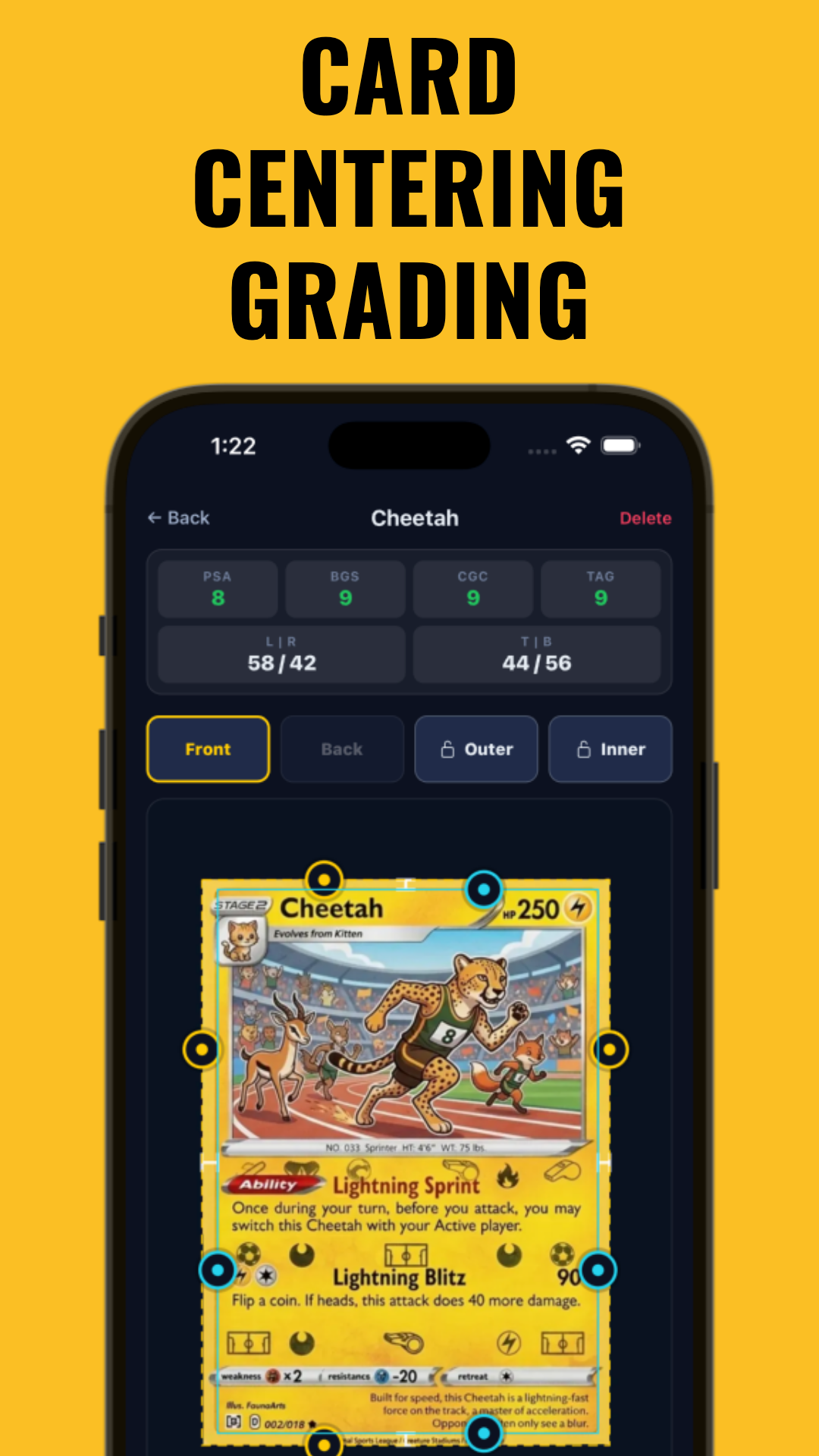
Modern technology has enhanced card evaluation. Apps like Midpoint use artificial intelligence to analyze cards’ centering, edges, corners, and surface condition from high-resolution photos. These AI-driven tools provide estimated grades aligned with major grading companies such as PSA, BGS, CGC, and TAG.
For example, Midpoint’s AI grading tool can measure centering with fine precision, detect subtle surface imperfections, and assess corner sharpness objectively. This helps collectors identify cards with a strong chance of achieving PSA 10 or BGS 9.5 grades, optimizing grading decisions and minimizing unnecessary fees.
Additionally, these tools aggregate market data to provide real-time price estimates for both raw and graded cards, assisting collectors and investors in making informed decisions on buying, selling, or holding their Call of Legends cards.
| Card | Raw Value (USD) | PSA 10 Value (USD) |
|---|---|---|
| Lugia | 450 | 1,200 |
| Ho-Oh | 380 | 950 |
| Rayquaza | 350 | 900 |
Section 2: Most Valuable Call of Legends Cards and Their Prices
Top Chase Cards
The Call of Legends set features some of the most sought-after legendary Pokemon, with the top chase cards generally being:
- Lugia (#11/111) — This card is popular due to its iconic status and relatively low print run. Raw Lugia cards often average around $450, while PSA 10 graded copies have been reported to sell for up to $1,200 as of 2026. Market liquidity helps maintain demand.
- Ho-Oh (#12/111) — Ho-Oh is also prized, with raw copies trading near $380 and PSA 10 versions fetching around $950. Its legendary appeal and artwork contribute to collector interest.
- Rayquaza (#13/111) — Rayquaza’s dynamic art and fan popularity keep its raw value near $350, with PSA 10 graded cards selling for approximately $900. Its presence in popular media and competitive play supports demand.
These cards’ status, availability, and collector demand influence prices, especially when found in excellent condition. Even slight imperfections can reduce value noticeably.
Secret Rares and Shiny Variants
Secret rare cards in Call of Legends, particularly shiny or alternate color variants of Lugia and Ho-Oh, often command raw prices above $300. Their rarity and unique aesthetics appeal to collectors seeking standout cards beyond standard holo rares.
In top graded condition (PSA 10 or equivalent), these secret rares can reach $700 to $800 or more. For example, a secret rare shiny Lugia card might sell for around $320 raw but can increase significantly in price once graded gem-mint.
Collectors also value these cards for completing competitive or thematic collections, supporting their market strength. Limited print runs and less frequent availability on secondary markets contribute to their premium pricing.
Noteworthy Reverse Holos and Commons
Reverse holo cards, which feature holographic backgrounds instead of artwork, generally carry lower value than full-art or secret rare cards. However, certain reverse holo cards such as Lugia or Ho-Oh maintain respectable prices, typically ranging from $100 to $150 raw.
PSA 10 graded reverse holo cards of legendary Pokemon can exceed $400, reflecting their scarcity in top condition and collector interest. Reverse holos of commons and uncommons usually trade below $10 unless part of a complete set or in exceptional condition.
Commons and uncommons in the Call of Legends set are plentiful and have limited individual value, often under $5 each. Completing a set with high-condition commons/uncommons adds value to a collection, especially when paired with graded rare cards.
Section 3: Call of Legends PSA 10 Value and Grading Premiums
PSA 10 Value vs Raw Price: Understanding the Premium
PSA 10 graded Call of Legends cards often command premiums between 2.5x to 3x the card’s raw price. This premium reflects collector confidence in the card’s condition, verified through grading criteria.
For example, a raw Lugia card valued at $450 can sell for up to $1,200 in PSA 10, which is roughly a 2.5x premium. Similarly, Ho-Oh moves from $380 raw to about $950 graded, and Rayquaza from $350 to $900. These premiums can justify grading costs when the card is well-centered and free from defects.
Grading premiums vary based on condition aspects, including centering, surface quality, edges, and corners. Slight imperfections can reduce grades from PSA 10 to 9 or below, causing significant price drops, sometimes halving the card’s value.
Factors Influencing Grading Premiums
- Centering Precision: Cards with centering close to 50/50 on all sides receive higher grades. Midpoint’s AI tool can measure centering ratios precisely, helping collectors anticipate grading outcomes.
- Surface Quality: Scratches, print defects, scuff marks, or whitening reduce surface grades. Even minor surface imperfections can prevent a PSA 10 grade.
- Card Corners and Edges: Sharp, clean corners and edges free of chipping or wear are essential for top grades. Cards with rounded or damaged corners typically receive lower grades.
- Authenticity and Print Variations: Authenticity verification is required. Variations such as misprints or factory defects may affect grading and value.
- Population Reports: The rarity of PSA 10 copies also influences premiums. Cards with fewer PSA 10 submissions tend to command higher prices.
Which Call of Legends Cards Are Worth Grading?
High-value chase cards such as Lugia, Ho-Oh, Rayquaza, and secret rares are often candidates for grading due to their potential premium. Midpoint’s AI grading estimates help collectors identify cards with a higher likelihood of receiving PSA 10 or Beckett 9.5 grades, maximizing return on investment.
Conversely, commons, uncommons, and heavily played cards usually do not justify the grading investment, as costs often exceed potential value gains. Cards showing moderate wear or centering issues should be evaluated carefully before submission.
Collectors may also consider grading cards that fill gaps in graded sets or complete collections, enhancing overall collection value even if individual card premiums are modest.
Section 4: Value by Card Condition and Print Type
Card Condition Tiers
Card condition is a critical factor affecting Call of Legends card values. The generally accepted tiers are:
- Mint/Near Mint (NM/M): Cards with virtually no visible wear, sharp corners and edges, flawless surfaces, and excellent centering. These command the highest raw and graded prices.
- Lightly Played (LP): Cards with minor edge wear, slight surface imperfections, or minimal whitening. These typically sell for 20-40% less than NM cards.
- Moderately Played (MP): Cards exhibiting noticeable wear such as light creases, whitening, or minor scratches. Values can drop by 50% or more compared to NM copies.
- Heavily Played (HP): Cards with significant damage including heavy creases, corner dents, surface scuffs, or staining. These often have minimal market value except for sentimental or bulk sales.
Condition assessment requires careful inspection under suitable lighting. Collectors often use magnifiers or digital photos to identify defects. Accurate condition grading before submission can prevent grading surprises.
Print Types: Holo, Reverse Holo, and Unlimited/Reprint Variants
The Call of Legends set features multiple print types that influence value:
- Holo Rares: Feature holographic foil on the Pokemon artwork itself. These are generally the most valuable print type, especially for legendary cards.
- Reverse Holos: Have holographic foil on the card background instead of the artwork. While collectible, reverse holos usually trade at a discount compared to their holo rare counterparts, except for some exceptions like reverse holo Lugia.
- Unlimited and Reprint Variants: Some cards exist in unlimited or reprint forms, often identifiable by differences in set symbols or card numbering. These versions typically hold less value unless sealed or in pristine condition.
Impact of Print Variations on Pricing
Understanding these print variations is important for accurate valuation. For example, a holo Lugia card in mint condition may sell for around $450 raw, while its reverse holo equivalent might fetch about $120. Secret rare shiny variants often command prices between these two extremes.
Collectors prioritize original holo prints in top condition due to their rarity and aesthetic appeal, which is reflected in grading premiums and market prices. Awareness of these differences helps prevent undervaluing or overpaying for specific cards.
Section 5: Complete Card List and Price Guide Overview
Using a Price Guide Effectively
A comprehensive Call of Legends price guide provides detailed pricing information for each card, including raw and graded values, population data, and historical price trends. This enables collectors to benchmark their collection’s worth accurately.
Midpoint’s database includes extensive card entries with up-to-date pricing and grading insights sourced from market transactions. The platform allows users to filter cards by rarity, condition, and grading status to tailor valuations.
Price guides also highlight notable cards and variants, helping collectors identify which cards to prioritize for grading or sale. Regularly consulting these guides supports informed decisions aligned with current market conditions.
Highlights from the Complete Card List
- Lugia (#11/111): Raw $450, PSA 10 $1,200
- Ho-Oh (#12/111): Raw $380, PSA 10 $950
- Rayquaza (#13/111): Raw $350, PSA 10 $900
- Secret Rare Lugia Shiny: Raw $320, PSA 10 $750
- Reverse Holo Lugia: Raw $120, PSA 10 $400
- Commons/Uncommons: Range $1-$10 depending on condition
Tracking Collection Value Over Time
Portfolio tracking tools like Midpoint allow collectors to monitor their Call of Legends cards’ value fluctuations over time. These tools integrate live market data, grading population reports, and price trends to provide dynamic valuations.
Using such tools helps collectors optimize buying, selling, and grading strategies by identifying favorable times to transact. It also assists in assessing the impact of grading upgrades on portfolio value.
Additionally, tracking helps identify emerging trends or shifts in collector preferences that may affect long-term investment potential.
Section 6: Sealed Product and Pack Value Insights
Sealed Booster Packs and Boxes
Sealed Call of Legends booster packs and boxes hold value due to the possibility of pulling rare cards and the nostalgia factor associated with unopened products. As of 2026, sealed booster packs typically trade between $80 and $120 each, with prices influenced by pack condition and market demand.
Sealed booster boxes, which contain multiple booster packs, command a premium, often selling for $900 or more depending on condition, box integrity, and provenance. Boxes that remain factory sealed with intact shrink wrap and clean corners are especially prized.
The rarity of sealed products has increased over time as collectors open packs, reducing supply and potentially driving prices upward. Sealed products also appeal to investors seeking long-term appreciation without grading risks.
Investment Potential of Sealed Products
Sealed products generally appreciate steadily, with notable price spikes during market surges, set anniversaries, or when a card from the set gains renewed popularity (e.g., due to media appearances).
Collectors considering investment in sealed booster packs or boxes should evaluate factors such as storage conditions, authenticity certification, and market timing. Long-term holders may benefit from patience and market awareness.
Opening Packs vs Collecting Sealed
Opening packs offers the excitement of discovering rare or valuable cards but diminishes the value of the sealed product itself. Collectors must balance personal enjoyment against investment goals.
For investors, preserving sealed product integrity is important. For casual collectors, opening packs to obtain chase cards may be preferable. Hybrid strategies involve partially opening packs while retaining some sealed products for future appreciation.
Section 7: Market Trends and How They Affect Card Values
Recent Price Movements
The Call of Legends Pokemon cards value has shown resilience and moderate appreciation over recent years. PSA 10 graded Lugia and Ho-Oh cards have seen steady price increases driven by scarcity of high-grade copies and sustained collector interest.
Secret rares have experienced moderate appreciation, reflecting growing awareness among collectors. Commons and uncommons have remained relatively stable in price, with occasional fluctuations linked to broader market dynamics.
Influence of Rarity and Demand
Cards with low population grades and high collector demand tend to experience greater price growth. Legendary Pokemon and secret rares benefit most from this effect. Population reports indicating fewer PSA 10 or BGS 9.5 copies create scarcity premiums.
Midpoint’s live market updates provide real-time tracking of these factors, helping collectors capitalize on favorable market conditions.
How Set Size Impacts Value
With 111 cards in the Call of Legends set, its moderate size concentrates demand on key chase cards, enhancing their value. Larger sets often dilute demand across numerous cards, while smaller sets create scarcity that can boost prices for individual cards.
This balance makes Call of Legends an attractive set for collectors seeking a focused collection with investment potential.
Conclusion
The Call of Legends Pokemon cards value landscape offers opportunities for collectors and investors. Understanding which cards hold the most value — especially Lugia, Ho-Oh, and Rayquaza — is helpful for maximizing returns. Grading premiums can be significant but require careful pre-grading analysis, where tools like Midpoint provide AI-driven centering and surface grading estimates.
Paying attention to card condition, print type, and market trends will help you make informed decisions on grading and selling. Leveraging a comprehensive Call of Legends price guide and portfolio tracking can help unlock your collection’s potential, whether as a seasoned collector or a newcomer to the set.
FAQ
Q: What is Call of Legends Pokemon cards worth as a complete set?
A: A complete Call of Legends set in near-mint condition can range from approximately $3,000 to $5,000 raw depending on card condition, with graded complete sets potentially commanding a premium beyond $10,000 depending on population grades. High values for graded complete sets reflect the challenge of obtaining all cards in top condition and the value of key chase cards.
Q: What are the most valuable Call of Legends cards?
A: The most valuable cards are legendary Pokemon Lugia, Ho-Oh, and Rayquaza, especially in holo or secret rare forms, with PSA 10 graded copies reaching up to around $1,200 for Lugia. Secret rare shiny variants and certain reverse holo legends also have notable value.
Q: How much is Lugia from Call of Legends worth?
A: Raw Lugia cards are valued around $450, while PSA 10 graded versions can reach approximately $1,200 as of 2026. Pricing depends on condition and market trends, with premiums for perfect centering and surface quality.
Q: How much is Ho-Oh from Call of Legends worth?
A: Ho-Oh cards have a raw value near $380 and PSA 10 graded versions sell for approximately $950. Condition, print type, and grading population influence prices.
Q: What is the PSA 10 value for Call of Legends cards?
A: PSA 10 values vary, with top cards like Lugia, Ho-Oh, and Rayquaza trading near $900 to $1,200, while reverse holos and secret rares fetch lower but still substantial premiums. Grading can significantly boost collectible card market value.
Q: Are Call of Legends reverse holo cards worth more?
A: Reverse holo cards generally hold value below holo rares but can still be valuable, especially for legendary Pokemon where PSA 10 grades often exceed $400. Some reverse holo cards have niche collector appeal and may appreciate over time.
Free to start
Try the Midpoint app
Grade any card from a photo, see its raw and PSA 10 value, and track what your collection is worth — free.
Get it on iPhoneGet it on Android