Cheap One Piece Cards Worth Grading: Budget Picks for PSA 10 Value
Discover cheap One Piece cards worth grading under $40 that can yield PSA 10 premiums. Learn how to spot affordable grading gems and maximize your ROI.

Estimated reading time: 9 min
Key Takeaways
- Grading cheap One Piece cards under $40 can be profitable if they have strong PSA 10 premiums, but this depends on current market conditions.
- Use the 3x rule as a guideline to cover grading, shipping, and selling fees before submitting cards.
- Prioritize condition attributes: centering, corners, edges, and surface for grading success.
- Alt arts, manga rares, leader cards, and promos are often considered good budget grading candidates.
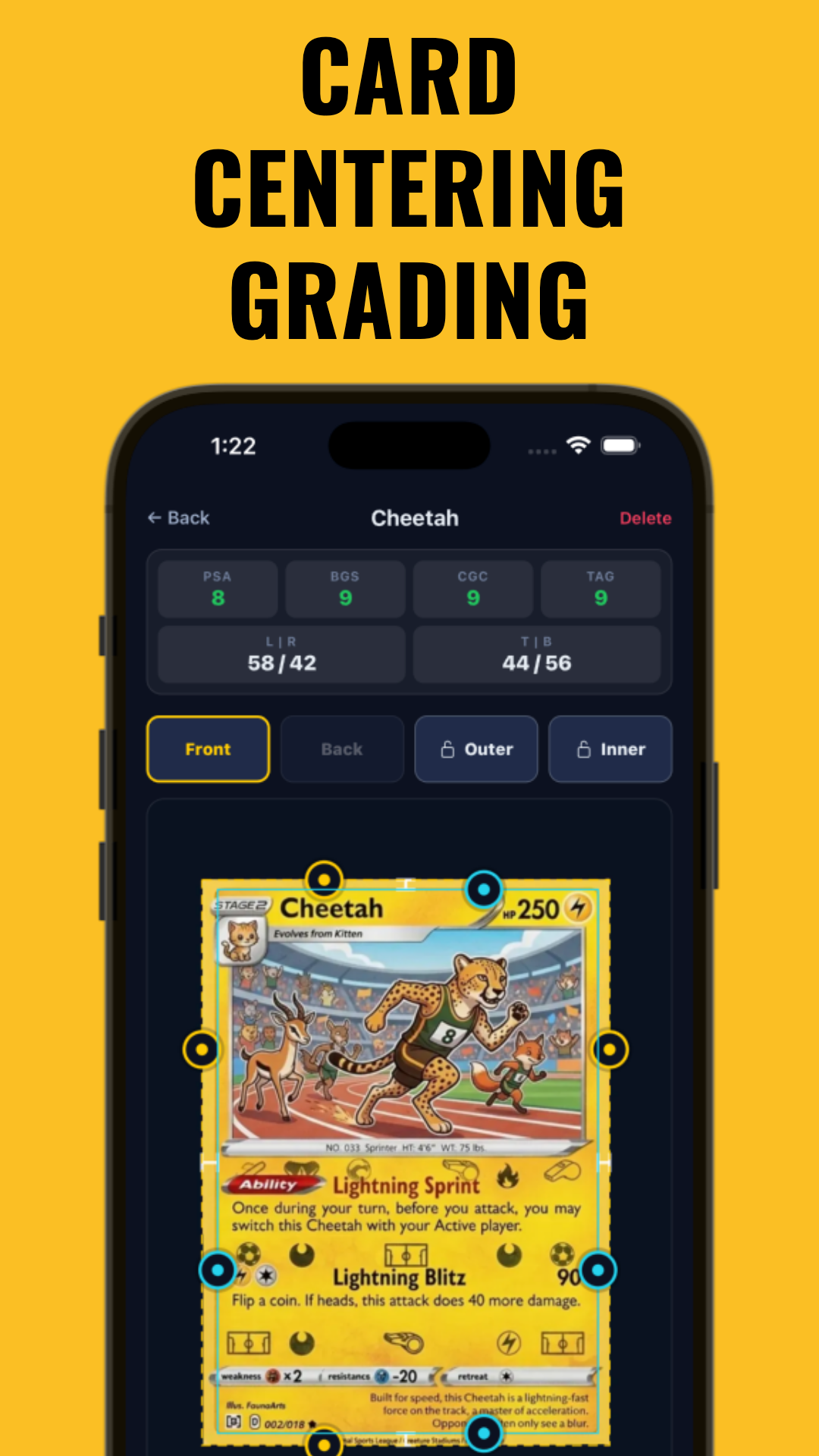
- Midpoint’s AI grading tools can help pre-assess card value and centering before costly submissions.
For collectors looking to maximize their return on investment, identifying cheap One Piece cards worth grading is important. While PSA grading can be expensive—often $30 or more per card—certain affordable One Piece cards may command premiums when graded PSA 10. This guide will walk you through how to spot budget One Piece grading picks, the key condition factors to check, and how to apply the 3x rule as a general guideline to help ensure grading costs don’t exceed the card’s value. Whether you’re hunting alt arts, manga rares, or promos, understanding which cheap One Piece cards under $40 PSA 10 might be profitable can help you improve your collection and selling strategy.
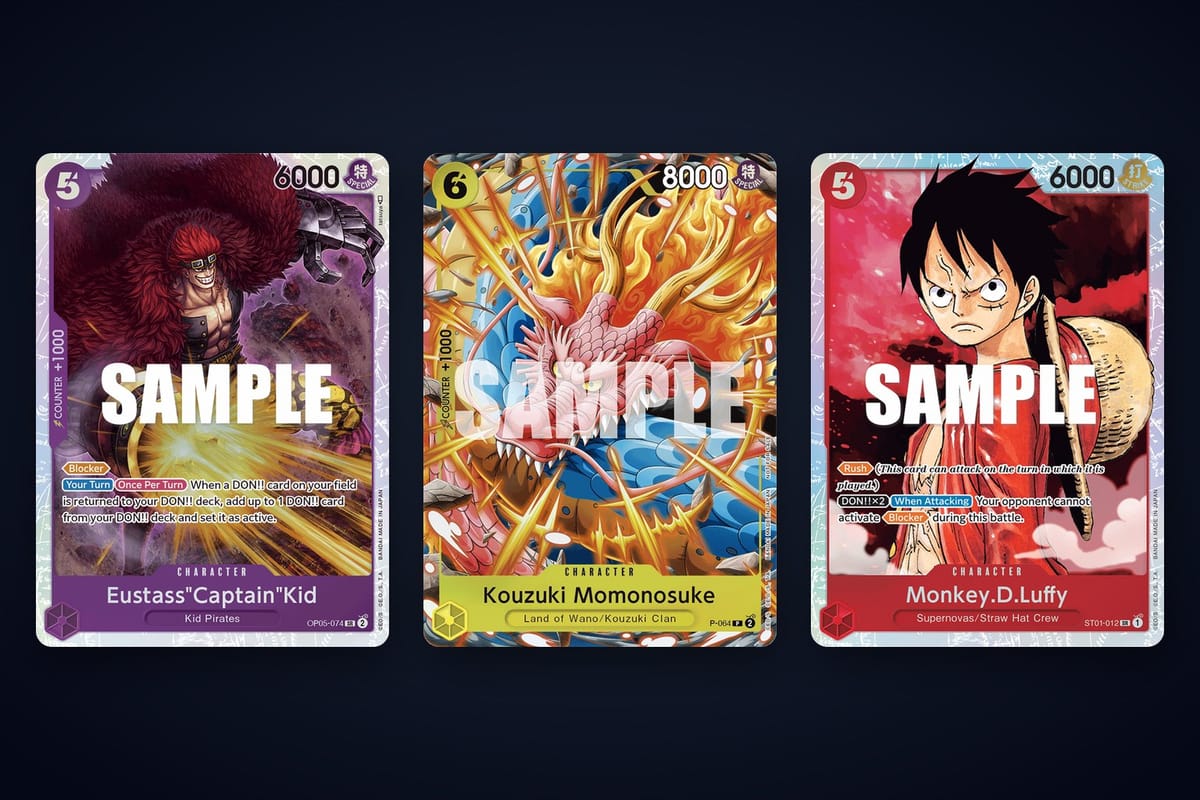
Raw vs PSA 10 value (biggest grading premium) — live data from Midpoint's card database, as of 2026-09-27. Prices move; Midpoint refreshes these daily.
| Card | Raw | PSA 10 | Gem premium | |
|---|---|---|---|---|
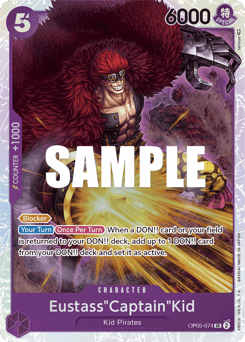 |
Eustass"Captain"Kid #OP05-074 Awakening of the New Era (2023) |
$5.77 | $1,176 | 203.8× |
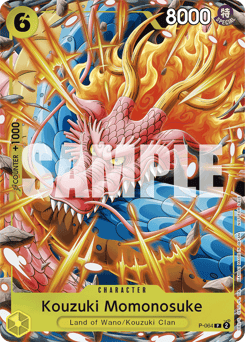 |
Kouzuki Momonosuke #P-064 Promos (2022) |
$3.30 | $320.00 | 97× |
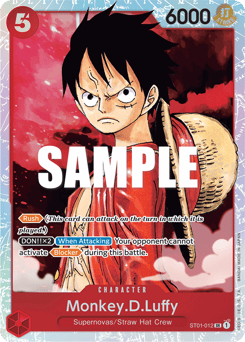 |
Monkey.D.Luffy #ST01-012 Straw Hat Crew (2022) |
$4.21 | $296.47 | 70.4× |
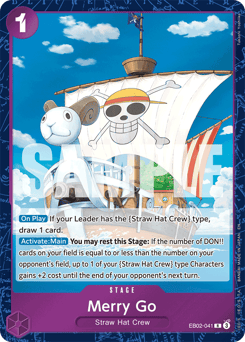 |
Merry Go #EB02-041 Anime 25th Collection (2025) |
$3.35 | $190.50 | 56.9× |
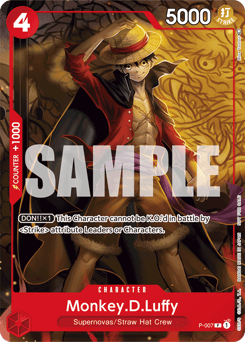 |
Monkey.D.Luffy #P-007 Promos (2022) |
$11.30 | $618.85 | 54.8× |
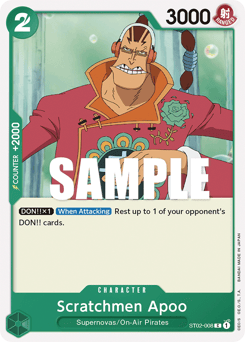 |
Scratchmen Apoo #ST02-008 Worst Generation (2022) |
$3.51 | $178.29 | 50.8× |
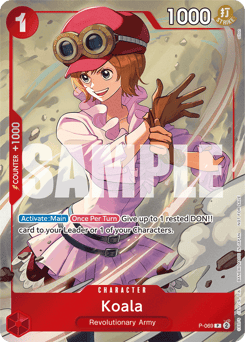 |
Koala #P-069 Promos (2022) |
$6.82 | $321.30 | 47.1× |
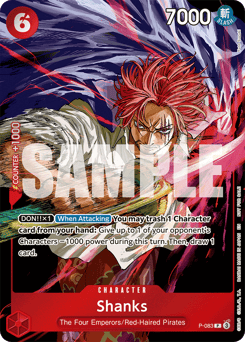 |
Shanks #P-083 Promos (2022) |
$3.86 | $169.81 | 44× |
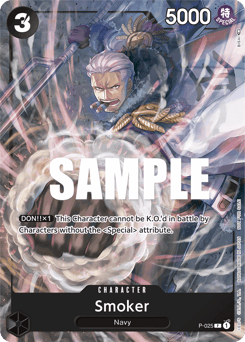 |
Smoker #P-025 Promos (2022) |
$3.57 | $152.60 | 42.8× |
 |
Monkey.D.Luffy #ST08-001 Monkey.D.Luffy (2023) |
$4.81 | $185.85 | 38.6× |
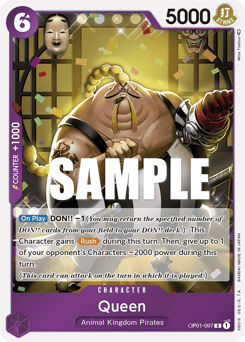 |
Queen #OP01-097 Romance Dawn (2022) |
$5.50 | $206.84 | 37.6× |
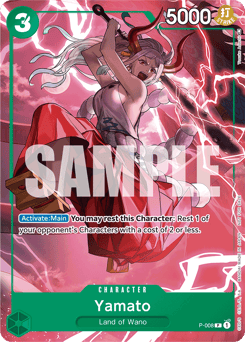 |
Yamato #P-008 Promos (2022) |
$6.27 | $211.72 | 33.8× |
Look up any card's current raw and graded value in Midpoint — and get an estimated grade before you pay to submit.
1. Understanding the 3x Rule for Grading ROI
Before submitting any cheap One Piece card for grading, consider the 3x rule: ideally, your card’s raw value should be at least three times the total costs involved in grading, shipping, and selling fees. For example, if grading costs $30, plus $10 shipping and $10 selling fees, your break-even point is $150. Cards valued below this often won’t justify the expense unless you are confident in a PSA 10 grade that commands a strong premium.
Since many affordable One Piece cards are priced under $40 raw, the 3x rule means only those with significant PSA 10 premiums might be worth grading. This is especially relevant for collectors on a budget looking to invest carefully.
- Calculate total grading-related expenses carefully.
- Check PSA 10 market prices to estimate potential resale value.
- Only submit cards where PSA 10 premiums appear to exceed 3x grading costs.
2. Why Cards Under $30–$40 Raw Usually Don’t Make Sense to Grade
One Piece cards under about $30–$40 raw often do not justify grading because the fees can consume most or all potential profit. The grading fee alone may approach or exceed the card’s value, making it difficult to recoup costs even with a high grade.
Additionally, common and uncommon cards tend to have less demand in graded form, and damaged or poorly centered cards rarely receive high grades. Therefore, budget collectors should generally avoid grading these unless they identify rare exceptions with strong PSA 10 premiums.
3. Condition Checks That Matter Most: Surface, Corners, Edges, and Centering
Successful grading depends heavily on card condition. The four main attributes that PSA and other grading companies assess are surface, corners, edges, and centering. For budget One Piece cards worth grading, ensure the following:
- Surface: No noticeable scratches, stains, or print defects.
- Corners: Sharp and free of dings or whitening.
- Edges: Clean edges without chipping or fraying.
- Centering: Ideally close to 50/50 horizontally and vertically, but slight variations are acceptable.
Using tools like Midpoint can help measure centering down to the millimeter, giving you a digital pre-grade estimate and increasing your confidence before investing in grading fees.
4. One Piece Print Quality and Gem Rates Affect Grading Value
One Piece cards sometimes have print quality issues such as off-centering and border inconsistencies, which can lower gem mint rates. Even some alt arts and manga rares may be prone to these flaws, potentially reducing the population of PSA 10 cards and affecting their premiums.
Understanding these print quirks helps collectors target affordable cards that still have a reasonable chance of achieving a PSA 10 grade, especially if you use AI grading tools to detect subtle surface or centering flaws.
5. Alt Arts, Manga Rares, Leaders, Promos, and Chase Cards: The Best Budget Grading Candidates
Certain One Piece card types often show stronger PSA 10 premiums even at a low raw price point. These include:
- Alt Arts: Alternate artwork cards like "Luffy, Pirate King" (raw $28) may fetch higher PSA 10 prices.
- Manga Rares: Scarce manga rare cards such as "Zoro, Three Sword Style" (raw $35) can have elevated PSA 10 market values.
- Leader Cards: Popular leaders like "Sanji, Chef of the Sea" (raw $32) sometimes jump in value when graded.
- Promos: Event promos often have limited print runs and can see PSA 10 premiums.
- Chase Cards: Cards sought after by collectors, even if raw priced under $40, may yield better returns when graded.
Always check current market data for PSA 10 prices as of 2026-09-27 or later to ensure these premiums still hold.
6. Examples of Cheap One Piece Cards Worth Grading
Here are a few examples from the Midpoint database illustrating potential budget grading opportunities:
- "Luffy, Pirate King" Alt Art: Raw price $28, PSA 10 value estimated around $85.
- "Zoro, Three Sword Style" Manga Rare: Raw price $35, PSA 10 value estimated around $100.
- "Sanji, Chef of the Sea" Leader Card: Raw price $32, PSA 10 value estimated around $90.
- "Nami" Promo Card: Raw price $30, PSA 10 value estimated around $80.
These examples illustrate that some budget cards can increase in value when graded PSA 10, provided the condition is right. However, market conditions can change, so verify current prices before submitting.
7. PSA 9 vs PSA 10 Price Spreads and Their Impact on Grading ROI
The PSA 10 premium over PSA 9 is often where grading value lies. For cheap One Piece cards, the spread can be 2x or more the PSA 9 price in some cases. This means achieving a PSA 10 grade can significantly boost resale value, but a PSA 9 usually offers less upside.
Collectors should assess their cards’ condition carefully and use tools like Midpoint’s AI grading to estimate the likelihood of a PSA 10 before submission. Submitting a card likely to grade PSA 9 may not justify the grading cost.
8. When Not to Grade: Common, Damaged, or Hyped Cards Without Demand
Not all cheap One Piece cards are worth grading. Avoid submitting:
- Common or uncommon cards with little collector demand.
- Cards with visible damage, such as creases or heavy edge wear.
- Cards hyped without solid resale markets, as premiums may not materialize.
Focus your budget on cards that combine condition, rarity, and strong market demand for PSA 10 examples.
Conclusion
Finding cheap One Piece cards worth grading on a budget requires a blend of market knowledge, condition assessment, and cost analysis. By applying the 3x rule as a guideline, prioritizing condition checks on surface, corners, edges, and centering, and targeting alt arts, manga rares, leader cards, and promos, collectors can identify affordable grading candidates under $40 raw that may yield strong PSA 10 premiums. Using AI-driven tools like Midpoint to digitally pre-grade and measure centering can save time and money, increasing your chances of grading success and maximizing ROI. Remember to avoid damaged or common cards unlikely to achieve high grades or market demand. With careful selection and condition verification, budget One Piece grading can be a more informed and potentially rewarding strategy.
FAQ
Q: What One Piece cards are worth grading if they are cheap raw?
A: Affordable One Piece cards worth grading tend to be alt arts, manga rares, leader cards, promos, or chase cards priced under $40 raw but with potential PSA 10 premiums. These cards may have a higher chance of profitable grading returns depending on market demand.
Q: Is it worth grading One Piece cards under $30?
A: Usually not, unless the card has a niche PSA 10 premium that justifies grading fees. Most cards under $30 raw do not meet the 3x rule guideline for grading ROI and are often better kept raw.
Q: What is the 3x rule for grading cards?
A: The 3x rule suggests your card’s raw value should be at least three times the total grading, shipping, and selling costs to justify submission and ensure potential profit.
Q: How do I know if my One Piece card can get a PSA 10?
A: Check condition factors like centering, corners, edges, and surface quality. Using AI grading tools like Midpoint can provide digital estimates of the likely PSA grade before submitting.
Q: Which One Piece cards have the biggest grading premium?
A: Alt arts, manga rares, leader cards, and promos often have larger PSA 10 premiums, especially when raw priced under $40 but graded cards command higher values. However, premiums vary by market conditions.
Q: Should I grade alt arts, manga rares, or leader cards?
A: These card types are often among the better affordable grading picks for budget collectors due to their premium potential and relative rarity compared to commons, but always research current market trends before submitting.
Free to start
Try the Midpoint app
Grade any card from a photo, see its raw and PSA 10 value, and track what your collection is worth — free.
Get it on iPhoneGet it on Android