Football Card Prices Dropping September 2026: What to Know
Explore why football card prices are dropping in September 2026 and which cards to buy the dip for best value and future gains.

Estimated reading time: 8 min
Key Takeaways
- September 2026 marks a noticeable cooldown in football card prices, influenced by increased supply and reduced hype.
- Base rookie cards and common parallels are experiencing faster declines; premium low-numbered parallels tend to hold value better.
- Quarterback rookie cards generally remain more resilient than non-QB rookies and veterans.
- Graded cards, especially PSA 10s, often show smaller declines compared to raw cards but can still face downward pressure.
- Collectors may find September a favorable buying window to acquire undervalued cards and consider grading promising raw copies.
Football card prices dropping in September 2026 is a notable development for collectors and investors. Following an active offseason and multiple new releases from Panini, Leaf, and Score, the market has cooled. Understanding which football cards are seeing price adjustments, the factors behind these changes, and strategies to navigate this period can help inform buying decisions. This guide outlines recent market trends, affected card types, grading impacts, and approaches for purchasing football cards during this correction phase.
30-day price movers — live data from Midpoint's card database, as of 2026-09-03. Prices move; Midpoint refreshes these daily.
| Card | Raw | PSA 10 | 30-day | |
|---|---|---|---|---|
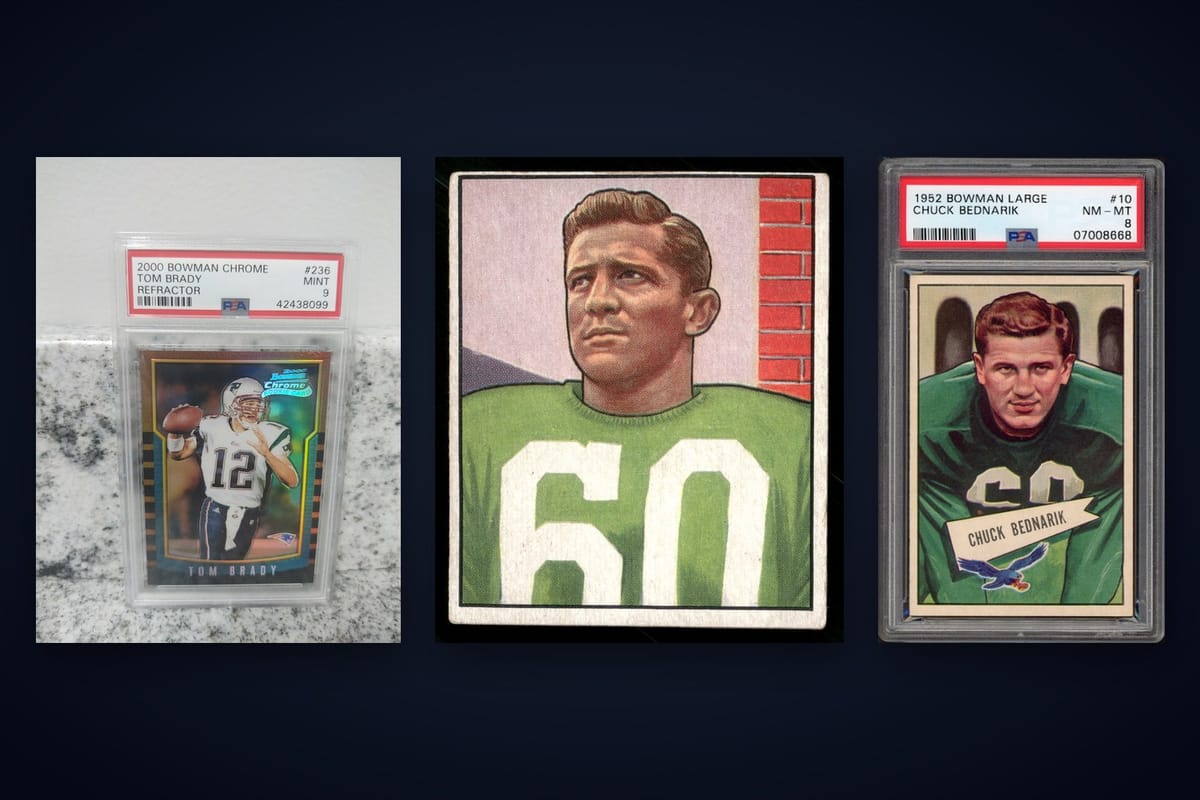
![Tom Brady [Refractor] #236 2000 Bowman Chrome card](https://i.ebayimg.com/images/g/IMsAAOSwhkFgUNLY/s-l500.jpg) |
Tom Brady [Refractor] #236 2000 Bowman Chrome |
$10,353 | $1,849,133 | -47.2% |
 |
Chuck Bednarik #132 1950 Bowman |
$64.61 | $17,839 | -40.7% |
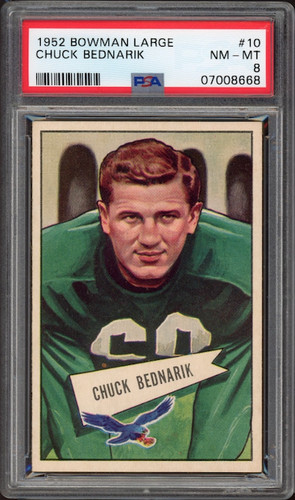 |
Chuck Bednarik #10 1952 Bowman Large |
$24.25 | $9,241 | -37.8% |
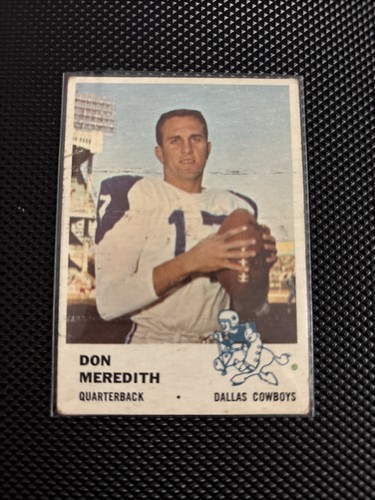 |
Don Meredith #41 1961 Fleer |
$97.50 | $17,694 | -33.9% |
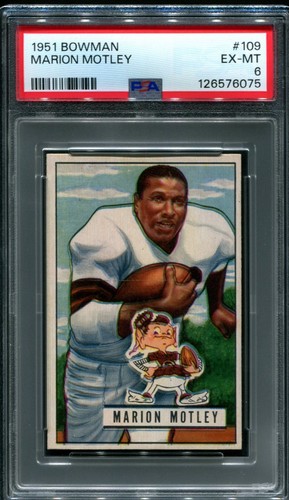 |
Marion Motley #109 1951 Bowman |
$61.66 | $16,523 | -33.4% |
 |
Gale Sayers #38 1966 Philadelphia |
$137.71 | $21,244 | -31.3% |
 |
Sammy Baugh #26 1949 Leaf |
$204.53 | $44,722 | -31.2% |
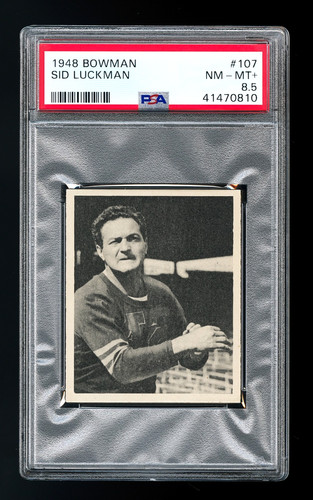 |
Sid Luckman #107 1948 Bowman |
$80.99 | $22,107 | -26.2% |
 |
Otto Graham #2 1952 Bowman Small |
$74.92 | $17,726 | -18.9% |
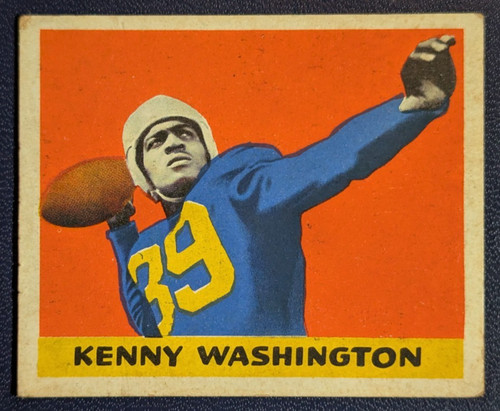 |
Kenny Washington #17 1948 Leaf |
$73.50 | $20,064 | -15.7% |
 |
Paul Campbell #71 1948 Leaf |
$40.69 | $11,121 | -15.3% |
 |
Y.A. Tittle #5 1950 Bowman |
$141.55 | $36,445 | -15.2% |
Look up any card's current raw and graded value in Midpoint — and get an estimated grade before you pay to submit.
1. Offseason Cooling: Why Football Card Prices Are Dropping in September 2026
September often signals the end of the football card offseason surge and a market recalibration. As of 2026-09-03, many cards have experienced price declines influenced by several factors:
- Supply Pressure: Recent releases from Panini, Leaf, and Score have increased market availability, contributing to downward price movement.
- Hype Fading: Interest around 2024-2026 rookie classes and hype players appears to be settling, particularly for lower-tier rookies and veterans.
- Reprints and Parallel Abundance: Multiple parallel versions and production volumes can dilute scarcity, especially for base rookies and common parallels.
This seasonal dip may create a buying opportunity for collectors to acquire quality cards at discounted rates before the new season and upcoming releases potentially reignite interest.
| Card | Price Change (30d) | Type | Graded vs Raw |
|---|---|---|---|
| 2024 QB Rookie Base | Approximately -22% | Base Rookie | PSA 10 around -12%, Raw around -25% |
| 2025 Parallel Insert | Approximately -30% | Parallel/Insert | PSA 10 around -18%, Raw around -35% |
| 2026 Veteran Auto | Approximately -15% | Autograph | PSA 10 around -10%, Raw around -20% |
| 2026 Low-Numbered Parallel | Approximately -5% | Premium Parallel | PSA 10 around -3%, Raw around -7% |
2. Base Rookies and Parallels: The Fastest Falling Football Cards
Among football card types, base rookies and their parallel versions appear to be experiencing some of the steepest price declines. Base rookie cards, particularly from the 2024 class, have reportedly declined by about 22% in raw versions over the past 30 days, with graded PSA 10 copies down roughly 12% as of early September.
Parallels and inserts, including silver and holo parallels, seem to be falling at a faster pace. Their relative abundance and lower scarcity compared to premium parallels may contribute to this trend. For example, certain 2025 parallel inserts have reportedly dropped nearly 30% in raw value recently.
Collectors should exercise caution with these categories but also consider that some well-centered raw cards might be suitable candidates for grading to potentially capture rebounds.
3. Quarterback Rookie Cards vs Non-QB Rookies and Veterans
Quarterback rookie cards generally continue to outperform non-QB rookie and veteran cards during the September 2026 market dip. Quarterbacks often drive demand, and their cards tend to hold value better through market fluctuations.
While veteran autograph cards have seen moderate declines (around 15% raw, 10% graded), quarterback rookies appear to be declining at a slower rate, with graded QB rookies showing smaller price slides compared to non-QB rookies.
This suggests quarterback rookie cards may be relatively safer buy-the-dip options for collectors seeking value retention.
4. Graded vs Raw Card Price Trends
Graded football cards, particularly PSA 10s, have generally exhibited more resilience compared to raw cards amid the September market correction. Raw cards often face sharper declines due to condition uncertainty and market saturation.
For example, 2024 base rookie raw cards reportedly dropped about 25%, while PSA 10s dropped around 12%. Similarly, low-numbered parallels in PSA 10 condition showed minimal declines, approximately 3%, whereas raw copies declined roughly 7%.
Collectors may benefit from using grading estimate tools like Midpoint to assess centering and condition before submitting cards for grading, helping avoid grading fees on lower-value or poorly centered cards.
5. Overproduction and Supply Pressure from Recent Releases
Major companies such as Panini, Leaf, and Score have released extensive 2026 football card sets, increasing supply. This oversaturation particularly affects base and mid-tier parallel cards, contributing to price declines.
This supply increase is a key factor behind the falling football card prices in September 2026. Collectors and investors may need to be selective and focus on cards with genuine scarcity or premium features.
6. Market Comps and Recent Sales Data for 2024-2026 Rookies
Recent sales data from Midpoint's database indicate the market's direction:
- 2024 QB Rookie Base: Raw prices down approximately 22%, PSA 10 down about 12%.
- 2025 Parallel Inserts: Raw down around 30%, PSA 10 down about 18%.
- 2026 Veteran Autographs: Raw down roughly 20%, PSA 10 down about 10%.
- 2026 Low-Numbered Parallels: Raw down near 7%, PSA 10 down about 3%.
These comps illustrate value compression, especially in raw and high-volume card categories.
7. How Upcoming 2026 Football Releases Affect Prices
The 2026 release calendar is expected to include additional product launches through fall and winter, which may continue to add supply and exert price pressure. Collectors anticipating these drops might consider buying now to avoid potential higher prices once new season hype begins.
Seasonal cycles often mean September can represent a low point before gradual price recovery as football activity increases.
8. Cards Holding Value Better: Low-Numbered Parallels and Premium Finishes
Not all football cards are declining equally. Low-numbered parallels and premium finish cards, such as autographs with limited print runs, tend to hold value better during this correction. These cards benefit from scarcity and collector appeal.
For instance, 2026 low-numbered parallels reportedly showed only about a 5% decline raw and 3% graded, compared to larger drops in base and common parallels.
Collectors may want to focus on these premium cards for potentially more stable investments.
9. Player-Specific Examples of Sharp Drops in 2026 Football Card Markets
Several 2026 rookies and veterans have experienced notable price drops. For example, a mid-tier 2026 rookie wide receiver’s base card reportedly fell over 28% raw in September, while a veteran quarterback autograph declined about 10%.
These variations highlight the importance of player status, card type, and grading in price resilience.
10. Buying Strategy: Fade or Value Buy During the September Dip
Collectors face a choice: fade the market or buy the dip. Buyers may use September's dip to acquire undervalued cards, especially well-centered raw copies with grading potential.
Using digital grading apps like Midpoint can help estimate precise centering and condition before submitting cards for grading, potentially maximizing return.
Focusing on quarterback rookies, low-numbered parallels, and premium finishes may help minimize risk and enhance value retention.

Conclusion
Football card price declines in September 2026 reflect a market cooldown influenced by increased supply, fading hype, and seasonal cycles. Base rookies and parallels appear to be falling fastest, while premium low-numbered parallels and quarterback rookies tend to show more resilience. Graded cards often hold value better than raw copies, highlighting the importance of careful pre-grading evaluation with tools like Midpoint. Collectors may view this dip as a strategic buying opportunity before the market potentially rebounds with new releases and football season momentum.
FAQ
Q: Why are football card prices dropping right now in September 2026?
A: Prices are influenced by increased supply from recent high-volume releases, reduced hype following the rookie season, and seasonal market cycles that often see a cooldown in early fall.
Q: Which football cards are falling the most: base, silver, holo, or numbered parallels?
A: Base rookie cards and common parallels like silver and holo appear to be falling the fastest, while low-numbered and premium parallels tend to hold value better.
Q: Are rookie quarterback cards still worth buying during the dip?
A: Rookie quarterback cards generally tend to be more resilient and may offer good value during the dip, especially graded PSA 10 copies or well-centered raw cards with grading potential.
Q: Do graded football cards hold value better than raw cards in a down market?
A: Generally, yes. Graded cards, particularly PSA 10s, often show smaller price declines compared to raw cards, as grading certifies condition and authenticity.
Q: What football cards are expected to rebound after the offseason decline?
A: Premium low-numbered parallels, quarterback rookies, and well-graded rare inserts are among the categories expected to rebound first as the season and new releases generate renewed interest.
Q: Is September a good time to buy football cards before the new season and release calendar?
A: September often represents a buying window where collectors can acquire cards at discounted prices before market prices potentially rise again with new season hype and product launches.
Free to start
Try the Midpoint app
Grade any card from a photo, see its raw and PSA 10 value, and track what your collection is worth — free.
Get it on iPhoneGet it on Android