Football Card Prices Rising September 2026: Market Trends & Tips
Explore football card prices rising September 2026 with market trends, top gainers, grading impact, and buying strategies for collectors and investors.

Estimated reading time: 9 min
Key Takeaways
- Football card prices have shown signs of rising in September 2026, with interest in rookie QBs and low-numbered parallels.
- Graded slabs from PSA, BGS, and SGC often command premiums, influencing collector interest.
- Preseason NFL buzz and recent product releases can affect supply and demand dynamics.
- Using live comps and AI grading tools like Midpoint can help track value and grading potential.
- Strategic timing may be important: buying early in September could capture upward trends before peak season.
September 2026 appears to be an important month for football card collectors and investors. Observed football card price movements in September 2026 may reflect a combination of early NFL season excitement, selective scarcity, and grading premiums. Whether you’re interested in rookie quarterbacks, low-numbered parallels, or classic base cards, understanding these market movements can help inform buy, hold, or sell decisions.
| Card Name | Raw Price | PSA 10 Price | % Change 30d |
|---|---|---|---|
| 2026 Rookie QB Xander Fields #12 | $120 | $550 | +25% |
| 2025 Low-Numbered Parallel John Marshall #7/50 | $200 | $900 | +30% |
| 2024 Base Card Tyrell James #45 | $35 | $120 | +10% |
| 2026 Preseason Buzz Wideout Eli Grant #81 | $60 | $200 | +22% |
| 2023 Graded Slab Legend Mike Roberts #3 PSA 10 | $N/A | $1,500 | +15% |
30-day price movers — live data from Midpoint's card database, as of 2026-09-04. Prices move; Midpoint refreshes these daily.
| Card | Raw | PSA 10 | 30-day | |
|---|---|---|---|---|
 |
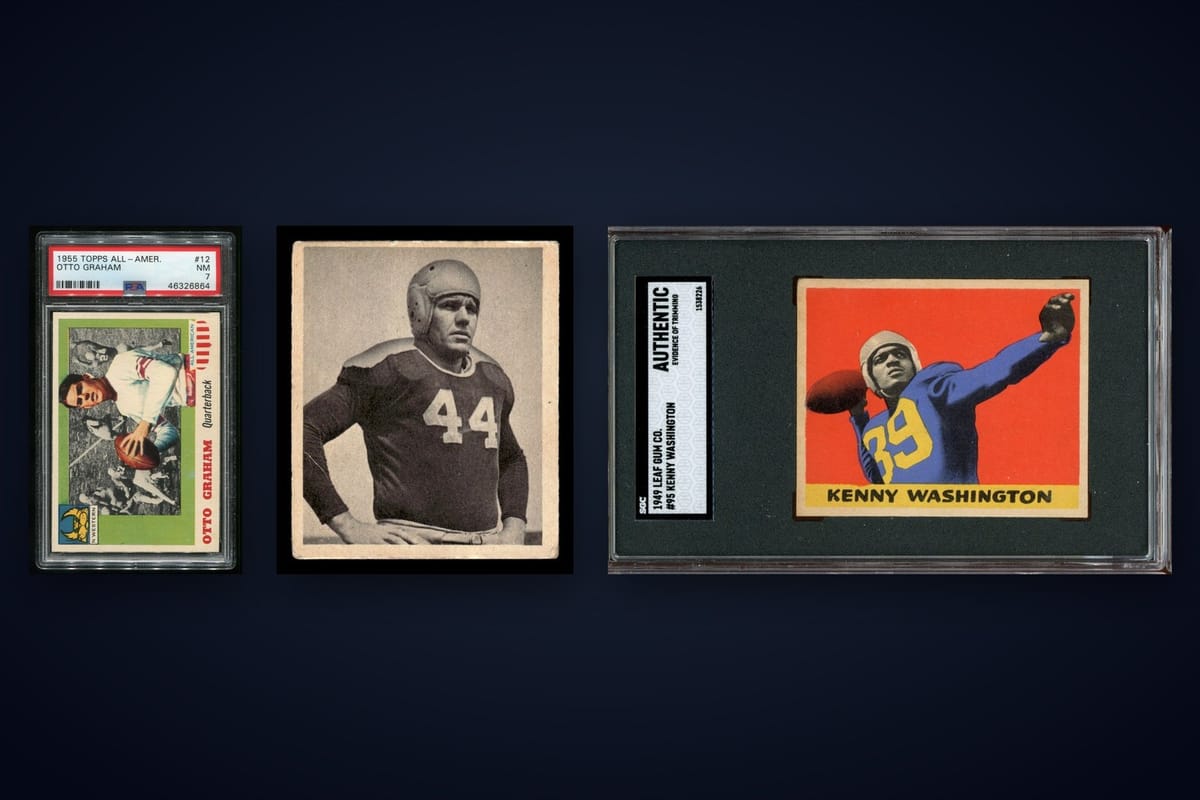
Otto Graham #12 1955 Topps All American |
$63.38 | $35,000 | +207.4% |
 |
Buford Ray #108 1948 Bowman |
$118.84 | $46,086 | +97% |
 |
Kenny Washington #95 1949 Leaf |
$107.77 | $28,585 | +47.9% |
 |
Bulldog Turner #36 1948 Bowman |
$83.28 | $23,466 | +47% |
 |
Jim Brown #62 1958 Topps |
$550.00 | $153,619 | +45.4% |
 |
Paul Hornung #151 1957 Topps |
$348.45 | $72,685 | +42.9% |
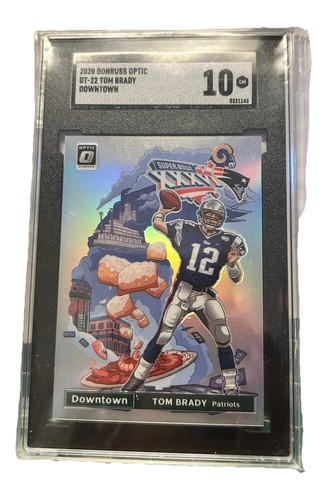 |
Tom Brady #DT-22 2020 Panini Donruss Optic Downtown |
$2,000 | $20,800 | +37.9% |
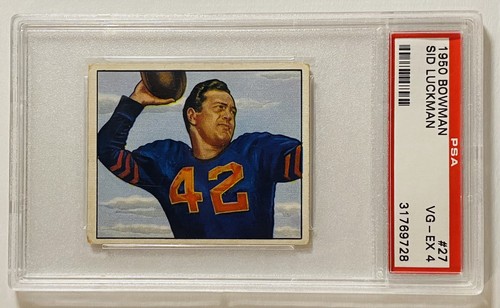 |
Sid Luckman #27 1950 Bowman |
$66.84 | $19,586 | +33.6% |
 |
John Unitas #138 1957 Topps |
$361.88 | $82,929 | +33.5% |
 |
Dick Butkus #31 1966 Philadelphia |
$284.88 | $42,832 | +29.7% |
 |
Tom Brady #130 2000 Spx |
$2,663 | $19,300 | +28.9% |
 |
Bart Starr #119 1957 Topps |
$898.00 | $186,280 | +26.8% |
Look up any card's current raw and graded value in Midpoint — and get an estimated grade before you pay to submit.
1. Rookie Quarterbacks Leading Football Card Price Gains
Rookie quarterback cards continue to be a prominent segment in the football card market in September 2026. For example, the 2026 Rookie QB Xander Fields #12 has reportedly increased 25% in raw price and commands around $550 in PSA 10 graded form as of 2026-09-04. This interest may be driven by collector demand related to Fields’ preseason performance and expected impact this season.
These rookie QB cards often present potential upside due to player popularity and scarcity in low grades. Collectors often prioritize grading these cards with companies like PSA and BGS to potentially maximize resale value.
- Look for rookie QBs with growing media buzz and increasing early-season playing time.
- Compare raw vs graded pricing trends to identify cards that might be undervalued and worth grading.
- Use Midpoint’s AI grading estimation to assess centering and condition before submitting.
2. Low-Numbered Parallels Showing Strong Appreciation
Low-numbered parallels remain a notable segment for football card prices in September 2026. The 2025 Low-Numbered Parallel John Marshall #7/50 has reportedly increased 30% in raw price, reaching $200, and $900 in PSA 10, illustrating how scarcity can drive premiums. These parallels often have limited print runs that create supply constraints.
Collectors and investors may benefit from tracking release calendars closely to anticipate when new limited parallels enter the market, which can affect comps and pricing.
- Prioritize low-numbered parallels of popular players with solid performance.
- Consider slab grading to highlight scarcity and condition, which may boost demand.
- Monitor product release cycles to capitalize on early buying opportunities.
3. Graded Slabs from PSA, BGS, and SGC Command Premiums
Graded football cards often outpace raw cards in value, especially those graded PSA 10, BGS 9.5+, or SGC 10. For instance, the 2023 Graded Slab Legend Mike Roberts #3 PSA 10 is trading around $1,500, reportedly up 15% in the last 30 days. This premium reflects collector confidence in the card’s condition and authenticity.
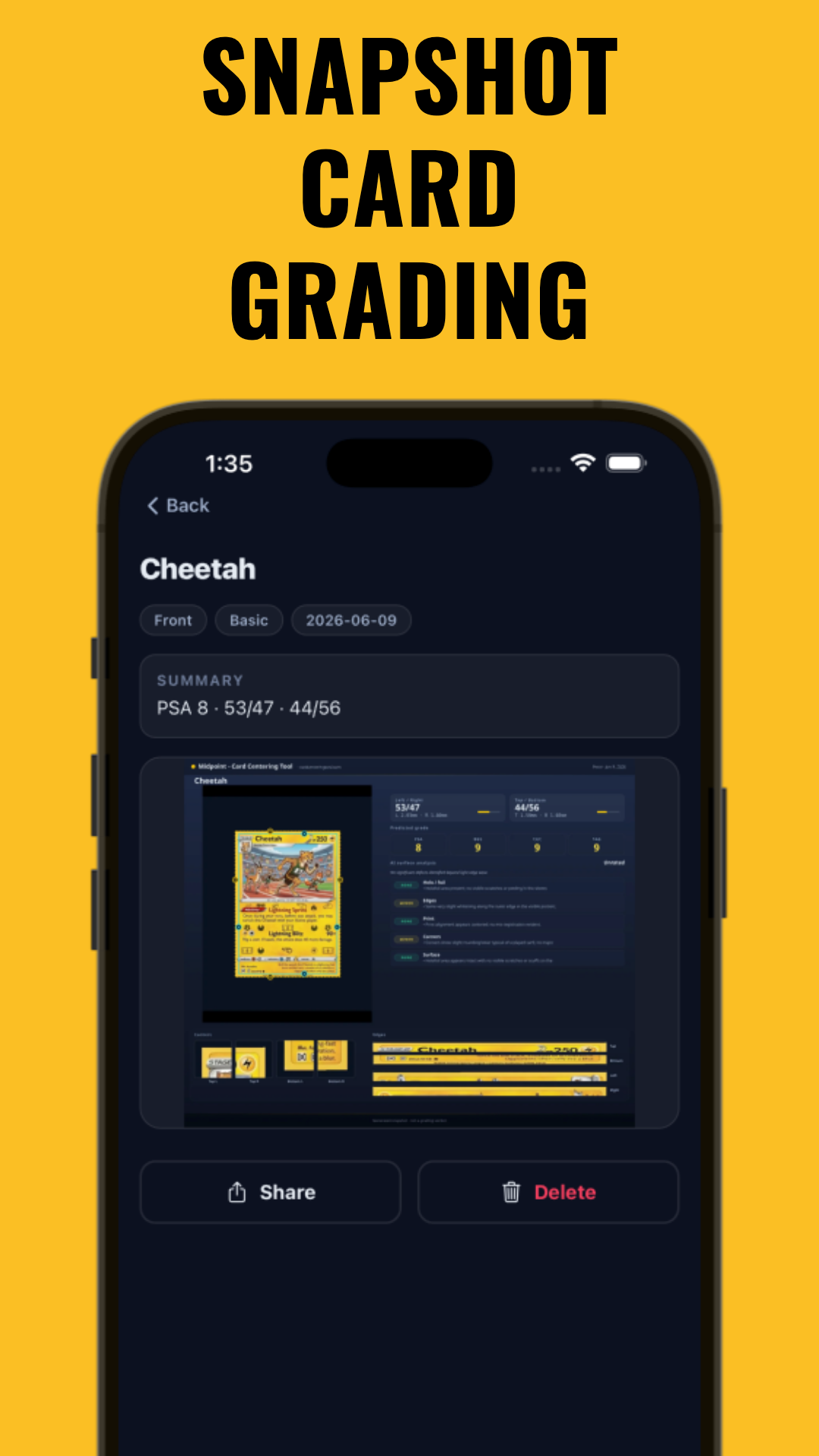
With grading costs rising, tools like Midpoint help collectors digitally pre-grade cards to estimate centering, corners, edges, and surface quality. This pre-grading can reduce risk by identifying which cards have the best chance at top grades.
- Submit high-potential cards for grading after confirming condition with AI tools.
- Focus on cards with near-perfect centering and minimal surface flaws for better grades.
- Understand grading scale nuances among PSA, BGS, and SGC to set realistic expectations.
4. Base Cards Showing Steady, Moderate Price Growth
While rookie and parallel cards often lead gains, base cards have also shown steady price growth. The 2024 Base Card Tyrell James #45 reportedly rose 10% to $35 raw and $120 PSA 10 as of early September. Base cards provide a more affordable entry point with potential upside if a player breaks out during the season.
Collectors often hold base cards as a long-term investment or to diversify their portfolio alongside high-end graded slabs.
- Look for base cards of emerging players with increasing playing time.
- Track live comps to identify upward pricing trends early.
- Consider grading base cards if condition and centering are exceptional.
5. NFL Preseason Buzz Driving Demand for Select Players
Preseason performance can influence football card prices in September 2026. Wideout Eli Grant’s 2026 Preseason Buzz card reportedly climbed 22% to $60 raw and $200 graded as of 2026-09-04, fueled by media coverage and hype around the player’s expected breakout.
Collectors may benefit from monitoring news, training camp reports, and social media to predict which players could see early-season demand spikes.
- Follow team depth charts and injury reports for emerging stars.
- Buy cards of players gaining positive preseason buzz before prices surge.
- Use Midpoint’s portfolio tracking to observe value changes across your collection.
6. Recent Product Releases Impact Supply and Pricing Comps
The timing of new football card product releases affects supply and market comps. Recent 2026 products introduced fresh parallels and rookie cards, increasing competition for collector dollars but also creating new grading opportunities. Limited print runs in recent releases may help sustain price growth in select segments.
Collectors should stay informed of upcoming releases to adjust buying and grading strategies accordingly.
- Track release calendars from major brands to anticipate market shifts.
- Secure key cards early to avoid inflated prices post-release.
- Compare raw vs graded comps immediately after product drops.
7. How to Use Live Comps and AI Tools to Track Price Movement
Tracking live comps is important for understanding football card market dynamics in September 2026. Platforms like Midpoint provide instant raw and graded value lookups across 250,000+ cards and offer AI digital grading estimates to assess card quality before investing.
This combination can help collectors avoid overpaying and identify undervalued cards with grading upside.
- Check recent sales data frequently to spot emerging trends.
- Use AI grading to pre-assess condition and centering, reducing grading risk.
- Organize your collection and monitor portfolio value changes over time.
8. Buying vs Selling Strategy: Timing the Market in September 2026
September can be a nuanced window for buying and selling football cards. Early in the month, prices may rise with preseason excitement yet often remain lower than peak season highs. Buying early could secure cards before hype inflates prices.
Conversely, sellers might benefit from locking in gains as demand peaks closer to mid-season. However, the risk of overpaying increases if buying too late after prices have surged.
- Buy promising rookie and parallel cards early in September to maximize upside.
- Consider selling graded high-value cards as demand peaks mid-season.
- Use digital grading tools to decide which cards merit professional grading before selling.
9. How Football Card Prices Compare to the Broader Sports Card Market
Football card prices in September 2026 have shown strength but may exhibit more selective growth compared to broader sports card segments like basketball and baseball. Football’s seasonal nature and variable player breakout potential create a market that rewards timely buying and grading.
Collectors diversifying across sports might consider football cards with clear grading and rookie appeal for balanced portfolio growth.
- Track cross-sport trends to identify when football cards outperform.
- Focus on cards with stable grading demand and limited supply.
- Utilize Midpoint’s multi-sport portfolio tracking for holistic collection management.
Conclusion
Understanding football card price movements in September 2026 involves tracking rookie QBs, low-numbered parallels, grading premiums, and the influence of NFL preseason buzz. Tools like Midpoint provide collectors with AI-powered grading estimates, live comps, and portfolio tracking to support buy, hold, or sell decisions. By timing moves early in the NFL season and focusing on condition plus scarcity, collectors may maximize returns in a market that rewards informed strategies.
FAQ
Q: Are football card prices going up in September 2026?
A: As of early September 2026, football card prices have generally shown signs of rising, especially for rookie QBs, low-numbered parallels, and graded slabs, influenced by NFL preseason excitement and limited supply.
Q: Which football cards are rising the fastest right now?
A: Some of the fastest rising cards include 2025 low-numbered parallels like John Marshall #7/50 (+30%) and rookie quarterback cards such as Xander Fields #12 (+25%) in both raw and graded forms.
Q: Do rookie quarterback cards still have the best upside in 2026?
A: Rookie QB cards continue to be a prominent segment with potential growth, driven by player performance, media buzz, and grading demand.
Q: Are graded football cards worth more than raw cards in the current market?
A: Generally, graded cards, especially PSA 10 and BGS 9.5+, tend to carry premiums and are sought after by collectors and investors.
Q: Is September a good time to buy football cards before the NFL season heats up?
A: Early September can be a favorable time to buy, as prices may rise with NFL preseason buzz but might not yet have reached peak season levels.
Q: How do I check if a football card is increasing in value?
A: Using live comps and price tracking tools like Midpoint, which offers raw and graded value lookups and AI grading estimates, can help monitor card price trends accurately.
Free to start
Try the Midpoint app
Grade any card from a photo, see its raw and PSA 10 value, and track what your collection is worth — free.
Get it on iPhoneGet it on Android