Hockey Card Prices Dropping November 2026: 10 Key Market Insights
Understand why hockey card prices are dropping November 2026 and discover top cards to buy the dip with expert tips and data-driven trends.

Estimated reading time: 8 min
Key Takeaways
- Hockey card prices dropping in November 2026 may reflect a broader market cooldown following a summer peak.
- Top falling cards include 2026-27 rookies and star veterans, both raw and PSA 10 graded.
- Increased supply, overproduction, and fading hype are possible factors behind the price decline.
- November 2026 Upper Deck releases could further impact current card values.
- Collectors might capitalize on the dip by focusing on well-centered raw cards and selective graded buys.
The hockey card market in November 2026 appears to be experiencing a downturn, with prices dropping across many key cards. As of 2026-11-08, this shift affects both raw and PSA 10 graded cards, which may reflect a cooling period after a surge of interest earlier in the year. Understanding which cards are losing value, potential reasons behind the decline, and how to strategically navigate the market can help collectors make informed decisions. This listicle details some of the hockey cards impacted, possible reasons behind the trend, and actionable tips for buyers and sellers alike.
30-day price movers — live data from Midpoint's card database, as of 2026-11-08. Prices move; Midpoint refreshes these daily.
| Card | Raw | PSA 10 | 30-day | |
|---|---|---|---|---|
 |
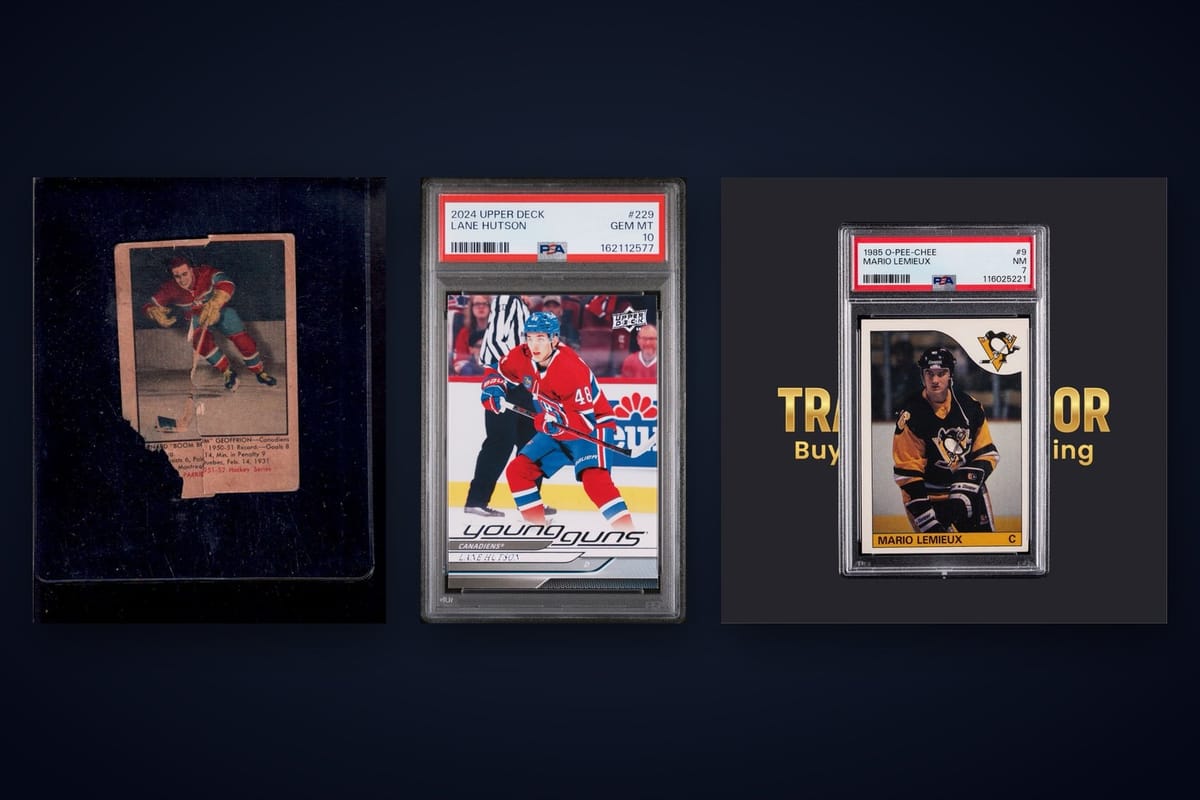
Boom Boom Geoffrion #14 1951 Parkhurst |
$163.10 | $40,995 | -25.8% |
 |
Lane Hutson #229 2024 Upper Deck |
$95.02 | $520.10 | -3.8% |
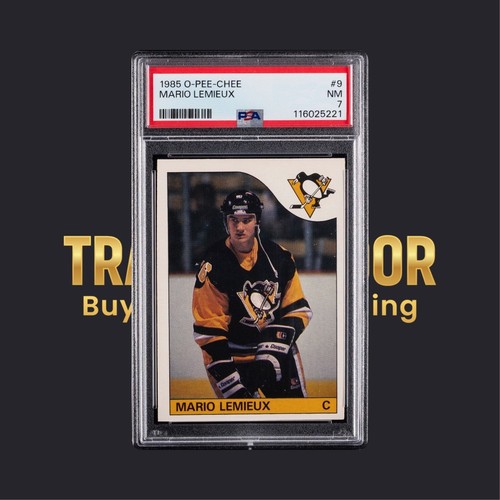 |
Mario Lemieux #9 1985 O-Pee-Chee |
$193.90 | $33,600 | -3.5% |
 |
Wayne Gretzky #18 1979 O-Pee-Chee |
$900.00 | — | -1.5% |
 |
Wayne Gretzky #250 1980 O-Pee-Chee |
$100.30 | $41,066 | -1% |
 |
Terry Sawchuk #42 1959 Topps |
$24.26 | $2,992 | 0% |
 |
Ivan Demidov [Black] #174 2025 Upper Deck Artifacts |
$713.98 | — | 0% |
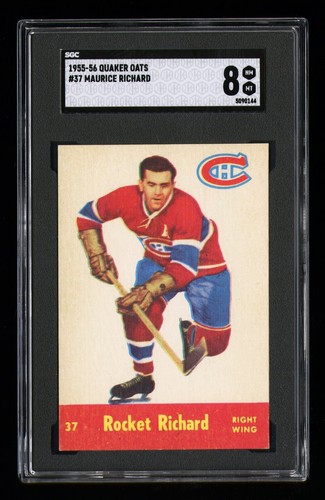 |
Rocket Richard #37 1955 Parkhurst Quaker Oats |
$500,000 | — | 0% |
 |
Patrick Roy #53 1986 Topps |
$60.00 | $10,155 | 0% |
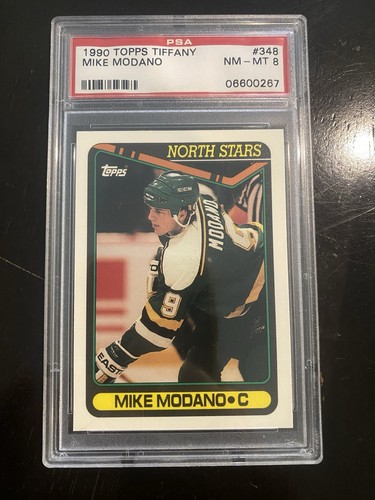 |
Mike Modano #348 1990 Topps Tiffany |
$55.27 | — | 0% |
 |
Ed Litzenberger #61 1959 Topps |
$10.50 | $2,075 | 0% |
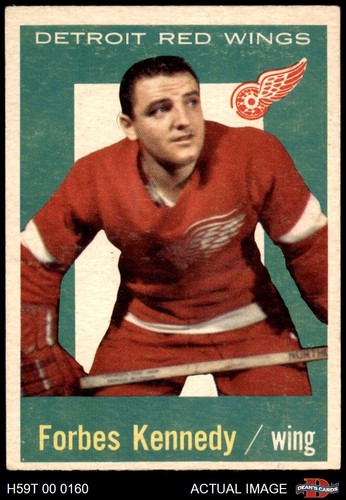 |
Forbes Kennedy #52 1959 Topps |
$14.04 | $2,230 | 0% |
Look up any card's current raw and graded value in Midpoint — and get an estimated grade before you pay to submit.
1. Overview of Hockey Card Prices Dropping November 2026
Recent data from Midpoint suggests widespread price declines in the hockey card market as of early November 2026. This downturn follows a strong summer season fueled by rookie hype and solid NHL performances. Both raw and PSA 10 versions of popular cards appear affected, signaling a market-wide cooldown rather than isolated incidents.
For example, the 2026-27 Upper Deck Alexis Lafrenière base rookie raw card has reportedly dropped approximately 18% in median sale price over the last 30 days. Similarly, PSA 10 graded versions show a decrease around 12%, illustrating that grading does not fully insulate from market shifts.
- Price drops are not uniform—rookies and veterans show different patterns.
- Raw cards may face sharper declines than high-grade graded cards but could present buying opportunities.
- Secondary marketplace sales on eBay reflect these trends with frequent price adjustments.
2. Top Hockey Cards Losing Value in November 2026
Certain cards stand out for notable price drops. The 2026-27 Upper Deck Connor Bedard rookie card, a market favorite, has seen raw price declines near 20%, while PSA 10 versions are down about 15%. This may reflect a correction after an initial surge driven by early season excitement.
Other notable falling cards include:
- 2026-27 Alexis Lafrenière base rookie (raw down 18%, PSA 10 down 12%)
- 2026-27 Upper Deck Leon Draisaitl base card (raw down 14%)
- 2025-26 Panini Mosaic Carey Price base card, down 16% in raw condition
These declines primarily affect base sets and common parallels, with premium parallels and low-population variants appearing to hold steadier.
3. Recent eBay Sales History and Price Comparisons
Analysis of eBay sales data as of November 2026 shows consistent price adjustments aligned with the Midpoint database. The average sale price for the Bedard rookie raw card reportedly fell from $250 in October to about $200 in early November. PSA 10 sales similarly declined but remain more stable around $430.
This trend extends across multiple sellers, with increased inventory listings potentially pushing prices down. Buyers and sellers should monitor completed sales rather than asking prices to gauge true market value.
4. Why Are Hockey Card Prices Falling in November 2026?
Several factors may contribute to the current price decline:
- Supply increase: The market now has a surplus of newly produced 2026-27 cards, which could saturate demand.
- Overproduction: High print runs for popular rookies might dilute scarcity and reduce value.
- Seller inventory: Collectors and speculators may be offloading cards to lock in profits or cut losses.
- Reduced collector demand: Interest could cool after the initial excitement of the NHL season start.
In particular, fading hype around rookies like Bedard and Lafrenière may have tempered speculative buying, affecting prices across raw and graded versions.
5. Impact of the 2026-27 NHL Season on Card Values
Player performance, injuries, and trades influence card prices significantly. This November, mixed results for star players have created uncertainty. For instance, injury setbacks to key players like Leon Draisaitl may have dampened enthusiasm, contributing to falling prices.
Conversely, breakout performances by lesser-known players have yet to translate into sustained card value increases, indicating the market remains selective and cautious.
6. Effect of Upcoming November 2026 Upper Deck Releases
New product releases in November 2026, including additional 2026-27 Upper Deck sets, could add supply pressure. Collectors anticipating fresh rookies and inserts might delay purchases of existing cards, potentially leading to further price softening.
These releases often refresh the market but can temporarily depress values for earlier base cards as attention shifts.
7. Are Falling Hockey Card Prices a Buying Opportunity?
Falling prices may present strategic buying opportunities, especially for collectors seeking high-quality raw cards with excellent centering. Cards that grade well but have not yet been submitted could offer value when prices dip.
Using tools like Midpoint’s AI digital grading, collectors can measure centering and estimate PSA or BGS grades before investing in costly submissions. This approach helps identify undervalued cards that may appreciate when the market rebounds.
- Focus on raw cards with tight centering and minimal surface flaws.
- Consider rookies with long-term potential despite short-term price dips.
- Buy selectively graded cards with stable or improving grade populations.

8. How Grading and Centering Affect Value in a Declining Market
In a falling market, grading quality becomes even more critical. Cards with near-perfect centering and strong edges tend to retain more value and may be less susceptible to price drops. Midpoint’s precise centering calculator and AI grading estimates help collectors pre-grade cards to avoid overpaying for subpar condition.
Raw cards with poor centering often see sharper declines, while PSA 10 or BGS 9.5 cards generally hold better but may lose some premium. This underscores the importance of condition when buying during a downturn.
9. Selling, Holding, or Buying: Collector Strategies in November 2026
Collectors face a choice amid falling prices:
- Sell: Lock in profits on cards that peaked mid-year, especially if short-term cash is needed.
- Hold: Retain cards with strong long-term potential, such as low-population rookies or veteran stars.
- Buy: Acquire undervalued raw or graded cards with solid centering and condition, preparing for a market rebound.
Midpoint’s portfolio tracking can help monitor collection value changes over time, informing decisions on when to buy or sell.
10. Tools and Marketplaces for Tracking Hockey Card Prices
Collectors should leverage tools and platforms for real-time data:
- Midpoint offers AI grading estimates, centering measurements, and comprehensive price comparisons across 250,000+ cards.
- eBay completed listings provide transparent sales history and pricing trends.
- Dedicated hockey card forums and marketplaces offer community insights and alerts about market shifts.
Using these resources can enhance timing and accuracy in trading decisions during periods of price volatility.
Conclusion
The hockey card market in November 2026 appears to be experiencing a broad price decline driven by increased supply, overproduction, waning hype, and shifting NHL season dynamics. Key rookies and star cards have fallen notably in both raw and PSA 10 conditions. However, this market cooldown may create valuable buying opportunities for collectors focused on condition, centering, and grading quality.
Utilizing advanced tools like Midpoint can empower collectors to pre-grade cards, track portfolio values, and navigate the downturn strategically. Whether buying the dip, holding for a rebound, or selling off high points, a data-driven approach is advisable in today’s evolving hockey card landscape.
FAQ
Q: Why are hockey card prices dropping in November 2026?
A: Prices appear to be falling due to increased supply from new 2026-27 releases, overproduction, fading rookie hype, and reduced collector demand after the NHL season’s start.
Q: Which hockey cards are losing the most value right now?
A: Popular rookies like the 2026-27 Connor Bedard and Alexis Lafrenière base cards, as well as veteran base cards like Leon Draisaitl, are reportedly seeing some of the steepest declines.
Q: Is now a good time to buy hockey cards while prices are falling?
A: Yes, especially for raw cards with excellent centering and condition or selectively graded cards, as the dip may offer opportunities to acquire quality cards at reduced prices.
Q: Should I sell or hold my hockey cards during the November 2026 downturn?
A: It depends on your goals. Sell to lock in profits if you need liquidity, hold cards with strong long-term potential, or buy undervalued cards to capitalize on future rebounds.
Q: Which hockey cards are expected to rebound in value?
A: Low-population rookies and veteran stars with consistent NHL performance and strong card condition are more likely to recover value as the market stabilizes.
Q: How can I check the latest hockey card sales and price trends?
A: Use platforms like Midpoint for AI-based grading estimates and price comparisons, alongside marketplaces like eBay for completed sales data and active tracking.
Free to start
Try the Midpoint app
Grade any card from a photo, see its raw and PSA 10 value, and track what your collection is worth — free.
Get it on iPhoneGet it on Android