Hockey Card Prices Dropping October 2026: What Collectors Must Know
Explore why hockey card prices are dropping October 2026, which rookies lost value, and how to buy the dip smartly with Midpoint's grading insights.

Estimated reading time: 8 min
Key Takeaways
- October 2026 saw a general decline in hockey card prices, particularly among 2026-27 Upper Deck Series 1 Young Guns.
- Some rookies like Porter Martone and James Hagens experienced price drops, possibly due to increased supply and typical post-release market adjustments.
- Raw cards generally showed larger price decreases than PSA 10 graded copies during this period.
- Using AI grading tools like Midpoint can assist in identifying cards with good centering before investing.
- Collectors should consider population data, recent sales, and card condition when making purchasing decisions during market dips.
The hockey card market experienced shifts in October 2026, with prices declining across many releases. Understanding factors behind these changes and which cards are most affected can help collectors make informed decisions. From supply increases to typical post-release adjustments, this guide outlines October 2026 market trends, rookie card price movements, and strategies to navigate falling hockey card prices.
30-day price movers — live data from Midpoint's card database, as of 2026-10-14. Prices move; Midpoint refreshes these daily.
| Card | Raw | PSA 10 | 30-day | |
|---|---|---|---|---|
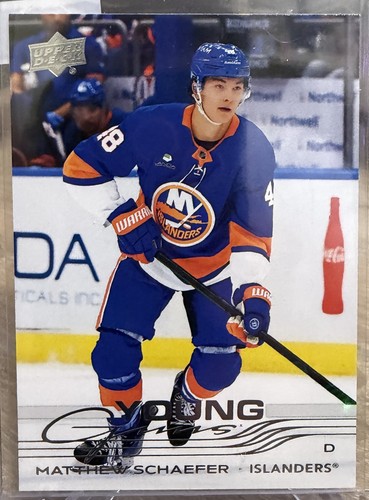 |
Matthew Schaefer #451 2025 Upper Deck Series 2 |
$160.40 | $850.00 | -13.7% |
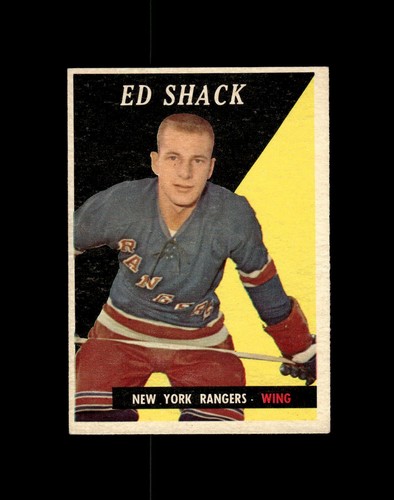 |
Eddie Shack #30 1958 Topps |
$89.99 | $18,119 | 0% |
 |
Bobby Orr #200 1968 O-Pee-Chee |
$59.25 | $5,482 | 0% |
 |
Ryan Leonard [High Gloss] #238 2025 Upper Deck |
$910.32 | — | 0% |
 |
Wayne Gretzky #250 1980 O-Pee-Chee |
$75.00 | $41,480 | 0% |
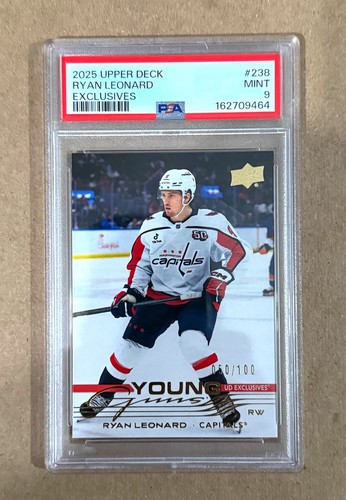 |
Ryan Leonard [Exclusive] #238 2025 Upper Deck |
$226.94 | $952.73 | 0% |
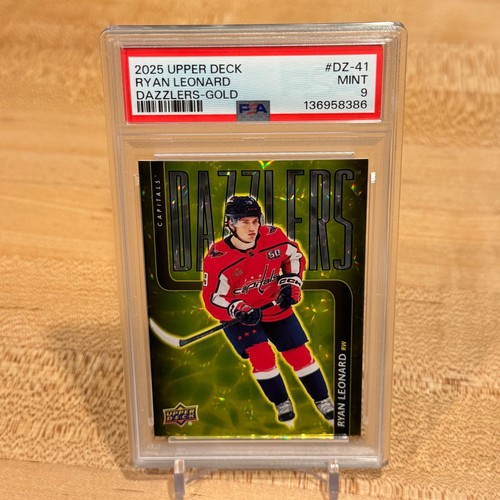 |
Ryan Leonard [Gold] #DZ-41 2025 Upper Deck Dazzlers |
$227.01 | $951.52 | 0% |
 |
Tim Horton #58 1952 Parkhurst |
$609.40 | $161,206 | 0% |
 |
Mario Lemieux #9 1985 O-Pee-Chee |
$247.82 | $34,816 | 0% |
 |
Beckett Sennecke #701 2025 Upper Deck Extended Series Acetate Young Guns |
$1,611 | $7,406 | 0% |
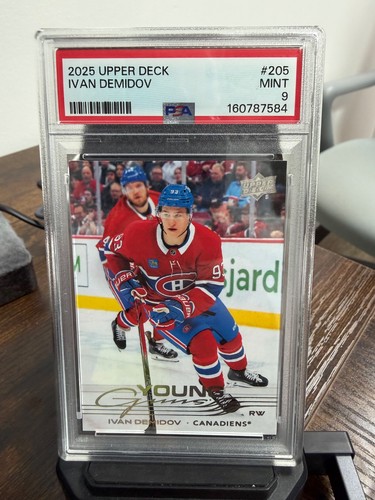 |
Ivan Demidov #205 2025 Upper Deck |
$88.82 | $523.49 | +0.3% |
 |
Wayne Gretzky #18 1979 Topps |
$806.32 | $69,557 | +23.6% |
Look up any card's current raw and graded value in Midpoint — and get an estimated grade before you pay to submit.
1. October 2026 Hockey Card Market Overview
October 2026 marked a cooling phase for hockey cards, especially following the October 7 release of the 2026-27 Upper Deck Series 1 Young Guns. While initial enthusiasm drove demand, prices declined as supply increased and collectors adjusted to the influx.
This price adjustment was broad but particularly noticeable for flagship rookie cards and lower-end Young Guns variants. The market’s reaction aligns with common post-release dynamics where early excitement fades and prices tend to decrease.
Factors contributing to the decline include rising card populations, multiple new product releases competing for attention, and an increased supply of raw rookie cards without premium grading.
- Market decline estimated around 10-20% across popular hockey sets as of mid-October 2026.
- Raw rookie cards generally saw steeper declines than graded versions.
- Signs of price stabilization began to emerge by mid-October after initial volatility.

2. 2026-27 Upper Deck Series 1 Young Guns Price Trends
The 2026-27 Upper Deck Series 1 Young Guns release on October 7 was a significant factor in market movement. Initially, many Young Guns cards increased in price due to collector interest and limited early availability.
However, within the following week, prices for many Young Guns cards declined. For example, average prices of raw Young Guns reportedly dropped by approximately 15% as supply increased in secondary markets.
Collectors should recognize this typical price adjustment as hype fades and more cards become available. Patience can help avoid purchasing at peak prices during release week.
- The depth of the Young Guns checklist reduces individual card scarcity.
- Lower-end Young Guns cards (ungraded, common) experienced the largest value decreases.
- Top rookies tended to retain more value relative to the broader checklist.
3. Top Rookies Experiencing Price Pressure: Porter Martone, James Hagens, Anton Frondell, Cole Hutson
Several rookies from the 2026-27 Young Guns have seen price declines since October 7. Raw cards of Porter Martone, James Hagens, Anton Frondell, and Cole Hutson reportedly dropped between 12-18% in value as of mid-October 2026.
PSA 10 graded versions of these rookies generally held value better, with declines estimated between 5-8%. This suggests buyers may prefer high-grade cards amid increased supply.
Collectors interested in buying during this dip might focus on raw cards with strong centering and surface quality, which could have potential for future appreciation if supply stabilizes.
- Martone raw Young Guns reportedly declined around 16% in price.
- Hagens PSA 10 cards showed smaller declines, approximately 6%, indicating grading’s potential protective effect.
- Frondell and Hutson followed similar patterns, with larger raw price drops.
4. Increased Supply and New Product Releases Affecting Prices
The October 2026 downturn in hockey card prices is linked to increased supply from multiple new releases and a higher population of cards in circulation. This increased availability can reduce scarcity and put downward pressure on prices.
Collectors face challenges as the volume of raw, ungraded cards grows, often leading sellers to lower prices to move inventory. Concurrent new product launches also compete for collector attention, fragmenting demand.
Understanding this supply-demand dynamic helps explain recent price declines and informs timing decisions for buying or holding cards.
- Multiple releases in September and October 2026 contributed to market saturation.
- Rising card populations from reprints and base set production may contribute to falling prices.
- Collectors are advised to watch for signs of supply stabilization before making aggressive purchases.
5. Raw vs. PSA 10 Graded Card Performance During October Decline
A notable trend in the October 2026 hockey card market is the difference in price performance between raw and PSA 10 graded cards. Raw cards have generally experienced sharper price decreases, often roughly double the percentage decline of PSA 10 copies.
This difference highlights the premium collectors place on condition verification and quality assurance. Graded cards tend to offer greater confidence, especially amid rising supply and market uncertainty.
Using AI digital grading tools like Midpoint’s card centering and surface analysis can help collectors identify raw cards with potential for high grades before submission, potentially reducing grading risks.
- Raw card prices reportedly fell 12-18% on average versus 5-8% for PSA 10s.
- Collectors can use Midpoint to pre-grade and assess centering and potential grade outcomes.
- Graded cards may serve as a relatively safer investment during market dips.
6. Opening-Week Hype and Post-Release Price Adjustment Explained
New flagship rookie cards often experience an opening-week price surge driven by hype and limited initial availability. October 2026’s Young Guns release followed this pattern, with prices peaking early then declining as hype diminished.
This post-release cooling is a common market cycle. Many collectors who purchased during the hype may sell or reduce bids, leading to price softening over several weeks.
Understanding this cycle can help collectors avoid overpaying shortly after release and plan purchases after prices stabilize.
- Opening-week prices often reflect speculative demand rather than long-term value.
- Price declines typically bottom out 3-4 weeks post-release.
- Collectors can use tools like Midpoint to evaluate card condition during this phase.
7. Young Guns Checklist Depth and Sales Concentration Among Top Rookies
The extensive Young Guns checklist in 2026-27 may dilute individual card value because many rookies compete for collector interest. As a result, lower-profile rookies’ cards often have less demand and lower prices.
Sales data indicates that top rookies like Porter Martone receive a large portion of market activity, while many others see limited sales volume and steeper price declines.
Collectors seeking bargains might consider secondary rookies with strong grading potential or long-term upside rather than focusing solely on marquee names during periods of oversupply.
- Top 10 rookies account for a significant portion of Young Guns sales volume.
- Lower-profile rookies’ raw cards have experienced notable value declines.
- Centering and condition analysis remain important for identifying undervalued cards.
8. Will Hockey Card Prices Keep Falling or Stabilize After October Supply Increase?
Market data through mid-October 2026 suggests that while hockey card prices are still adjusting, some segments may be approaching stabilization. Initial selling pressure appears to be easing, and supply growth may be slowing.
Collectors might expect price floors to form in the following months if supply remains controlled and no major new releases flood the market.
Patience and condition-focused buying strategies, including pre-grading with Midpoint, are advisable to navigate this period effectively.
- Price declines slowed after early October.
- High-grade cards show early signs of price support.
- Monitoring population reports can help anticipate market shifts.
9. Evaluating Sold Listings, Population Data, Centering, and Condition Before Buying
Making informed purchases during price dips requires careful evaluation of market data. Recent sold listings provide insight into actual transaction prices and demand trends. Population reports indicate card scarcity and grading frequency.
Condition and centering are critical factors influencing card value. Midpoint’s AI-powered centering calculator and grading estimates can assist collectors in assessing these aspects before purchase or grading submission.
Combining market intelligence with condition analysis can reduce risk and improve chances of acquiring undervalued cards with potential upside.
- Review sold listings to confirm current market prices.
- Check population data for grading rarity.
- Use Midpoint to measure centering precisely.
- Assess surface and edge conditions with AI tools.
10. Strategies for Buying the Dip, Holding Cards, or Avoiding Oversupplied Rookies
Collectors can approach falling hockey card prices in October 2026 with strategies tailored to their risk tolerance and market outlook.
Buying the dip may involve targeting raw cards with strong centering and surface quality for future grading, potentially benefiting from price rebounds. Holding premium graded cards might be prudent if market stabilization is expected. Avoiding oversupplied rookies with limited demand can help prevent losses from prolonged price drops.
Using Midpoint’s collection tracking and grading estimate features can support optimized timing for buys, holds, and sales.
- Buy raw cards with excellent centering to improve grading outcomes.
- Hold PSA 10 graded rookies with stable demand profiles.
- Avoid lower-profile rookies facing ongoing supply pressure.
- Track portfolio value changes using digital tools like Midpoint.
Conclusion
The hockey card price declines in October 2026 appear to reflect a market adjustment following major releases and increased supply. Top rookies like Porter Martone and James Hagens have experienced raw card price declines, while PSA 10 graded examples have generally held value better. Collectors may consider using this dip as an opportunity to buy carefully, leveraging tools like Midpoint to pre-grade cards and assess centering and condition before investing. Monitoring population data and recent sales can help avoid oversupplied rookies and support long-term collection value.
FAQ
Q: Why are 2026-27 Upper Deck Young Guns prices falling after release?
A: Prices often fall due to increased supply, fading hype after opening week, and multiple new releases saturating the market. This leads to typical post-release price adjustments.
Q: Are hockey card prices dropping across the market or only for 2026-27 Young Guns?
A: The decline is more pronounced for 2026-27 Young Guns, while other hockey card segments have shown smaller or stabilizing price changes as of October 2026.
Q: Which 2026-27 Young Guns cards are losing the most value?
A: Lower-end raw rookie cards and less popular rookies like Anton Frondell and Cole Hutson have experienced notable declines, with top rookies generally seeing smaller decreases, especially in PSA 10 grade.
Q: Is now a good time to buy Porter Martone, James Hagens, or Anton Frondell cards?
A: Potentially yes, particularly raw cards with strong centering and surface condition, as prices have dipped but these players may have long-term potential.
Q: Are PSA 10 hockey cards holding value better than raw cards in October 2026?
A: PSA 10 graded cards have generally declined less sharply and may offer more price stability amid rising supply and market uncertainty.
Q: How far will hockey card prices drop after the initial release hype?
A: Price declines often range from 10-20% for raw cards and 5-8% for graded cards before stabilizing, depending on supply and demand factors.
Free to start
Try the Midpoint app
Grade any card from a photo, see its raw and PSA 10 value, and track what your collection is worth — free.
Get it on iPhoneGet it on Android