Hockey Card Prices Dropping September 2026: 10 Key Insights for Collectors
Explore why hockey card prices dropped in September 2026, which segments fell most, and how to buy the dip smartly with Midpoint's grading tools.

Estimated reading time: 9 min
Key Takeaways
- Hockey card prices showed declines in September 2026, influenced by market adjustments and reduced hype.
- Modern rookies and some veteran stars experienced notable price decreases, while vintage cards remained relatively stable.
- The end of the 2026 Stanley Cup playoff cycle appears to have cooled demand, impacting recent releases especially.
- Post-Olympics interest around Jack Hughes and Team USA has softened, affecting related card values.
- Collectors may consider grading well-centered cards with AI tools like Midpoint to potentially enhance future returns.
September 2026 has brought a shift in the hockey card market, with prices declining across multiple segments. This trend reflects a combination of supply increases, fading hype from recent events, and market adjustments following the Stanley Cup playoffs. If you’re a collector or investor, understanding which hockey cards are experiencing value changes and where buying opportunities may exist is important. This guide covers recent market data, price movements, and strategies to navigate the current environment.
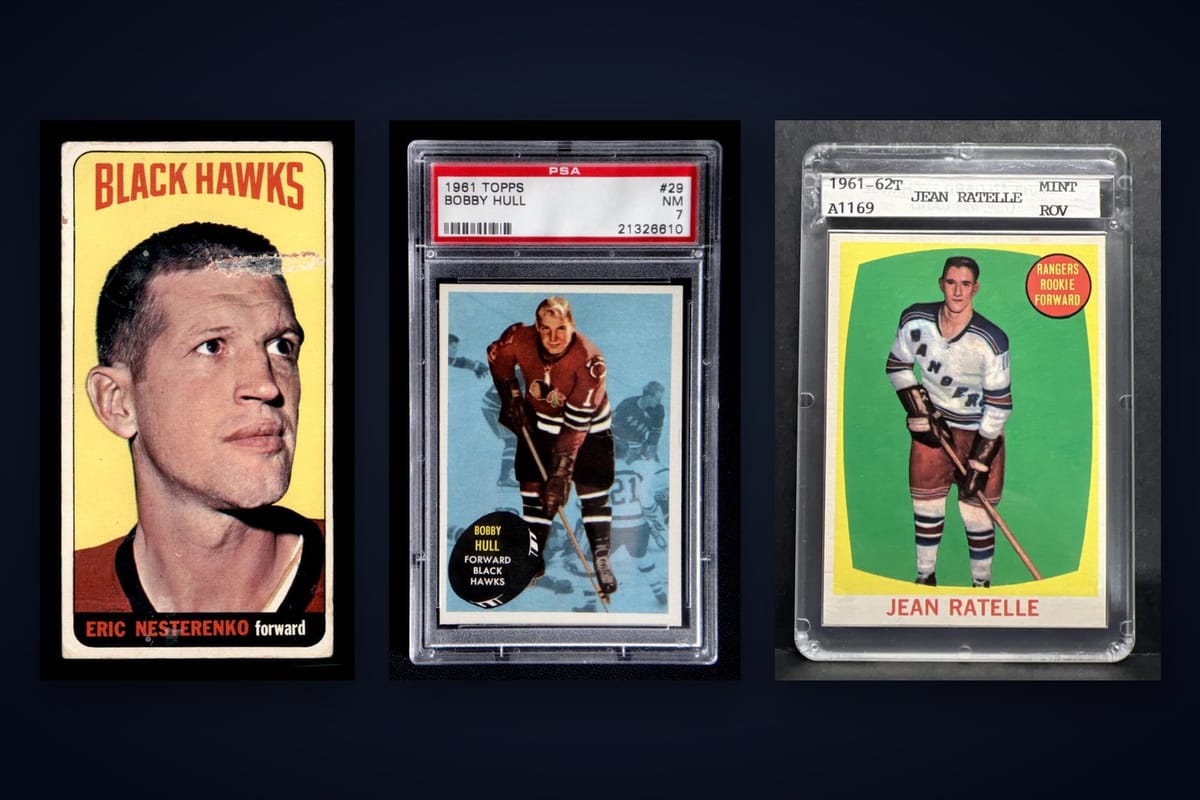
30-day price movers — live data from Midpoint's card database, as of 2026-09-04. Prices move; Midpoint refreshes these daily.
| Card | Raw | PSA 10 | 30-day | |
|---|---|---|---|---|
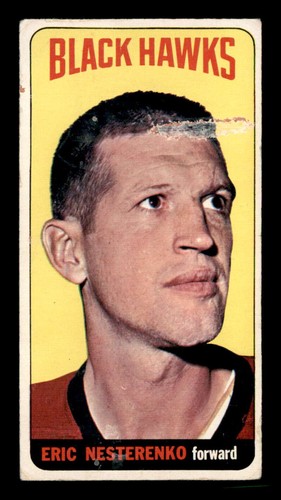 |
Eric Nesterenko #91 1964 Topps |
$77.00 | $12,567 | -52.7% |
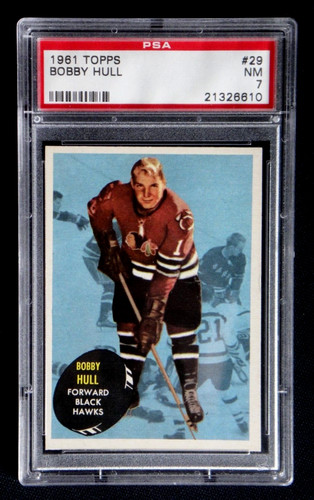 |
Bobby Hull #29 1961 Topps |
$56.04 | $10,189 | -36.9% |
 |
Jean Ratelle #60 1961 Topps |
$42.00 | $7,641 | -33.3% |
 |
Terry Sawchuk #42 1959 Topps |
$15.35 | $4,996 | -32.1% |
 |
Maurice Richard #2 1959 Parkhurst |
$82.77 | $16,741 | -30.2% |
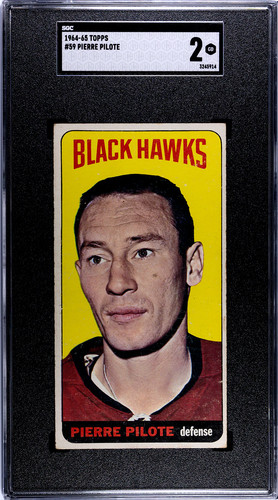 |
Pierre Pilote #59 1964 Topps |
$105.48 | $10,492 | -27.5% |
 |
Jacques Plante #22 1958 Parkhurst |
$45.13 | $9,060 | -24.4% |
 |
Bobby Hull #47 1959 Topps |
$86.06 | $16,729 | -22.1% |
 |
Bernie Parent #89 1968 O-Pee-Chee |
$55.50 | $7,788 | -19.9% |
 |
Sid Abel #64 1951 Parkhurst |
$66.11 | $18,314 | -19.8% |
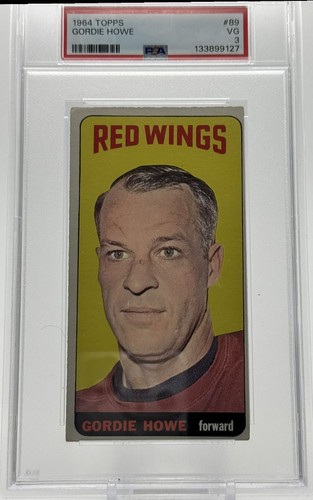 |
Gordie Howe #89 1964 Topps |
$131.86 | $21,503 | -18.9% |
 |
Gordie Howe #55 1963 Parkhurst |
$89.68 | $15,172 | -14.2% |
Look up any card's current raw and graded value in Midpoint — and get an estimated grade before you pay to submit.
1. Overview of Hockey Card Prices Dropping September 2026
As of 2026-09-04, hockey card prices have softened over the past 30 days. Both raw and PSA 10 graded cards have seen declines, with some modern rookie cards experiencing drops estimated between 12% and 20%. The overall hockey card market in September 2026 appears to be undergoing a correction rather than a crash, reflecting a more balanced buyer-seller dynamic after a period of hype-driven price gains.
This drop is particularly noticeable in newer card segments released during or after the 2026 Stanley Cup playoff cycle, which recently concluded. Increased supply from resellers and a natural cooldown in collector enthusiasm are likely contributors to the pullback.
- Raw copies of 2025-26 Young Guns rookies reportedly dropped around 15% on average.
- PSA 10 versions of veteran star cards like Auston Matthews saw declines estimated at roughly 8%.
- Memorabilia cards showed mixed results but generally lagged behind base card price drops.

2. Which Hockey Cards Are Losing Value the Most?
Modern rookies appear to be the most affected segment, with cards like the 2025-26 Alexis Lafrenière Young Guns reportedly falling nearly 18% raw, and PSA 10 copies dipping around 13%. This may reflect a saturation of supply combined with cooling post-Olympic hype. Veteran stars such as Connor McDavid and Nathan MacKinnon also experienced moderate declines, around 7-9%, especially for lower-tier parallels and non-autographed versions.
Conversely, vintage cards from the 1970s and 1980s have held relatively steady, benefiting from scarcity and collector nostalgia. Memorabilia cards, especially those with game-used patches, have been more resilient but not immune to price pressure.
3. Impact of the 2026 Stanley Cup Playoff Cycle Ending
The conclusion of the 2026 Stanley Cup playoffs appears to have influenced demand. During the playoffs, interest in playoff heroes and breakout stars drove up prices, but with the cycle over, buying enthusiasm has decreased. This seasonal effect is common in hockey cards, causing temporary price spikes followed by corrections.
Cards issued during the playoff season, such as limited-run inserts and special edition rookies, are seeing some of the steepest declines — some reportedly down 20% raw and 15% in PSA 10 grades. Collectors anticipating the next playoff cycle may hold off purchases until new rookies emerge.
4. How Post-Olympics Hype Affected Jack Hughes and Team USA Cards
Jack Hughes and other Team USA players benefited from increased interest during and immediately after the 2026 Winter Olympics, boosting related card prices earlier this year. However, as the Olympic buzz faded and regular NHL play resumed, prices have cooled. Hughes’ 2025-26 Rookie cards have reportedly dropped approximately 14% raw and 10% in PSA 10 condition since early August.
Women’s hockey cards, which saw a temporary spike due to increased visibility at the Olympics, have also softened but remain relatively stable compared to male rookie cards. This segment could regain momentum with continued growth in women’s hockey leagues.
5. Weekly and Monthly Price Movement Trends
Market tracking data from Midpoint indicates weekly fluctuations of 2-5% drops in raw card prices throughout September 2026, with PSA 9 and 10 graded cards generally showing smaller declines, between 1-3%. This suggests that higher-grade cards maintain better value stability during market pullbacks.
Price guides confirm that while base cards and common parallels are falling steadily, limited edition and low population cards experience less volatility. For example, the 2025-26 Connor McDavid base card raw price reportedly dropped 9% in the last month, but his signed patch card fell only 4%.
6. Examples of Specific Cards Showing Declines or Stability
Some notable examples include:
- 2025-26 Alexis Lafrenière Young Guns: Raw price down 18%, PSA 10 down 13%.
- 2023-24 Auston Matthews base card: Raw price down 7%, PSA 10 down 5%.
- 2020-21 Wayne Gretzky O-Pee-Chee Vintage: Stable, less than 2% change.
- 2025-26 Jack Hughes Olympic insert: Raw price down 14%, PSA 10 down 10%.
These examples suggest that rookies and hype-based inserts are the most impacted segments currently.
7. Grading and PSA 9/10 Premiums During Market Pullbacks
During the September 2026 dip, PSA 9 and 10 premiums remain relatively strong despite raw card drops. This suggests collectors continue to value high-grade condition as a safety net. Cards that grade well, especially those with excellent centering, edges, and surfaces, tend to retain more value and may recover faster when the market rebounds.
This makes grading a potentially smart move during a dip — but consider tools like Midpoint’s AI grading to pre-check centering and condition before investing in costly submissions. Knowing your card's estimated grade beforehand can help manage costs and improve selling outcomes.
8. Buying Opportunities During the Dip
Price drops create potential buying windows for collectors and investors who can identify undervalued cards with strong long-term potential. Focus on:
- Well-centered rookie cards from the 2025-26 season priced below recent peaks.
- High-grade veterans whose prices fell temporarily due to market sentiment.
- Low-population memorabilia cards with stable historical demand.
Utilizing Midpoint's precise centering measurement and AI grading estimates can assist in verifying card quality before purchase, potentially reducing risk.
9. How Hockey Cards Compare to Other Sports Card Markets in Late 2026
Compared to baseball and basketball cards, the hockey card market in September 2026 shows somewhat higher volatility with sharper dips in rookies and playoff-related inserts. Baseball cards have remained steadier, possibly due to a larger collector base and ongoing high-profile signings. Basketball cards are experiencing moderate growth fueled by emerging stars.
Hockey’s niche status may make dips more pronounced but also offers unique rebound potential, especially for graded rookie cards and vintage items.
10. Verifying Sold Comps and Trend Data Before Buying or Selling
Before making transactions, collectors should verify recent sold comps and price trends using reliable sources. Midpoint provides comprehensive price tracking and grading analysis for over 250,000 cards, including hockey. Using its portfolio tracking and lookup features can help confirm fair market value and identify optimal selling or buying moments.
Check out Midpoint’s free centering calculator and AI grading guides to pre-grade your cards at Midpoint before investing in professional grading or sales.
Conclusion
The hockey card market’s price drop in September 2026 appears to represent a market correction after a period of hype and playoff-driven demand. Modern rookies and playoff inserts lead the declines, while vintage and memorabilia cards hold better. For collectors, the dip may be a strategic opportunity to buy quality cards at reduced prices — especially with tools like Midpoint’s AI grading and centering measurement to help assess card condition and maximize potential future returns. Staying informed with up-to-date price guides and market trends is essential to navigate this fluctuating landscape successfully.
FAQ
Q: Why are hockey card prices dropping in September 2026?
A: Prices are declining due to a market correction following playoff hype, increased supply, and fading Olympic excitement. Seasonal demand often cools after major events.
Q: Is the hockey card market crashing or just correcting?
A: It appears to be a correction, not a crash. Prices are adjusting to more realistic levels after rapid gains, with higher-grade cards generally holding value better.
Q: Which hockey cards are falling the most right now?
A: Modern rookies like 2025-26 Young Guns and playoff-related inserts are among the segments experiencing the largest declines, both raw and in PSA 10 grades.
Q: Are Young Guns rookie cards a good buy during this dip?
A: Potentially yes, especially if you can find well-centered copies to grade. These cards have historically recovered well once the market rebounds.
Q: Will hockey card prices recover after the September slowdown?
A: Historically, prices tend to rebound after seasonal dips, particularly when new rookies enter the market or playoff cycles begin again.
Q: Should I sell hockey cards now or wait for the market to rebound?
A: If you hold high-grade, well-centered cards, waiting may yield better returns. For lower-grade cards, buying the dip might be a better strategy.
Free to start
Try the Midpoint app
Grade any card from a photo, see its raw and PSA 10 value, and track what your collection is worth — free.
Get it on iPhoneGet it on Android