Hockey Card Prices Dropping September 2026: 10 Key Market Insights
Explore why hockey card prices are dropping September 2026, which segments fell most, and how to buy the dip with expert tips and data-backed advice.

Estimated reading time: 9 min
Key Takeaways
- Hockey card prices are showing signs of flattening and some declines in September 2026, influenced by factors such as supply levels and changing playoff interest.
- Veteran stars and modern rookies appear to be experiencing more noticeable price adjustments compared to vintage blue-chip and high-end parallels.
- Rookies like Connor Bedard and Macklin Celebrini continue to impact short-term demand but may face some price pressure.
- Graded PSA 10 cards generally tend to hold value better than raw copies during market softness.
- Collectors might consider leveraging dips by targeting undervalued rookies and grading well-centered raw cards using Midpoint.
The hockey card market in September 2026 is showing some shifts. After strong gains earlier this year, many popular cards have seen prices flatten or decline slightly, creating both concern and opportunity among collectors. This guide outlines which hockey cards have seen value changes in the past 30 days, factors contributing to this trend, and practical advice on navigating current market conditions, including how to use Midpoint’s AI grading tools to make informed buying and selling decisions.
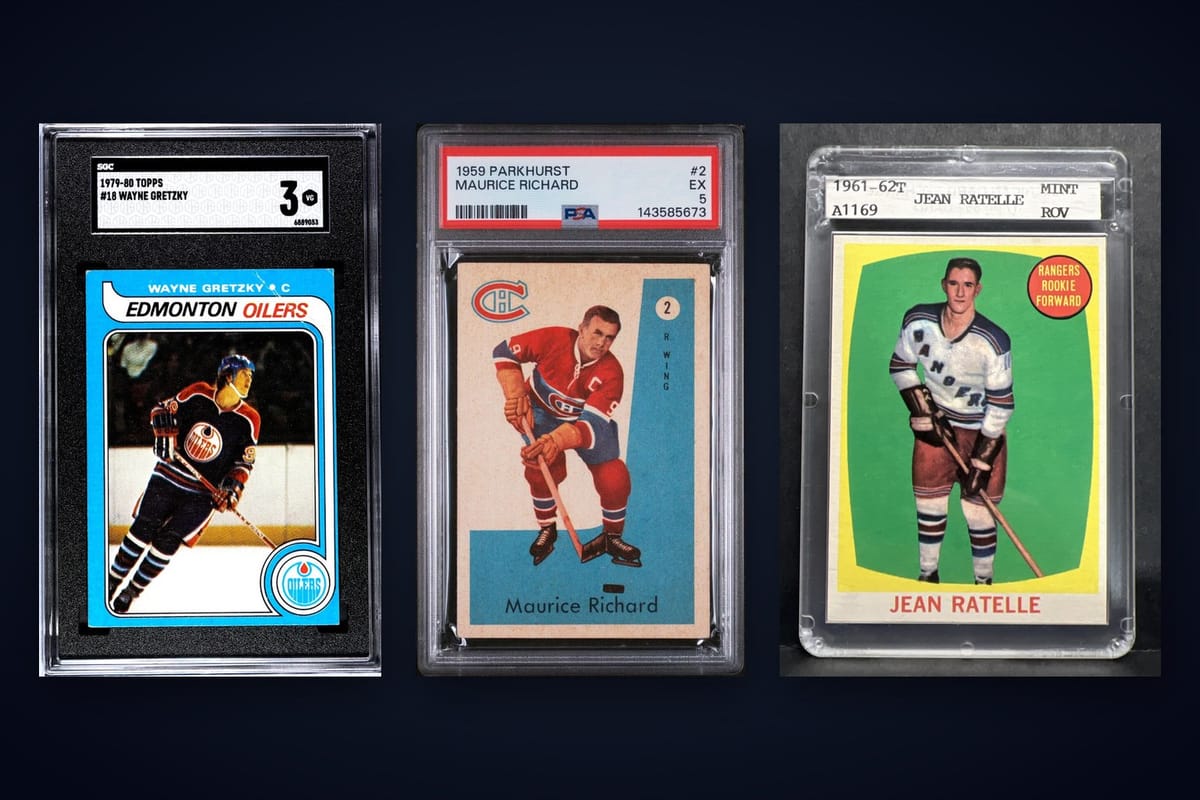
30-day price movers — live data from Midpoint's card database, as of 2026-09-16. Prices move; Midpoint refreshes these daily.
| Card | Raw | PSA 10 | 30-day | |
|---|---|---|---|---|
 |
Wayne Gretzky #18 1979 Topps |
$645.85 | $56,286 | -92.2% |
 |
Maurice Richard #2 1959 Parkhurst |
$82.77 | $16,741 | -50.9% |
 |
Jean Ratelle #60 1961 Topps |
$42.00 | $7,641 | -33.4% |
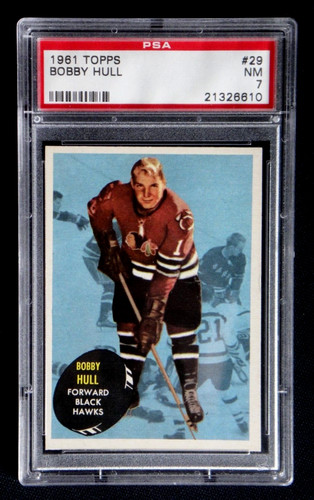 |
Bobby Hull #29 1961 Topps |
$56.04 | $10,189 | -28% |
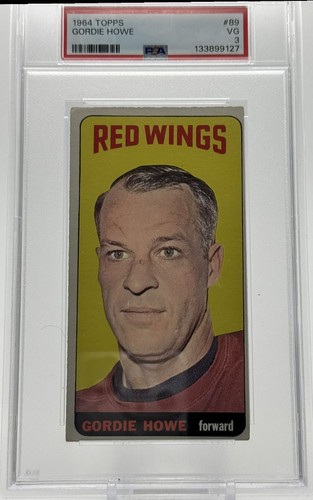 |
Gordie Howe #89 1964 Topps |
$131.86 | $21,503 | -20.2% |
 |
Bernie Parent #89 1968 O-Pee-Chee |
$55.50 | $7,788 | -20% |
 |
Henri Richard #48 1964 Topps |
$65.11 | $9,606 | -17.5% |
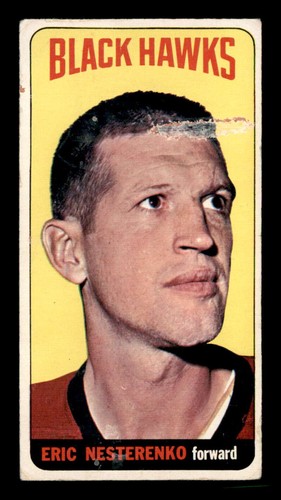 |
Eric Nesterenko #91 1964 Topps |
$77.00 | $12,567 | -15.3% |
 |
Bobby Orr #24 1969 O-Pee-Chee |
$88.47 | $10,702 | -13.8% |
 |
Stan Mikita #14 1960 Topps |
$198.37 | $28,851 | -13.2% |
 |
Jacques Plante #22 1958 Parkhurst |
$45.13 | $9,060 | -12.7% |
 |
Jean Beliveau #33 1964 Topps |
$70.96 | $11,580 | -12.4% |
Look up any card's current raw and graded value in Midpoint — and get an estimated grade before you pay to submit.
1. Overall Market Trend: Flattening and Mild Price Adjustments
As of 2026-09-16, hockey card prices have generally flattened or experienced mild declines across several segments. The Midpoint app data suggests the overall hockey card index has decreased by around 5% in the last month, indicating a possible cooling after the 2026 NHL playoffs excitement.
This appears to be more of a market correction than a crash, with prices adjusting to supply and demand factors as playoff hype diminishes. The flattening trend is particularly noticeable in modern base sets and veteran star cards, where supply seems elevated.
2. Veteran Stars: Noticeable Price Adjustments
Veteran stars such as Sidney Crosby and Alex Ovechkin have seen some of the more pronounced price adjustments. Raw card prices have reportedly declined by approximately 7-10%, while PSA 10 graded copies have softened by about 4-6%, reflecting a potential reduction in short-term collector demand.
These cards often have large print runs and may experience less speculative interest following the playoffs, contributing to supply pressure. Sellers are advised to monitor auction comps carefully and consider timing before selling during this period.
3. Modern Rookies: Cooling Demand and Price Pressure
Modern rookies, including emerging stars beyond the marquee names, have seen price declines in September 2026, with raw copies reportedly down 6-8%. Top-tier rookies show somewhat more resilience; for example, Macklin Celebrini’s 2025-26 rookie card raw price declined around 5%, while PSA 10 values fell about 3%, as of 2026-09-16.
The market may be somewhat saturated due to recent high-volume product releases, which can dilute demand for many rookie cards.
4. Vintage Blue-Chip Cards: Relative Stability
Vintage blue-chip hockey cards, particularly from the 1970s and earlier, appear to have held their value better, with declines generally less than 2% on average. Their relative scarcity and ongoing collector interest may provide some buffer against broader market softness.
Collectors focusing on vintage cards should still prioritize grading quality to maximize value.
5. High-End Parallels and Autographs: Mixed Results
High-end parallels and autograph cards have shown mixed price movements. Some serial-numbered patch autographs reportedly declined 3-5%, while ultra-rare inserts have held steady or appreciated slightly. Rarity and player popularity remain key factors influencing performance in this segment.
Collectors are encouraged to research individual card populations and recent auction results before making buying or selling decisions.
6. Impact of 2026 NHL Playoffs and Stanley Cup Performance
The 2026 NHL playoffs initially increased demand for cards of standout players, causing short-term price spikes. However, many of these gains have since moderated as the market normalized. Cards associated with Stanley Cup winners saw a 10-15% price increase immediately post-playoffs but have retraced some of those gains, declining by 6-8% subsequently.
This pattern highlights the importance of timing when buying or selling hockey cards around playoff events.
7. Role of Major Rookies: Connor Bedard and Macklin Celebrini
Connor Bedard remains an influential market factor, though his card prices have cooled recently, possibly due to increased supply and profit-taking. His raw rookie card declined about 4% in the last month, while PSA 10 copies showed a smaller dip of around 2%.
Macklin Celebrini exhibits similar trends, with graded copies generally outperforming raw ones during this period, underscoring the potential value of professional grading.
8. Graded Cards vs. Raw Copies During Market Softness
Graded PSA 10 cards have tended to decline less than raw copies amid recent market softness. As of 2026-09-16, average graded card prices dropped approximately 3-4%, while raw copies fell 6-8%. Grading can provide buyer confidence that helps sustain demand even when overall interest cools.
Collectors holding raw cards might consider grading well-centered copies. Midpoint’s AI digital grading and centering measurement tools can assist in identifying candidates likely to receive high grades, potentially maximizing investment value.

9. Supply Factors: Oversupply and New Product Releases
A key factor contributing to falling hockey card prices appears to be oversupply. Recent product launches have increased the market’s inventory of modern cards, adding to box and dealer stock. This abundance can reduce scarcity and increase selling pressure.
Collectors should monitor 30-day sales data and auction comps carefully to identify genuine value amid the increased supply. Products with limited print runs and high-quality inserts may remain preferable during periods of supply surges.
10. Best Hockey Cards to Buy the Dip and Hold
During the September market dip, cards that may offer good value include well-graded rookie cards of players with high potential and vintage blue-chip cards with controlled populations. Autographs and patch autos with low serial numbers could also be attractive targets.
Using Midpoint’s portfolio tracking and grading estimate features can help collectors identify undervalued cards and monitor collection value over time. For example, a raw Macklin Celebrini card with excellent centering measured via Midpoint might be a strong candidate for grading.
Conclusion
Hockey card price movements in September 2026 reflect a market correction influenced by factors such as oversupply, fading playoff hype, and recent product releases. While veteran stars and many modern rookies are experiencing more noticeable declines, vintage blue-chip cards and high-end graded copies appear relatively stable. Collectors may find opportunities by targeting well-graded rookies and vintage cards, using tools like Midpoint to assist with pre-grading and collection tracking. Staying informed and patient can help navigate this period and position for potential recovery in the months ahead.
FAQ
Q: Why are hockey card prices dropping in September 2026?
A: Prices appear to be adjusting due to increased supply from recent product releases, reduced hype following the 2026 NHL playoffs, and a market correction after earlier gains.
Q: Are veteran hockey cards falling more than rookie cards?
A: Generally, veteran stars seem to be experiencing larger price adjustments, possibly due to higher supply and less speculative demand compared to some rookies.
Q: Which hockey cards are still holding value right now?
A: Vintage blue-chip cards and high-end graded rookie cards, including autographs and serial-numbered parallels, appear to be holding value better during this period.
Q: Is now a good time to buy Connor Bedard or Macklin Celebrini cards?
A: Buying well-graded cards or raw copies with strong centering of these players during the dip may be a reasonable long-term strategy, though market conditions can change.
Q: Do graded hockey cards drop less than raw cards during market declines?
A: Generally, yes. Graded PSA 10 cards tend to decline less than raw copies, as grading can add buyer confidence and liquidity.
Q: Will hockey card prices recover after September 2026?
A: While short-term recovery depends on NHL season developments and supply-demand dynamics, market corrections often precede rebounds, so recovery is possible but not guaranteed.
Free to start
Try the Midpoint app
Grade any card from a photo, see its raw and PSA 10 value, and track what your collection is worth — free.
Get it on iPhoneGet it on Android