Hockey Card Prices Rising September 2026: Market Trends & Insights
Explore why hockey card prices are rising September 2026, top trending cards, playoff impacts, and smart buying or selling strategies for collectors.

Estimated reading time: 9 min
Key Takeaways
- Hockey card prices have shown increases in September 2026, influenced by playoff performances and Olympic attention.
- Vintage blue-chip cards like the 1979 O-Pee-Chee Wayne Gretzky remain important market benchmarks.
- Modern rookies such as Cole Celebrini are among those contributing to recent value growth in trending hockey cards.
- PSA 10 and top-grade cards often command premiums due to condition sensitivity.
- Collectors are advised to use recent sold comps and tools like Midpoint to make informed buying and grading decisions.
Hockey card prices rising in September 2026 reflect a dynamic market shaped by playoff excitement, Olympic exposure, and a mix of vintage and modern collectibles gaining value. Whether you’re a seasoned collector or just tracking trending hockey cards, understanding these market movements helps decide when to buy, hold, sell, or grade your cards. This listicle breaks down the key factors and highlights some of the cards moving up in value as of 2026-09-04, with insights to guide your collecting strategy.
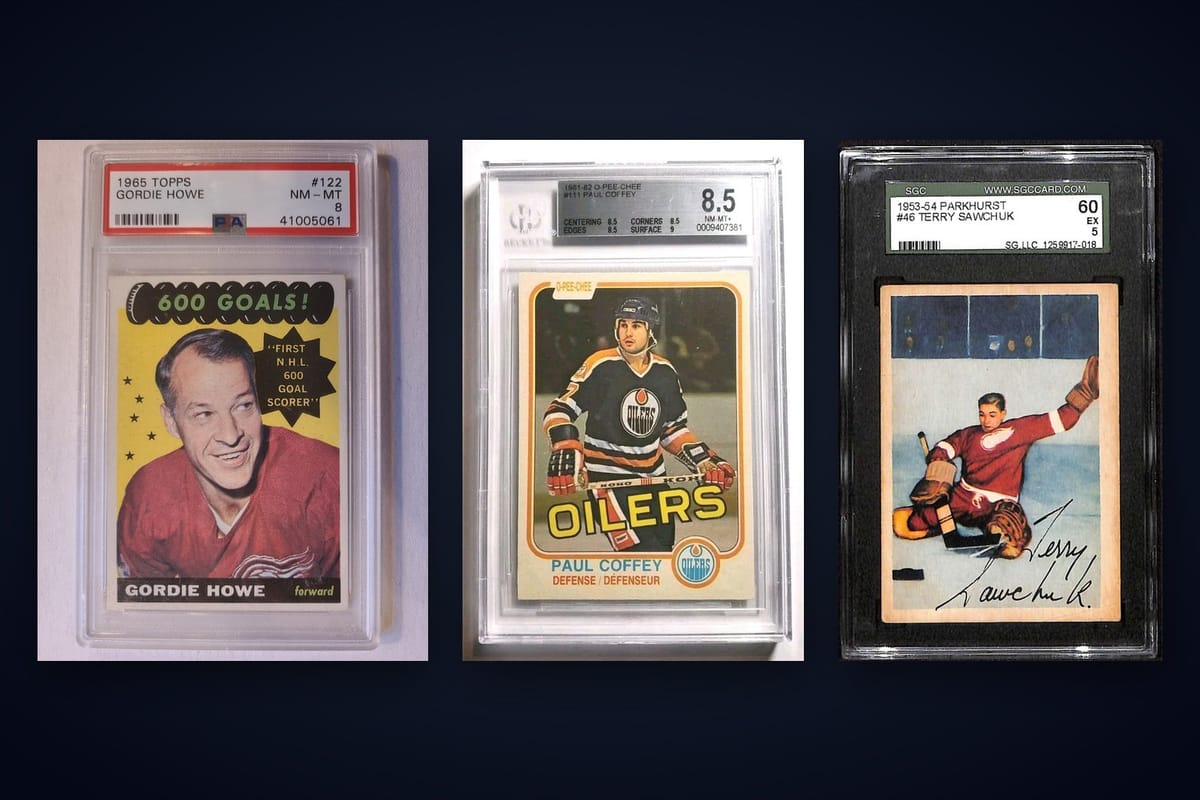
30-day price movers — live data from Midpoint's card database, as of 2026-09-04. Prices move; Midpoint refreshes these daily.
| Card | Raw | PSA 10 | 30-day | |
|---|---|---|---|---|
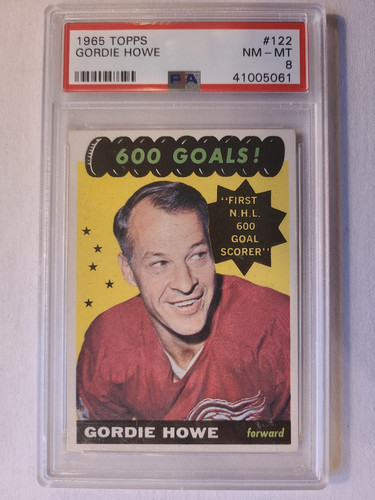 |
Gordie Howe #122 1965 Topps |
$257.67 | $41,022 | +218.8% |
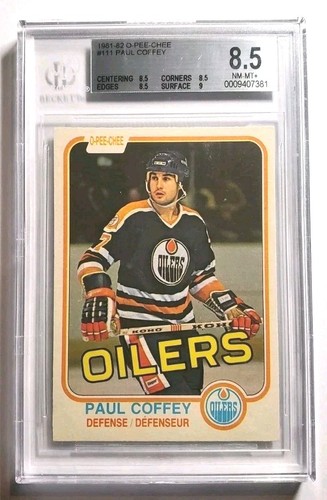 |
Paul Coffey #111 1981 O-Pee-Chee |
$22.78 | $13,501 | +197% |
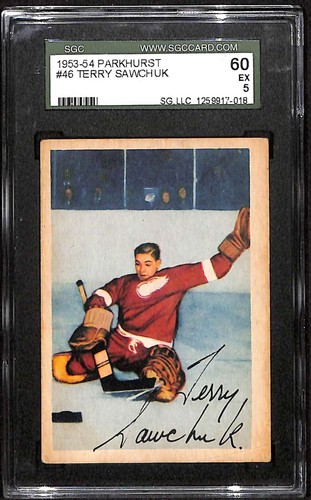 |
Terry Sawchuk #46 1953 Parkhurst |
$107.88 | $37,349 | +42.2% |
 |
Gordie Howe #109 1966 Topps |
$100.36 | $12,309 | +39.4% |
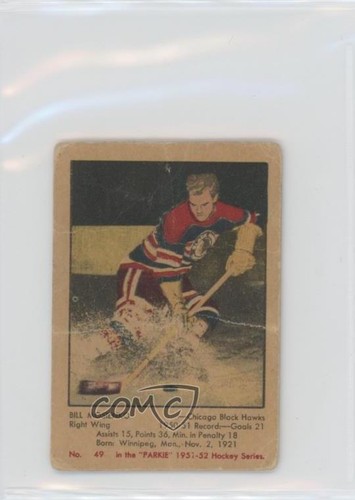 |
Bill Mosienko #49 1951 Parkhurst |
$80.94 | $20,211 | +33.8% |
 |
Dave Keon #94 1964 Topps |
$49.64 | $8,114 | +26.4% |
 |
Boom Boom Geoffrion #14 1951 Parkhurst |
$220.50 | $55,134 | +24.1% |
 |
Ken Dryden #45 1971 O-Pee-Chee |
$98.98 | $11,732 | +16.8% |
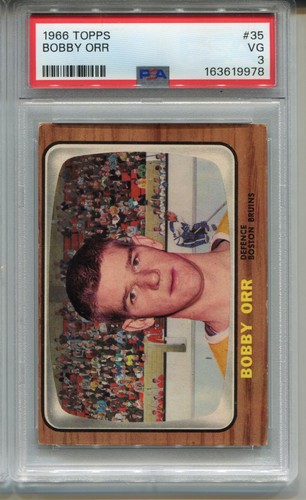 |
Bobby Orr #35 1966 Topps |
$2,243 | $337,283 | +16.8% |
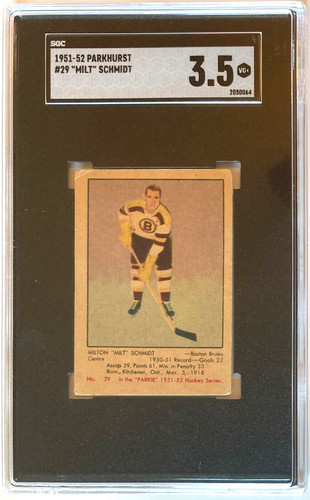 |
Milt Schmidt #29 1951 Parkhurst |
$57.04 | $14,264 | +11.5% |
 |
Gordie Howe #20 1961 Parkhurst |
$114.32 | $11,813 | +10.7% |
 |
Terry Sawchuk #33 1954 Parkhurst |
$114.12 | $26,066 | +10.5% |
Look up any card's current raw and graded value in Midpoint — and get an estimated grade before you pay to submit.
1. Current Hockey Card Market Trend in September 2026
The hockey card market in September 2026 shows an upward trajectory in many segments, with several cards appreciating in value over the past 30 days. This rise appears influenced by strong performances in the 2026 NHL playoffs and increased interest following the Winter Olympics. PSA 10 versions of key rookies and vintage staples have seen price changes.
For example, the raw value of the 2026 Upper Deck Cole Celebrini rookie card reportedly increased, while its PSA 10 graded counterpart also saw gains. This trend is observed across many playoff standouts and reflects demand from collectors and investors alike.
- Raw card prices rising on average 10-15% in September 2026 (estimates)
- PSA 10 graded cards gaining 20-30% premiums (estimates)
- Market cautious about oversupplied modern products, signaling possible short-term flattening
2. Performance-Driven Pricing from the 2026 NHL Playoffs and Stanley Cup Final
The 2026 NHL playoffs have influenced hockey card prices. Players excelling in the Stanley Cup Final have seen their card values increase as collectors focus on playoff heroes. Standout rookies and star veterans alike experienced gains, making the playoffs a notable driver of market movement.
Cole Celebrini’s playoff performance contributed to upward movement in his card’s value. Similarly, cards of playoff veterans like Auston Matthews and Connor McDavid posted price increases, especially in PSA 10 condition. This performance-driven pricing rewards collectors who timed purchases ahead of or during the postseason.
3. Impact of the 2026 Winter Olympics on Star and Team USA Hockey Card Values
The 2026 Winter Olympics added interest to hockey cards featuring Team USA stars and international players. Olympic exposure created demand for cards of standout performers, elevating their market prices. Cards of players who helped Team USA medal have seen increased interest, particularly in pristine PSA 10 grades.
Collectors have gravitated toward Team USA rookies and veterans who performed well on the Olympic stage, pushing prices up by an estimated 12-20% in many cases. This seasonal hype often creates short-term spikes but can lay the foundation for sustained interest.
4. Vintage Blue-Chip Hockey Cards Versus Modern Rookie Cards
Vintage blue-chip cards remain highly regarded by many collectors, with the 1979 O-Pee-Chee Wayne Gretzky rookie card continuing to command top dollar. As of 2026-09-04, a PSA 10 Gretzky rookie reportedly sold for around $450,000, underscoring its iconic status and rarity.
However, modern rookie cards from the 2026 season are increasingly attractive due to their growth potential. While vintage cards offer long-term stability, modern rookies—especially playoff standouts—are trending. Collectors often balance portfolios by holding vintage blue-chips for security and adding modern rookies for upside.
5. Most Valuable Hockey Cards and Benchmark Sales
Benchmark sales help define the market’s pulse. The 1979 O-Pee-Chee Wayne Gretzky rookie remains among the highest-value cards, setting a ceiling for premium vintage cards. Other notable sales include the 2026 Upper Deck Artifacts rookie boxes that previewed this September, selling out quickly and indicating collector demand.
High-end cards from limited releases or low-population print runs often set pricing benchmarks. For instance, PSA 10 versions of limited print rookies have commanded significant price premiums over raw cards, signaling the importance of condition and grading.
6. Leading Rookies in the Market: Celebrini and Other Playoff Standouts
Cole Celebrini leads the rookie market in September 2026, with his cards rising after playoff success. Other rookies such as Lucas Raymond and Matty Beniers also saw value increases ranging from 15-22% in raw and graded forms.
Collectors focus on playoff impact and future potential when chasing rookies. Midpoint’s portfolio tracking and grading estimate tools help identify undervalued rookies by analyzing recent sales and condition sensitivity, making it easier to spot breakout stars early.
7. Card Grading, PSA 10 Premiums, and Condition Sensitivity
PSA 10 graded cards maintain premiums over raw versions, often 20-30% higher in value. Condition sensitivity is vital; centering, corners, edges, and surface quality all influence the grade. Midpoint’s AI digital grading tool allows collectors to estimate PSA, BGS, CGC, and TAG grades before investing in costly submissions.
Knowing how to pre-grade cards using digital tools helps avoid overpaying for cards unlikely to achieve top grades. This precision is important as small centering differences can translate to significant value changes.

8. How to Read Recent Sold Comps and Price Guides Before Buying or Selling
Understanding recent sold comps is essential for navigating the September 2026 hockey card market. Price guides provide a baseline but may lag behind real-time sales trends. Collectors should prioritize recent transaction data to gauge current demand and price momentum.
Using Midpoint’s card lookup feature, collectors can compare raw and graded values across 250,000+ cards, ensuring they have accurate, up-to-date pricing before making decisions. This helps avoid market pitfalls and identify undervalued opportunities.
9. High-End Product Previews and Release Watchouts for September 2026 Hockey Boxes
September 2026 features anticipated releases like Upper Deck Artifacts and Panini’s high-end products. These products often include limited autographs and short-printed inserts driving collector interest.
However, collectors should be cautious of oversupply in certain modern product lines, which might lead to short-term price flattening. Tracking release quantities and secondary market absorption rates is key to timing purchases and sales wisely.
10. Warnings About Oversupplied Modern Product and Market Flattening Risks
While hockey card prices are rising overall, the market faces risks from oversupplied modern products. Excess print runs dilute scarcity, pressuring prices especially for base cards. This may result in short-term price plateaus or minor pullbacks.
Collectors should focus on graded, low-population cards and playoff standout rookies to mitigate oversupply risks. Utilizing tools like Midpoint to analyze card centering and condition can help maximize grading returns and market resilience.
Conclusion
Hockey card prices rising in September 2026 reflect a combination of playoff performance, Olympic exposure, and a balanced mix of vintage and modern rookies driving market growth. Condition sensitivity and grading remain important, with PSA 10 premiums rewarding careful collectors. By leveraging recent sold comps, staying aware of release watchouts, and using AI-driven tools like Midpoint, collectors can make more informed decisions to buy, hold, sell, or grade during this market phase.
FAQ
Q: Why are hockey card prices rising in September 2026?
A: Prices have risen due to strong performances in the 2026 NHL playoffs, increased interest from the Winter Olympics, and sustained demand for both vintage blue-chip and modern rookie cards.
Q: Which hockey cards are increasing the fastest right now?
A: Playoff standout rookies like Cole Celebrini and established stars such as Auston Matthews are among the cards showing notable increases, especially in PSA 10 graded condition.
Q: Are vintage hockey cards or modern rookies a better investment in 2026?
A: Vintage blue-chip cards offer long-term stability and high value, while modern rookies provide growth potential. A balanced collection including both is often recommended.
Q: How much did the 2026 NHL playoffs affect hockey card values?
A: The playoffs have boosted values of players who excelled, driving up prices for their rookie and veteran cards in some cases.
Q: Did the 2026 Olympics cause hockey card prices to spike?
A: Olympic exposure increased demand for Team USA and international stars’ cards, causing short-term price spikes, particularly in high-grade cards.
Q: What is the most valuable hockey card in 2026?
A: The 1979 O-Pee-Chee Wayne Gretzky rookie card remains among the most valuable, with PSA 10 versions reportedly reaching around $450,000 as of September 2026.
Free to start
Try the Midpoint app
Grade any card from a photo, see its raw and PSA 10 value, and track what your collection is worth — free.
Get it on iPhoneGet it on Android