Hockey Card Prices Rising September 2026: Top Market Movers
Discover why hockey card prices are rising in September 2026, which cards lead gains, and how grading affects values in this hot market.

Estimated reading time: 8 min
Key Takeaways
- Hockey card prices have shown notable increases in September 2026, influenced by playoff hype and rookie demand.
- Modern rookie cards like Macklin Celebrini’s Young Guns are among the market leaders with high-value sales reported.
- Grading and centering quality, especially PSA 10 grades, can significantly influence card values.
- Buy-now vs sell-now decisions often depend on playoff timing and summer market trends.
- Tools like Midpoint provide AI-powered grading estimates and portfolio tracking to assist collectors in making informed buying and selling decisions.
September 2026 is an important month for hockey card collectors and investors. With playoff performances increasing interest and rookie cards like Macklin Celebrini’s reaching high prices, the hockey card market is active. This listicle outlines key factors behind hockey card price movements in September 2026, highlights trending cards, and offers insights on grading, timing, and market strategy to help collectors navigate this evolving environment.
30-day price movers — live data from Midpoint's card database, as of 2026-09-04. Prices move; Midpoint refreshes these daily.
| Card | Raw | PSA 10 | 30-day | |
|---|---|---|---|---|
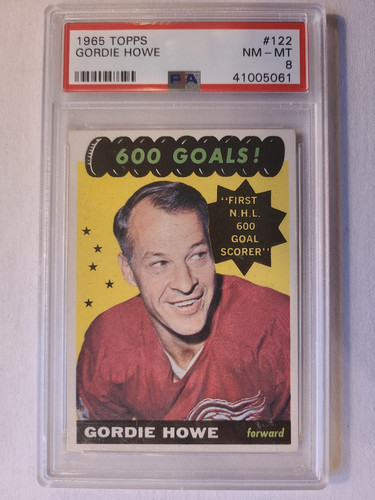 |
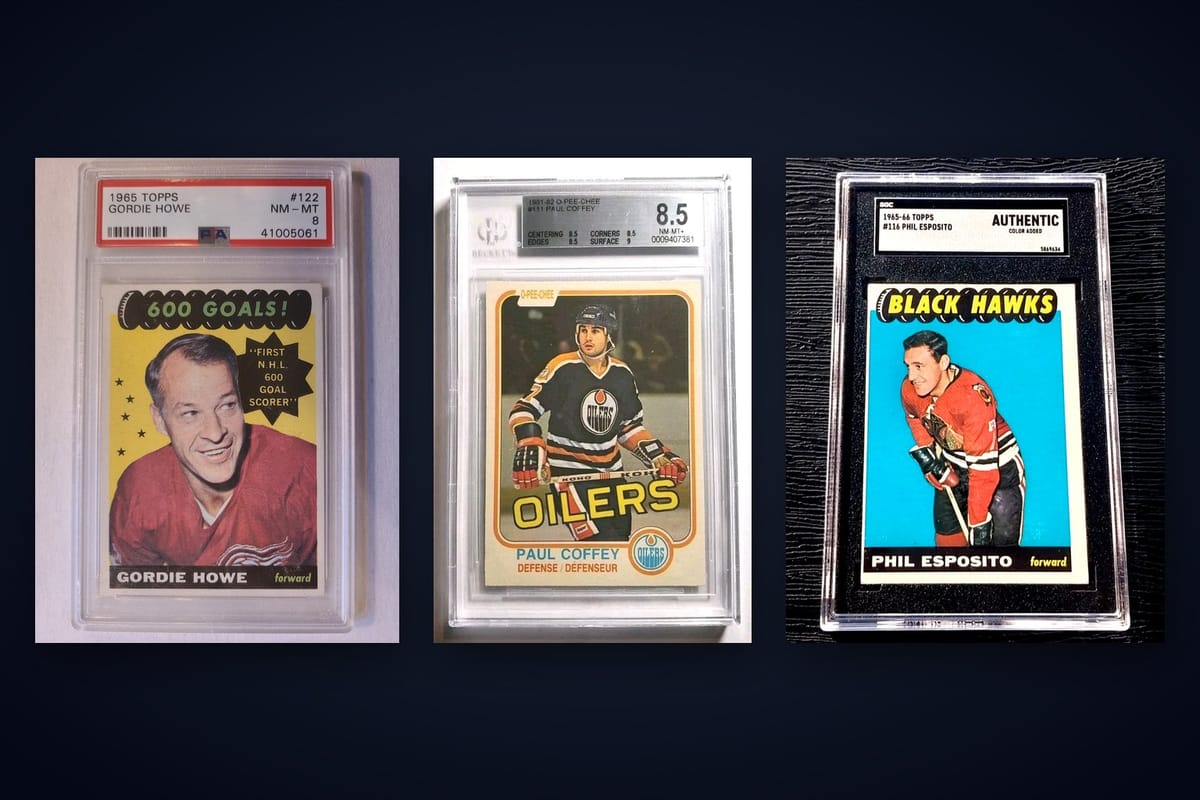
Gordie Howe #122 1965 Topps |
$257.67 | $41,022 | +218.8% |
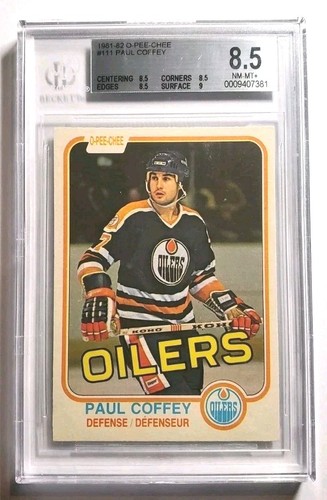 |
Paul Coffey #111 1981 O-Pee-Chee |
$22.78 | $13,501 | +216.4% |
 |
Phil Esposito #116 1965 Topps |
$394.88 | $59,706 | +124.3% |
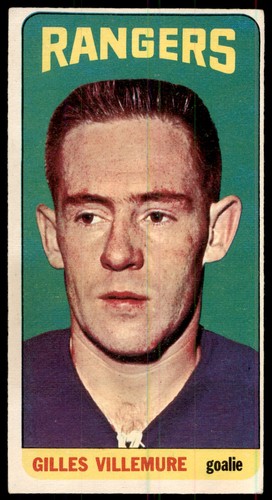 |
Gilles Villemure #74 1964 Topps |
$150.28 | $24,134 | +66.9% |
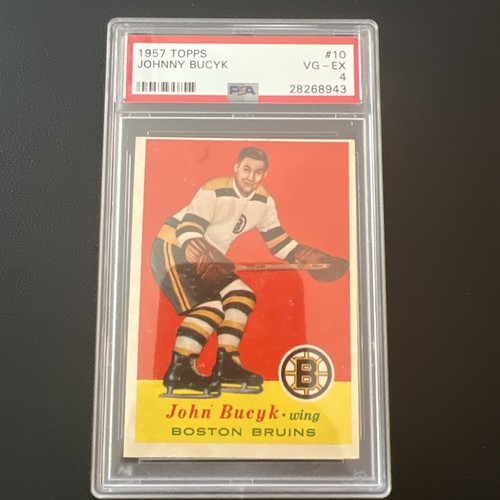 |
Johnny Bucyk #10 1957 Topps |
$231.99 | $46,056 | +53.8% |
 |
Gordie Howe #109 1966 Topps |
$100.36 | $12,309 | +39.4% |
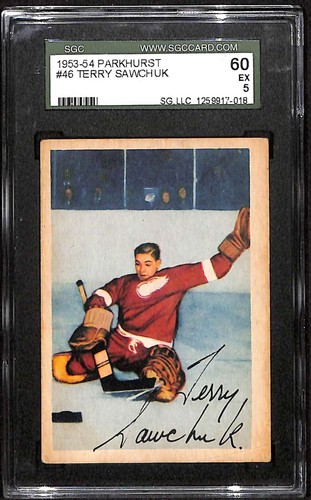 |
Terry Sawchuk #46 1953 Parkhurst |
$107.88 | $37,349 | +38.6% |
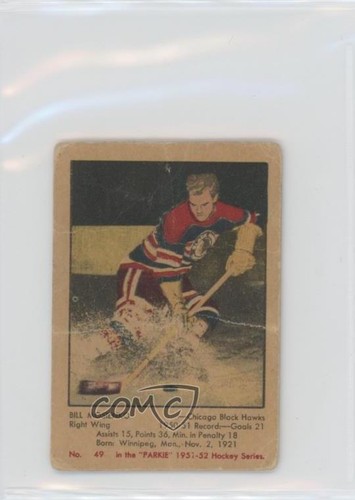 |
Bill Mosienko #49 1951 Parkhurst |
$80.94 | $20,211 | +33.8% |
 |
Terry Sawchuk #58 1954 Topps |
$113.31 | $25,873 | +31.2% |
 |
Dave Keon #94 1964 Topps |
$49.64 | $8,114 | +25.5% |
 |
Ed Giacomin #21 1965 Topps |
$87.10 | $13,694 | +25.5% |
 |
Boom Boom Geoffrion #14 1951 Parkhurst |
$220.50 | $55,134 | +23.5% |
Look up any card's current raw and graded value in Midpoint — and get an estimated grade before you pay to submit.
1. Current Hockey Card Market Trends September 2026
The hockey card market in September 2026 has shown upward momentum. Weekly and monthly data indicate price increases for many cards, with some appreciating over 20% month-over-month. Year-over-year comparisons suggest ongoing growth, influenced by playoff excitement and rookie interest.
Notable trends include increased demand for Prizm parallels and acetate rookie patch autos, which are commanding premium prices in both raw and PSA 10 graded conditions. The market’s strength is also supported by increased post-season trading volume, which can push values higher as collectors and investors adjust their portfolios.
- Example: The 2025-26 Young Guns Macklin Celebrini Prizm Silver PSA 10 reportedly rose from around $12,000 in August to approximately $15,500 as of early September 2026.
- Example: 2025-26 Acetate Rookie Patch Autos from top prospects have seen gains in the range of 20% in recent weeks.
2. Why Hockey Card Prices Are Rising Now
Several factors appear to contribute to rising hockey card prices this September. Playoff performance can increase player desirability, boosting collector interest in standout rookies and stars. Rookie hype—especially around prospects like Macklin Celebrini—creates urgency among buyers to acquire sought-after rookie cards.
Additionally, increased post-season trading volume leads to more active market participation, which can drive prices up due to competitive bidding. Grading submission costs and processing times may also affect supply, potentially making high-grade cards less available and more valuable.
- Playoff success often correlates with price increases due to heightened media and fan attention.
- Rookie hype can lead to speculative buying, particularly for Young Guns and Prizm parallels.
- Higher grading costs and backlogs may reduce submissions, tightening supply of PSA 10 cards.
3. Macklin Celebrini’s Record-Setting Sale and Market Impact
Macklin Celebrini has become a prominent name influencing modern hockey card prices. A recent sale of a Young Guns PSA 10 card reportedly reached $115,000 as of early September 2026, setting a notable benchmark for modern rookie pricing. This sale reflects Celebrini’s perceived potential and has drawn attention to high-end rookie cards.
The impact is seen as other top rookie cards, especially Prizm Silver and acetate patch autos, have also increased in value. Celebrini’s sale appears to have boosted collector confidence, encouraging more grading submissions and trading activity.
- Record sale price has influenced expectations for top rookie cards.
- Increased demand for comparable rookies like Ivan Miroshnichenko and Connor Bedard.
- Triggered grading interest, potentially increasing scarcity of PSA 10 cards.
4. Top Rookie Cards Leading the Gains
Rookie cards are leading gains in September 2026, with Young Guns, Prizm parallels, and acetate rookie patch autos among the most sought after. Young Guns remain a popular choice for rookie cards, often offering good liquidity and recognition. Prizm parallels, especially Silver and Blue variants, have seen notable gains due to limited print runs and visual appeal.
Acetate rookie patch autos combine eye appeal and rarity, making them attractive to premium collectors. Several rookies from the 2025-26 season, including Celebrini and Miroshnichenko, have multiple card variants trending upward.
- Young Guns PSA 10 for Macklin Celebrini: reported +29% in the last 30 days.
- Prizm Silver Rookie Patch Auto PSA 10 for Ivan Miroshnichenko: reported +23% last month.
- Acetate Rookie Patch Auto raw cards have seen approximately +20% increases in market value.
5. The Role of Grading and Condition in Higher Prices
Grading remains an important factor in hockey card valuation. PSA 10 grades often command significant premiums, sometimes doubling or tripling raw card prices. Midpoint’s AI-driven grading estimates and centering measurements can help collectors assess cards before submitting them for grading, potentially minimizing risk and optimizing returns.
Recent increases in submission costs and grading backlogs may have made high-grade cards less common, contributing to higher prices. Cards with excellent centering, sharp corners, clean edges, and pristine surfaces tend to be especially valued.
- PSA 10 Young Guns can fetch 2-3 times raw card prices.
- Centering quality measured by tools like Midpoint can impact value by up to around 20%.
- Higher grading costs and backlogs may reduce supply, increasing demand for existing high-grade cards.

6. Top Sales and Biggest Movers Over the Last 30 Days
Several cards have been notable movers in September 2026. Macklin Celebrini’s Young Guns PSA 10 reportedly leads with a +29% increase. Other notable movers include:
- Ivan Miroshnichenko Prizm Silver Patch Auto PSA 10: +23%
- 2025-26 Acetate Rookie Patch Autos (multiple players): +20%
- Connor Bedard Young Guns PSA 10: +18%
- Vintage 1990-91 Upper Deck Wayne Gretzky raw cards: +12%
These gains reflect both modern rookie interest and continued attention to vintage icons, though vintage price growth tends to be more moderate.
7. Vintage Versus Modern Hockey Cards: Value Trends
While modern hockey cards, particularly rookies, have shown stronger price gains in September, vintage cards are also appreciating but generally at a slower pace. Vintage Upper Deck and OPC cards from the early 1990s have reportedly appreciated by around 10-12% in the last month, driven by nostalgia and scarcity.
Collectors often balance portfolios with a mix of vintage and modern cards, but modern rookies remain a primary focus for growth during this market cycle.
- Vintage card gains tend to be steady but less volatile than modern rookies.
- Modern rookies offer more speculative upside linked to current player performance.
- Both segments benefit from grading and condition premiums.
8. Buy-Now Versus Sell-Now Strategy During a Hot Market
Deciding whether to buy or sell hockey cards during a hot market depends on timing and individual goals. The playoff season often boosts prices, so selling before or during playoffs may help maximize returns. Conversely, some collectors prefer to buy during summer market stabilization and hold through playoffs for potential longer-term gains.
Using grading tools like Midpoint to estimate card condition can help collectors identify undervalued raw cards worth grading or decide when to sell high-grade assets.
- Selling before playoff hype peaks can help lock in gains.
- Buying during summer dips may offer entry points before prices rise.
- Grading decisions should consider submission costs and market timing.
9. Market Tools and Price Guides to Track Hockey Card Values
Collectors and investors use various tools to stay informed. Midpoint offers AI digital grading estimates for PSA, BGS, CGC, and TAG grades, helping users evaluate centering and surface quality quickly. Its database covers over 250,000 cards, enabling comparisons between raw and graded values.
Price guides and market analysis sites complement Midpoint by tracking weekly sales, auction results, and grading trends. Combining these resources allows collectors to make more informed buy, sell, and grade decisions.
- Midpoint for instant grading and portfolio tracking.
- Weekly market reports and auction data for trending hockey cards.
- Submission cost tracking to optimize grading timing.
Conclusion
Hockey card prices rising in September 2026 reflect an active market influenced by playoff excitement, rookie hype, and grading-related supply factors. Modern rookie cards, led by Macklin Celebrini’s high-value sales, are driving much of the gains alongside steadily appreciating vintage cards. Grading quality, especially PSA 10 and precise centering measured by tools like Midpoint, plays an important role in determining values.
Collectors should carefully consider timing for buying and selling around playoff cycles and grading submission windows. Leveraging AI-powered apps like Midpoint can help reduce risk and improve decision-making by providing grading estimates and market data. Staying informed and adaptable is key to navigating this dynamic hockey card market.
FAQ
Q: Why are hockey card prices rising in September 2026?
A: Prices have risen due to factors such as playoff performance increasing player demand, rookie hype around stars like Macklin Celebrini, increased post-season trading volume, and grading-related supply considerations.
Q: Which hockey cards are going up the most right now?
A: Notable gainers include Macklin Celebrini’s Young Guns PSA 10 (+29%), Ivan Miroshnichenko Prizm Silver Patch Auto PSA 10 (+23%), and acetate rookie patch autos (+20%).
Q: Is Macklin Celebrini causing hockey card prices to rise?
A: Celebrini’s recent high-value rookie card sale has influenced pricing benchmarks and increased interest in modern rookie cards, contributing to higher demand and grading activity.
Q: Are vintage hockey cards rising too, or only modern rookies?
A: Vintage cards have shown moderate increases (around 10-12%), while modern rookies have experienced more pronounced gains linked to current player performance and scarcity.
Q: How does grading affect hockey card prices in a hot market?
A: Grading, especially PSA 10, can significantly increase card values, often multiplying raw prices by 2-3 times. High-quality centering and surface condition, measurable by tools like Midpoint, also enhance prices.
Q: Is now a good time to buy or sell hockey cards?
A: It depends on individual strategy—selling before or during playoffs may maximize gains, while buying during summer market stabilization could offer good entry points. Using grading tools can help optimize timing.
Free to start
Try the Midpoint app
Grade any card from a photo, see its raw and PSA 10 value, and track what your collection is worth — free.
Get it on iPhoneGet it on Android